


Vintage Hand Painted Sign
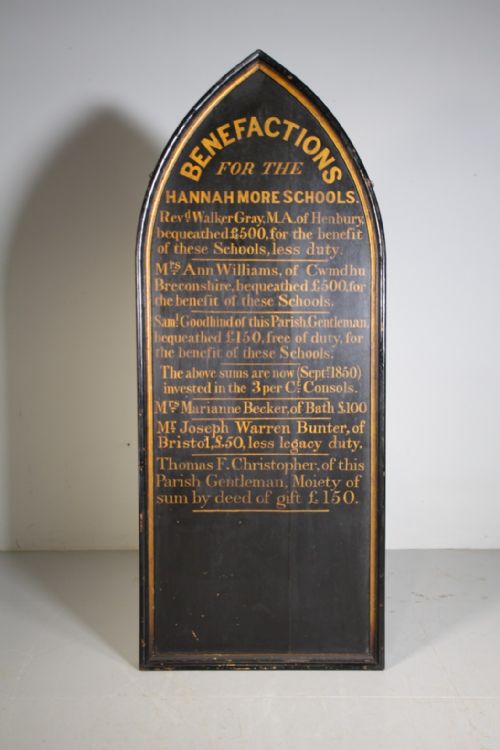
When you search for a vintage hand painted sign, you encounter timber boards, glass panels, and iron hanging markers bearing the brushwork of earlier trade and commerce.
Vintage Hand Painted Sign
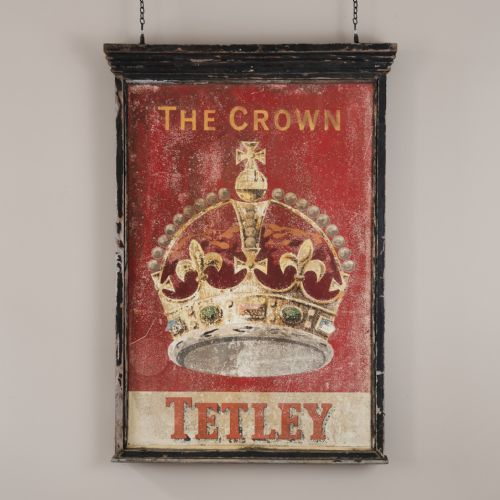
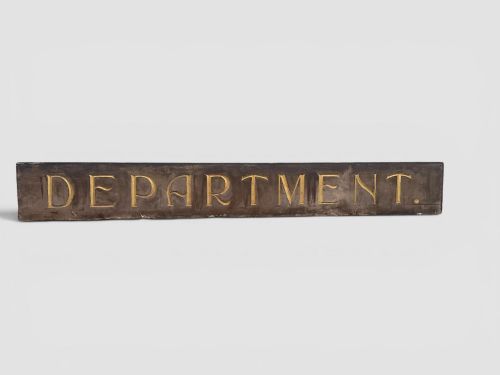
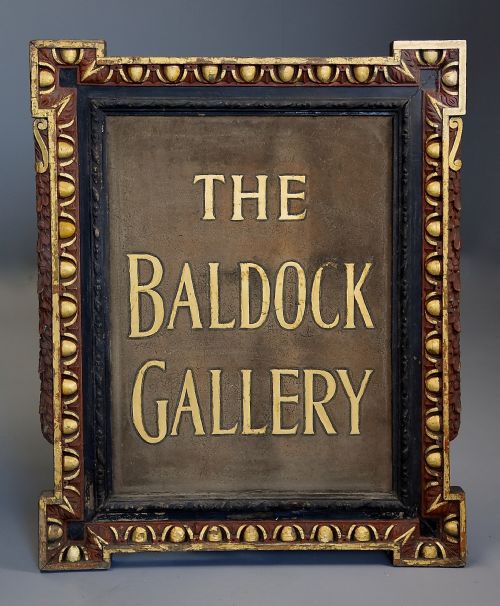
A vintage hand painted sign spans trade, public house, and shop displays originating from the nineteenth century through to the mid-twentieth century. Buyers searching this phrase meet wooden shop fascias, department store boards, and iron pub markers.
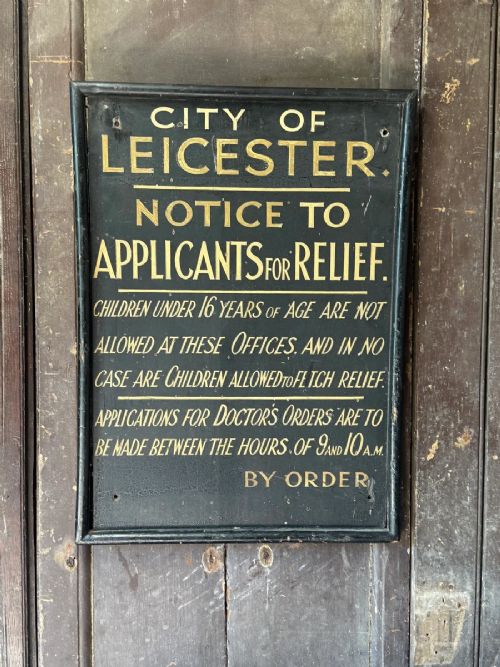
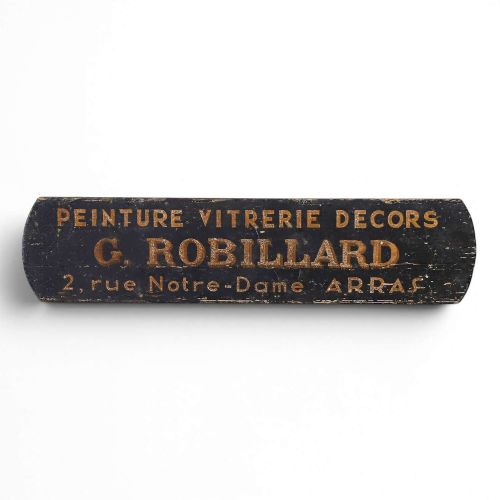
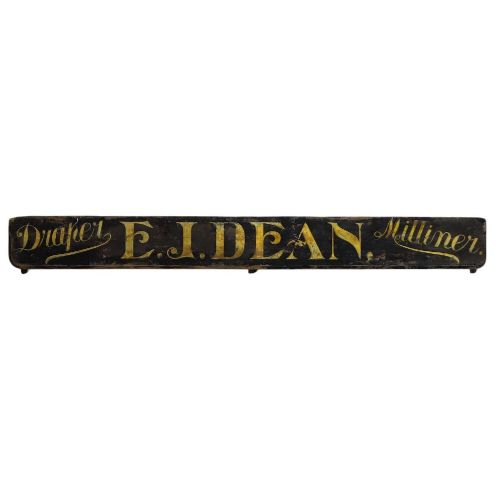
The selection includes timber panels from milliners, drapers, and decorators, alongside double-sided pub signs and glass tobacco window displays. These pieces record commercial lettering and pictorial art executed by trade painters.
Origins stretch from English and Welsh provincial workshops to French pharmacy boards and American carvings. Pine and hardwood boards dominate the selection, often retaining their original surface patination.
How they were made
Signwriters utilised oil-based paints applied to prepared timber boards, pine panels, or iron sheets, sealing the pigments for external display. Artisans also employed reverse glass painting techniques and applied gold leaf for lettering.
Carved wooden elements frequently accompanied the painted surfaces, seen in trade figures and dimensional fascias. Hand-mixed pigments provided durable colour designed to withstand weathering on shopfronts and public houses.
Vintage Hand Painted Sign Retail Price Guide 2026
Typical asking prices for vintage hand painted sign among the pieces listed under this phrase on Sellingantiques today, from the lower quarter to the upper quarter. They describe what is for sale here now, not the wider market.
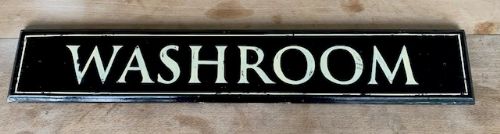
One cheerful survival is a wooden washroom board that clearly prioritized hygiene long before modern plumbing made it easy.
What varies in quality
Quality rests in the legibility and confidence of the brushwork, distinguishing skilled commercial artists from basic utilitarian lettering. The precision of the signwriter's hand directly influences visual appeal.
Survival of the original surface finish determines the standing of an example, with untouched patination and authentic wear holding greater integrity than later repainting. The balance between pictorial detail and structural timber preservation governs overall character.
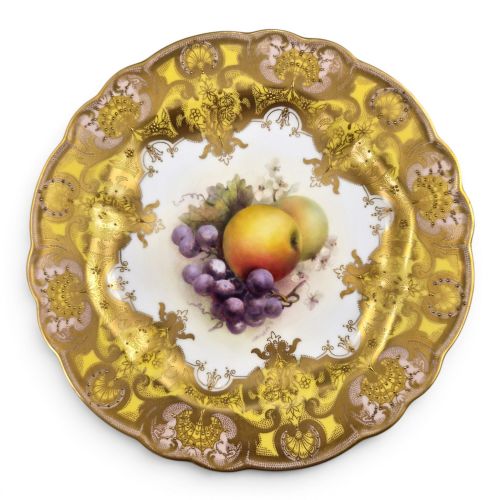
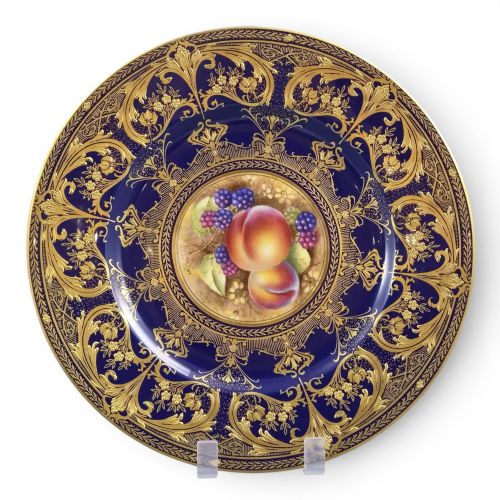
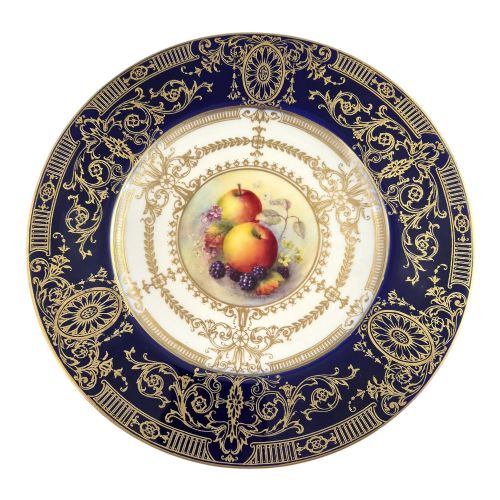
R.D. Roberts·Shozo·Shizan·Emmy Seyfried·Charlotte Rhead
The Vintage Hand Painted Sign Glossary
- Fascia
- A long, flat board running along the upper part of a shopfront intended for lettering. These wooden planks carried the business name and trade details.
- Reverse glass painting
- An art form where the image is applied directly to the back of a glass sheet and viewed from the front. This technique protected the pigments from atmospheric damage.
- Patina
- The surface sheen and surface changes acquired by timber and paint over decades of exposure and handling. This visual depth indicates genuine age.
- Gold leaf
- Metal beaten into extremely thin sheets used for gilding letters and highlights on signs. It provided a reflective quality that caught passing light.
- Trade sign
- A board, carving, or hanging marker displayed outside a commercial premises to advertise goods or services. They were shaped or painted to represent the specific trade.
Vintage Hand Painted Sign: Frequently Asked Questions
Where were these signs displayed?
These boards hung above shopfronts, outside public houses, and within commercial premises to attract passing trade. Milliners, drapers, and pharmacists mounted them directly onto timber facades.
Interior spaces also accommodated smaller window panels and fairground game boards. Their placement depended entirely on the specific commercial or recreational purpose.
How do I clean a painted wooden sign?
Maintenance requires only a soft, dry cloth to remove surface dust without disturbing the fragile paint layers. Moisture and chemical cleaning agents must be avoided to protect historical finishes.
Preserving the original patination means accepting the natural marks of age. Aggressive restoration strips the very character that defines these functional antiques.
How can I tell the age of a sign?
Dating relies on the substrate timber, the type of screws or fixings, and the composition of the paint layers. Victorian and Edwardian examples often feature hand-cut lettering styles specific to their decade.
Wear patterns around hanging brackets and fixings offer further clues to chronology. Examining the preparation of the wood helps separate nineteenth-century boards from later replicas.
Are these signs weather-resistant?
While originally built to endure external conditions, surviving examples require sheltered environments today. Decades of exposure have made the historic timber and paint vulnerable to moisture.
Displaying them indoors prevents further degradation of the pigments and wood. Climate-controlled rooms ensure the survival of original surfaces for the future.