

Vintage Hand Painted Ceramic
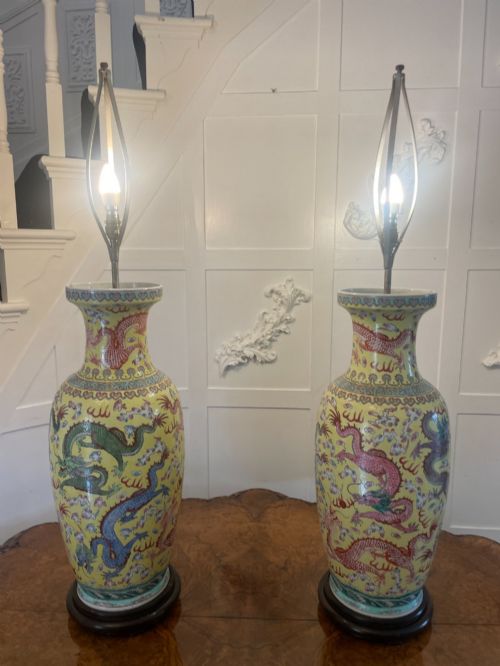
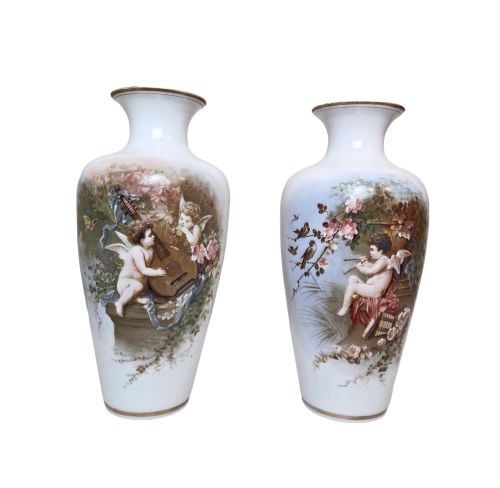
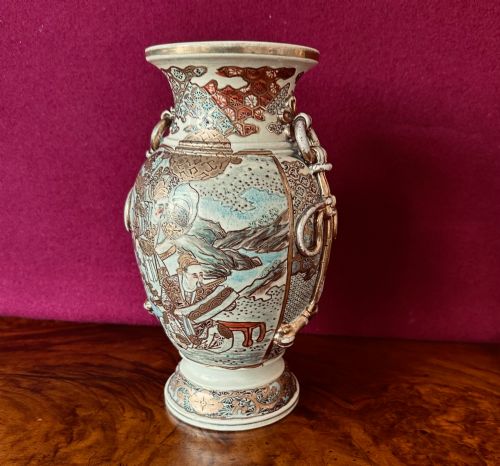
Vintage hand painted ceramic pieces bring colour, form and individual character into a room through hand-applied pigments.
Vintage Hand Painted Ceramic
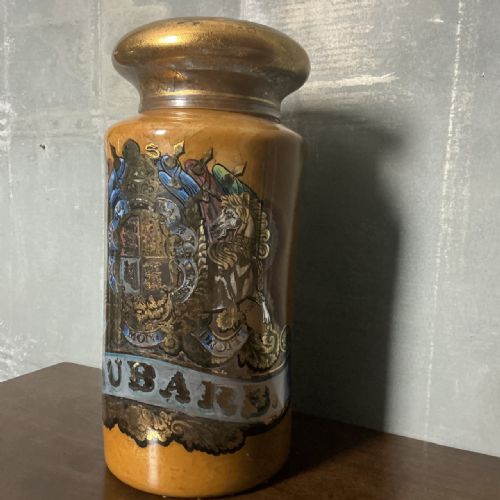
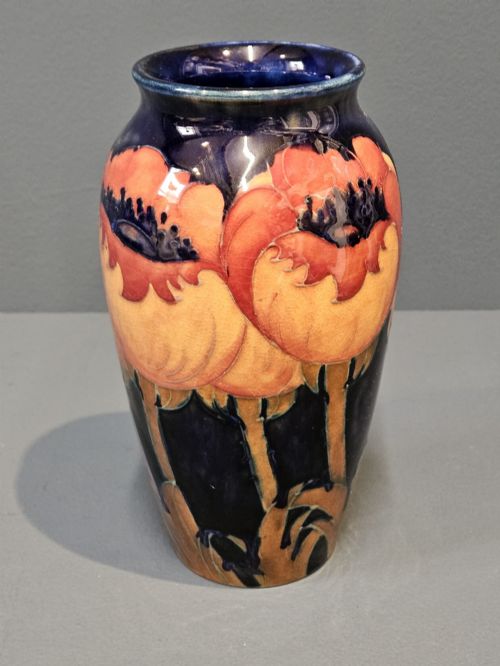
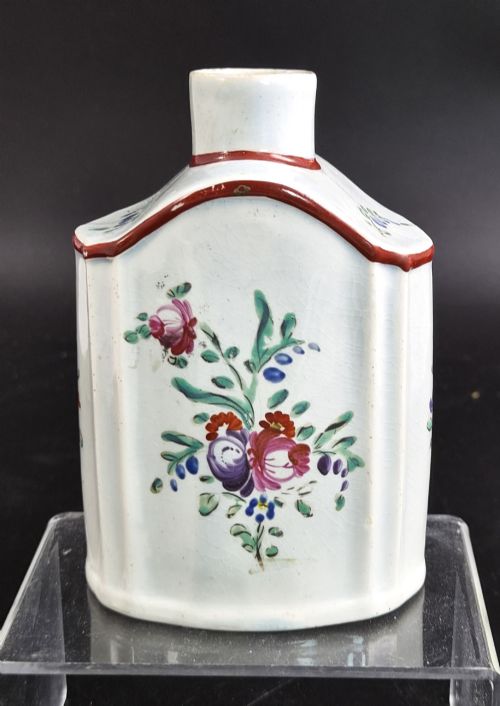
When you search for vintage hand painted ceramic, you encounter a diverse range of objects spanning multiple centuries, from eighteenth-century delftware chargers and tiles to twentieth-century Royal Worcester fruit plates and Moorcroft vases.
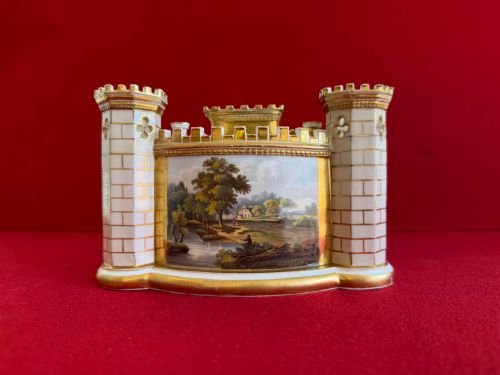
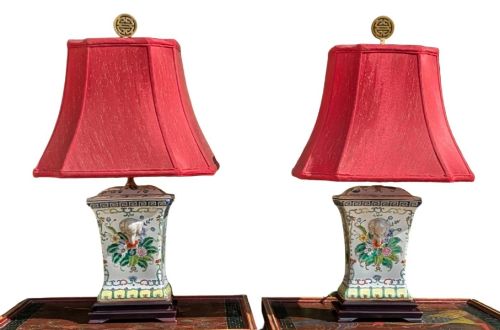
The selection includes functional and decorative forms such as vases, jugs, cabinet plates, bowls, table lamps and figurines originating from English, continental European and Asian workshops.
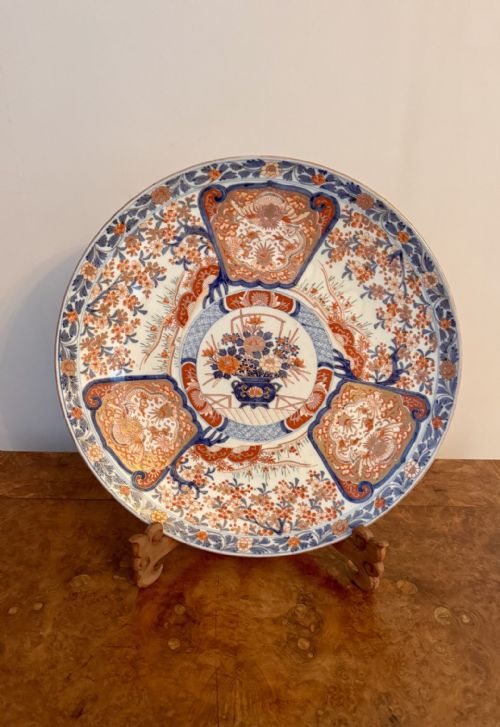
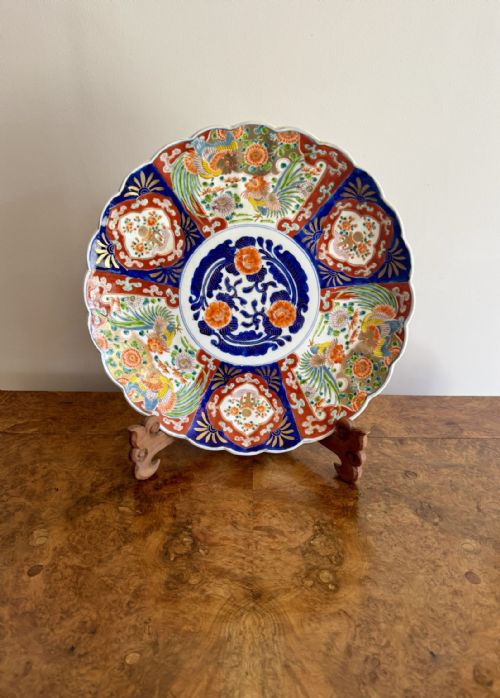
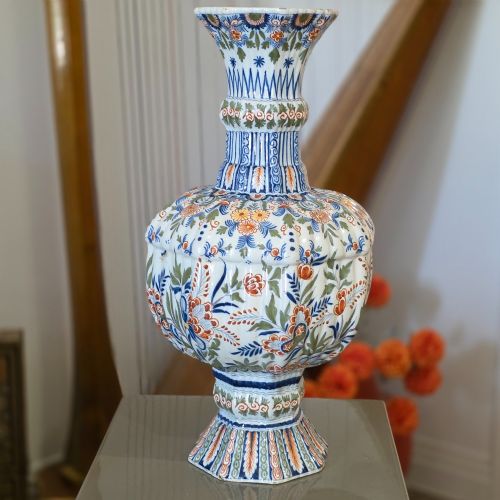
Vessels and figures display varied artistic traditions including Japanese Imari, Dutch Baroque, Rococo Revival and Art Deco, reflecting the changing tastes of collectors across the nineteenth and twentieth centuries.
Materials and methods
Makers utilised body materials such as porcelain, bone china, earthenware and ironstone, shaping them into plates, bowls and sculptural figures before applying base glazes.
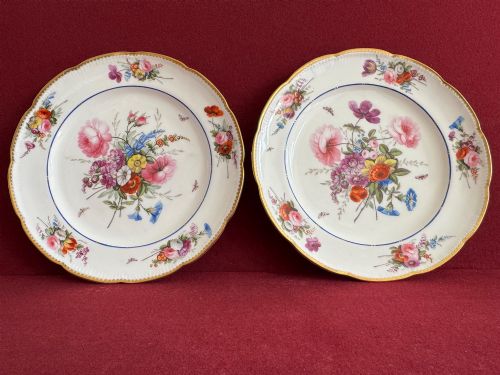
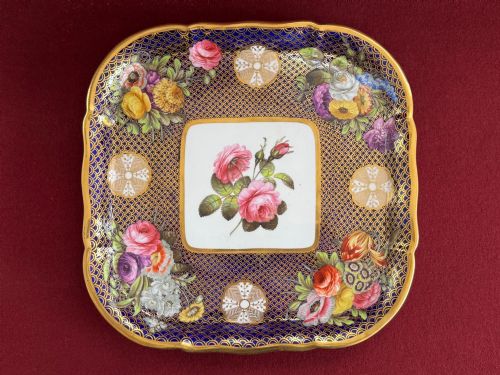
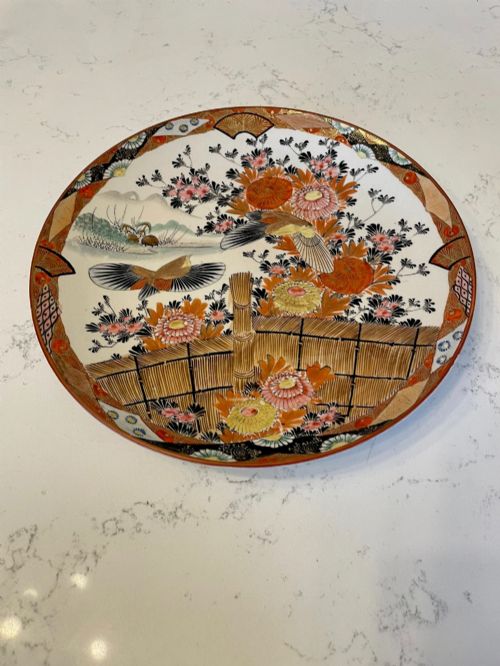
Decoration relied on hand-applied pigments, enamel and occasional gilding or gold leaf, which were subsequently fired to fuse the colours to the ceramic surface.
Seventeenth-century delftware tiles recorded farmyard scenes and landscapes in manganese purple before cobalt blue took over British fireplaces.
Assessing quality
The standard of a piece depends on the precision and control of the brushwork, where delicate shading and confident line work distinguish finer artist-signed works from simpler production items.
The purity of the porcelain body, the evenness of the glaze and the richness of the applied enamels or gilding also dictate the overall refinement of the finished object.
Royal Worcester·Royal Crown Derby·Moorcroft·Meissen·Coalport
The Vintage Hand Painted Ceramic Glossary
- Delft
- Tin-glazed earthenware originating from the Netherlands and England, typically decorated in blue and white or polychrome palettes. It dates predominantly from the seventeenth and eighteenth centuries in domestic forms.
- Imari
- Japanese export porcelain decorated in underglaze blue, iron red and gold, featuring intricate floral and panel designs. This style influenced numerous European potteries.
- Ironstone
- A heavy, durable type of earthenware patented in the nineteenth century for domestic tableware. It provided a robust surface suitable for printed and painted patterns.
- Charger
- A large decorative plate intended for display on a wall or sideboard rather than for dining use. These pieces often showcase expansive painted scenes.
Vintage Hand Painted Ceramic: Frequently Asked Questions
How do I clean antique ceramics safely?
Dust pieces gently with a soft dry brush and avoid submerging items with metallic gilding in water.
Harsh detergents and scrubbing brushes can damage fragile overglaze enamel painting and nineteenth-century gold leaf.
Can I use old ceramic plates for food?
Most antique decorative plates and chargers are best reserved for display rather than daily dining use.
Glazes from earlier centuries can contain lead, and the painted surfaces are susceptible to scratching from modern cutlery.
What is the difference between porcelain and earthenware?
Porcelain is fired at extremely high temperatures, resulting in a dense, vitrified body that often appears translucent when held to the light.
Earthenware is softer, opaque and more porous, requiring an impermeable glaze to hold liquids effectively.
How do I identify the period of a ceramic piece?
Examine the base for factory marks, pattern names, decorator signatures and impressed numbers that correspond to historical production records.
The style of the painting, the weight of the clay body and the character of the glaze also offer strong chronological clues.