

Vintage Halo Cluster Ring
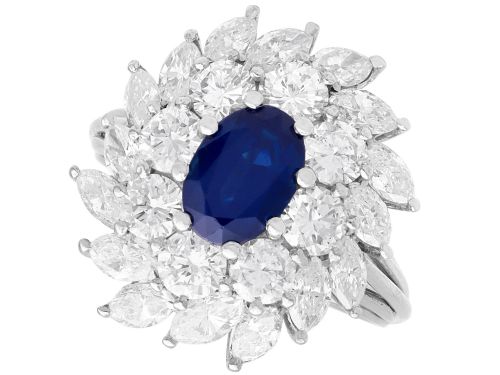
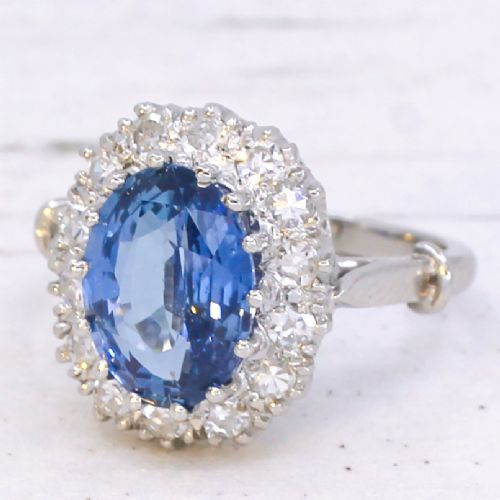
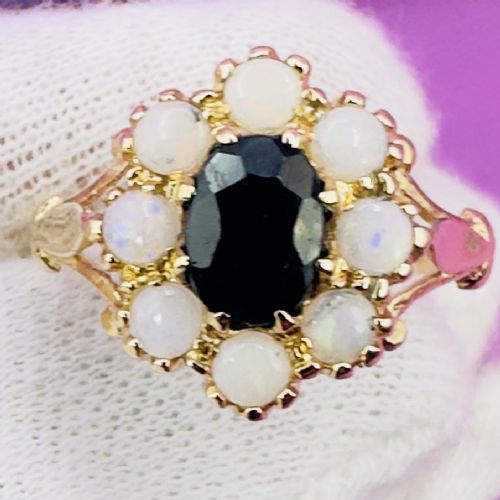
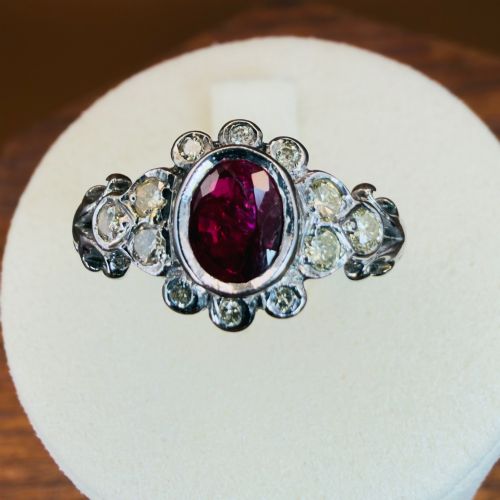
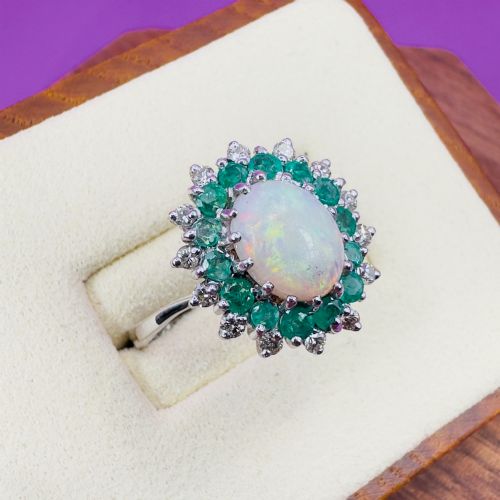
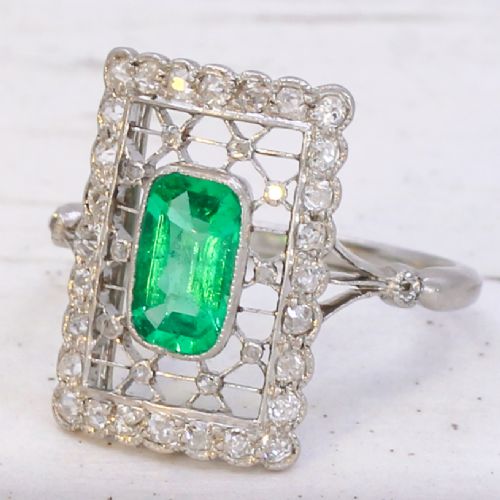
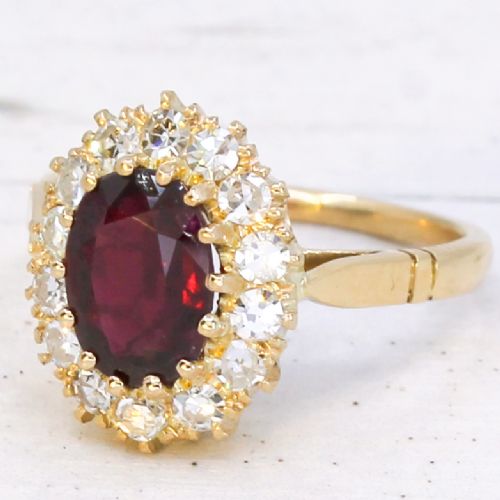
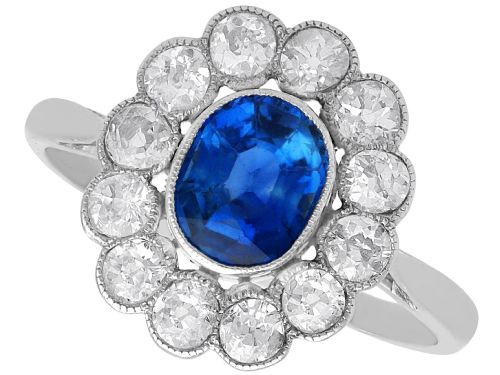
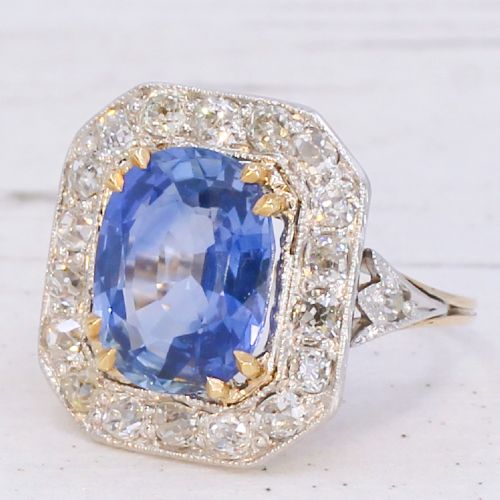
A vintage halo cluster ring brings together a central sapphire, ruby, emerald or diamond framed by smaller stones, catching the eye with geometric brilliance.
Vintage Halo Cluster Ring
A vintage halo cluster ring centres on a prominent gemstone surrounded by a border of smaller accent stones, typically diamonds. These pieces frequently appear in forms dating from the Edwardian era through to the mid-century decades.
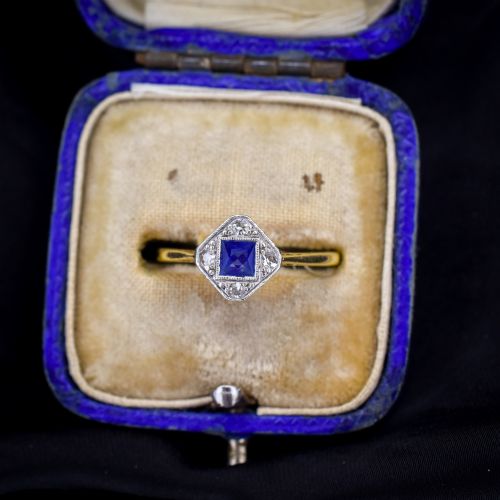
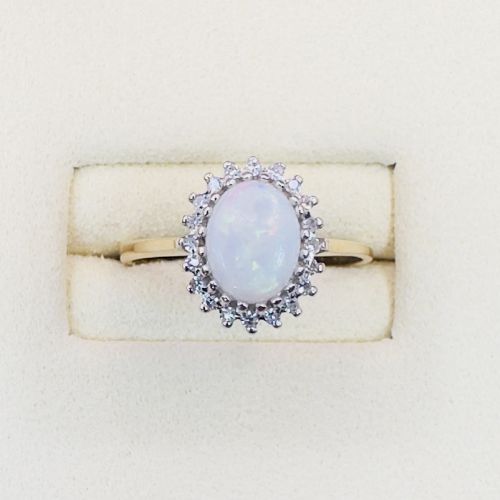
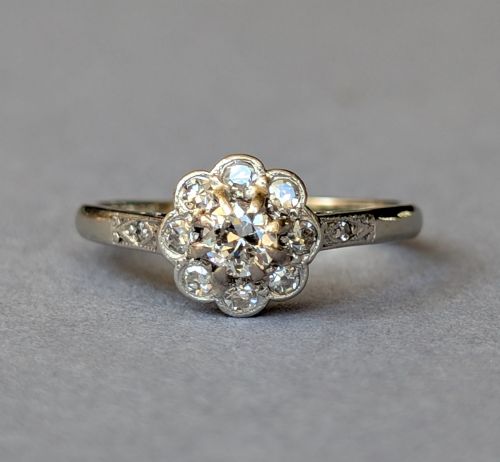
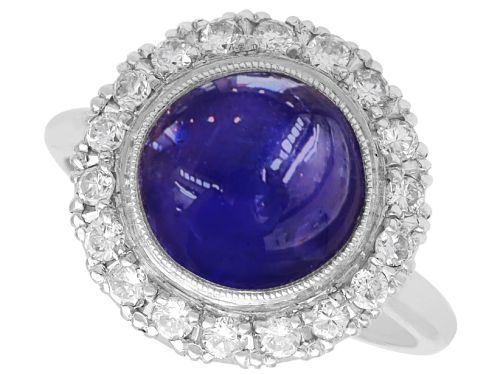
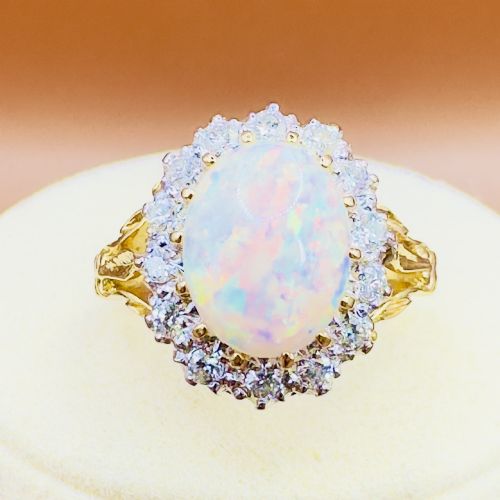
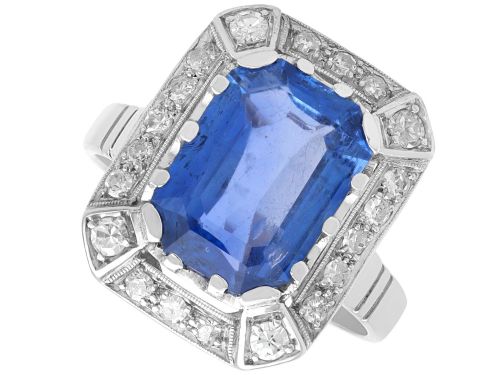
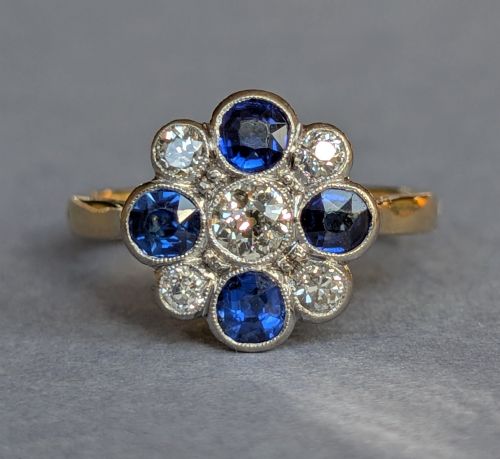
The central stones span blue, yellow and star sapphires, rubies, emeralds, opals, citrines and amethysts set within geometric or floral daisy configurations. Buyers will encounter both yellow and white precious metals framing these arrangements.
Originating across periods like Art Deco and the mid-century, these clusters range from delicate dress rings to substantial cocktail pieces featuring significant carat weights.
Materials and construction methods
Goldsmiths utilised 18ct yellow and white gold alongside platinum to fabricate the structural mounts that secure each cluster arrangement. Platinum offered high tensile strength, allowing intricate claw settings and fine millegrain borders to hold older cut diamonds safely.
Stones were carefully selected for their carat weight and cut, ranging from old cut diamonds to cushion cut citrines and cabochon opals. Metal smiths often employed bezel or claw settings to anchor the central gems while maintaining maximum light entry through the surrounding halo.
Vintage Halo Cluster Ring Retail Price Guide 2026
Typical asking prices for vintage halo cluster ring among the pieces listed under this phrase on Sellingantiques today, from the lower quarter to the upper quarter. They describe what is for sale here now, not the wider market.
Several rings feature charming daisy clusters that bring a touch of a Victorian garden straight to the finger.
Distinguishing quality across the range
Quality rests upon the saturation and clarity of the central gemstone, particularly with unheated sapphires or emeralds carrying minimal treatment. The proportional harmony between the central focal stone and its surrounding halo dictates the overall visual impact.
The precision of the metalwork, including the neatness of claw placement and the preservation of delicate millegrain edging, separates standard production from superior examples. Heavier gold or platinum weights and well-matched diamond side stones elevate a piece's construction standard.
The Vintage Halo Cluster Ring Glossary
- Halo cluster
- A setting design featuring a central gemstone encircled by a ring of smaller accent stones, most commonly diamonds.
- Millegrain
- A decorative technique involving a line of tiny metal beads along the edge of a setting, frequently seen on Edwardian and Art Deco pieces.
- Cabochon
- A gemstone shaped and polished with a smooth convex surface rather than faceted, often applied to opals and star sapphires.
- Old cut
- A traditional diamond cutting style characterised by a small table, high crown and open culet, typical of pieces predating modern brilliant cuts.
Vintage Halo Cluster Ring: Frequently Asked Questions
What periods do these rings come from?
The listings span from the Victorian and Edwardian eras through the Art Deco period and into the mid-century decades up to the 1960s. Each era brought distinct design choices, from floral daisy clusters to geometric frames.
Buyers will find that older pieces often feature distinct handmade characteristics, while mid-century examples lean towards bolder cocktail proportions.
Are the central gemstones treated?
Certain listings specify unheated stones, such as unheated Ceylon or Burma rubies and sapphires, indicating natural colour without artificial enhancement. Other pieces note specific treatments like negligible oil in emeralds.
Checking individual details clarifies whether a gem retains its untreated state from the period of origin.
Which metals were used in these mounts?
Goldsmiths utilised 18ct yellow gold, 18ct white gold, 14ct gold, 9ct gold and platinum across these designs. Platinum and white gold gained popularity during the Edwardian and Art Deco periods to complement diamond clusters.
Yellow gold remains prevalent throughout both earlier Victorian iterations and later mid-century floral rings.
How should I wear a cluster ring daily?
Cluster rings sit high on the finger due to the halo arrangement, so mindful wear prevents unnecessary knocks against hard surfaces. Pairing them with compatible bands or wearing them as standalone cocktail pieces preserves the setting.
Regular checks on the claws by a professional jeweller ensure the central stone and surrounding halo remain secure.