




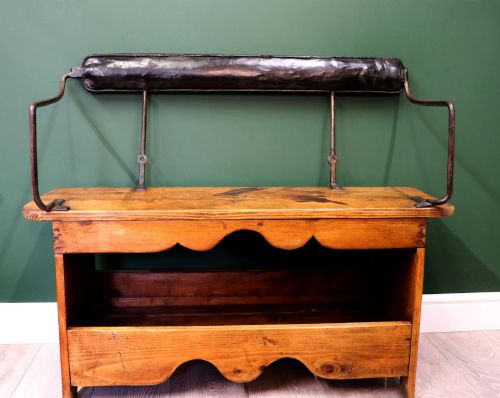
Vintage Hallway Settle
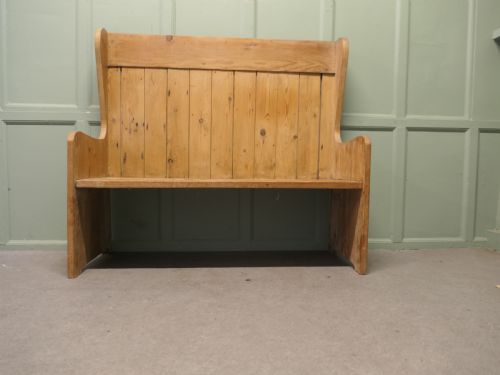
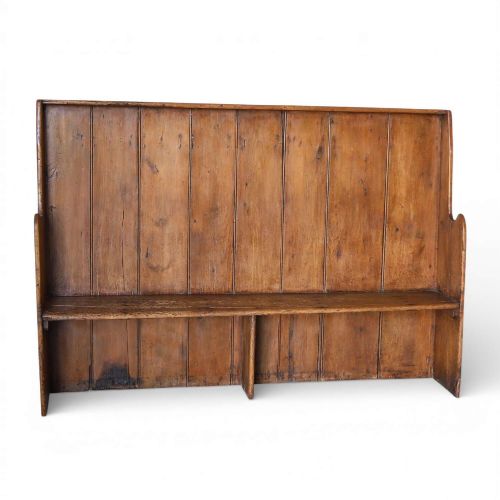
A vintage hallway settle anchors an entryway with high-backed timber presence, offering hidden storage or a fireside perch.
Vintage Hallway Settle
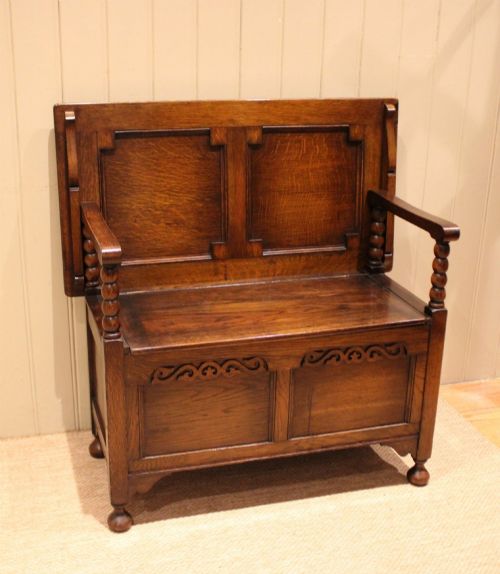
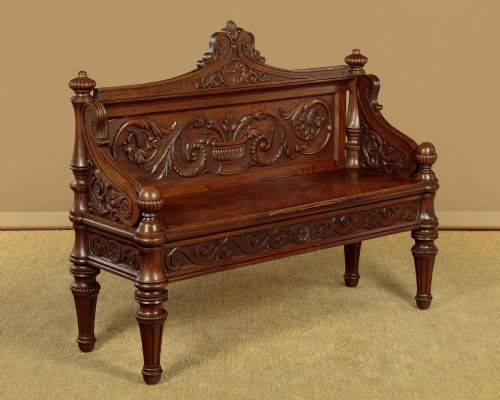
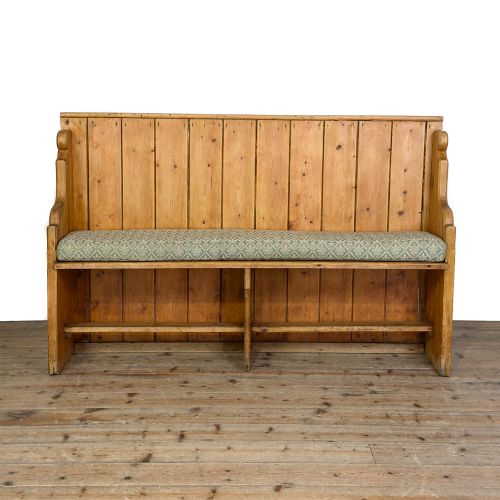
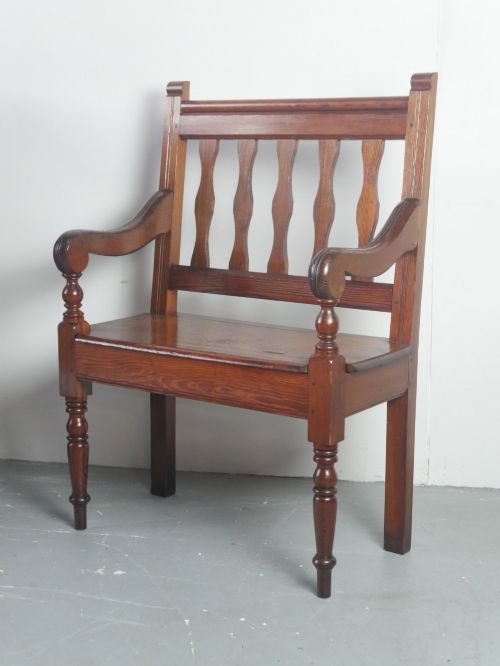
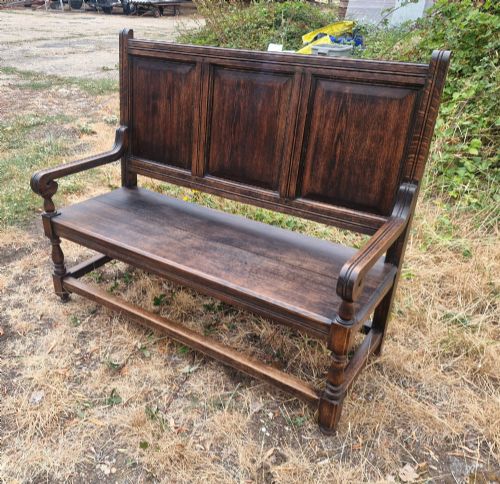
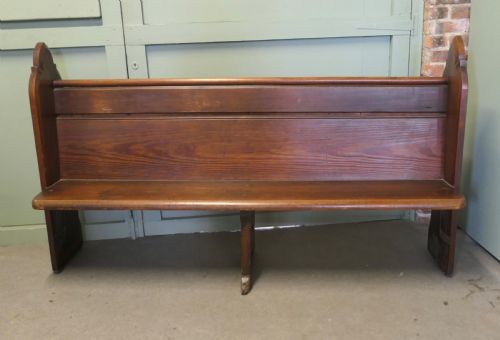
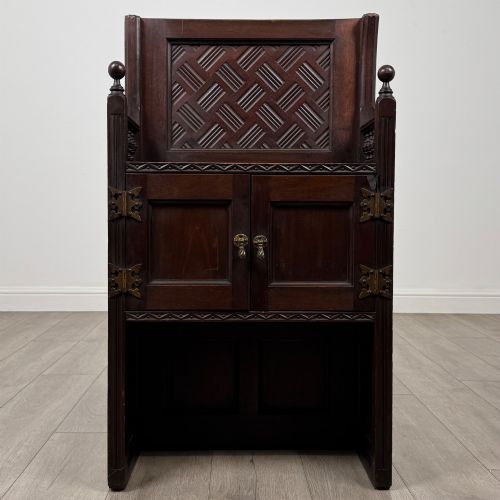
A vintage hallway settle provides traditional seating and storage for an entryway, frequently appearing as high-backed pine benches or panelled oak hall seats. These pieces range from simple country pews to ingenious monks benches with fold-over table tops and hinged lift-up seats.
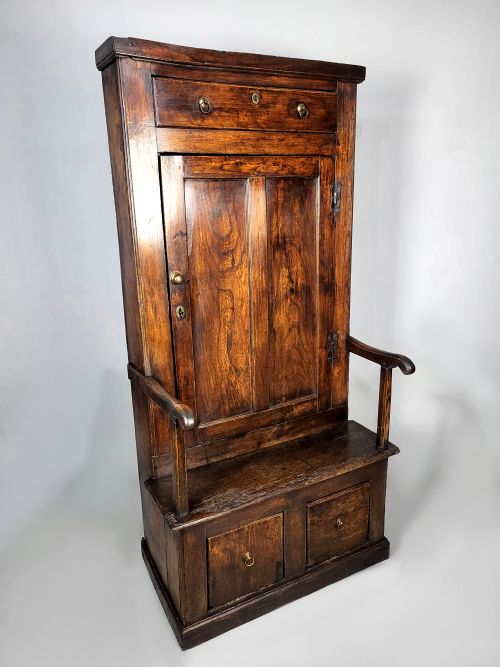
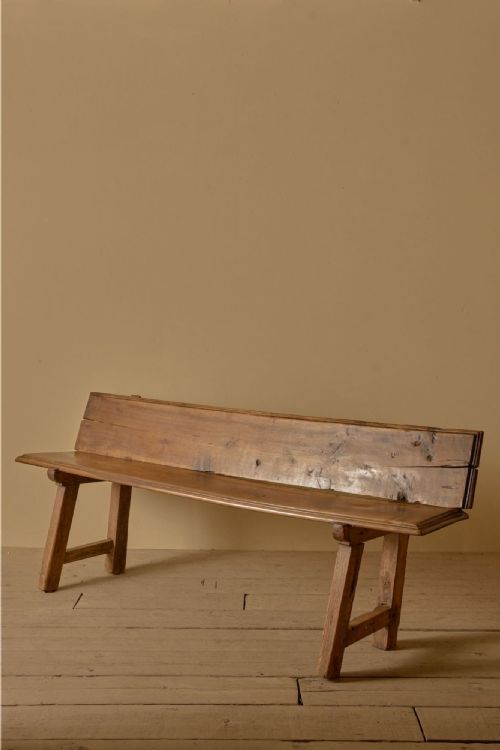
The selection here encompasses various regional traditions, including English country pine pieces, Hungarian painted benches, and carved oak examples from the Victorian and Edwardian eras. Buyers encounter everything from rustic church pews to sophisticated George II elm bacon settles and Spanish walnut benches.
Materials and construction
Construction relies heavily on solid timbers like pine, oak, elm, and walnut, often joined with traditional panelled techniques to handle daily use. Many examples incorporate hinged seats that open to reveal boot storage beneath the bench.
Surface finishes vary from honey brown patinas on natural wood to original painted layers in blue, grey, or black on Hungarian and Swedish pieces. Detail work includes floral carving, brass hardware, iron fittings, and occasional leatherette or fabric upholstery.
Vintage Hallway Settle Retail Price Guide 2026
Typical asking prices for vintage hallway settle among the pieces listed under this phrase on Sellingantiques today, from the lower quarter to the upper quarter. They describe what is for sale here now, not the wider market.
The listings show regional diversity, pairing English country pine and oak with painted Hungarian and Swedish pieces from the 18th to early 20th centuries.
What separates the best pieces
Quality rests on the integrity of the timber, the depth of the natural patina, and the retention of original surface paint rather than later decoration. Superior proportions and crisp, hand-carved detailing elevate standard functional seating into distinguished craftsmanship.
Mechanical elements such as original hinges on lift-up seats and the smooth operation of fold-over tops on monks benches dictate the standard of preservation. Pieces retaining their original structural joinery without excessive timber replacement hold greater integrity.
The Vintage Hallway Settle Glossary
- Settle
- A wooden bench with a high back designed to block draughts in hallways and by firesides, often featuring a box base for storage under the seat. Early versions provided crucial seating before upholstered sofas became common.
- Monks Bench
- A convertible piece of furniture featuring a hinged top that folds down to transform the high back into a table surface. This dual-purpose design served small domestic spaces effectively.
- Bacon Settle
- A tall wooden storage bench traditionally featuring built-in cupboards above or behind the seat for curing and storing meat. These 18th-century forms represent some of the most substantial country furniture.
- Patina
- The surface sheen and colour developed on timber through decades of handling, exposure, and polishing. A rich patina indicates age and authentic use.
- Pew
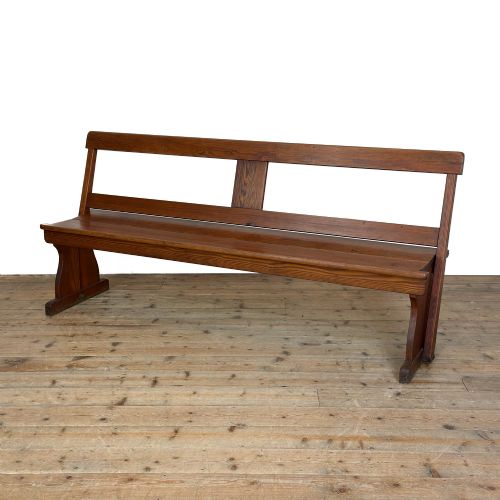
- A long wooden bench originally built for ecclesiastical use in churches and chapels, frequently adapted for domestic hallways. Plain pine and pitch pine versions are common.
Vintage Hallway Settle: Frequently Asked Questions
Where should I place a settle?
These pieces suit narrow entryways, hallways, and boot rooms where they provide an immediate spot to sit while removing shoes. Their high backs also make them effective room dividers or fireside benches in open living spaces.
Because many include lift-up seats or box bases, they double as storage for umbrellas, bags, and winter accessories. Measure your hallway width carefully to ensure the high back and arms do not block doorways.
What is a monks bench used for?
A monks bench serves as a dual-purpose item that functions as a high-backed hallway seat and converts into a table by folding the back over. This clever mechanism provided workspace or dining space in compact historical homes.
Today, they remain practical in hallways as a surface for dropping post or keys before sitting down. The hinged seat also conceals storage space for household items.
How can I tell the period?
Dating relies on examining the timber grain, tool marks, joinery methods, and the style of any carved decoration. Georgian and 18th-century pieces often feature solid elm, walnut, or pegged construction with heavier proportions.
Victorian and Edwardian examples frequently utilise oak or pine with machine-sawn elements alongside hand finishing. Painted Hungarian and Swedish benches display regional colour palettes and decorative traditions specific to their eras.