



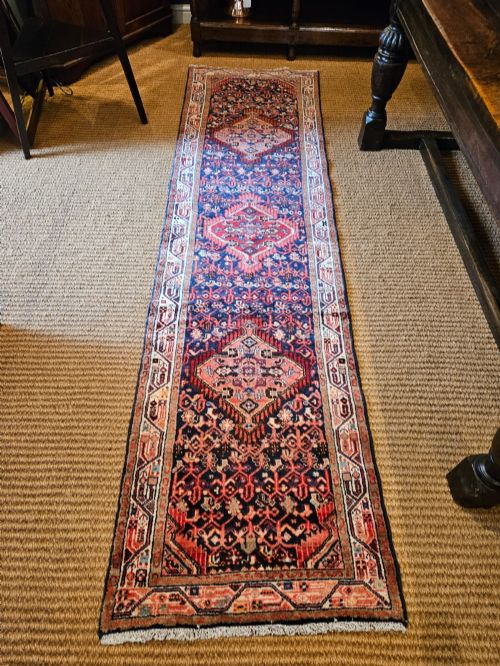
Vintage Hallway Rug
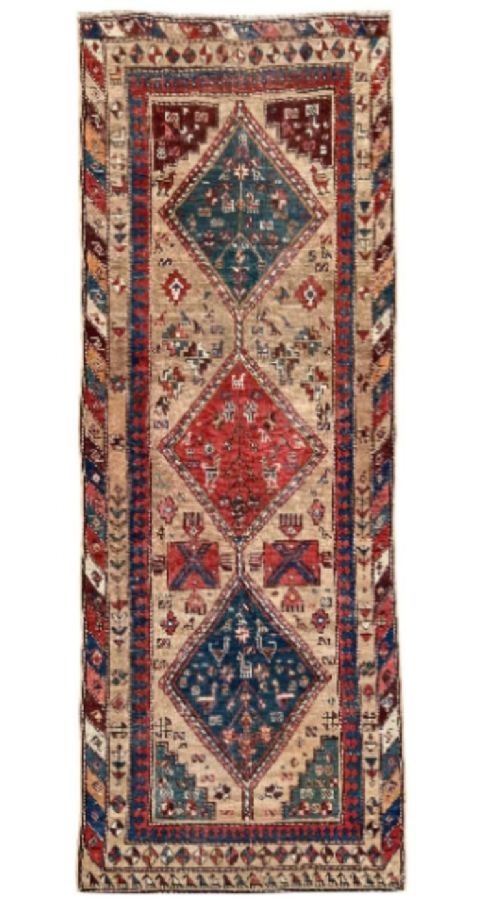
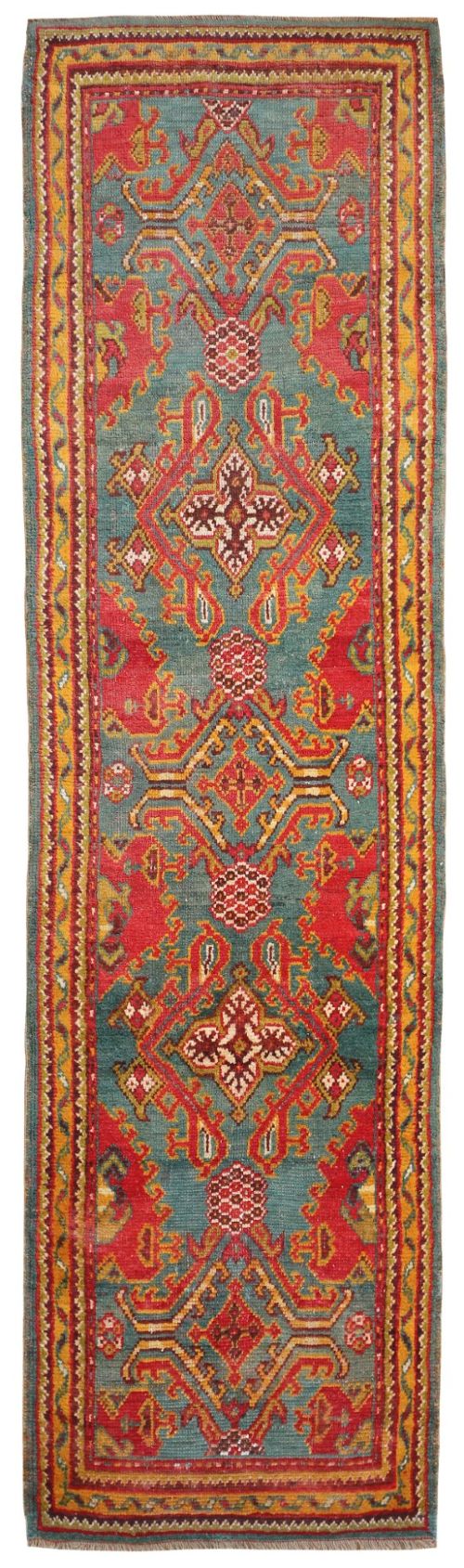
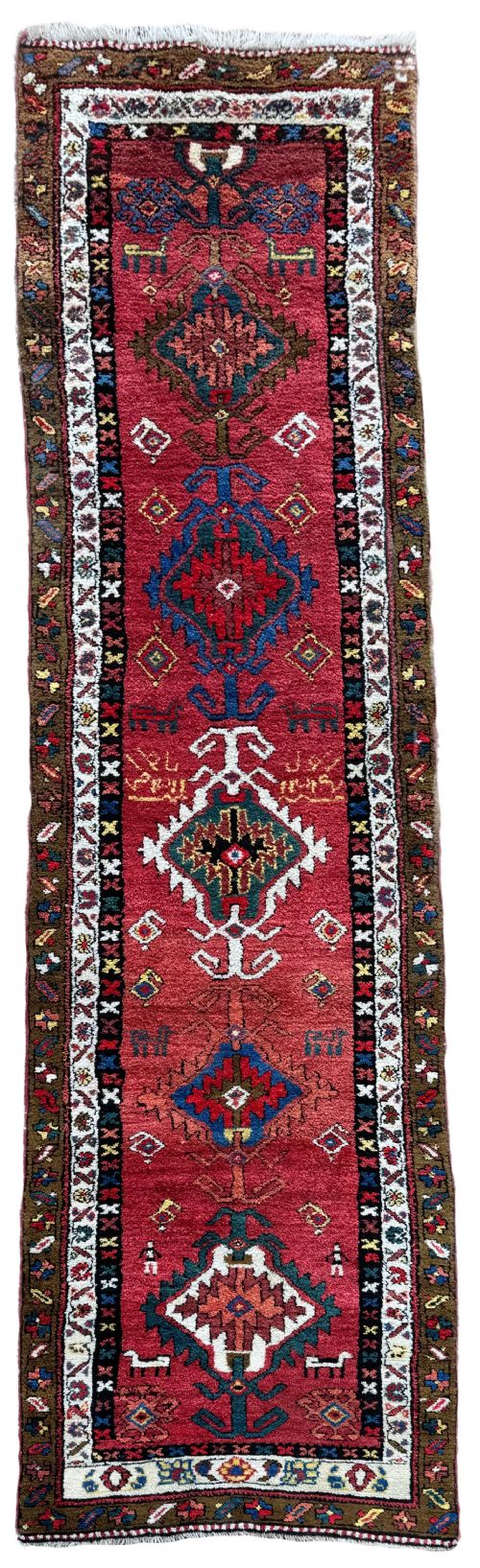
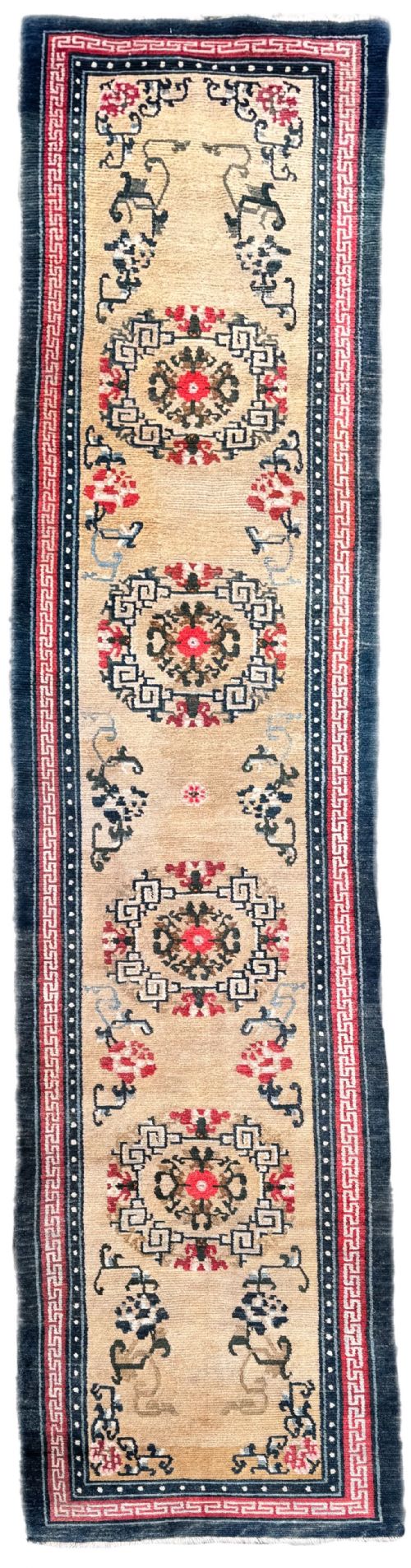
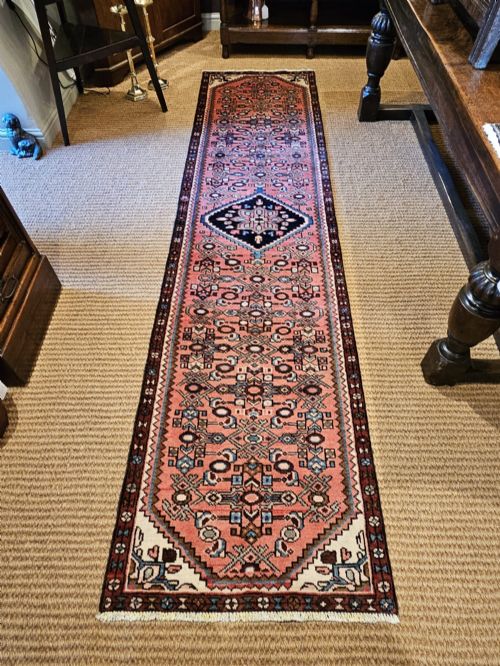
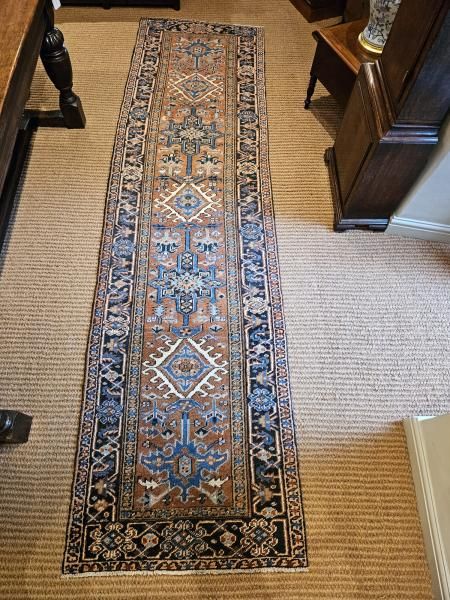
When searching for a vintage hallway rug, expect long, narrow floor coverings designed to line corridors and landings.
Vintage Hallway Rug
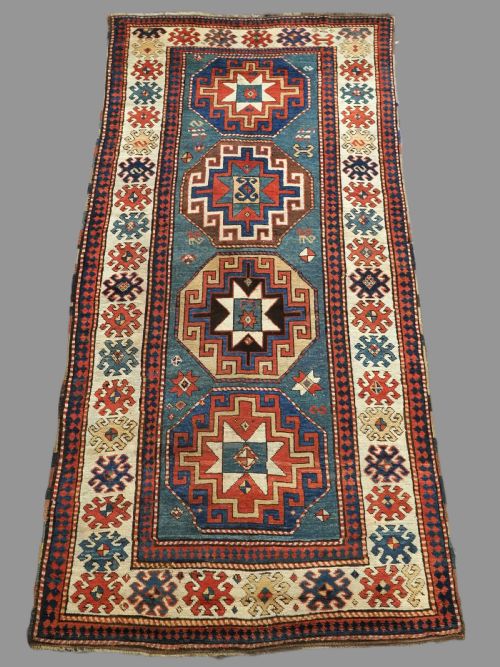
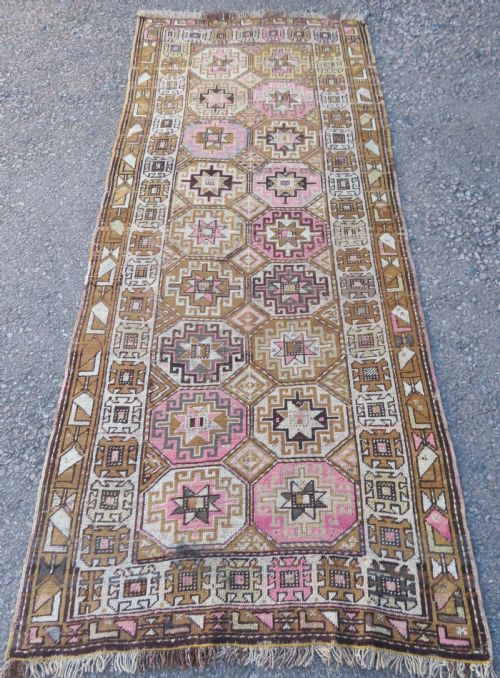
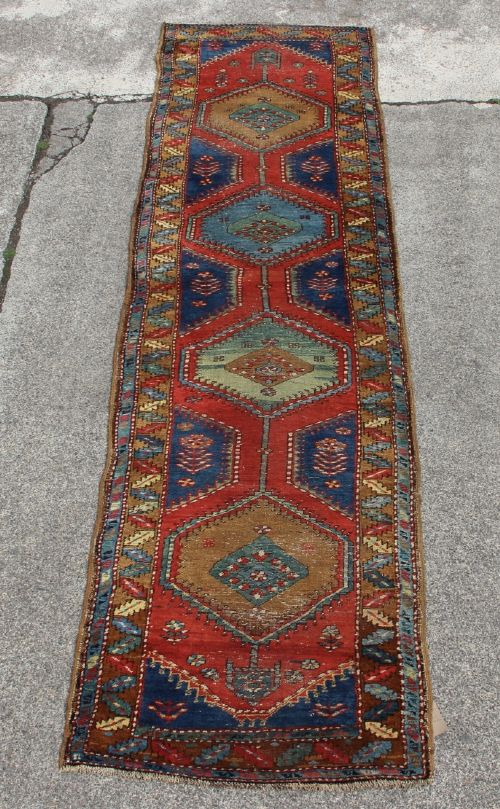
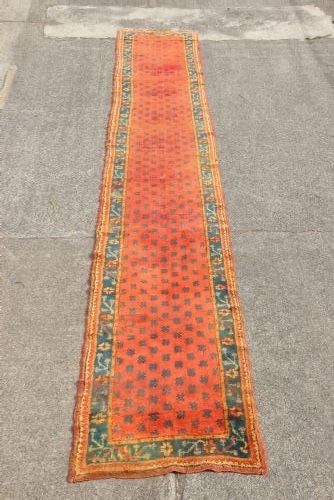
A vintage hallway rug takes the form of an elongated runner designed specifically to fit narrow corridors, halls and landings. These pieces span from the late nineteenth century into the twentieth century, bringing historic textile traditions directly into domestic walkways.
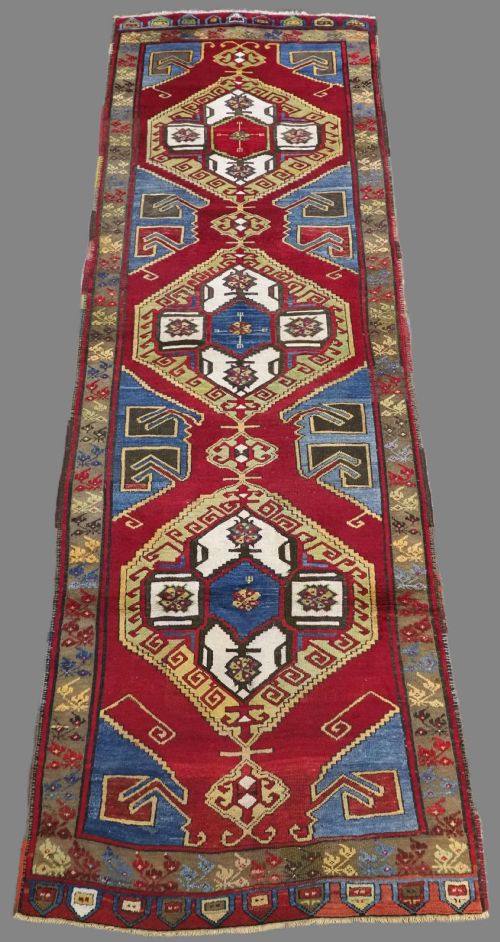
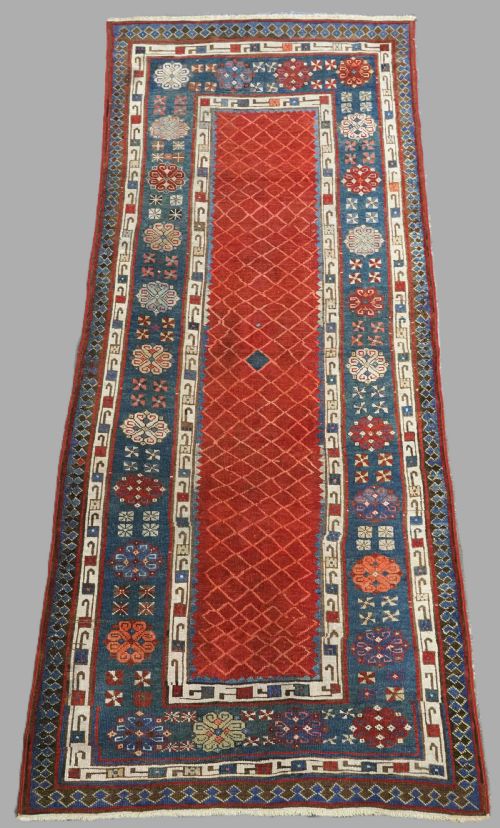
The selections encountered here originate primarily from Persian, Turkish, Caucasian and Kurdish traditions. Makers from these regions produced narrow, extended formats tailored for domestic circulation spaces, utilising traditional tribal designs and geometric motifs.
Forms vary from compact lengths to exceptionally long formats reaching over thirty feet. The visual language relies heavily on repeating patterns, central medallions and lattice frameworks that draw the eye along the length of the corridor.
Materials and Construction
Construction relies upon natural materials, predominantly wool and cotton. Wool serves as the primary pile fibre for warmth and durability under foot traffic, while cotton frequently forms the foundational warp and weft supporting the structure.
Weavers employed traditional hand-knotting and handweaving techniques passed through generations within specific tribal groups and weaving centres. These methods produce dense, resilient surfaces capable of enduring decades of heavy corridor use.
Listings feature wool and cotton runners spanning from the eighteen-eighties through the nineteen-sixties.
Assessing Quality and Character
Quality rests upon the tightness of the knotting, the handling of the wool and the precision of the design execution. Denser knots allow intricate geometric and floral patterns to remain sharp and defined over generations of wear.
Patina and wear tell the history of each piece, distinguishing items with honest, integrated age from those with compromised structural integrity. The balance between pile retention and supple drape defines the upper tier of surviving examples.
The Vintage Hallway Rug Glossary
- Runner
- A long, narrow carpet format specifically proportioned for hallways, corridors and stairs.
- Pile
- The upright yarn loops or cut ends that form the soft surface of a rug.
- Warp
- The vertical foundation threads stretched tightly on the loom before weaving begins.
- Weft
- The horizontal threads passed across the warp strands to lock the knots in place.
- Medallion
- A central ornamental design motif positioned in the middle of the field.
- Patina
- The surface sheen and softening of colour developed through age and natural wear.
Vintage Hallway Rug: Frequently Asked Questions
Where should I place a runner?
Runners suit narrow transit spaces including entrance hallways, long corridors, transitional landings and galley kitchens. They soften footfall and protect underlying wooden or tiled floors.
Avoid positioning them in damp areas or zones exposed to constant moisture, as natural wool and cotton require dry indoor environments to maintain integrity.
How do I care for a wool rug?
Vacuum gently using suction attachment only, avoiding revolving brush heads that pull at individual wool fibres. Rotate the piece periodically to distribute foot traffic evenly.
Address spills immediately by blotting with a clean, dry cloth rather than rubbing. Professional cleaning is recommended when dust accumulates deep within the foundation.
What defines tribal rug designs?
Tribal designs originate from nomadic or village weavers working independently rather than in centralized urban workshops. These patterns feature bold geometric shapes, stylized animals and symbolic motifs.
The expression relies on memory and local tradition, resulting in charming irregularities and spontaneous colour choices within the repeating patterns.