
Vintage Green Gemstone Jewellery
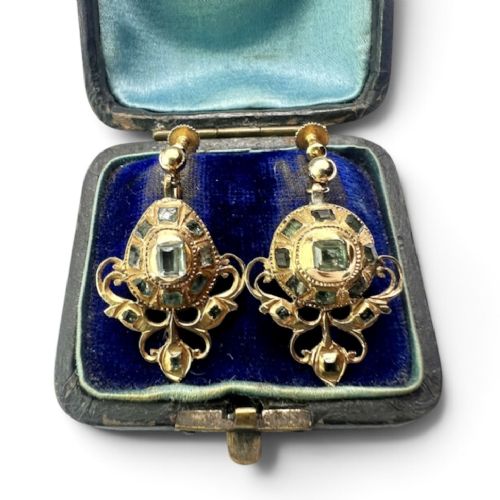
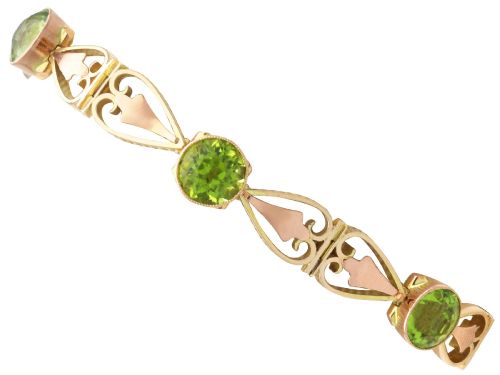
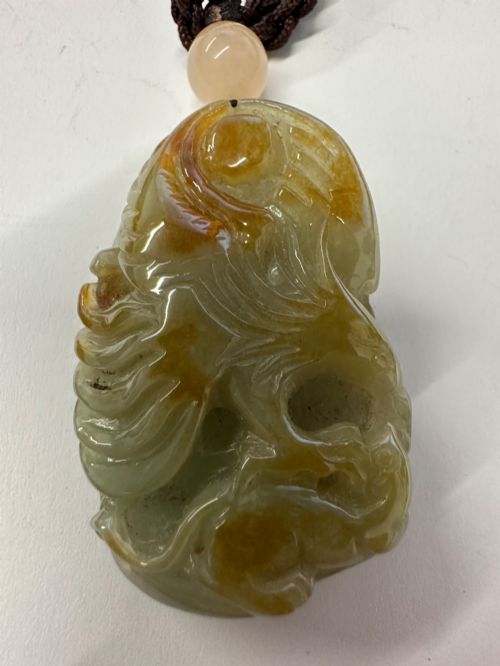
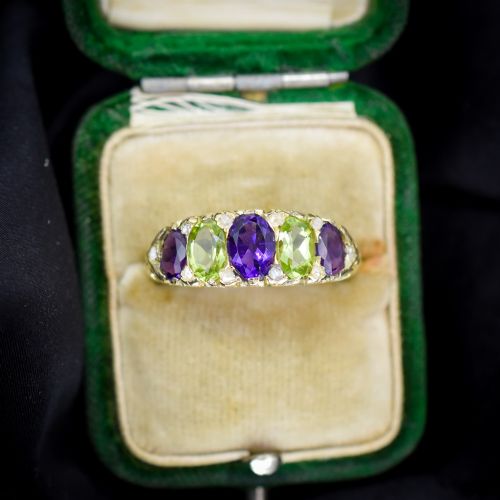
Vintage green gemstone jewellery brings together emeralds, jade, peridot and tsavorite in settings from the Victorian era to the mid-century.
Vintage Green Gemstone Jewellery
When you search for vintage green gemstone jewellery, you encounter rings, drop earrings, pendant necklaces and beaded strands spanning the Edwardian, Art Deco and mid-century periods. These pieces utilise natural stones set in gold, platinum and sterling silver.
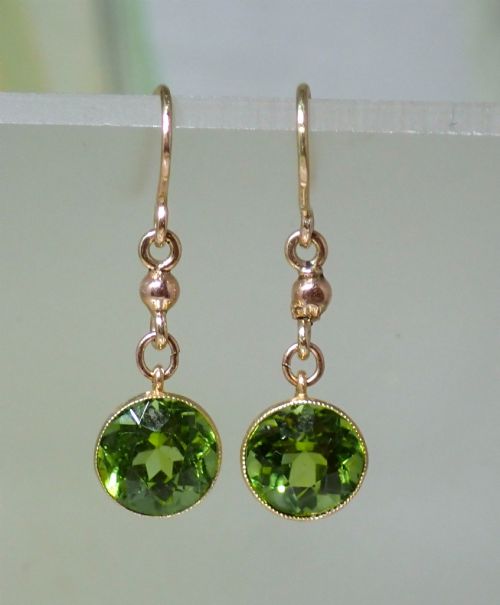
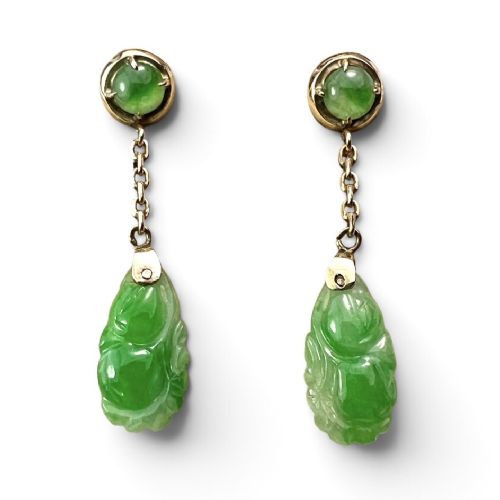
Emeralds and jade dominate the selection, appearing alongside peridot, tsavorite, green sapphire, chalcedony, aventurine and malachite. You are most likely to meet cluster rings and gold drop earrings featuring these verdant stones.
Materials and construction techniques
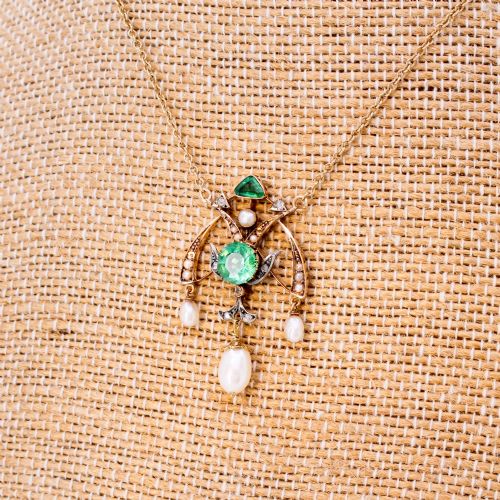
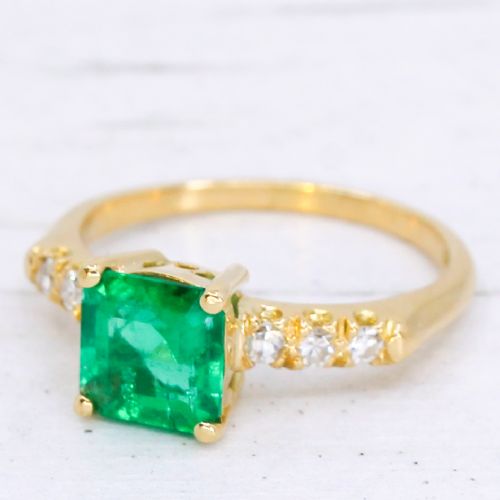
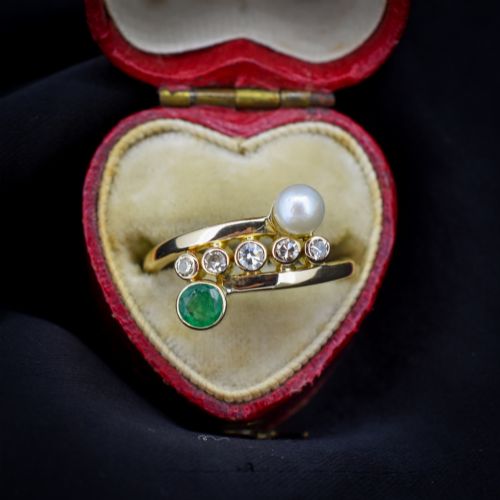
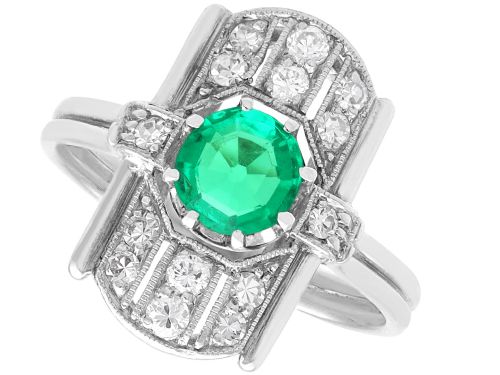
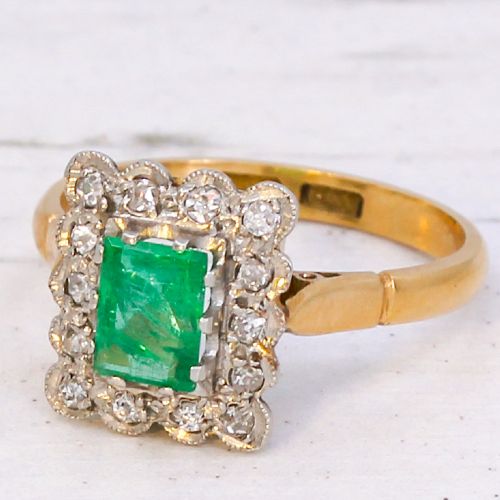
Goldsmiths and jewellers mounted green gemstones into 14ct gold, 18ct yellow gold, platinum and sterling silver using claw, bezel and flush settings. Diamond accents frequently frame emeralds in cluster and double cluster configurations.
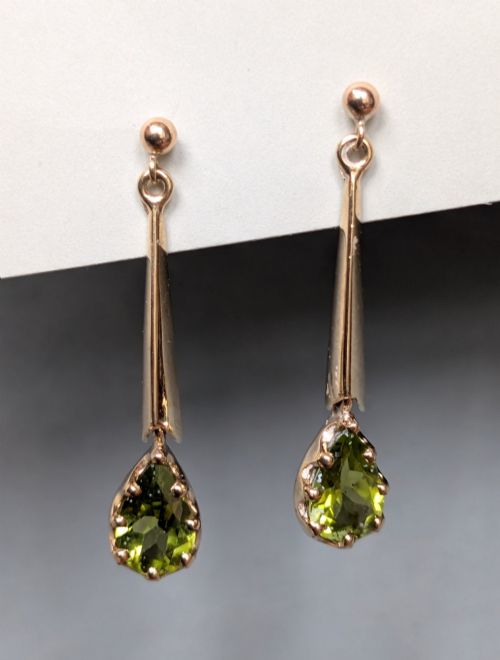
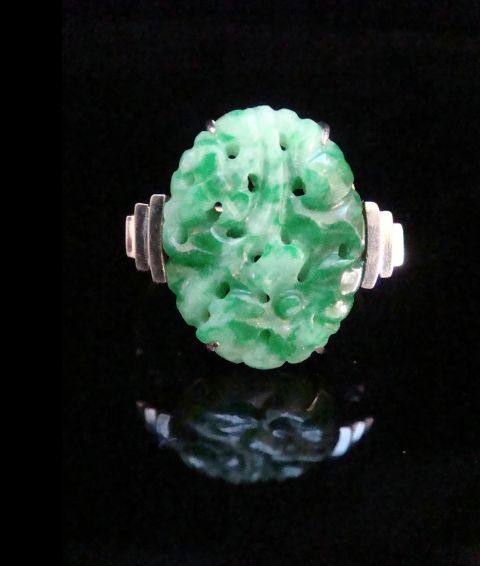
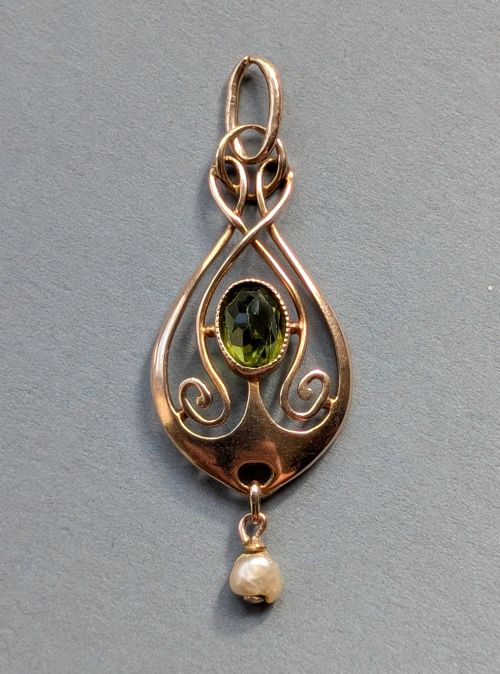
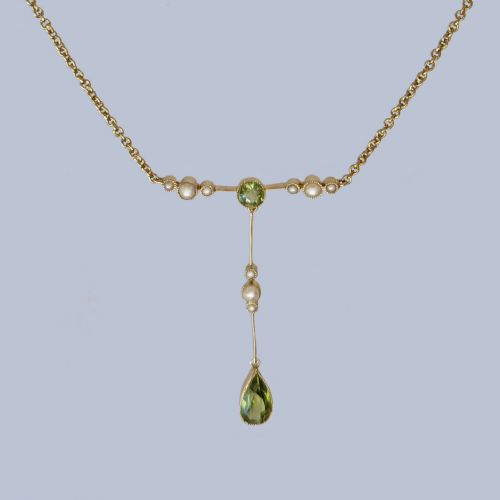
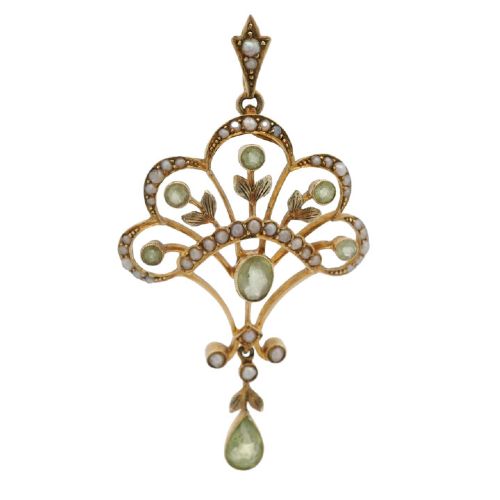
Carved jadeite and nephrite appear as beads, toruses and pendants, occasionally strung as heavy necklaces or paired with figa hand clasps. Peridot and tsavorite are shaped into cushion, oval and marquis cuts within antique and vintage mountings.
Distinctions in quality
Quality rests in the origin and treatment of the central stones, such as Colombian emeralds with documented minor oil enhancements alongside natural jadeite. The purity of the precious metal, ranging from sterling silver to platinum and 18ct gold, further elevates a piece.
The precision of the stone cutting and the complexity of the surrounding diamond work differentiate standard vintage items from exceptional Edwardian and Art Deco examples. Heavier gold weights and intricate artisanal settings indicate superior manufacture.
Gilbert Albert
The Vintage Green Gemstone Jewellery Glossary
- Cluster ring
- A ring design featuring a central gemstone surrounded by a border of smaller stones, typically diamonds.
- Jadeite
- A dense, pyroxene mineral that forms vibrant green carved pendants, beads and cabochons.
- Tsavorite
- A grossular garnet displaying a vivid green colour, utilised in antique and mid-century dress rings.
- Cabochon
- A gemstone shaped and polished with a smooth, convex upper surface rather than faceted edges.
- Negligible oil
- A laboratory grade indicating that an emerald has received minimal resin clarity enhancement.
Vintage Green Gemstone Jewellery: Frequently Asked Questions
What periods do these pieces date from?
The inventory spans the Victorian, Edwardian, Art Deco and mid-century eras, extending into the later twentieth century. Many items originate from the early 1900s through to the 1960s.
Specific pieces carry dates from 1900, 1910, 1920, 1930, 1940 and 1950, reflecting distinct stylistic shifts in goldsmithing.
Which green stones appear most often?
Emeralds and jade are the most frequently encountered green gemstones across the rings, earrings and necklaces. Peridot and tsavorite also feature prominently in gold settings.
Less common stones include green sapphire, chalcedony, aventurine, malachite and green zircon, providing a diverse palette of green hues.
How should I care for jade jewellery?
Jade beads and carved pendants require gentle cleaning with warm soapy water and a soft cloth rather than ultrasonic cleaners. Avoid exposing porous stones like malachite and certain jadeites to harsh chemicals.
Store beaded strands flat to prevent undue tension on the original stringing materials and clasps.
Are the emeralds treated?
Certain emerald rings specify laboratory gradings such as negligible or minor oil treatments. These terms describe traditional clarity enhancements common in fine emeralds.
Checking individual item descriptions provides specific details regarding gemstone treatments and origin certificates where available.