







Vintage Grape Basket
These vintage grape basket pieces bring authentic French country character into modern homes, offering both rustic charm and practical everyday storage.
Vintage Grape Basket
When you search for vintage grape basket items, you are looking at utilitarian agricultural vessels and related still life artwork from French rural traditions. The pieces on this page span from the eighteenth century through to the mid twentieth century, capturing centuries of agricultural heritage.
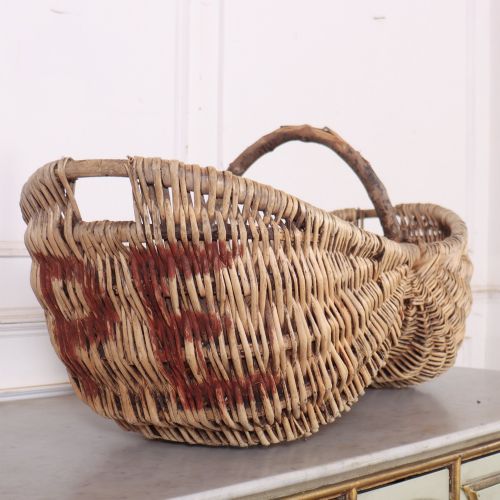
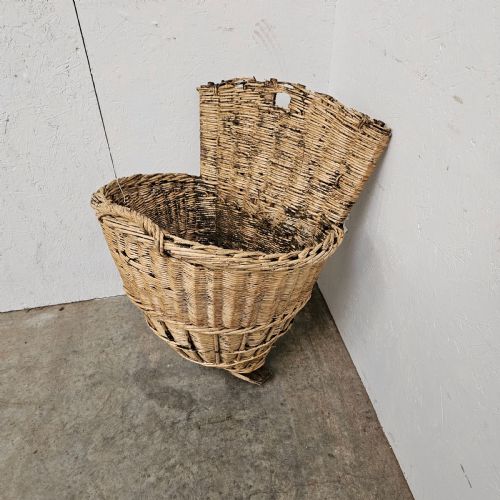
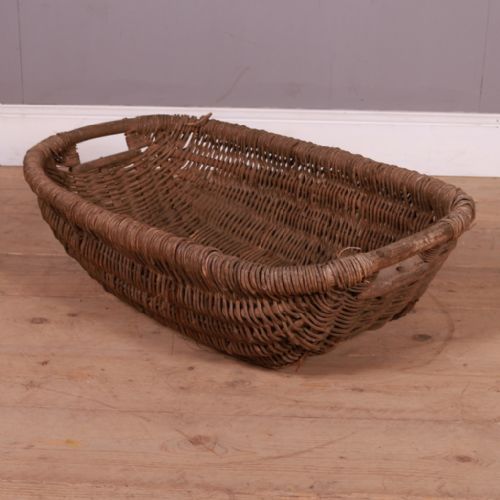
You are most likely to encounter traditional French picking baskets, hottes, and harvest troughs made from woven willow and wicker. These forms were designed specifically for carrying fruit during the harvest.
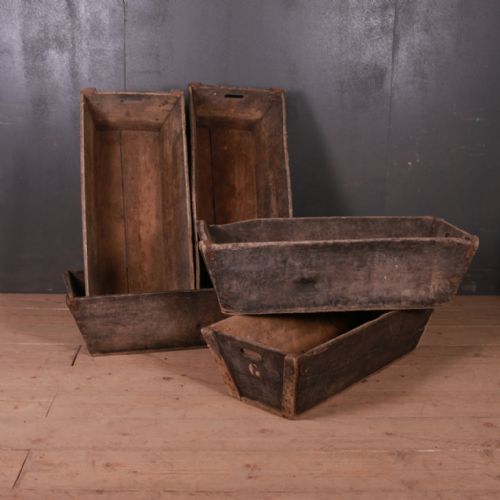
The selection also includes wooden bins and oil paintings on canvas depicting fruit and baskets, providing varied ways to bring the theme into an interior. Most items originate from French provincial contexts and reflect traditional craftsmanship.
How they were made
Makers utilised natural willow and wicker, bending and weaving the pliable branches to create sturdy, breathable containers for harvesting fruit. This construction method ensured the baskets remained lightweight yet durable enough for heavy agricultural labour in the fields.
Other examples employ wood, iron, zinc, and leather reinforcement to withstand the rigours of daily farm use. Paint is also seen on certain items, adding an extra layer of protection or decorative finish to the wooden and metal elements.
Vintage Grape Basket Retail Price Guide 2026
Typical asking prices for vintage grape basket among the pieces listed under this phrase on Sellingantiques today, from the lower quarter to the upper quarter. They describe what is for sale here now, not the wider market.
Materials recorded across the selection include willow, wicker, wood, iron, zinc, leather, and paint.
What varies in quality
Quality in these agricultural pieces rests upon the integrity of the weave and the preservation of the original materials. Items that retain their structural soundness without excessive loss to the wicker or willow stand higher in the range.
The presence of secondary materials like iron, zinc, or leather straps in good condition adds to the integrity of the piece. Furthermore, artistic works such as oil paintings on canvas vary according to the detail of the brushwork and composition.
T.Vincent
The Vintage Grape Basket Glossary
- Hotte
- A traditional carrying basket or hod worn on the back during the grape harvest. These tall, curved receptacles allowed workers to transport large quantities of fruit from the vines.
- Wicker
- A technique of weaving pliable plant materials into sturdy items such as baskets and bins. This method provides both flexibility and resilience.
- Harvest Trough
- A long wooden or metal container utilised for collecting and sorting produce during agricultural seasons. These sturdy vessels were built for heavy utility on the farm.
- Still Life
- A painting or drawing depicting inanimate subject matter, such as the fruit and baskets seen in mid twentieth century works. These studies focus on everyday objects arranged in an indoor setting.
Vintage Grape Basket: Frequently Asked Questions
What is a hotte?
A hotte is a traditional French backpack basket designed for harvesting grapes in the vineyard.
Workers carried these deep receptacles on their backs to transport fruit safely from the vines to the processing areas.
How were these baskets used?
These pieces served as practical agricultural tools for gathering, holding, and carrying grapes during the harvest season.
Their robust construction allowed them to handle heavy loads of fruit across uneven terrain.
How do I style a vintage grape basket at home?
You can use these baskets for storing blankets, magazines, or logs by the fireplace in a living room.
Their rustic texture also makes them suitable as standalone decorative items in hallways or kitchens.
How are different periods identified?
Earlier pieces from the eighteenth and nineteenth centuries typically feature hand-woven natural willow and traditional French provincial forms.
Later items from the twentieth century include alternative materials like zinc and iron, alongside related oil paintings.