



Vintage Grand Tour Art
Vintage grand tour art brings home the classical architecture, sunlit Italian harbours and bronze antiquities collected by travellers across centuries.
Vintage Grand Tour Art
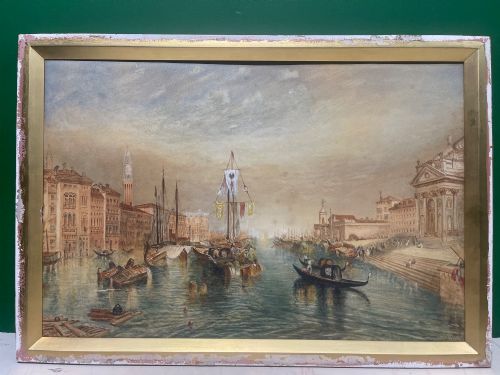
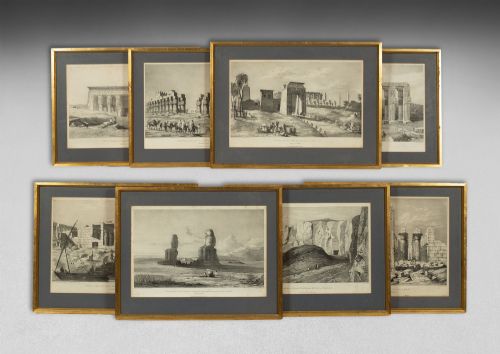
When searching for vintage grand tour art, collectors look at physical records of European travel, primarily from the eighteenth and nineteenth centuries. These pieces encompass framed watercolours of Roman ruins, oil paintings of Venetian canals, and detailed architectural prints.
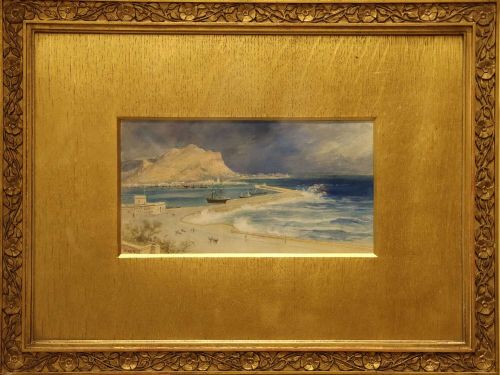
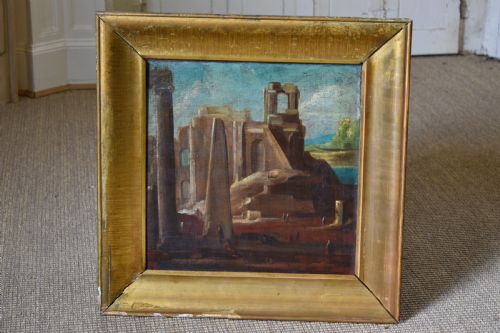
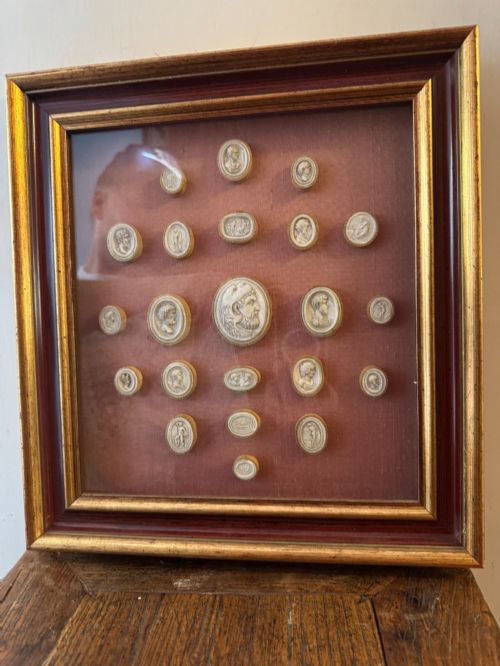
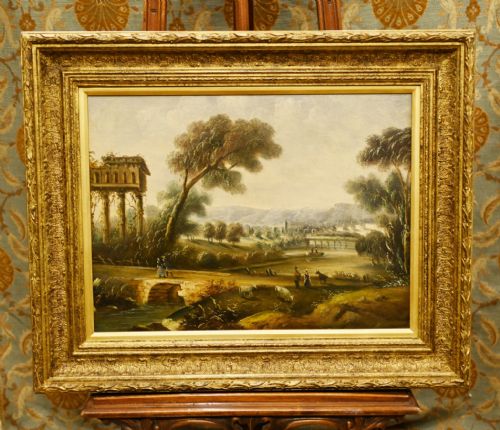
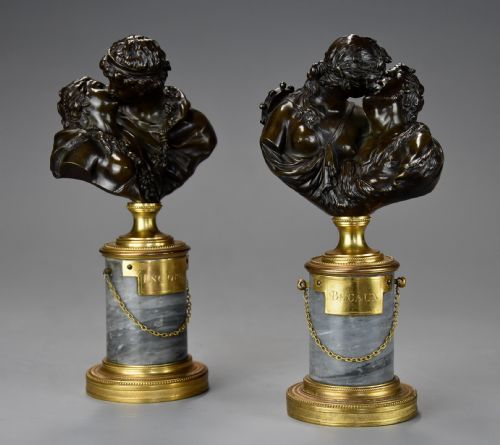
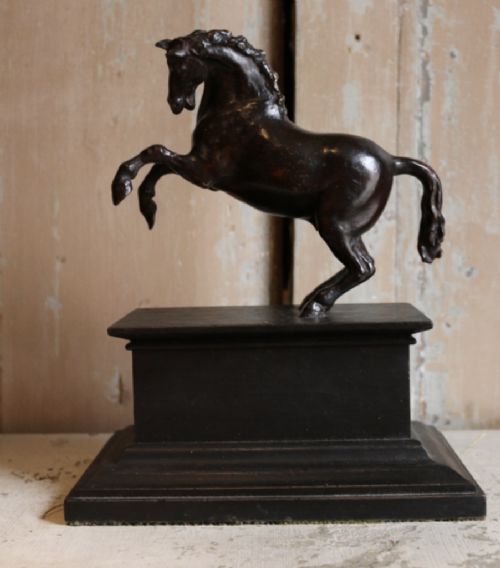
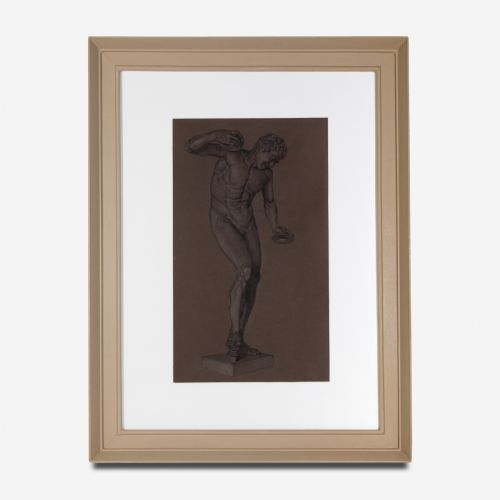
The objects on this page lean heavily towards Italian views and classical subjects, reflecting the traditional itinerary of the continental traveller. Buyers encounter framed watercolours, gouaches, oils on canvas, and gypsum intaglio cameo panels alongside bronze figures.
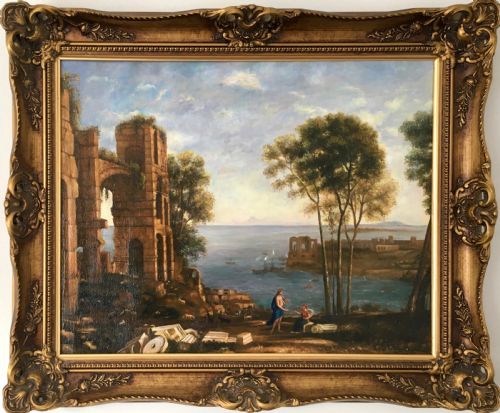
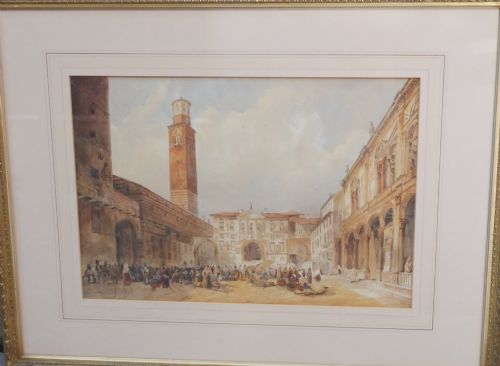
Many of these works capture specific landmarks such as the Colosseum, the Spanish Steps, and the canals of Venice. Others present idealised capriccio landscapes that blend real monuments with imaginary scenery.
Materials and production methods
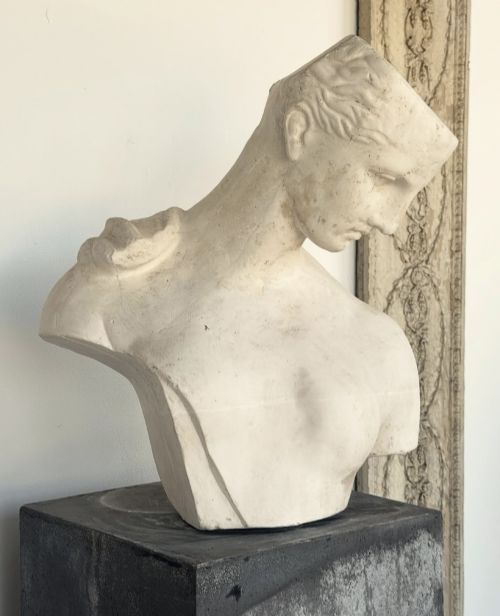
The physical objects utilise traditional media such as oil paint on canvas, delicate watercolours on paper, and ink for architectural etchings and engravings. Artisans also worked in three dimensions, casting bronze figures, shaping terracotta sculptures, and moulding plaster or gypsum.
Frames often employ gilt wood or simple timber surrounds to protect works on paper and canvas. Cast brass and bronze lamps, intaglio panels, and miniature bronze reductions demonstrate skilled metalworking and casting techniques derived from classical models.
Vintage Grand Tour Art Retail Price Guide 2026
Typical asking prices for vintage grand tour art among the pieces listed under this phrase on Sellingantiques today, from the lower quarter to the upper quarter. They describe what is for sale here now, not the wider market.
Listings feature works from the seventeenth century through to the twentieth century, spanning oils, watercolours, bronze sculptures, and architectural engravings.
Factors that distinguish quality
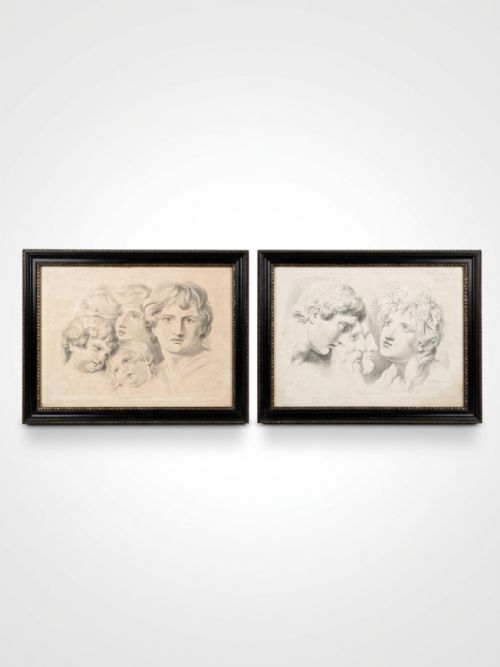
Quality in these pieces rests upon the precision of the hand, whether in the delicate brushwork of a watercolour harbour scene or the sharp definition of an architectural engraving. Finer items display meticulous attention to classical proportions and perspective.
The choice of medium and material also sets pieces apart, moving from mass-produced souvenir prints to signed original watercolours by recognised artists. Cast metal sculptures vary according to the crispness of the chasing and the fidelity of the reduction to the ancient original.
Augusto Alberici·Jean Antoine Houdon·Francesco Piranesi·Antoine Bouvard Senior·Alfred Pollentine·Giovanni Liberotti
The Vintage Grand Tour Art Glossary
- Capriccio
- An architectural painting or print combining classical ruins and other architectural elements in a fictional fantasy composition. Artists like Francesco Guardi used this style to evoke romantic Italian atmospheres.
- Intaglio
- A design engraved or incised into a material so that the impression sinks below the surface. Grand tour examples often feature sets of gypsum or glass cameos replicating classical gems.
- Reduction
- A smaller scale copy of a famous classical sculpture or monument. These bronze or plaster pieces allowed travellers to carry museum-scale art back to British homes.
- Neoclassical
- A style rooted in the art and culture of classical antiquity, which heavily influenced the subject matter of travel art. It values symmetry, order and heroic architectural motifs.
- Etching
- A printmaking technique where lines are bitten into a metal plate with acid before being inked and pressed onto paper. Architectural prints often utilised this method for fine detail.
Vintage Grand Tour Art: Frequently Asked Questions
What is vintage grand tour art?
These pieces are paintings, prints, sculptures and souvenirs collected by travellers journeying through Europe and Italy during past centuries. They document classical sites, harbours and ancient monuments.
Items range from delicate watercolour sketches of Roman ruins to bronze reductions of classical statues and large architectural engravings.
How were grand tour artworks used?
Travellers originally acquired these items as tangible evidence of their education and travels across the continent. They served as personal records of cultural exploration.
Back home, owners displayed framed watercolours, oils and architectural prints in studies and drawing rooms to signal their sophistication and classical interests.
How do I live with these pieces?
These artworks suit traditional interiors, libraries or studies where their historical subjects complement period furniture. Framing protects delicate watercolours and prints from direct sunlight.
Bronze figures and intaglio panels sit well on mantelpieces, desks or within dedicated cabinet displays alongside books and other travel mementos.
How can I tell periods apart?
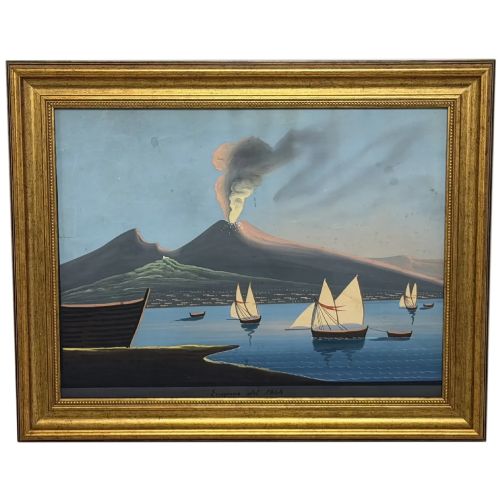
Eighteenth-century items often comprise detailed architectural engravings and etchings of classical ruins by printmakers like Piranesi. Nineteenth-century pieces frequently include watercolours of Italian harbours, gouaches of Naples, and bronze souvenir casts.
Twentieth-century examples tend towards later interpretations of classical scenes, plaster busts, and coastal oil paintings with brighter palettes.