

Vintage Gouache Painting
A vintage gouache painting brings opaque, velvety colour and striking matte finishes to paper, silk, and board.
Vintage Gouache Painting
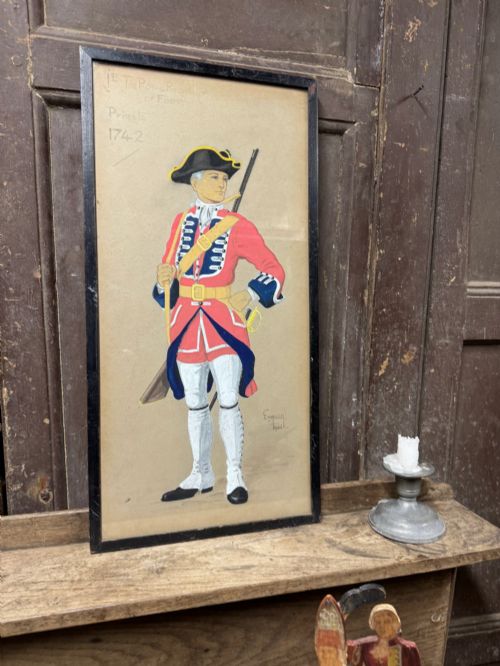
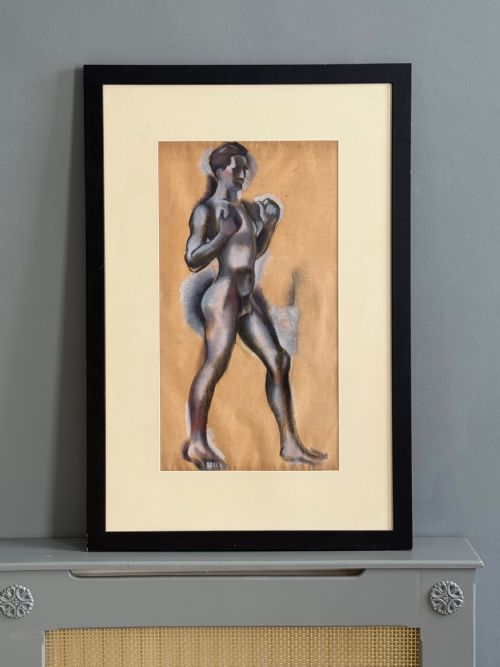
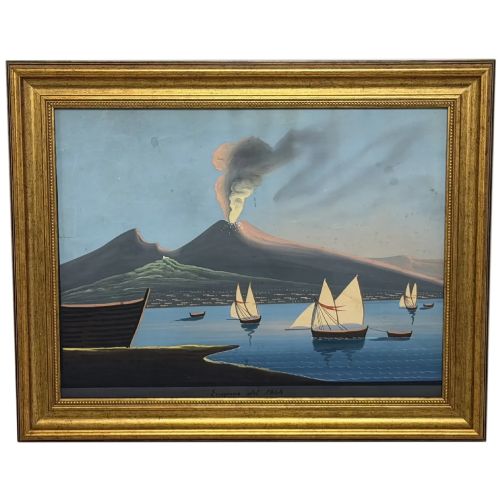
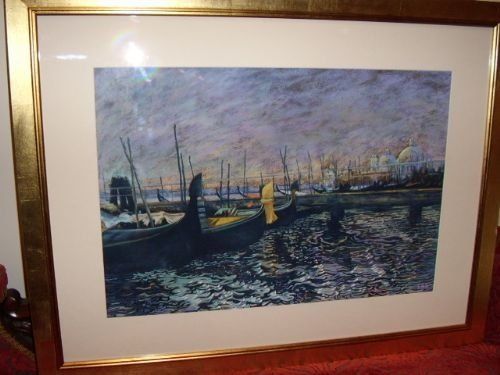
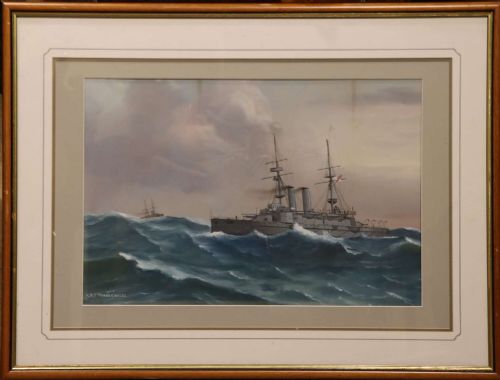
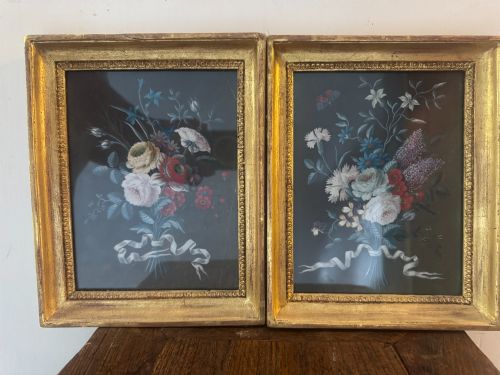
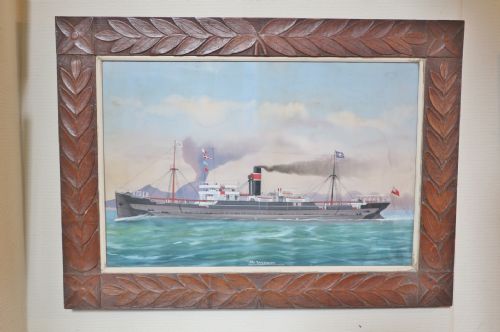
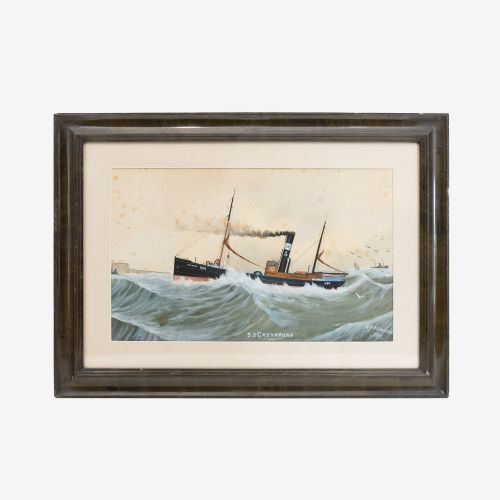
A vintage gouache painting comprises original opaque water-based works spanning the nineteenth century through the mid-twentieth century. Buyers encounter diverse subjects including maritime scenes, maritime portraits, floral still lifes, and dynamic mid-century illustrations.
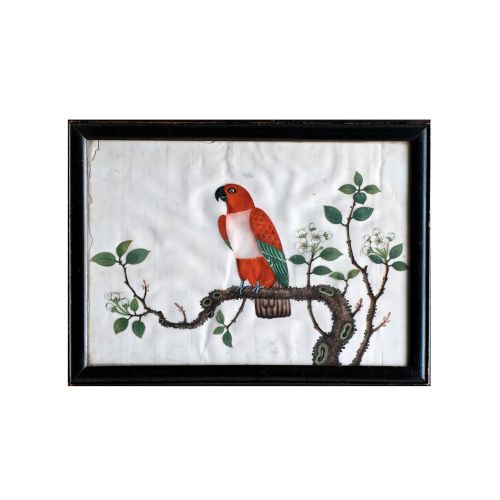
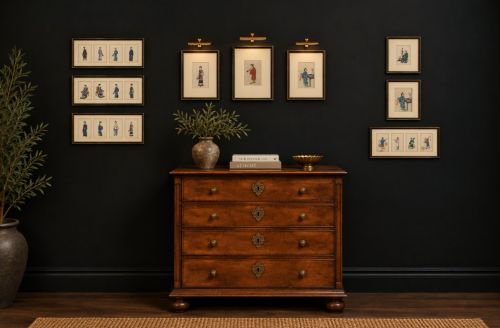
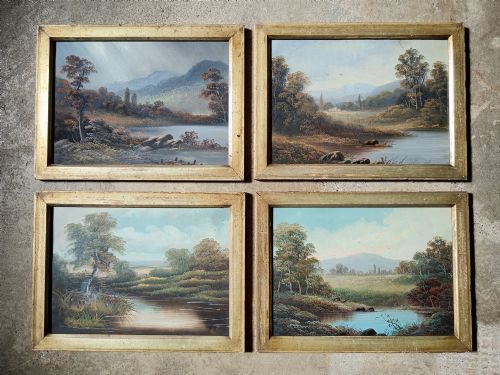
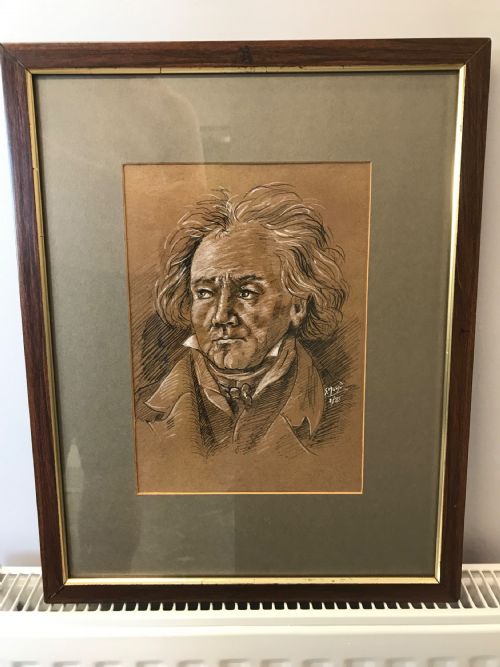
The selections on this page incorporate traditional European landscapes, Orientalist miniatures, and modernist compositions. These pieces frequently integrate watercolour, ink, and pastel upon paper or silk supports.
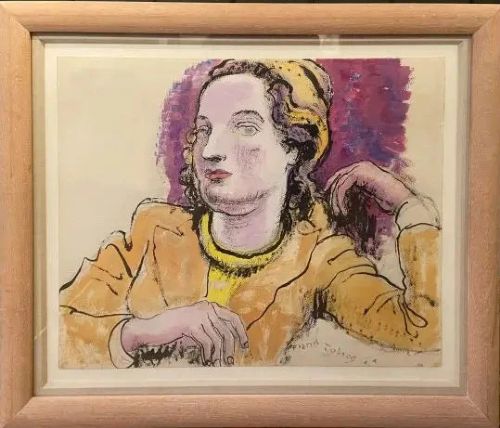
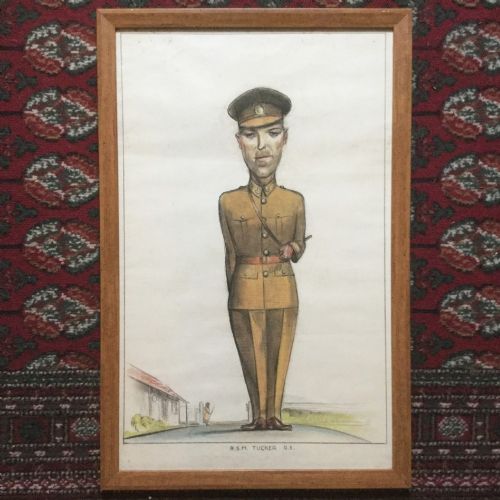
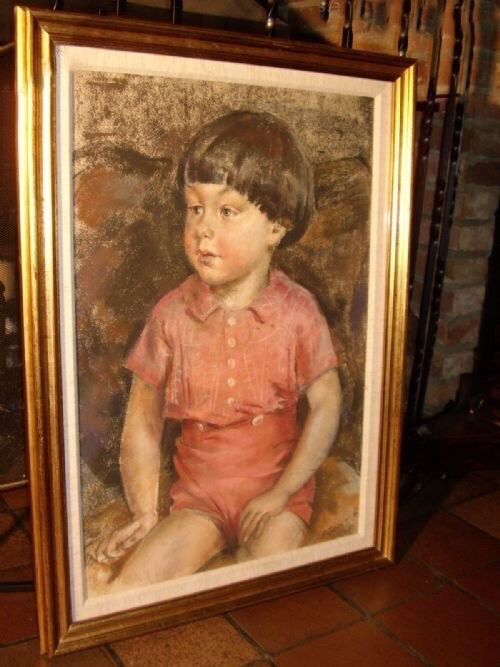
Examples range from early nineteenth-century topographical views to bold 1950s French poster designs and character studies. Each item offers a distinct window into the artistic conventions of its specific decade.
Materials and technique
Artists utilise heavy opaque water-based pigments composed of natural water-soluble colours mixed with a binding agent and white filler, such as chalk. This formulation creates a dense, non-reflecting surface that contrasts with translucent watercolour.
Supports vary from traditional woven paper and board to delicate silk, frequently paired with protective glass and timber framing. Many works incorporate preparatory pencil, ink, or wash layers beneath the final opaque paint application.
Vintage Gouache Painting Retail Price Guide 2026
Typical asking prices for vintage gouache painting among the pieces listed under this phrase on Sellingantiques today, from the lower quarter to the upper quarter. They describe what is for sale here now, not the wider market.
Listings feature works executed on paper, silk, and board across periods from the seventeenth century to the mid-twentieth century.
Assessing quality and preservation
Quality rests upon the certainty of the brushwork, the vibrancy of the remaining pigment, and the integrity of the original support. Superior examples maintain crisp opacity without flaking or chemical discolouration from acidic mounts.
The strength of the composition and the precision of the draughtsmanship distinguish masterworks from standard decorative pieces. Original framing and well-preserved provenance further elevate the standing of an individual artwork.
Frank Dobson·John Rattenbury Skeaping·Vincenzo D Esposito·Dame Laura Knight
The Vintage Gouache Painting Glossary
- Gouache
- An opaque water-based medium utilising ground pigments and a binding agent with added white filler to achieve a matte surface.
- Pith painting
- Works created on the spongy cellular pith of the Tetrapanax papyrifer plant, common in nineteenth-century Chinese export art.
- Wash
- A thin, fluid layer of transparent watercolour or diluted ink applied across paper to establish tonal depth or background atmosphere.
- Surrealist
- An artistic style originating in the twentieth century that juxtaposes unexpected elements to represent the subconscious mind.
- Maritime
- Depictions of ships, naval vessels, and coastal scenes executed with technical precision regarding rigging and nautical architecture.
Vintage Gouache Painting: Frequently Asked Questions
How do I care for a vintage gouache painting?
Keep the artwork away from direct sunlight to prevent the opaque pigments from fading over time. Ensure it remains behind protective glass in a stable environment with minimal humidity fluctuations.
Avoid hanging pieces in damp spaces or areas prone to temperature extremes. Professional framing using acid-free materials safeguards the paper and pigment integrity for decades.
Can gouache be painted on silk?
Artists occasionally applied opaque water-based paints directly onto fine silk supports, particularly within nineteenth-century Asian export traditions. The fabric absorbs the bound pigments differently than paper, creating a distinct luminous texture.
These delicate silk works require careful conservation and specialised mounting. They offer an alternative surface texture compared to standard heavy watercolour paper.
What is the difference between watercolour and gouache?
Watercolour is formulated to be transparent, allowing the white of the paper to shine through underlying washes of colour. Gouache includes an added white filler, such as chalk, which renders the paint completely opaque and matte.
Artists frequently combined both mediums within a single composition to balance translucent depth with solid, vibrant highlights. This hybrid approach appears across numerous nineteenth and twentieth-century works.
How do I identify a mid-century painting?
Mid-century pieces typically display bold stylisation, vibrant palettes, and subjects ranging from jazz musicians to modernist poster designs. The brushwork often prioritises expressive energy over strict academic representation.
Examining the framing style, paper type, and artist signature helps confirm the production era. These works reflect the stylistic shifts following the Second World War.