



Vintage Gothic Wooden Seating
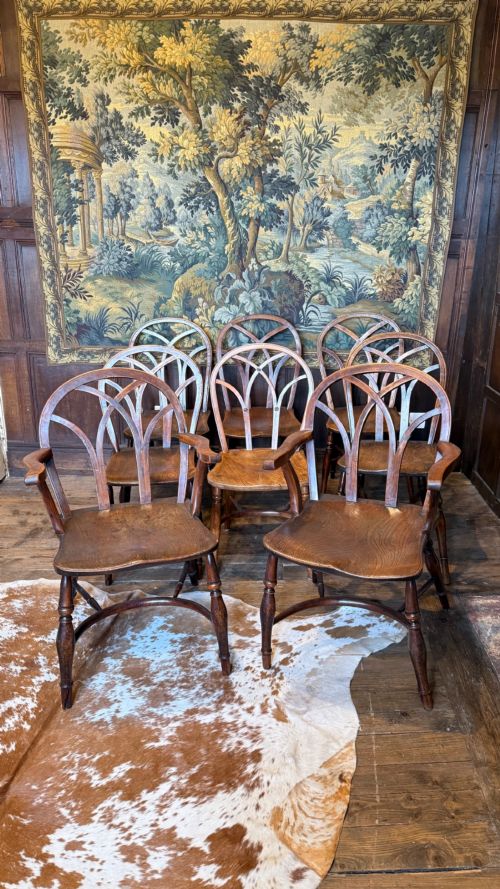
Vintage gothic wooden seating brings heavy ecclesiastical character and deep architectural timber into a room.
Vintage Gothic Wooden Seating
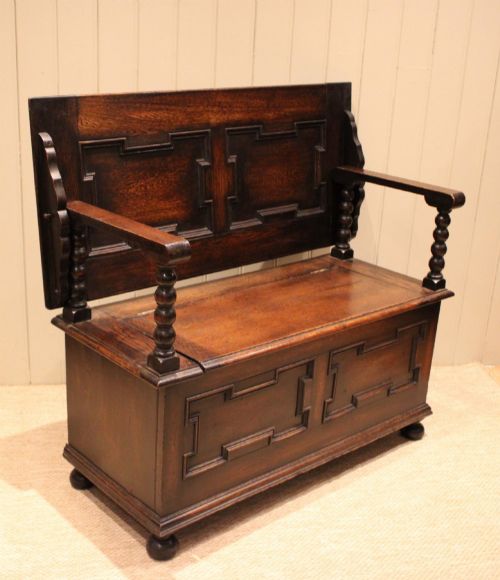
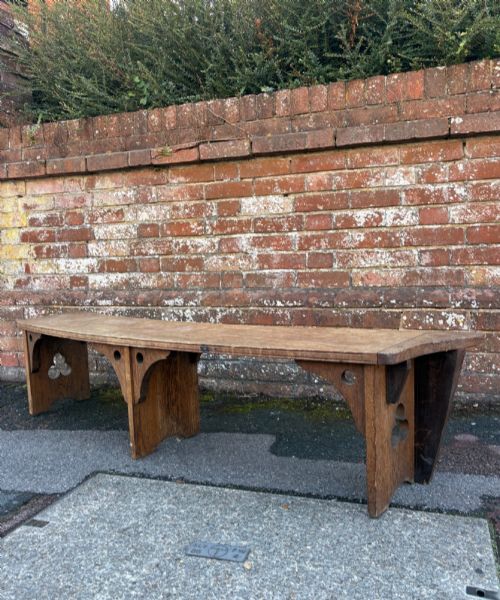
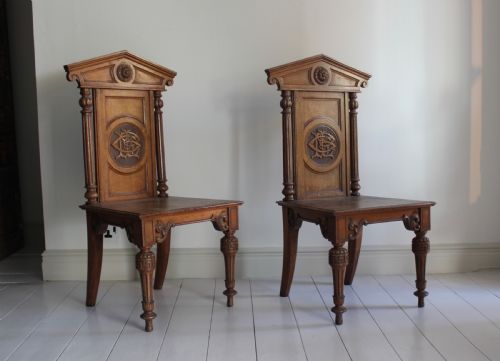
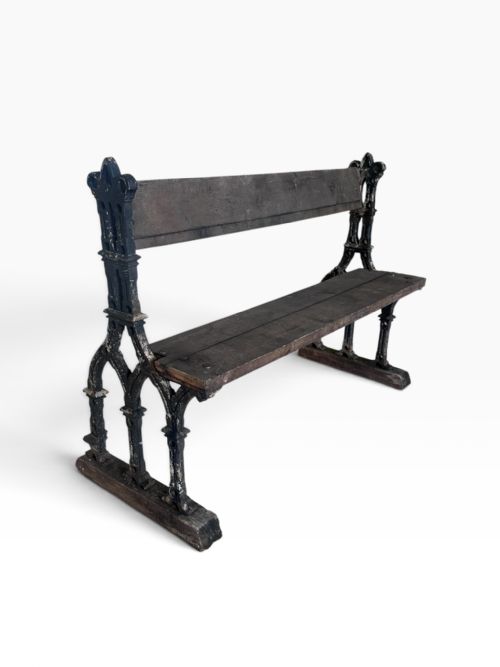
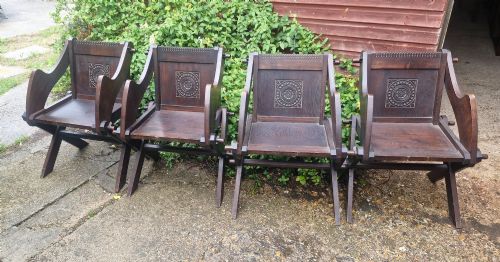
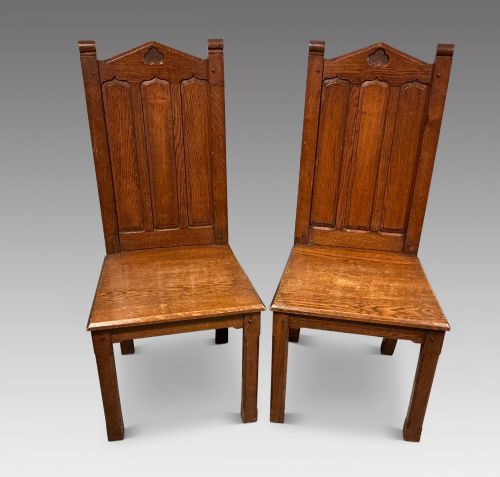
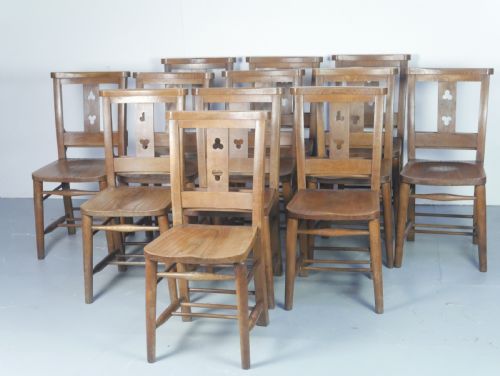
When you search for vintage gothic wooden seating, you encounter substantial church pews, heavy oak armchairs, and carved hall seats originating from the nineteenth and early twentieth centuries. These pieces display distinct ecclesiastical forms, including trefoil carvings and high panelled backs rooted in gothic revival and arts and crafts traditions.
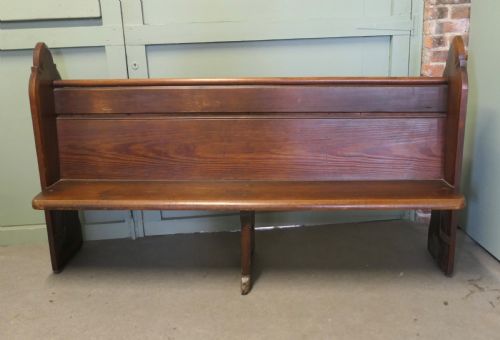
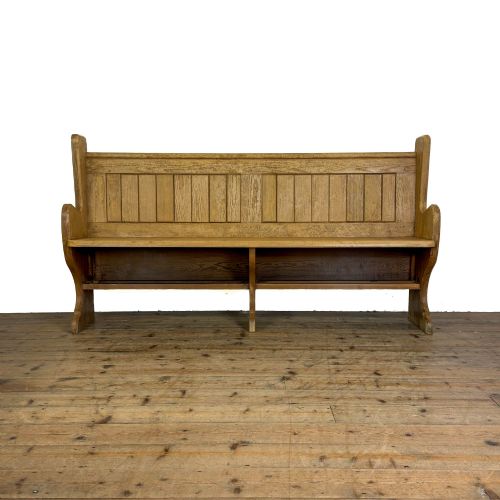
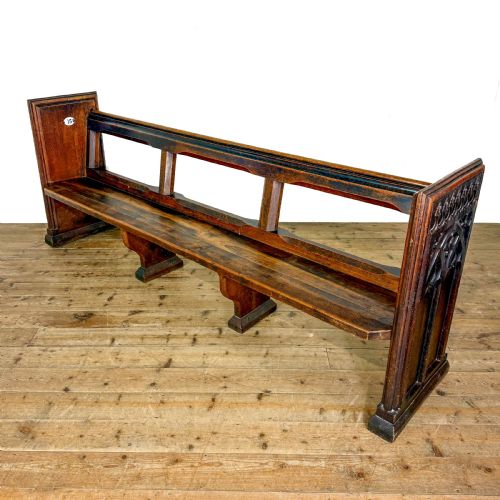
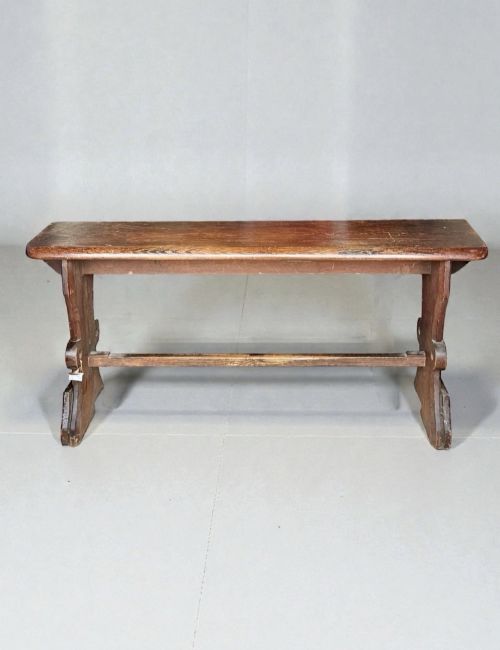
The most common examples on this page are oak church pews, pitch pine benches, and carved oak hall chairs built during the victorian era. Makers drew direct inspiration from medieval architecture, constructing robust seating intended for chapels, cathedrals, and large domestic halls.
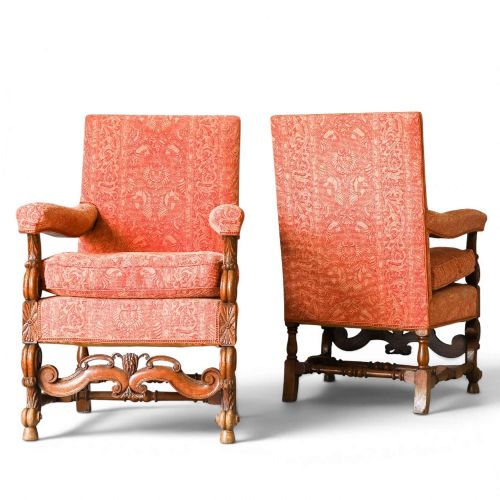
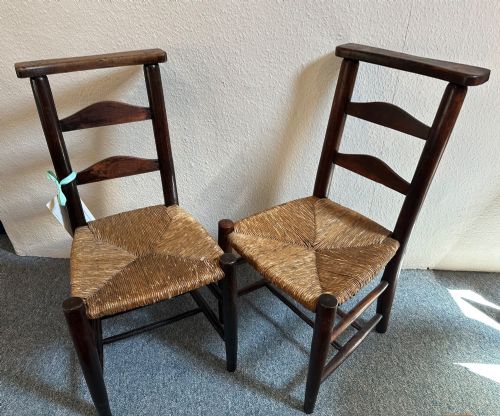
Beyond benches and pews, the selection includes specialised forms such as prayer chairs upholstered in velvet, spinning chairs, and oak throne chairs with leather panel detailing. These items reflect a diverse nineteenth and early twentieth century interest in historical revivals, blending domestic utility with monastic severity.
Materials and construction
Carpenters relied predominantly on solid oak, pitch pine, and walnut to build these robust seats, frequently employing heavy timber to withstand institutional use. Joinery was built to last, utilising thick panels, exposed pegs, and sturdy framing to support intricate surface carving.
Decorative detailing on these pieces involves hand-carved motifs like trefoils, tracery, and linenfold panels, sometimes accented with ebonised wood, brass, or leather inserts. Upholstered variants incorporate fabrics such as green velvet, pinned securely to wooden frames.
Vintage Gothic Wooden Seating Retail Price Guide 2026
Typical asking prices for vintage gothic wooden seating among the pieces listed under this phrase on Sellingantiques today, from the lower quarter to the upper quarter. They describe what is for sale here now, not the wider market.
Listings feature oak, pine, and walnut seating spanning the nineteenth century through the 1920s.
Judging the work
Quality in these pieces rests upon the crispness of the timber carving and the architectural ambition of the design, distinguishing standard institutional furniture from bespoke pieces made for specific commissions. Finer items exhibit deep, well-defined relief work on the crestings and arm supports rather than repetitive machine stamping.
The integrity of the original timber and the weight of the frame dictate the structural tier of each piece, with dense English or French oak commanding greater presence than lighter pine variants. The presence of documented provenance, such as church markings or specific stylistic attribution, elevates the historical weight of the seating.
The Vintage Gothic Wooden Seating Glossary
- Trefoil
- A three-lobed ornamentation resembling a clover leaf, commonly pierced through wooden backs and supports in gothic revival design. This motif draws directly from medieval stone window tracery.
- Pew
- A long wooden bench designed for communal seating in churches and chapels. These heavy timber seats frequently feature enclosed ends and book rests.
- Ebonised
- Wood treated with a chemical stain or finish to simulate expensive ebony. This dark, light-absorbing surface was favoured in nineteenth-century design for dramatic contrast.
- Prie Dieu
- A devotional chair featuring a low seat and a high, flat top rail designed for kneeling and prayer. They often incorporate upholstered arm rests and velvet panels.
Vintage Gothic Wooden Seating: Frequently Asked Questions
Where were church pews originally placed?
Church pews stood primarily within nineteenth-century chapels, parish churches, and cathedrals to accommodate congregations during lengthy services. Many were custom-built to fit specific ecclesiastical interiors and spatial layouts.
Over time, surplus pews found their way out of sacred spaces and into domestic hallways, dining rooms, and large reception spaces where their architectural presence suited country house aesthetics.
How do I care for antique oak seating?
Antique oak seating requires minimal intervention, benefiting most from regular dusting with a dry, soft cloth to prevent grit accumulation in the deep carvings. Avoid placing heavy wooden furniture near direct heat sources or in fluctuating humidity to protect the timber from splitting.
Occasional application of natural beeswax helps nourish dry wood and maintains a soft, protective sheen across the carved surfaces without sealing the pores.
What defines the gothic revival style?
The gothic revival style draws heavily from medieval architecture, incorporating pointed arches, heavy buttresses, and intricate geometric tracery into furniture and buildings. Makers translated stone masonry techniques into solid oak and pine woodwork.
This aesthetic experienced a major resurgence during the nineteenth century, driven by designers who sought to counter industrial uniformity with handcrafted medieval forms.
Can large pews fit in modern homes?
Large pews and benches serve effectively in modern dining spaces when paired with a refectory table, or placed along a wide hallway as a striking entryway seat. Their narrow footprint allows them to sit flush against living room or kitchen walls.
Shorter chapel pews and individual hall chairs offer similar architectural impact for spaces that cannot accommodate full-length institutional seating.