


Vintage Gothic Cabinet
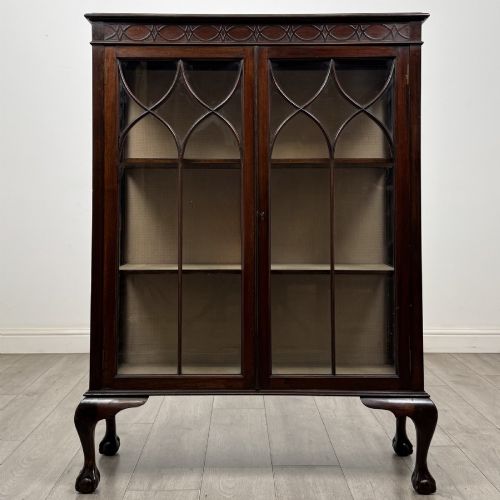
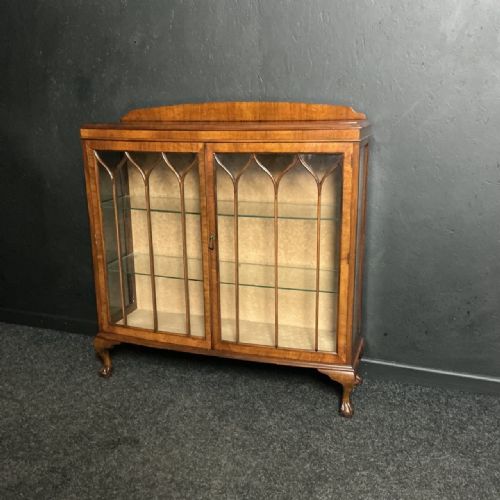
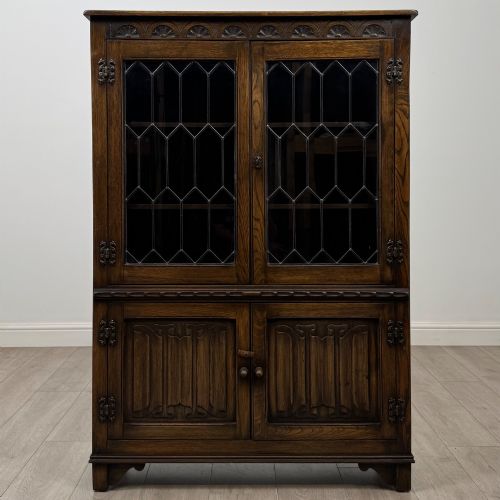
A vintage gothic cabinet brings architectural presence to a room, offering dark timber, leaded glass and pointed arches.
Vintage Gothic Cabinet
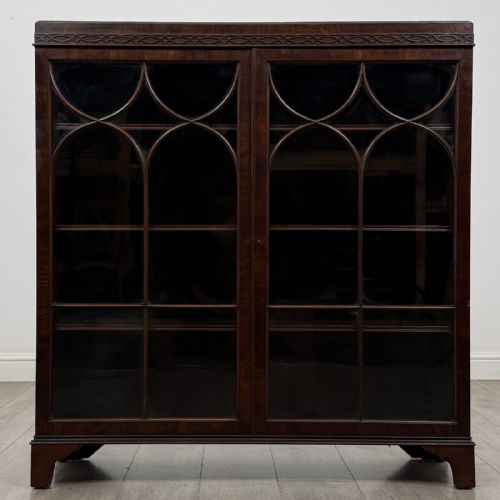
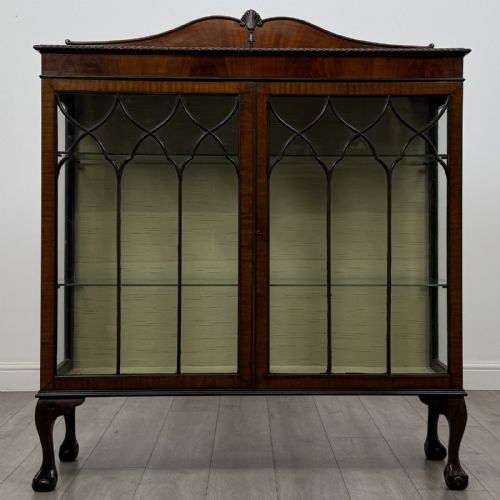
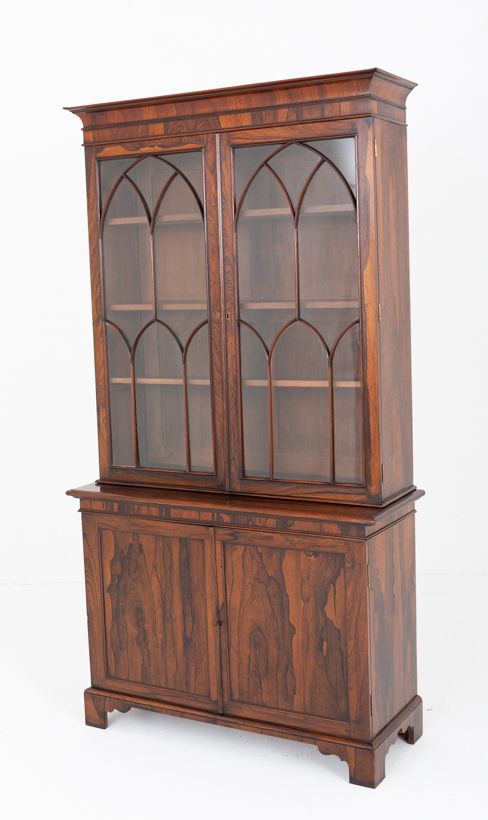
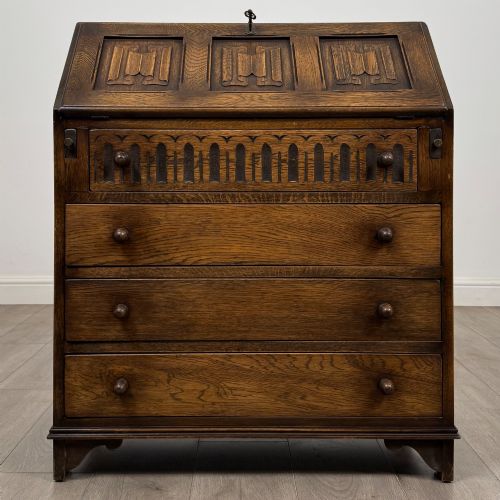
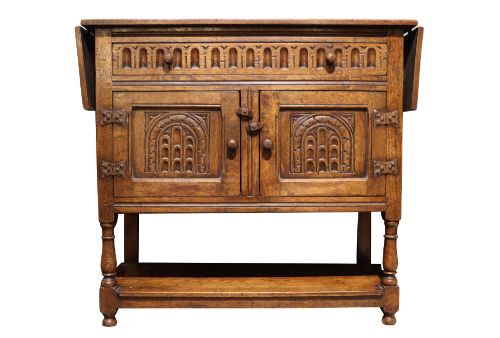
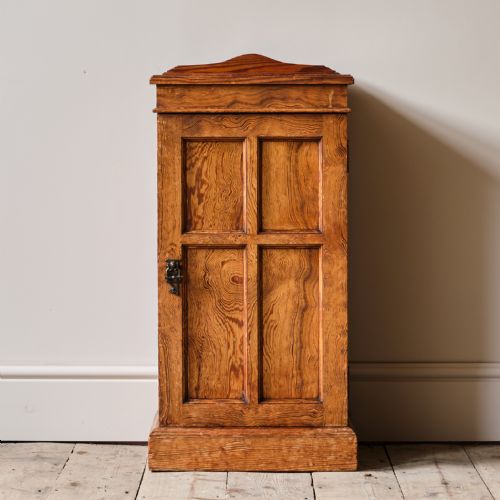
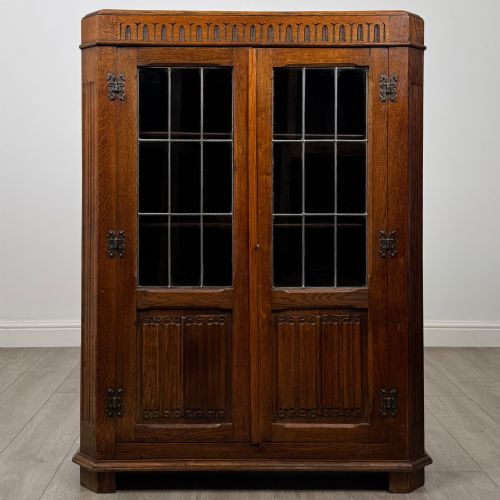
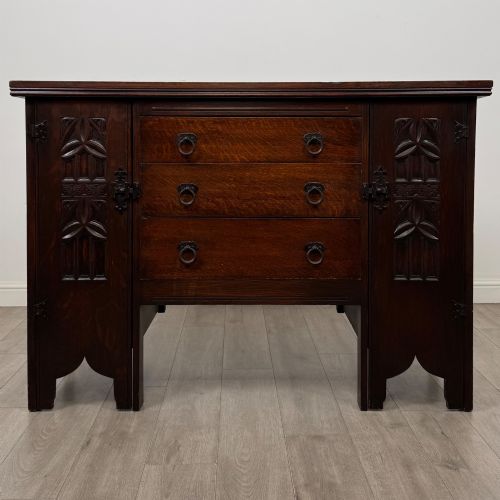
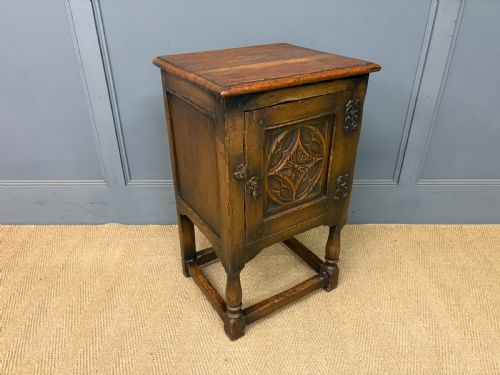
A vintage gothic cabinet encompasses storage forms influenced by medieval architecture and revival movements, spanning the nineteenth and early twentieth centuries. When searching for a vintage gothic cabinet, buyers encounter sideboards, display cabinets, bookcases and smaller cupboards built to evoke ecclesiastical design. The pieces on this page draw from Victorian, Edwardian and revival periods, often displaying the heavy proportions and pointed details characteristic of the style.
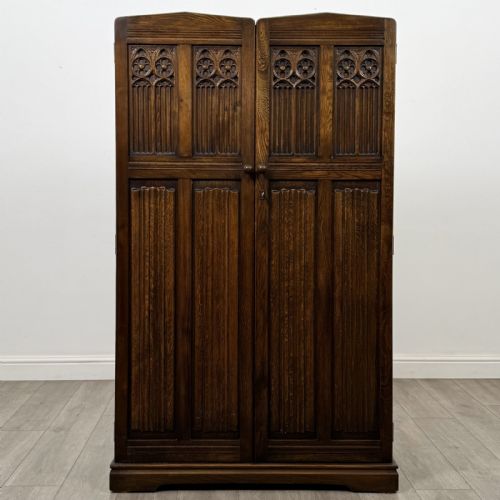
Most examples rely on oak, walnut and pine, shaped into bookcases or display cabinets with glazed doors. Carved panels featuring linenfold motifs, tracery and geometric patterns define the surface decoration of these items. Makers of the period adapted gothic verticality for domestic interiors, producing functional storage with striking visual weight.
Materials and construction
Construction relies heavily on solid oak and mahogany, joined with traditional framing and panel techniques to support heavy timber doors. Workshops utilised quarter-sawn oak to produce durable surfaces that accepted deep relief carving.
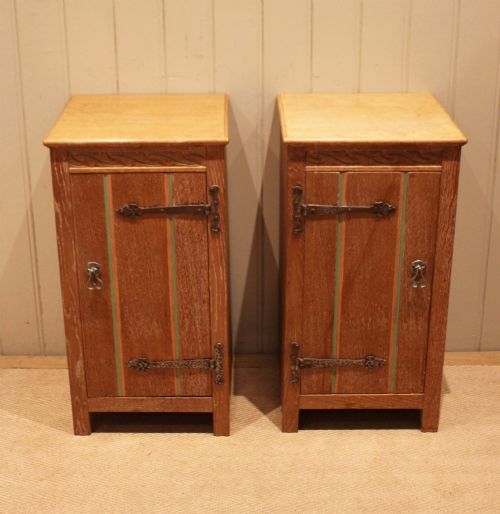
Glazing takes the form of leaded or plain glass set into timber lattice work, while hardware consists of brass hinges and handles or wrought iron fittings. Paint and polish finishes were applied to protect the wood and accentuate the grain of the timber.
Vintage Gothic Cabinet Retail Price Guide 2026
Typical asking prices for vintage gothic cabinet among the pieces listed under this phrase on Sellingantiques today, from the lower quarter to the upper quarter. They describe what is for sale here now, not the wider market.
Listings feature oak, mahogany, walnut, and pine across the nineteenth and early twentieth centuries, spanning Victorian, Edwardian, and Arts and Crafts styles.
Assessing quality
Quality rests in the crispness of the timber carving and the architectural accuracy of the gothic elements, such as tracery, pointed arches and linenfold panels. Superior pieces feature hand-carved details integrated into the structural frame rather than applied mouldings.
The choice of timber and the integrity of the joinery distinguish finer examples, particularly where joints remain tight and doors hang true without sagging. Original hardware, leaded glass panes and fitted interiors further elevate a piece above standard domestic production.
U Phone of Leeds
The Vintage Gothic Cabinet Glossary
- Linenfold
- A carved wooden panel motif resembling folded cloth, frequently seen on Tudor and gothic revival cabinetry. This technique creates a textured surface that catches the light.
- Tracery
- Openwork stonework patterns translated into woodwork, forming decorative intersecting lines in cabinet glazing and panels. It defines the ecclesiastical aesthetic of gothic furniture.
- Secretaire
- A desk disguised as a chest of drawers or bookcase, featuring a drop-down writing flap. Inside, small drawers and pigeonholes provide fitted storage for correspondence.
- Breakfront
- A cabinet design where the central section projects forward from the flanking units. This configuration adds depth and visual interest to large bookcases and sideboards.
- Treen
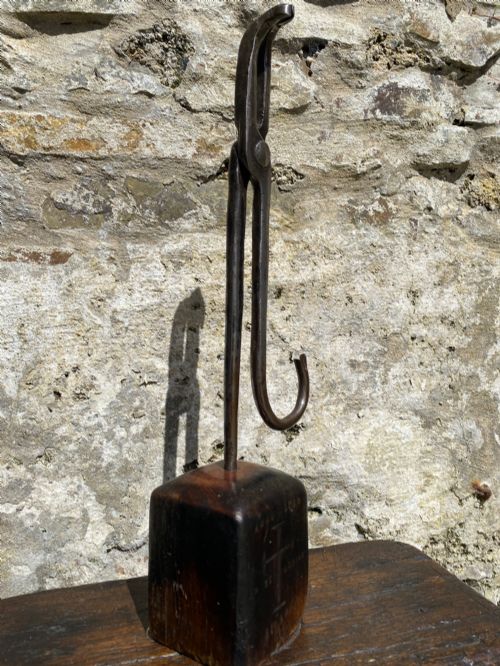
- Small handmade wooden domestic objects and small wares. These items demonstrate historical woodworking skills on a miniature scale.
Vintage Gothic Cabinet: Frequently Asked Questions
What rooms suit a gothic cabinet?
These cabinets work well in studies, dining rooms or living spaces where darker timbers and architectural woodwork provide a strong focal point.
Their substantial presence complements period properties and adds character to contemporary interiors when balanced with simpler furniture.
How are gothic and revival pieces dated?
Dating relies on timber selection, construction methods, and stylistic cues that point to nineteenth or early twentieth century revival movements.
Hardware styles, joint types and secondary woods offer further clues to distinguish original historical pieces from later revival work.
Can these cabinets hold books and display items?
Many examples feature glazed doors or open shelving designed specifically for books, ceramics and curiosities.
Adjustable shelves appear in several bookcase formats, allowing storage for volumes of varying heights.
How do I maintain the wood finish?
Regular dusting with a dry cloth and occasional application of appropriate beeswax keeps timber nourished and protects the surface.
Positioning pieces away from direct heat sources and strong sunlight prevents the wood from drying out or splitting.