

Vintage Gold Pocketwatch
A vintage gold pocketwatch carries the heavy click of past hours in a polished case, offering a tangible link to a slower rhythm.
Vintage Gold Pocketwatch
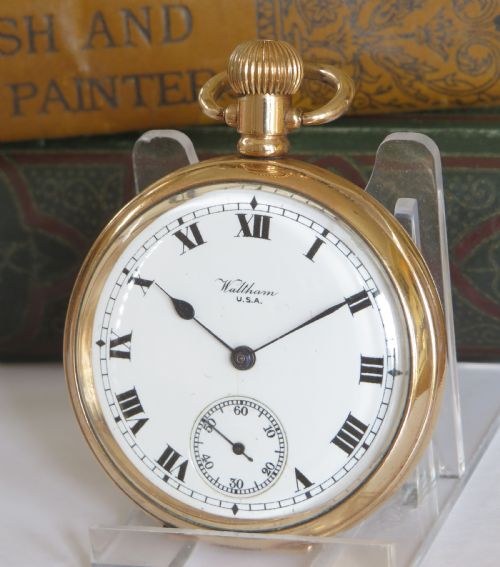
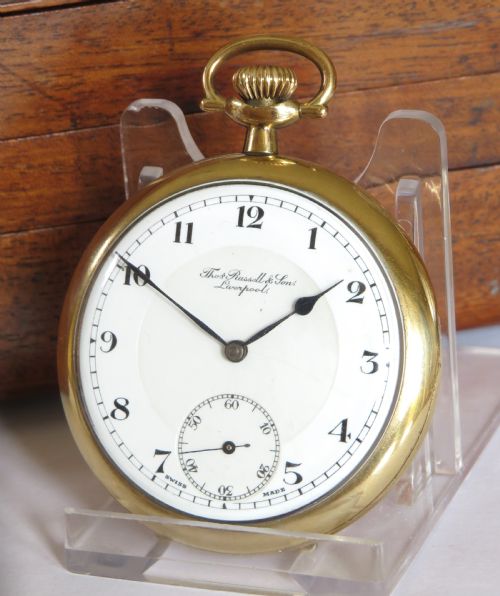
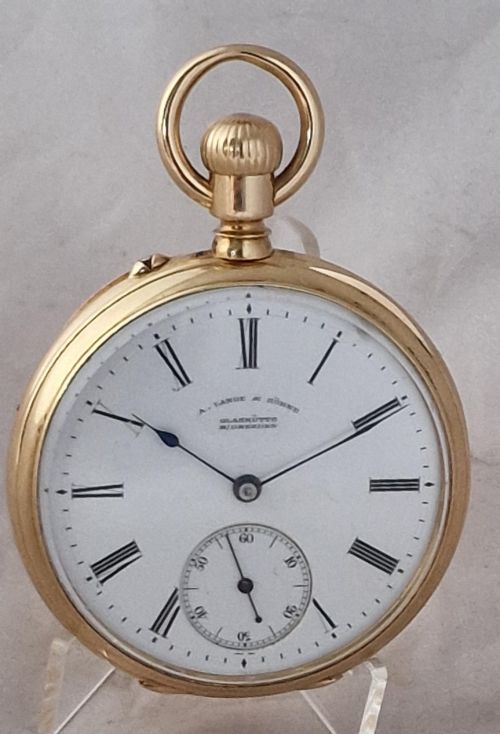
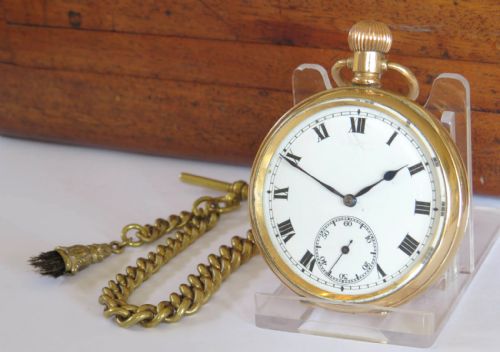
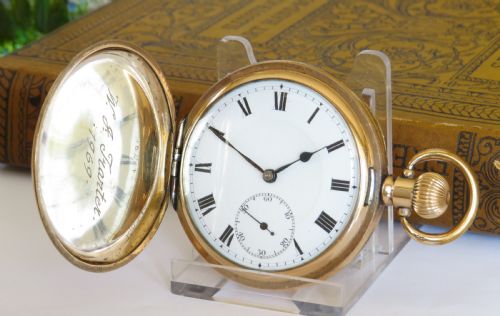
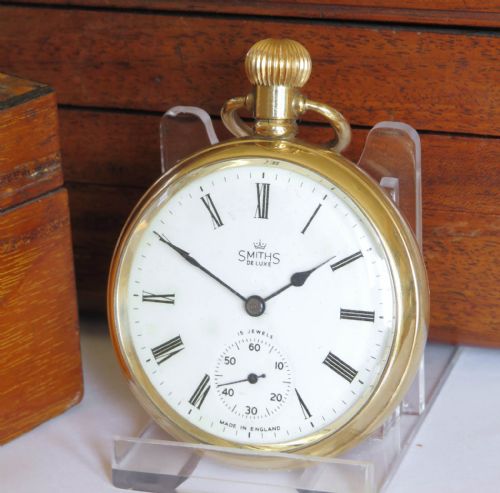
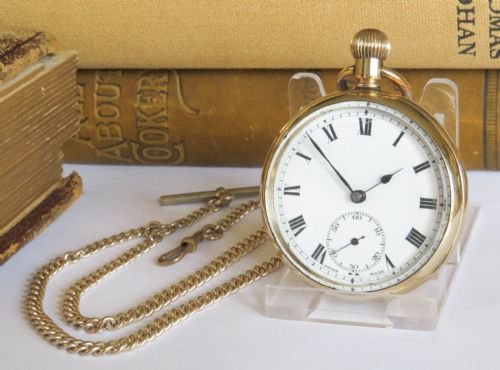
A vintage gold pocketwatch is a mechanical timepiece designed for personal portability, often accompanied by matching chains or fob accessories. When searching for a vintage gold pocketwatch, buyers encounter pieces spanning from the late nineteenth century through to the mid-twentieth century. The selection ranges from open-faced designs to full hunter variants, with various gold tones and purities shaping the visual character.
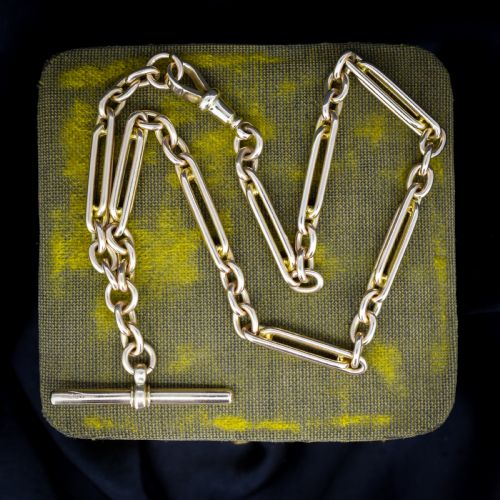
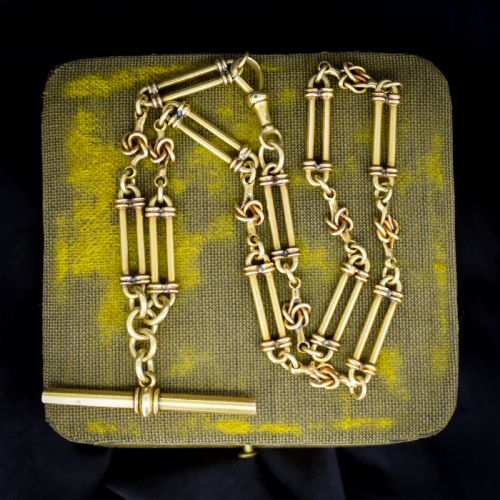
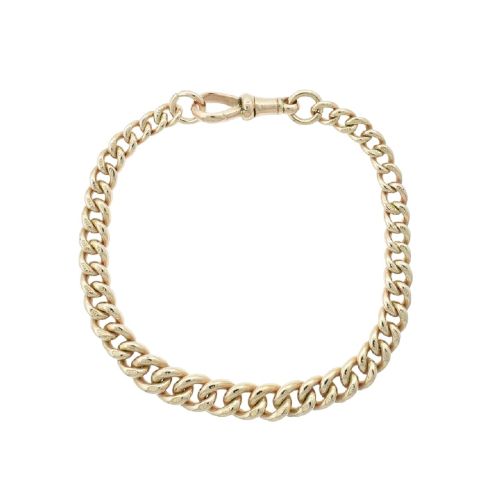
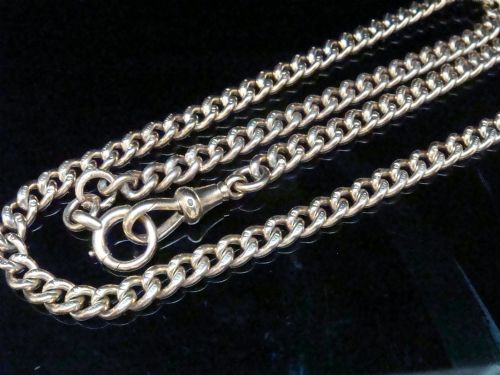
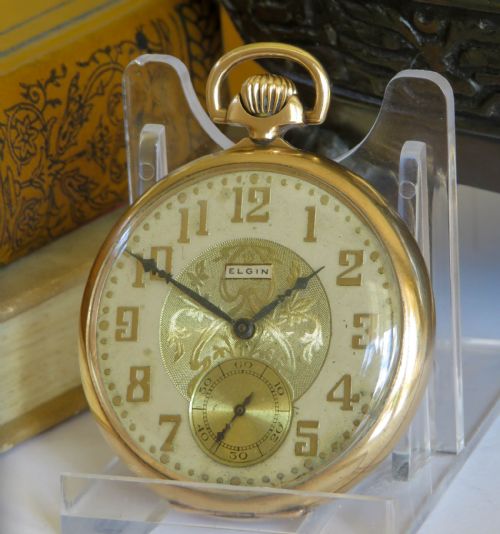
The assortment includes examples originating from different eras such as the Edwardian period and the Art Deco years. Alongside timepieces, the listings feature related items like Albert chain necklaces and bracelets formed in yellow and rose gold. British, Swiss, and American makers appear across the various decades represented.
Materials and construction
Cases utilise solid gold, such as eighteen carat and ten carat yellow gold, alongside gold plate over base metals. Internal movements combine steel components with brass plates and glass crystals protecting the dial faces.
Many dials feature applied enamel markings for the numerals, while watch chains employ complex link patterns like trombone and love knot configurations. Hallmarks stamped onto individual links and inner cases denote metal purity and origin.
Listings span from the 1880s through the 1950s, featuring materials from standard brass and glass to ten, seventeen, and eighteen carat gold.
Distinctions in craftsmanship
The standard of a vintage gold pocketwatch depends upon the reputation of the maker and the complexity of the movement within. Pieces by established houses command attention through precise mechanical execution and robust case construction.
Material weight and the completeness of accompanying chains or original cases further differentiate the items. Fully hallmarked components and clear evidence of period manufacture elevate the standing of a piece.
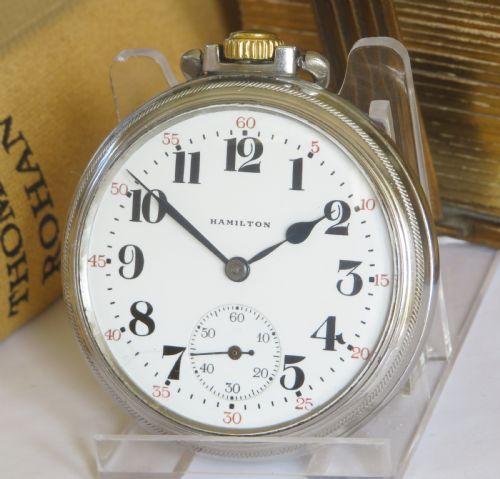
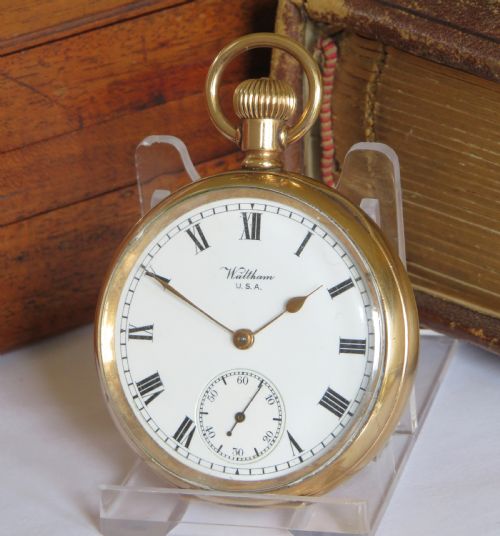
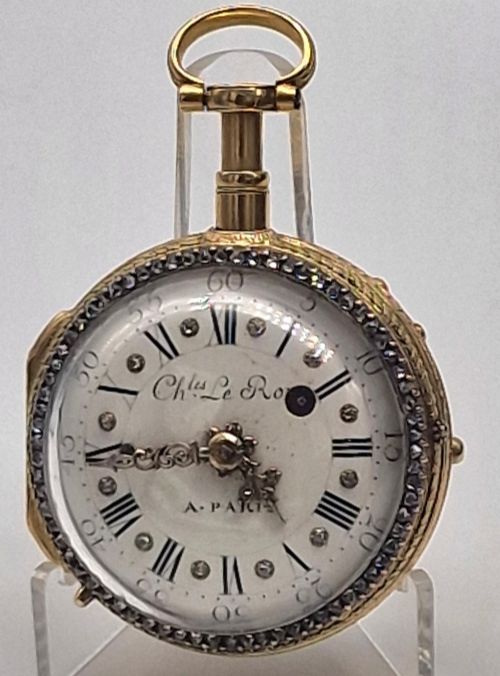
Waltham·Thomas Russell and Son·Lange and Sohne·Urania·Smiths De Luxe·Hamilton·Consul·Charles Le Roy
The Vintage Gold Pocketwatch Glossary
- Open faced
- A pocket watch design that lacks a metal protective cover over the glass crystal, allowing immediate viewing of the dial. This style was widely utilised for quick time checks during the twentieth century.
- Full hunter
- A pocket watch featuring a spring-loaded metal cover that encloses and protects the glass dial. Pressing the crown opens the case to reveal the face.
- Albert chain
- A decorative watch chain designed to secure a pocket watch to a waistcoat or garment buttonhole. These chains often feature graduated links and ornamental swivels.
- Trombone link
- A specific geometric watch chain link shape resembling the brass instrument. It provides a sturdy and distinctive pattern found on period neck chains.
- Quarter repeating
- A complication in mechanical watches that chimes the hours and the quarter hours when activated by a slide or pusher. This mechanism demonstrates high technical skill by the maker.
Vintage Gold Pocketwatch: Frequently Asked Questions
How do I wind a mechanical pocket watch?
Gently rotate the crown at the top of the watch clockwise until you feel slight resistance. Stop immediately to avoid over-winding and damaging the internal mainspring.
Set the time by pulling the crown outward or depressing a small pin lever, depending on the specific movement design. Return the crown to its flush position once the correct hour is established.
What is the difference between open faced and hunter watches?
An open faced watch exposes the glass dial directly to the user for immediate time reading. This configuration offers convenience but leaves the crystal vulnerable to scratches.
A full hunter incorporates a hinged metal lid that shields the dial from dust and impacts. Opening the cover requires operating the crown mechanism before the hands can be viewed.
Can I wear a pocket watch chain as a necklace?
Albert chains and graduated gold chains originally secured pocket watches to waistcoats. Many buyers repurpose these substantial lengths to wear them around the neck as statement necklaces.
The secure clasps and substantial links make them suitable for standalone wear while retaining their historical character.
How can I tell the period of a pocket watch?
Inner case inscriptions, serial numbers, and hallmarks provide direct evidence for dating a timepiece. Consulting manufacturer archives with these specific numbers reveals the production year.
Stylistic cues such as Art Deco numerals or Edwardian engraving styles further assist in narrowing down the decade of manufacture.