
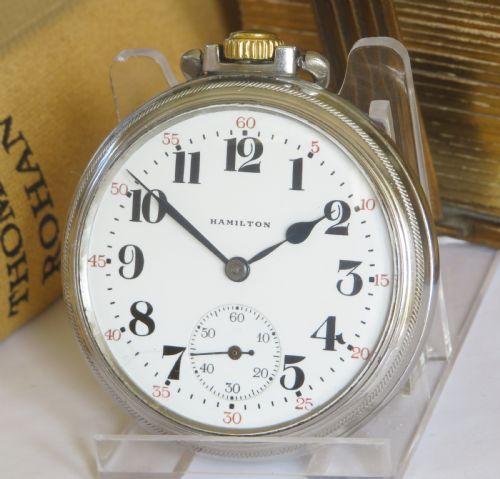
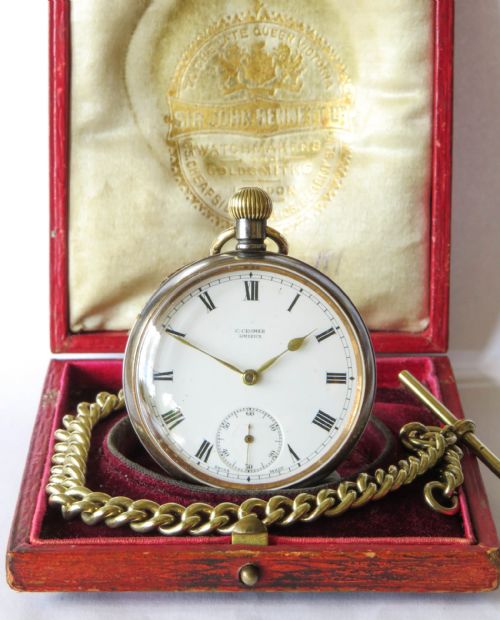
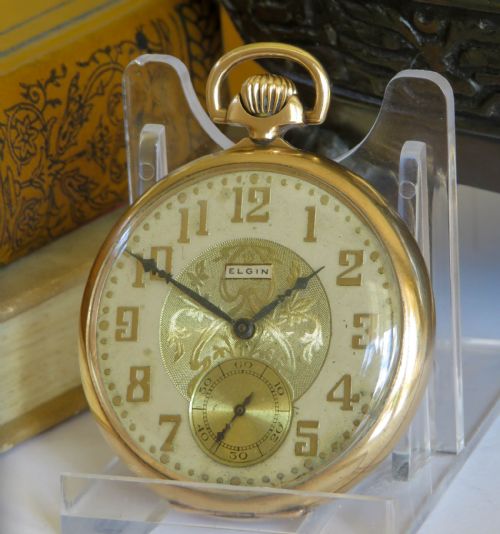


Sub Dial Pocketwatch
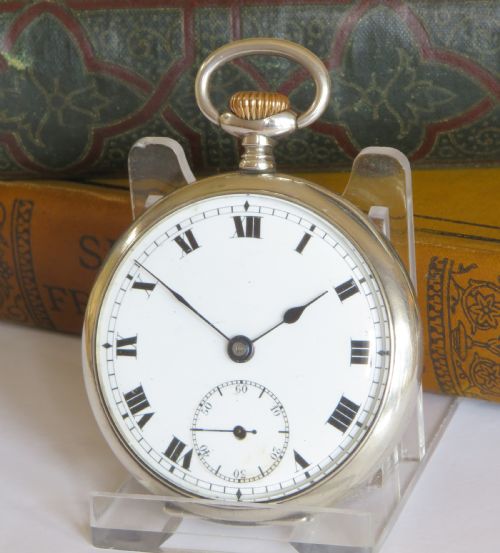
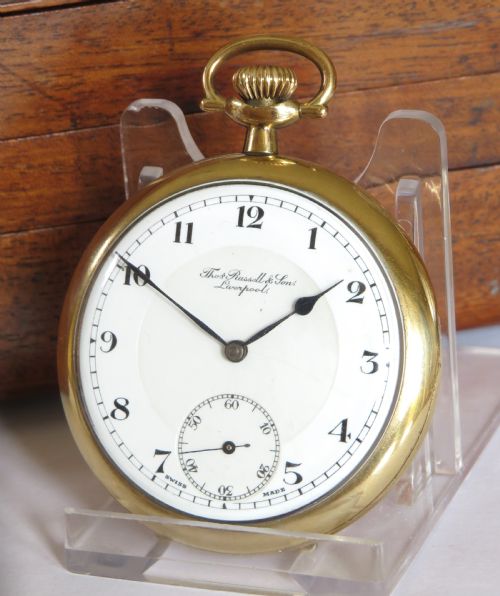
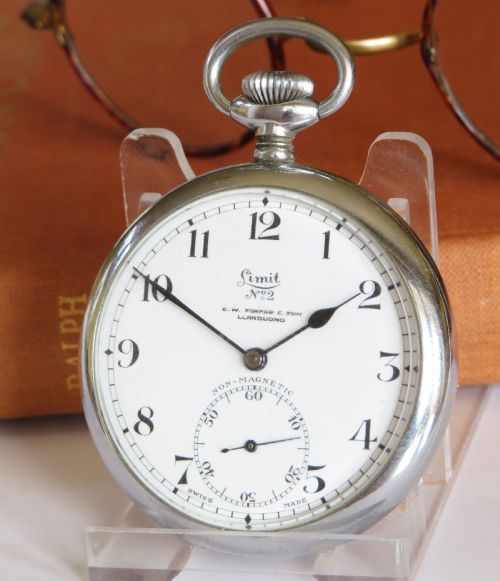
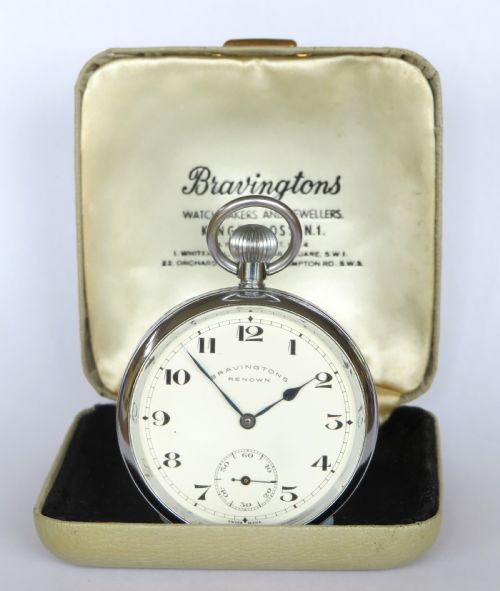
A sub dial pocketwatch brings mechanical precision and understated utility to your pocket, offering a separate seconds display that collectors prize.
Sub Dial Pocketwatch
The selections on this page showcase forms from the nineteen hundreds, nineteen tens, nineteen twenties, nineteen thirties, and nineteen fifties. These pieces demonstrate varied aesthetic movements including Edwardian, Art Deco, and Mid-Century styles.
Silver, gold plate, gun metal, brass, chrome, and stainless steel form the primary casing materials of these timepieces. Pocket watches and pocket watch variants dominate the forms found in these listings.
Materials and Construction
Watchmakers utilised robust metals such as silver, gold plate, gun metal, and stainless steel to house delicate mechanical movements. Glass covers protect the delicate enamel dials and the hands sweeping across both the main dial and the smaller seconds sub dial.
Inner workings rely on precise metal gear trains and escapements assembled by specialised horologists. Casings often feature hinged backs and bezels, paired with specialised metals like brass and chrome for internal framing and exterior finishes.
Some pocket watches bear retailer names stamped onto the dial alongside the maker, preserving the exact high street shop in Wales where a customer bought it a century ago.
Evaluating Quality and Craftsmanship
Superior examples exhibit crisp enamel dial printing and unblemished glass crystals that protect the delicate hands. The finishing of the metal case, whether solid silver, gold plate, or gun metal, dictates the tactile feel and visual crispness of the piece.
Internal movement finishing and the clarity of maker signatures on the dial or movement plate distinguish finer productions from standard utility pieces. The integration of the sub dial itself, ensuring clean alignment with the main chapter ring, reflects the precision of the original workshop.
Record·Thomas Russell and Son·Limit·Bravingtons·Hamilton·Omega·Elgin·Consul·Waltham·Alliance Lever
The Sub Dial Pocketwatch Glossary
- Sub dial
- A small secondary dial recessed into the main watch face used specifically for tracking seconds independently of the hour and minute hands. This layout allows for a cleaner central dial arrangement.
- Enamel dial
- A watch face created by fusing powdered glass to a metal substrate under high heat. This technique produces a hard, glossy white surface that resists fading over decades of use.
- Gun metal
- An alloy of copper, tin, and zinc that was treated to achieve a dark, gunmetal-grey finish popular for pocket watch cases during the late Victorian and Edwardian periods.
- Lever escapement
- The mechanical linkage between the gear train and the regulator that delivers impulses to the balance wheel. It is the standard escapement mechanism found in reliable twentieth-century pocket watches.
- Open face
- A pocket watch design that lacks a metal hinged cover over the crystal, allowing the time to be read instantly at a glance.
Sub Dial Pocketwatch: Frequently Asked Questions
How do I read a sub dial pocketwatch?
The main hands in the centre show the current hour and minute, while the smaller sub dial tracks elapsed seconds.
This layout keeps the primary dial legible while providing precise second-by-second measurement.
What materials were used for these watch cases?
Makers utilised silver, gold plate, gun metal, brass, chrome, and stainless steel.
Enamel covers the dials and glass protects the face across the periods represented.
How do I wind a vintage pocket watch?
Most twentieth-century pieces utilise a stem wind mechanism operated by turning the crown clockwise.
Care should be taken not to overwind the mainspring once resistance increases.
What periods do these pocket watches cover?
The pieces span from the late Victorian period through the Edwardian era, Art Deco years, and into the nineteen fifties.
Stylistic shifts trace the evolution from ornate Victorian detailing to streamlined mid-century design.