

Vintage Gold Locket
A vintage gold locket holds a miniature portrait or photograph close, offering tangible sentiment preserved across Victorian, Edwardian and mid-century periods.
Vintage Gold Locket
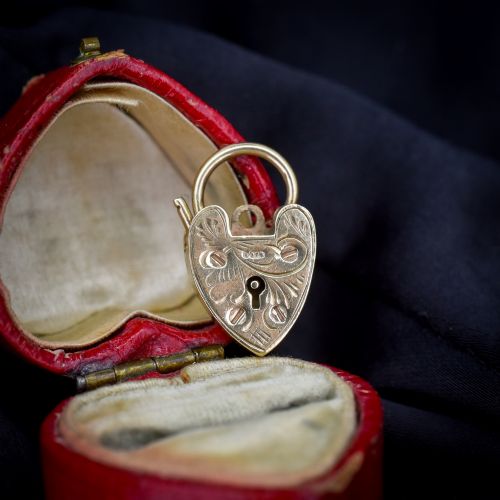
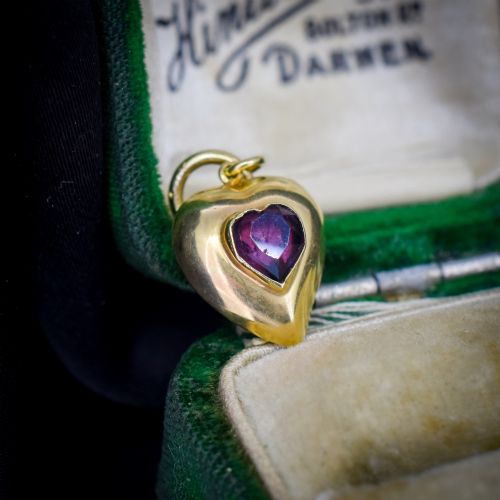
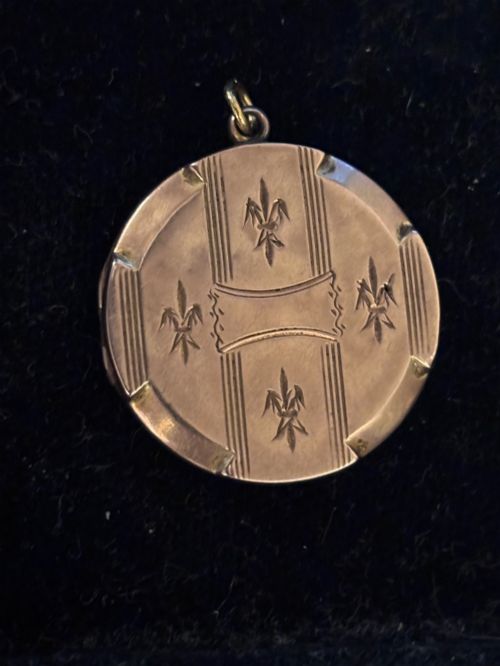
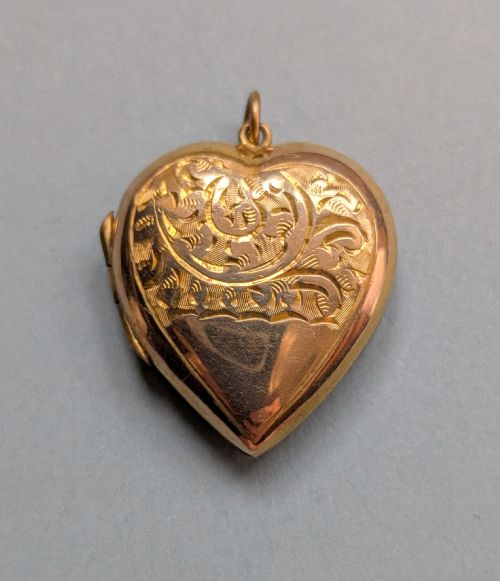
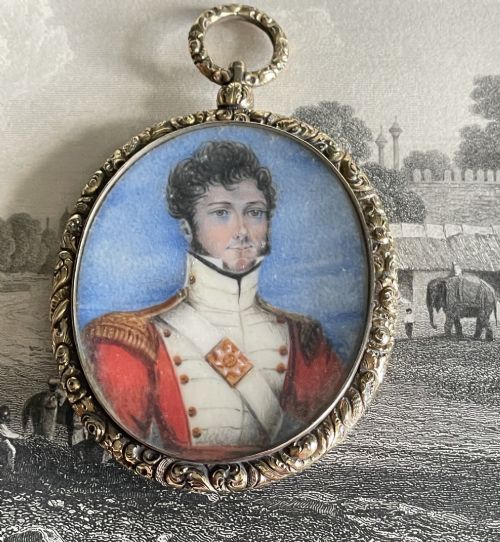
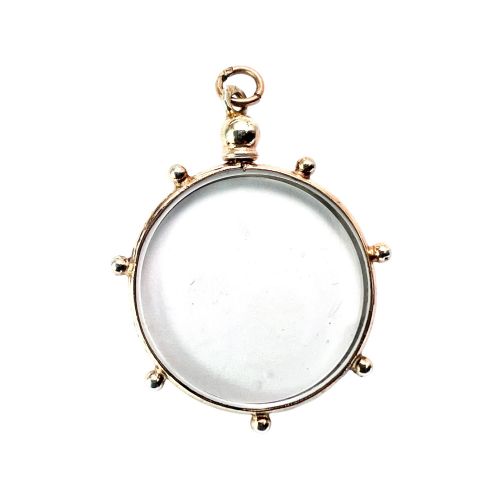
When buyers search for a vintage gold locket, they encounter hinged pendants designed to open and reveal portraits, photographs or locks of hair. These pieces span periods from the nineteenth century through the Edwardian era and into the mid-twentieth century.
Examples range from solid gold constructions in nine carat and eighteen carat variations to back and front designs where the exterior metal frames a lighter core. They function equally as personal mementos and wearable pieces of historical jewellery.
Materials and Construction Techniques
Gold forms the primary structural material, utilised in varying purities including nine carat, fifteen carat and eighteen carat yellow and rose gold. Some pieces employ rolled gold or gold on silver combinations for enhanced durability.
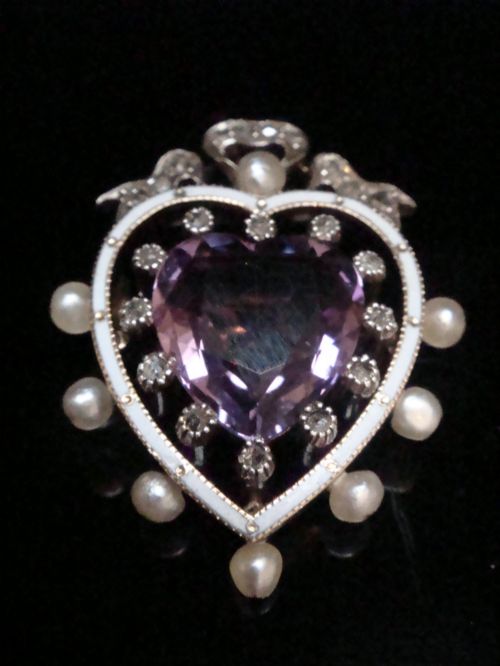
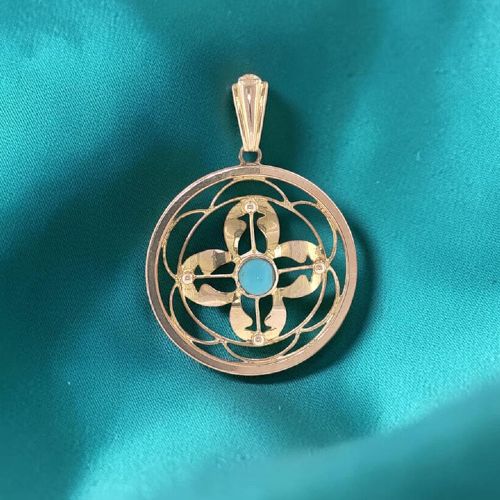
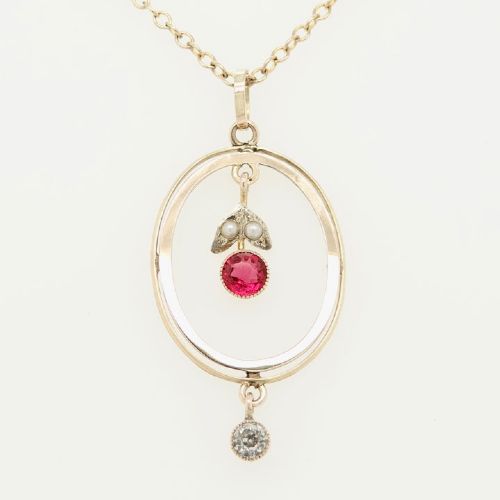
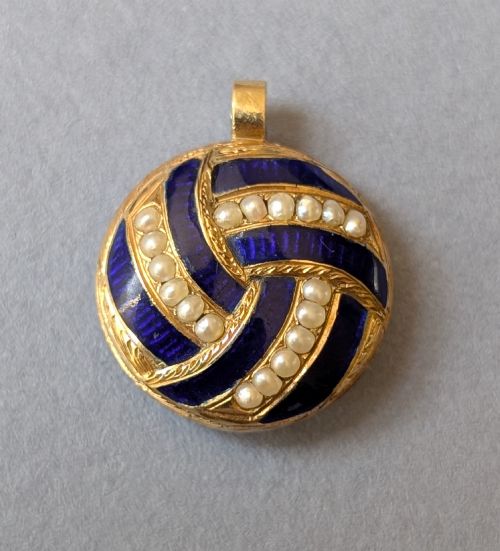
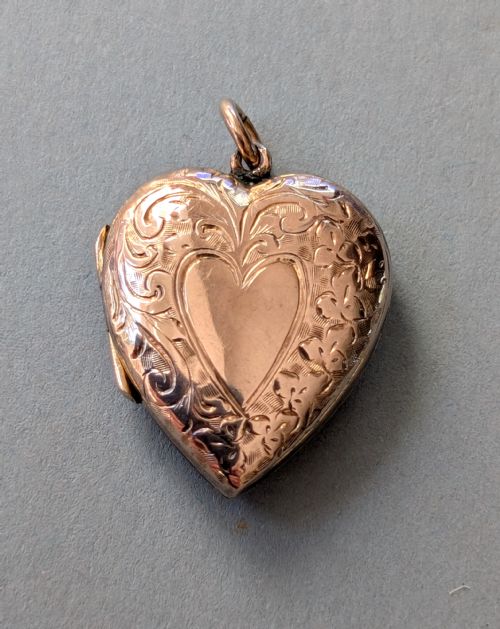
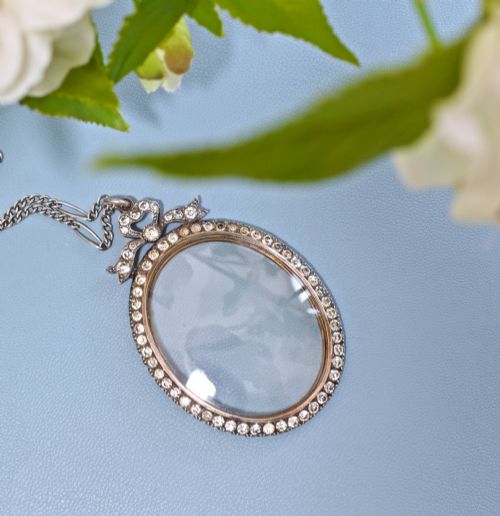
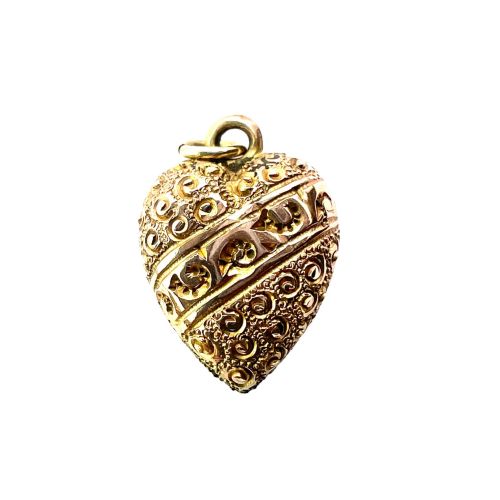
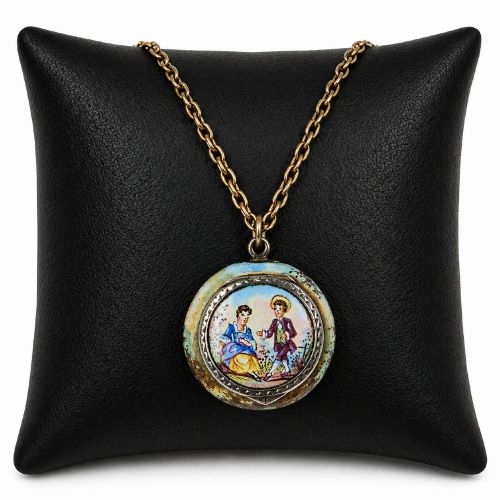
Surface ornamentation relies on hand engraving, chasing and repoussé work to create floral patterns, scrolls and geometric borders. Artisans incorporated seed pearls, turquoise, paste stones, diamonds and enamel work to embellish the exterior cases.
Vintage Gold Locket Retail Price Guide 2026
Typical asking prices for vintage gold locket among the pieces listed under this phrase on Sellingantiques today, from the lower quarter to the upper quarter. They describe what is for sale here now, not the wider market.
Several lockets double as secret miniature picture frames designed to keep forgotten Victorian family members pressed firmly against your chest.
Elements of Quality and Craftsmanship
The integrity of the hinge and snap closure dictates daily wearability, separating solidly engineered pieces from those with weakened mechanisms. Finer examples display crisp, deep hand engraving rather than shallow machine stamping.
Material composition significantly alters value and longevity, distinguishing solid gold or high carat mounts from back and front constructions. The inclusion of original glazed inner frames and intact bezels preserves the internal utility of the piece.
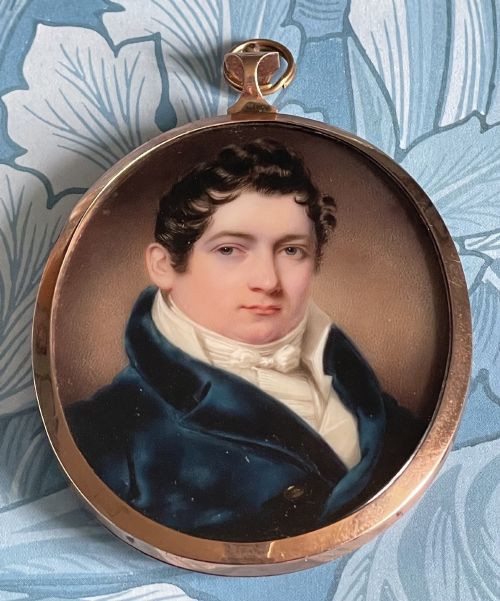
John C D Engleheart
The Vintage Gold Locket Glossary
- Back and Front
- A construction method where the exterior plates consist of solid gold while the interior mechanism utilises a base metal or lighter core for structural support.
- Guilloche Enamel
- A decorative technique involving precise, intricate patterns engraved beneath a translucent layer of coloured enamel.
- Seed Pearl
- Very small natural or cultured pearls, frequently drilled and threaded or set collectively into floral and geometric designs.
- Repousse
- A metalworking technique where the design is hammered into relief from the reverse side to create three-dimensional motifs.
- Paste
- Hand-cut glass used to imitate gemstones, valued for its historical use in antique jewellery rather than intrinsic mineral worth.
Vintage Gold Locket: Frequently Asked Questions
How do I open a vintage gold locket?
Most pieces feature a small thumbnail notch along the side edge. Gentle pressure applied here releases the internal spring snap.
Avoid using sharp metal tools to pry the covers apart, as this can scratch the gold or damage the hinge alignment.
Can I insert modern photographs?
Internal compartments accommodate custom-cut paper photographs or thin card portraits. Utilising a paper template helps match the exact contour of the bezel.
Original glazed photo frames should be handled carefully to prevent cracking the delicate glass covers inside.
Are these lockets suitable for daily wear?
Solid gold examples from the Victorian and Edwardian periods withstand regular use when treated with care. Back and front or heavily engraved pieces require slightly more caution against denting.
Removing the pendant before swimming, sleeping or strenuous exercise protects the hinges and delicate surface details.
How do I date a gold locket?
Stylistic indicators such as Edwardian bow motifs, Victorian mourning aesthetics or mid-century geometric Sputnik designs provide initial chronological markers. Hallmarks stamped on the metal surface offer precise assay office and year codes.
Comparing the engraving depth and construction style against documented period pieces confirms the manufacturing era.