

Vintage Gold Leaf Glass
Vintage gold leaf glass brings reflective warmth to a room, catching the light through gilded frames and silvery plates.
Vintage Gold Leaf Glass
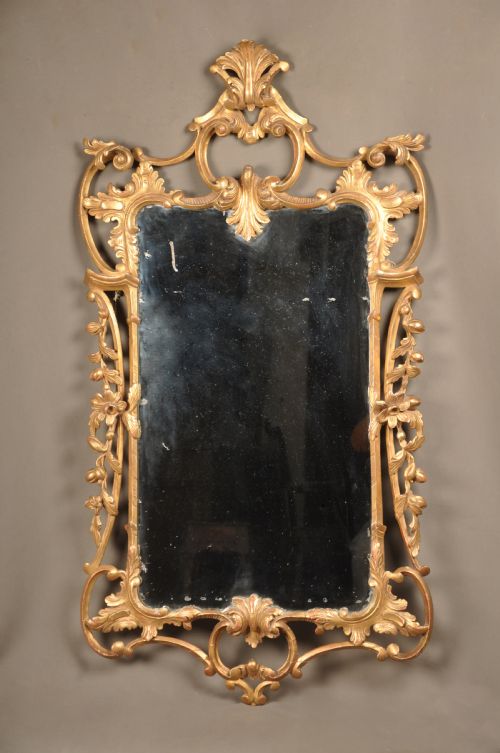
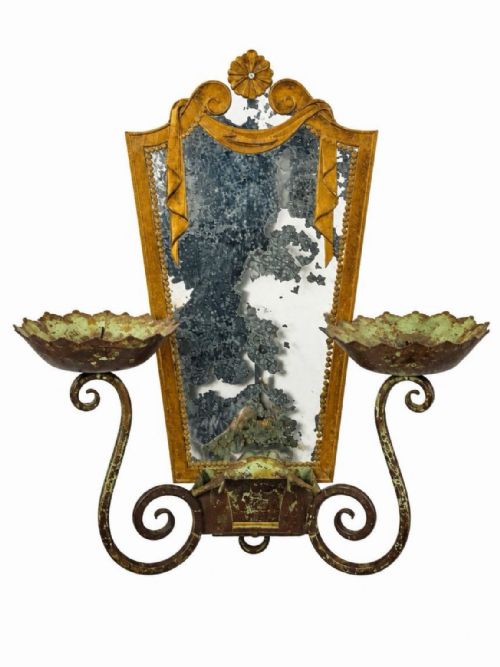
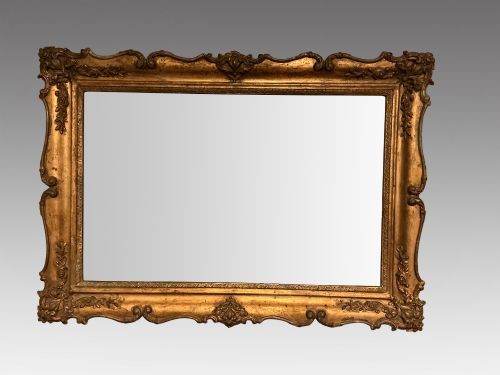
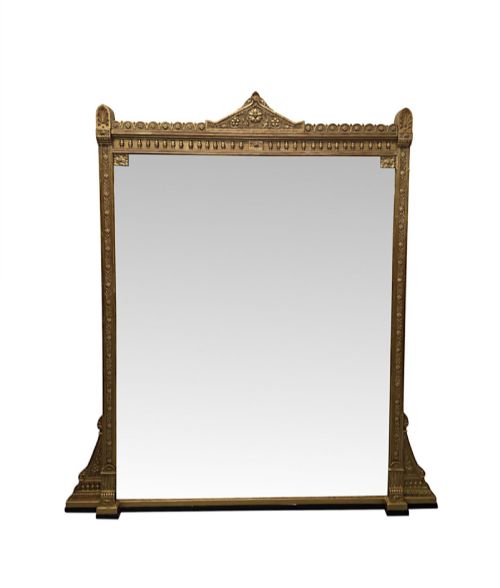
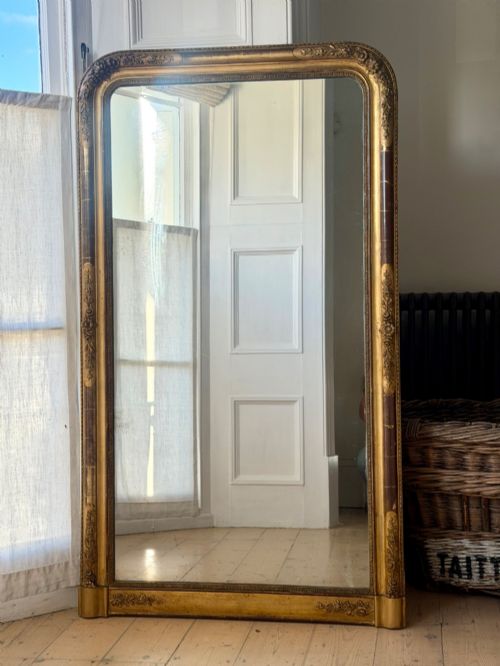
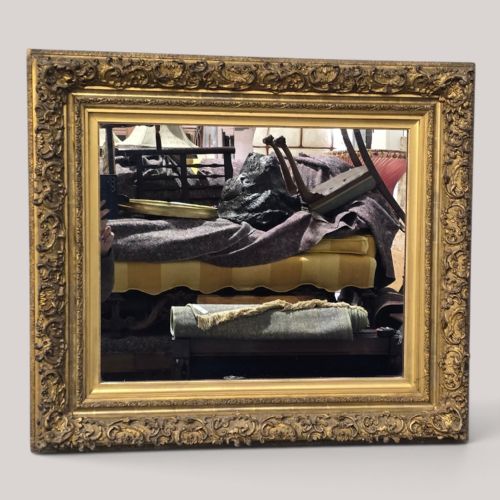
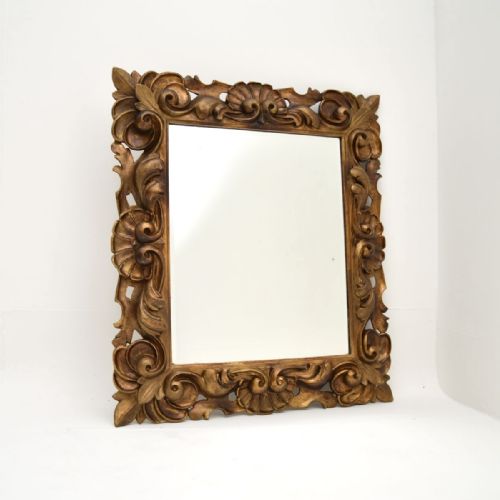
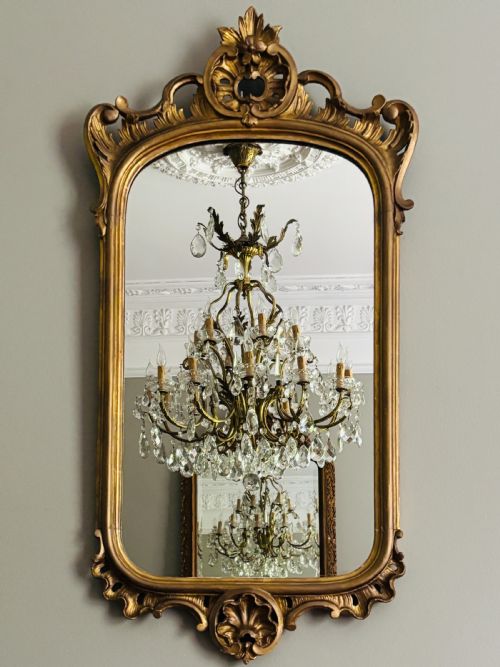
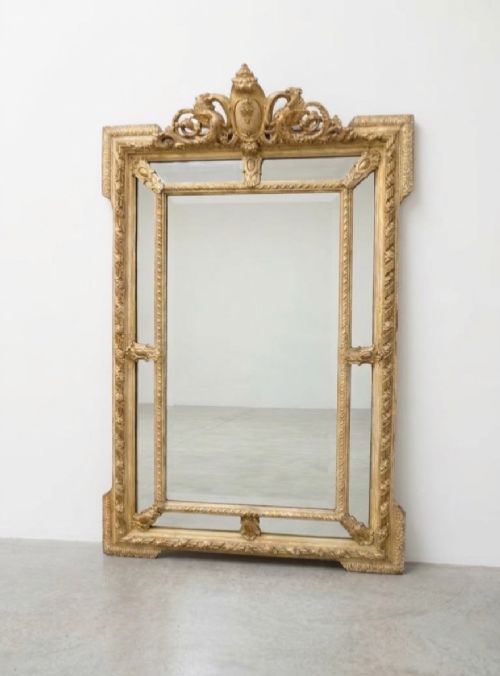
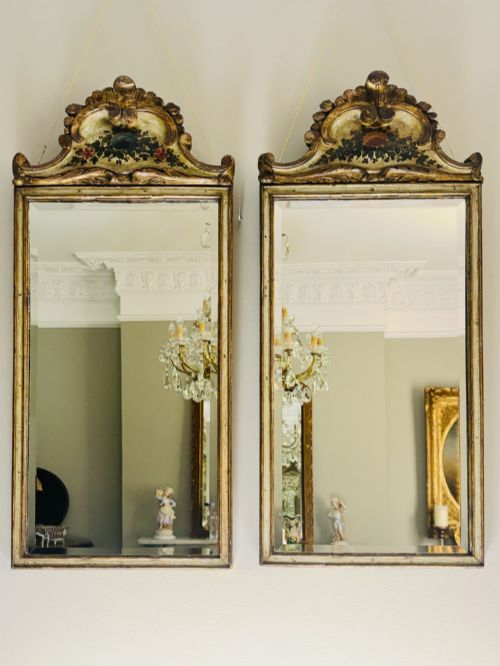
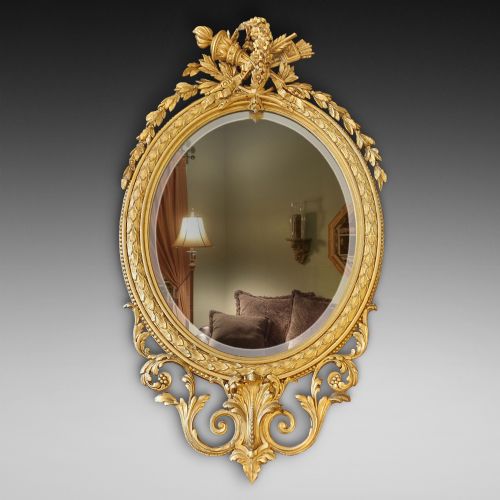
Vintage gold leaf glass encompasses decorative mirrors and lighting pieces that combine reflective glass surfaces with gilded wooden frames. When exploring vintage gold leaf glass, buyers encounter wall mirrors, overmantel mirrors, and wall sconces spanning the eighteenth, nineteenth, and early twentieth centuries. French Louis Philippe, Rococo Revival, and Italian Florentine designs dominate the selection, bringing ornate frames and bevelled edges together.
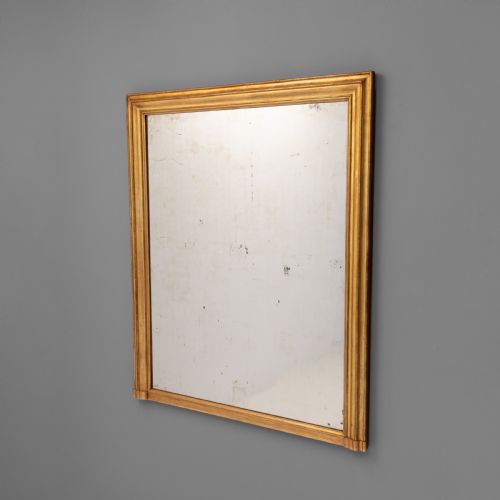
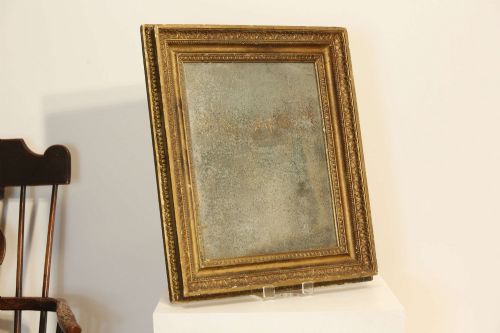
The objects take several distinct forms, from large architectural overmantel mirrors designed to sit above a fireplace to smaller pier glasses and glass candle sconces. Many pieces utilise mercury glass or mirrored glass plates set within carved giltwood and gesso structures. These items originate from English, French, and Italian workshops, reflecting regional decorative tastes of their respective periods.
Materials and construction
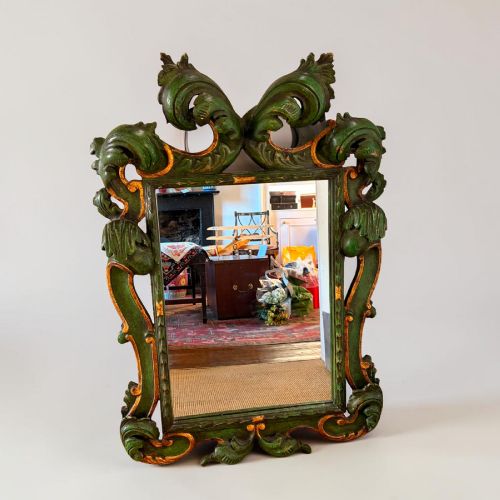
Makers built the supporting structures using timber, such as mahogany, pine, or carved giltwood, frequently applying layers of gesso to create smooth surfaces for gilding. Artisans laid thin sheets of gold leaf onto the prepared wooden frames, burnishing the metal to achieve a luminous finish. Some pieces also incorporate polychrome paintwork alongside the gilt surface.
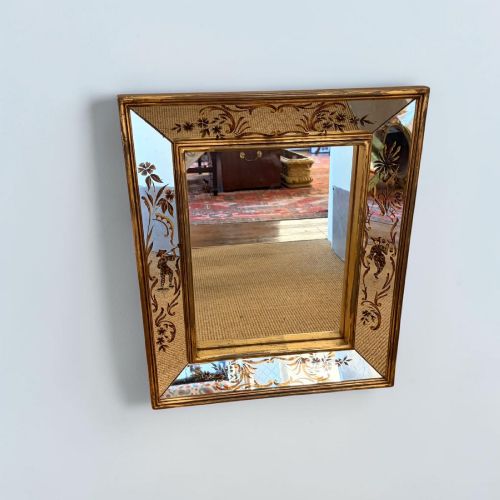
The glass elements include mercury glass and standard mirror glass, sometimes featuring bevelled edges or reverse-painted eglomise panels. Frames often display intricate carved ornamentation, including floral motifs, scrolling acanthus, or architectural pediments. Structural joinery typically relies on traditional period techniques suited to heavy wall-hanging frames.
Vintage Gold Leaf Glass Retail Price Guide 2026
Typical asking prices for vintage gold leaf glass among the pieces listed under this phrase on Sellingantiques today, from the lower quarter to the upper quarter. They describe what is for sale here now, not the wider market.
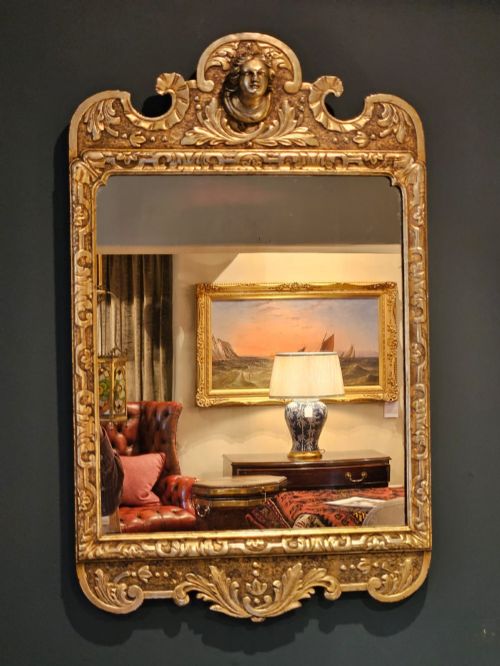
Grecian masks occasionally peer down from mirror pediments, watching over rooms they have reflected for nearly two centuries.
Assessing quality
Quality rests upon the crispness of the carving within the giltwood and gesso frame, where deep, hand-chiseled detail distinguishes superior work from cast or heavily moulded substitutes. The application of gold leaf shows through its adherence and texture, with finer examples displaying delicate burnishing that catches the light evenly. The depth and integrity of the original mercury glass plate further elevate a piece.
Proportion and balance dictate the visual success of each mirror or sconce, as finer items maintain harmonious symmetry and clean sightlines. The condition of the underlying wooden substrate and the original pairing of the mirror plate with its frame matter significantly. Superior examples retain their early gilding surfaces without heavy overpainting or modern silvering replacements.
The Vintage Gold Leaf Glass Glossary
- Giltwood
- Wood that has been coated with gold leaf or gold paint. This technique creates a rich, reflective metallic surface popular on period frames.
- Gesso
- A plaster-like mixture applied to wood frames to create a smooth base for gilding. Artisans carve fine decorative details directly into this hardened layer.
- Mercury glass
- A type of double-walled silvered glass produced during the nineteenth century. It produces a distinctive mottled, dark reflective quality.
- Eglomise
- A process of cold gilding and painting on the reverse face of glass. It results in a mirror-like panel with decorative opaque motifs.
- Louis Philippe
- A French nineteenth-century style characterised by restrained curves and rounded top corners. These mirrors offer understated elegance compared to earlier Rococo designs.
Vintage Gold Leaf Glass: Frequently Asked Questions
How do I hang a heavy gold leaf mirror?
Heavy wall mirrors require secure fixings anchored directly into wall studs or masonry using heavy-duty brackets. Professional installation ensures the weight distributes safely across the wall structure.
Avoid hanging large mirrors on standard plasterboard without proper structural support, as the combined weight of the timber frame and glass plate places immense strain on fixings.
What is mercury glass?
Mercury glass is a blown glass object featuring a silvered liquid substance sealed between double walls. It creates a cloudy, reflective appearance distinct from modern mirrors.
Despite the name, manufacturers typically used a solution of silver nitrate rather than actual mercury to achieve the silvery interior coating.
How should I clean antique mirrored glass?
Clean antique glass gently using a soft, dry microfibre cloth to remove dust without disturbing the surface. Avoid harsh chemical sprays that might seep behind the plate and damage the backing.
If moisture is necessary, apply a minimal amount of distilled water to the cloth rather than spraying the glass directly, protecting the aged edges from staining.
How do I date a giltwood mirror?
Dating relies on examining the construction methods of the wooden frame, the style of the carving, and the characteristics of the glass plate. Eighteenth-century frames often feature hand-carved pine, whilst later nineteenth-century pieces frequently utilise moulded gesso.
Original mercury glass plates and backboards secured with old handmade nails offer reliable clues to a piece's chronological origin.