

Vintage Gold Fob
These pieces of vintage gold fob show the craftsmanship of past centuries, offering distinctive style and reliable mechanical utility.
Vintage Gold Fob
A vintage gold fob is a small ornament or seal attached to a pocket watch chain, spanning periods from the Georgian era through the Victorian, Edwardian, and Art Deco styles up to the mid-twentieth century. Buyers searching this phrase look for authentic pieces combining historical charm with precious metals or gold plate.
Materials and construction
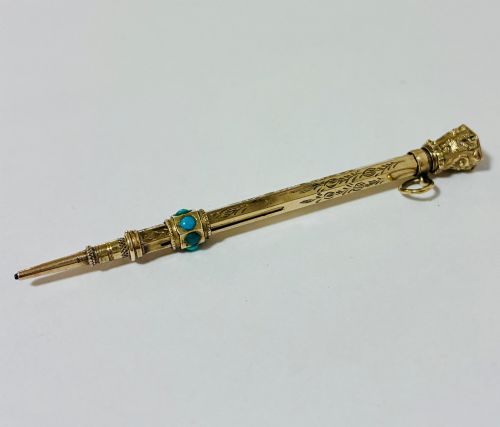
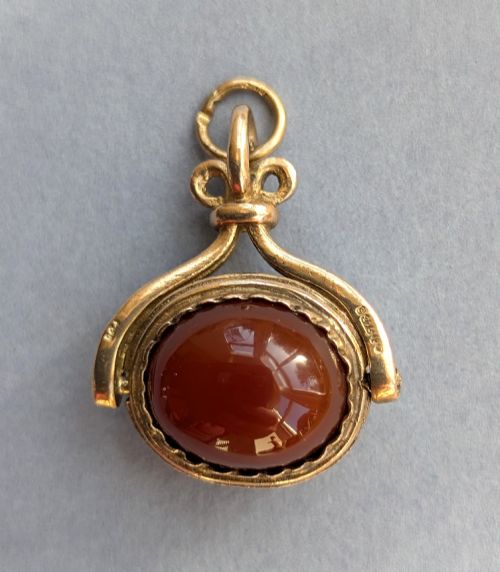
The materials span solid nine carat and eighteen carat gold, rolled gold, and gold plate, often paired with steel mechanisms or glass faces on associated timepieces. Enamel, shell, and semi-precious stones such as bloodstone and carnelian provide contrasting colour and texture.
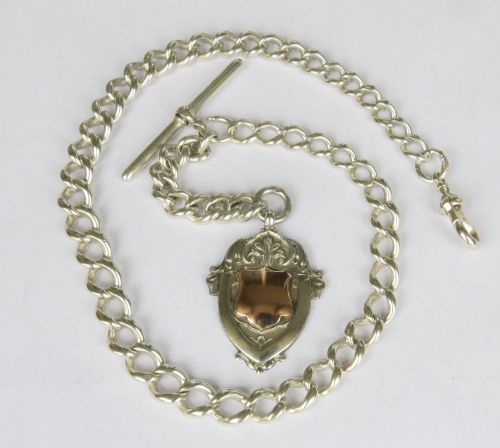
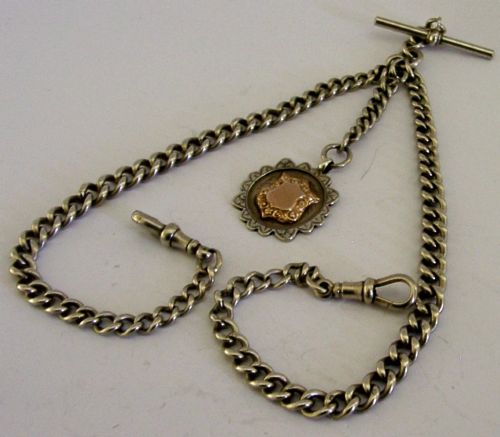
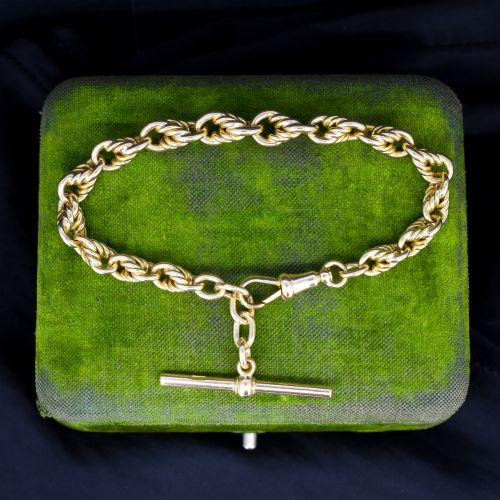
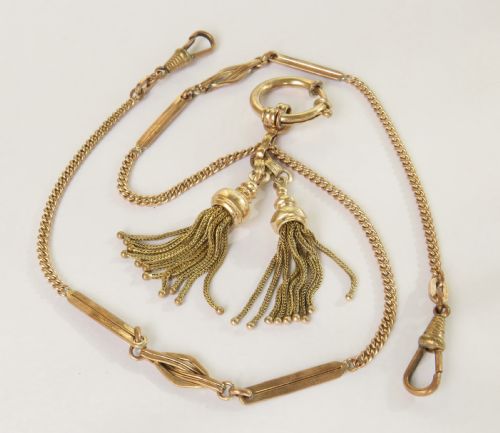
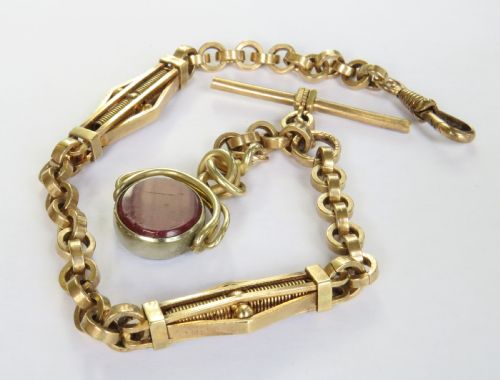
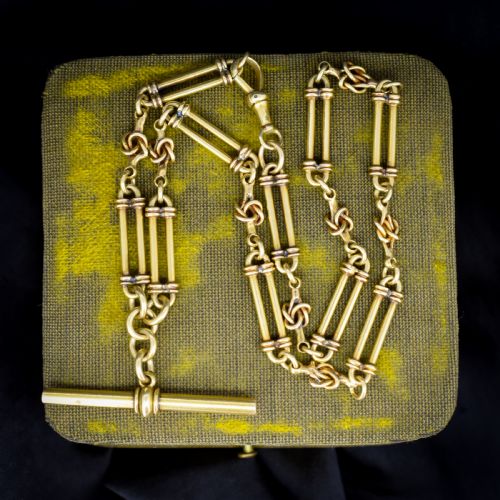
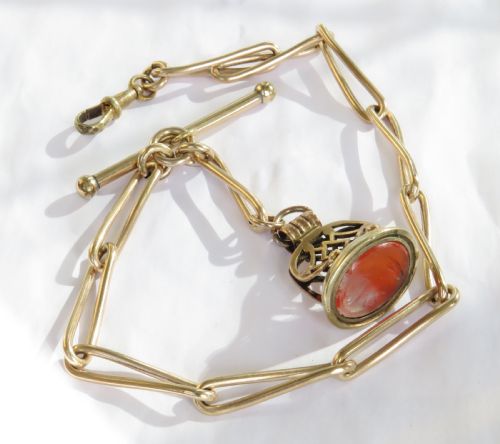
Goldsmiths utilised techniques like hollow stamping, hand engraving, and bezel setting to secure stones into spinning mounts and pendant frames. Links were hand-assembled into curb, trombone, or Albert patterns to support pocket watches and decorative seals.
Vintage Gold Fob Retail Price Guide 2026
Typical asking prices for vintage gold fob among the pieces listed under this phrase on Sellingantiques today, from the lower quarter to the upper quarter. They describe what is for sale here now, not the wider market.
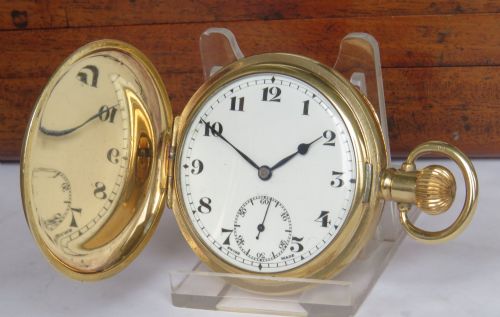
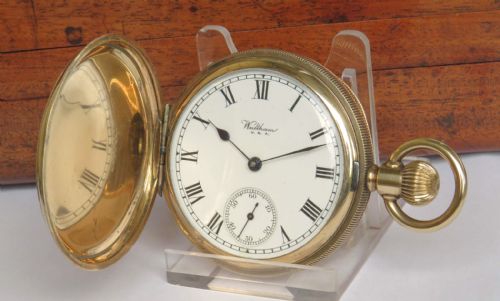
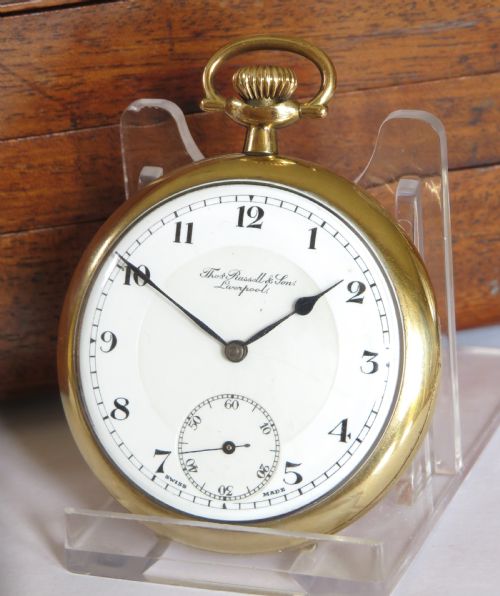
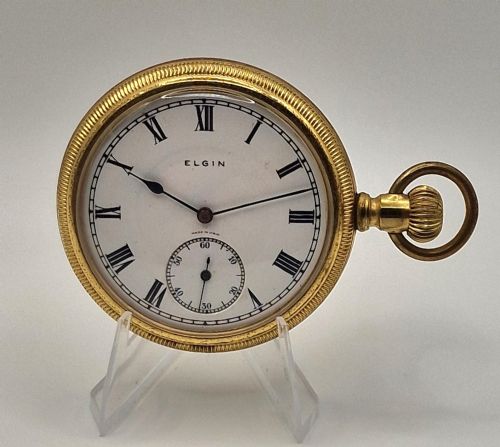
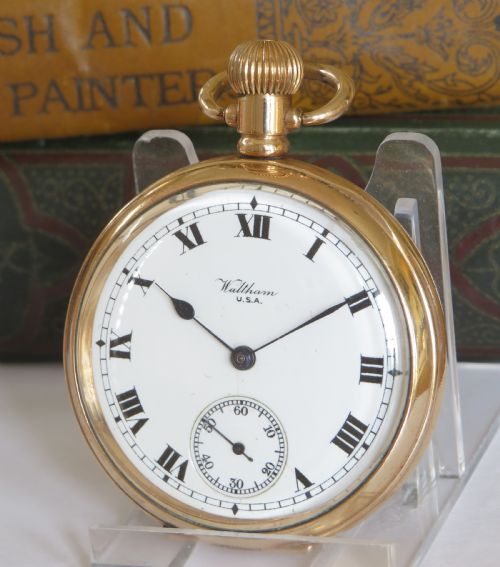
Object types include pocket watches, watch chains, charm pendants, sliding charms, and spinning fobs set with bloodstone and carnelian.
Judging quality in gold fobs
Quality rests on the crispness of hand engraving and the structural integrity of rotating mechanisms in spinning fobs. Superior examples display deep relief work, secure stone settings without movement, and substantial gold thickness rather than thin surface plating.
The sophistication of the design dictates distinction, from plain bezels to novelty animal charms and detailed heraldic seals. Maker marks and clear hallmarks provide definitive evidence of origin and metal purity.
Lange & Sohne·Thomas Russell and Son·Waltham·Elkington·H Samuel
The Vintage Gold Fob Glossary
- Spinning fob
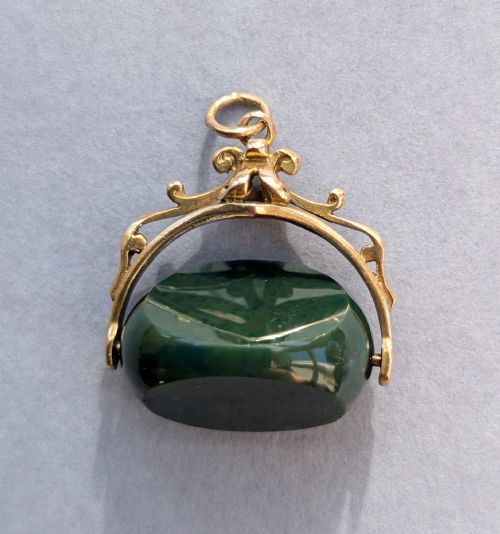
- A pendant containing a rotating centrepiece, usually mounted with two different hardstones or a stone on one side and an engraved crest on the other. This allows the wearer to reverse the display.
- Rolled gold
- A material made by fusing a layer of gold alloy to a base metal core under heat and pressure, providing greater durability than standard gold plating. It was widely used for watch chains and decorative fobs.
- Bloodstone
- A dark green chalcedony quartz flecked with red jasper spots, commonly used in Victorian and Edwardian fobs. It was traditionally favoured for signet seals.
- Full hunter
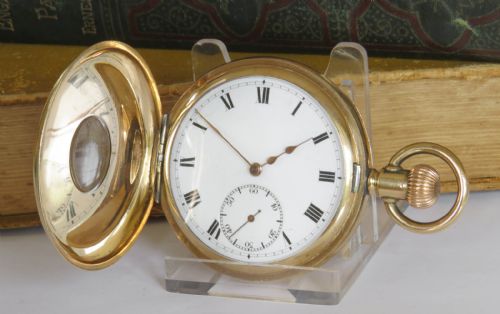
- A pocket watch featuring a spring-loaded metal cover that protects the glass dial from scratches. The cover springs open via a button wind mechanism.
Vintage Gold Fob: Frequently Asked Questions
How do I wear a vintage gold fob today?
These pieces attach securely to modern neckchains, charm bracelets, or traditional waistcoat chains using their existing swivels and split rings. They function as versatile pendants or standalone charms.
Pairing a solid gold fob with a matching chain creates a classic look, while mixing rolled gold with modern jewellery adds textural contrast.
What is the difference between solid gold and rolled gold?
Solid gold pieces contain precious metal throughout their entire structure, marked by official hallmarks indicating gold purity such as nine or eighteen carat. Rolled gold consists of a thick layer of gold mechanically bonded to a base metal core.
Both materials survive from the Victorian and Edwardian periods, but solid gold retains intrinsic metal value over time.
How do I tell Victorian fobs from later pieces?
Victorian examples often display heavier ornamentation, natural motifs like animals and insects, and dark hardstones such as bloodstone and carnelian. Hallmarks and stamps provide precise dating indicators for British items.
Later pieces from the Art Deco period introduce geometric lines, streamlined metalwork, and associations with mechanical pocket watches from the nineteen twenties and thirties.
What stones are typically found in spinning fobs?
Bloodstone and carnelian dominate nineteenth century spinning fobs, offering smooth surfaces suitable for personal seals and monograms. Agate and glass also appear in various regional workshops.
These stones are bezel-set into pivoting metal frames that allow the wearer to turn the centrepiece to display either side.