


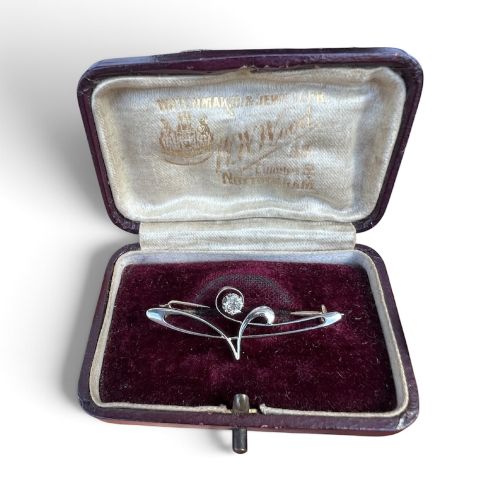
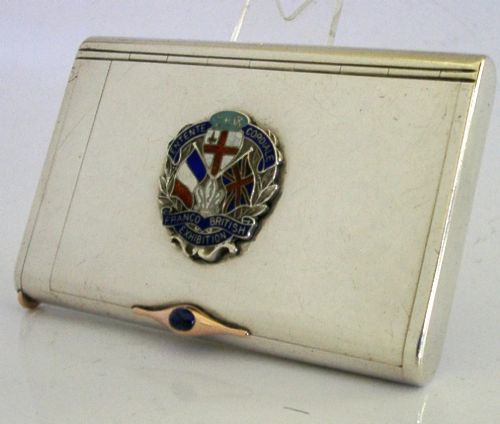
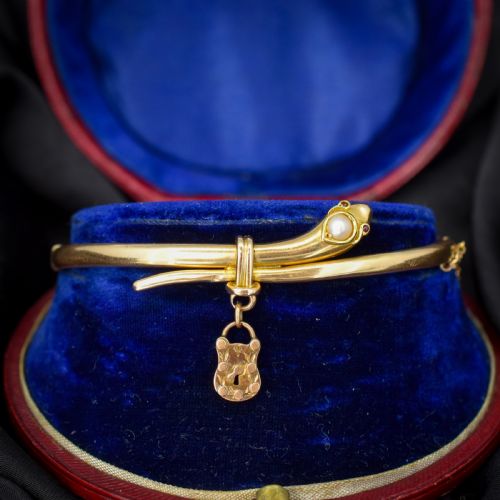
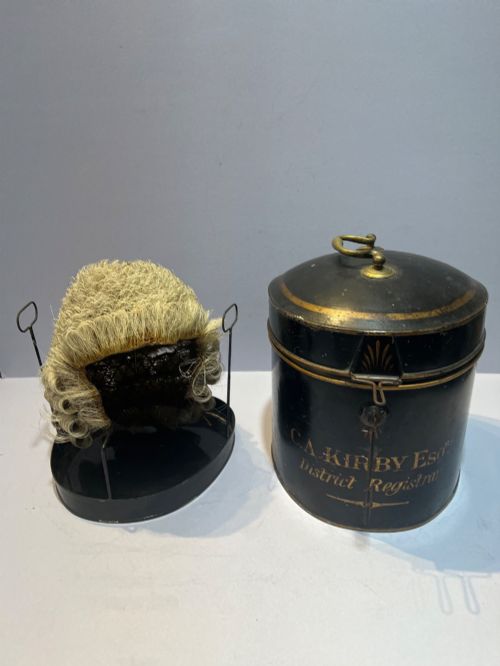
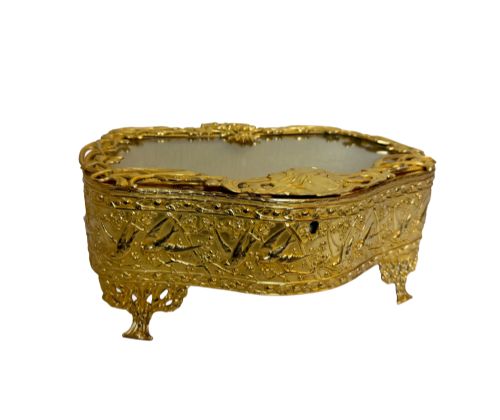
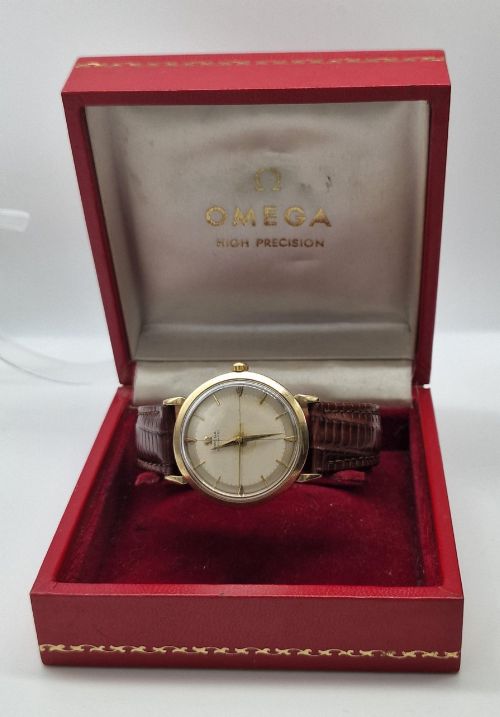
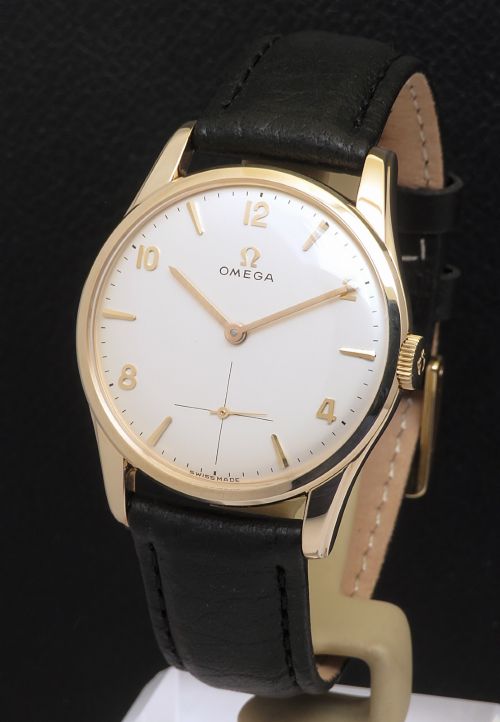
Vintage Gold Box
A vintage gold box brings small treasures and daily necessities together with the enduring warmth of precious metal.
Vintage Gold Box
When you search for a vintage gold box, you meet objects designed to hold everything from personal correspondence to pocket watches and cigarettes. These pieces bridge functional storage and decorative metalwork across decades of changing taste.
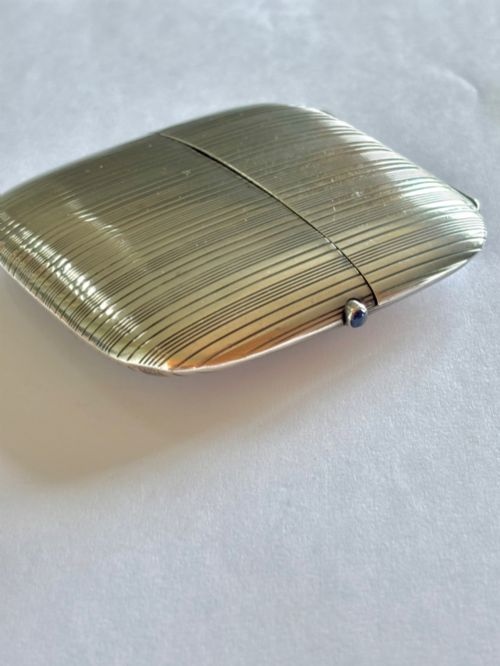
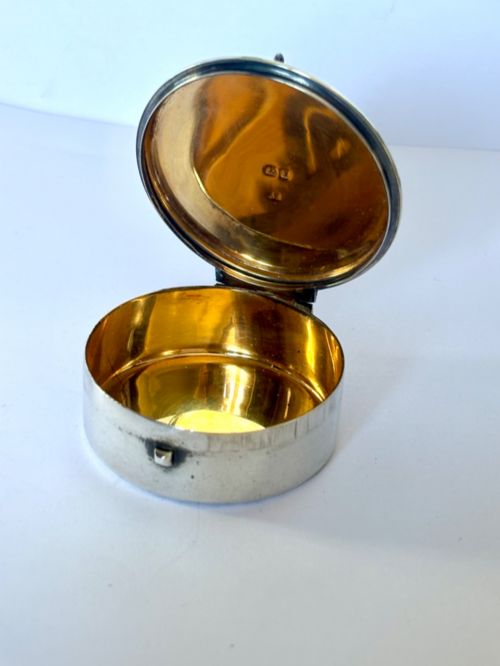
The selections on this page span from Victorian and Edwardian iterations through Art Deco experiments and Mid-Century Modern designs. They appear in solid precious metals, silver gilt, and brass frames, reflecting the material priorities of their respective periods.
Trinket boxes, jewellery containers, and cigarette cases dominate the forms encountered here. Each type reveals the specific domestic rituals and personal habits of the era that produced it.
How they were made
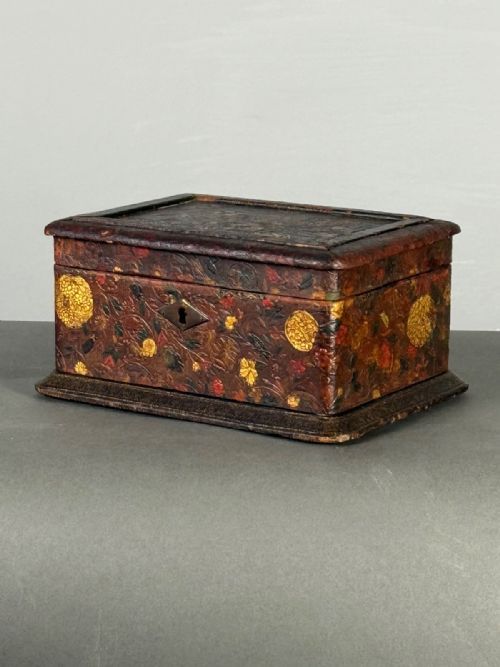
Makers utilised solid golds, silver gilt, and brass alongside natural materials like glass, leather, and lacquer. Artisans shaped these mediums through casting, hammering, and delicate joinery to build rigid, protective structures.
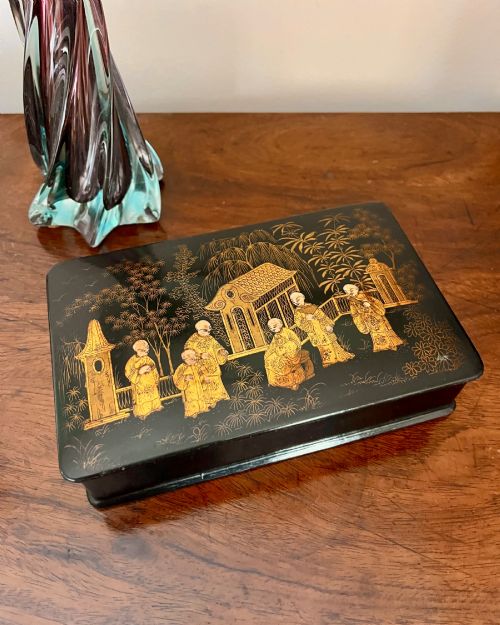
Surface ornamentation relied on applied enamels, hand engraving, and inlay techniques such as chinoiserie and lacquering. These decorative layers demanded steady hands and specialised chemical or heat treatments to bond permanently with the metal bases.
Internal linings of velvet, silk, or leather required precise cutting and hand stitching to fit snugly within the metallic frames. Every hinge, clasp, and catch was fitted by hand to ensure smooth daily operation.
Vintage Gold Box Retail Price Guide 2026
Typical asking prices for vintage gold box among the pieces listed under this phrase on Sellingantiques today, from the lower quarter to the upper quarter. They describe what is for sale here now, not the wider market.
Listings span multiple decades, incorporating Victorian, Edwardian, Art Deco, and Mid-Century Modern periods across various metals.
What varies in quality
The caliber of a piece rests in the integrity of its construction, particularly how firmly hinges align and how securely clasps hold their tension. Superior examples maintain exact geometry where lids meet bodies without warping or loose play.
Finishing work distinguishes standard production from exceptional craftsmanship, evident in the crispness of hand engraving and the depth of enamel work. The weight of the metal and the purity of its alloy determine the enduring stability of the form.
Hermes Paris·Susse Freres Paris·Eade And Son·Vishnyakov Workshop·Erhard And Sohne·Negretti And Zambra·Boucheron·Garrards·Marson And Jones·Cartier
The Vintage Gold Box Glossary
- Silver gilt
- Silver coated with a thin layer of gold, often termed vermeil. This technique provides the rich appearance of solid gold while utilising a supportive silver base.
- Enamel
- Vitrified glass fused to a metal surface through high-temperature firing. It creates vibrant, glossy colour fields across lids and body panels.
- Chinoiserie
- European artistic style reflecting Chinese motifs and decorative techniques. It frequently appears on lacquered wooden surfaces and decorative panels.
- Pyx
- A small round container used in ecclesiastical contexts to hold sacramental bread. These pieces often feature precious metal construction and detailed religious iconography.
- Vesta case
- A small pocket box engineered to hold matches and keep them dry. They commonly incorporate striker grooves along the base for convenience.
Vintage Gold Box: Frequently Asked Questions
What fits inside a vintage gold box?
These containers house small personal items including rings, brooches, folded notes, and pocket watches.
Their original functions varied from holding smoking accessories to safeguarding daily jewellery pieces.
How do I clean a gold box?
Dust surfaces gently with a soft, dry microfibre cloth to remove accumulated debris without scratching the metal.
Avoid chemical dips or abrasive polishes, particularly on pieces featuring delicate enamel or lacquer work.
Can I use them daily?
Sturdy construction allows for regular handling, provided you operate clasps and hinges with care.
Placement on a desk or dressing table keeps them accessible while protecting them from accidental drops.
How do I identify the period?
Stylistic cues such as Art Deco geometric lines or Victorian rococo curves point toward specific eras of manufacture.
Maker marks, hallmarks, and accompanying original cases offer additional confirmation of a piece's date.