
Vintage Glazed China Cabinet
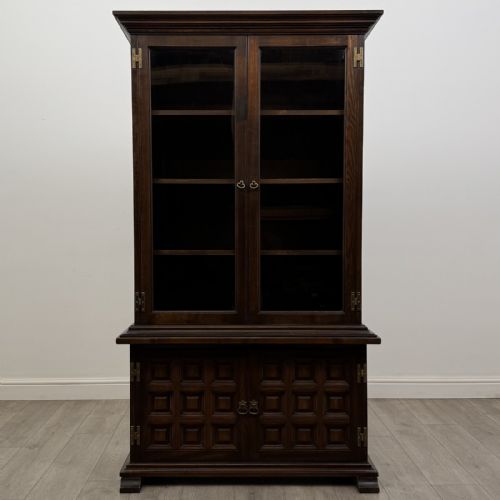
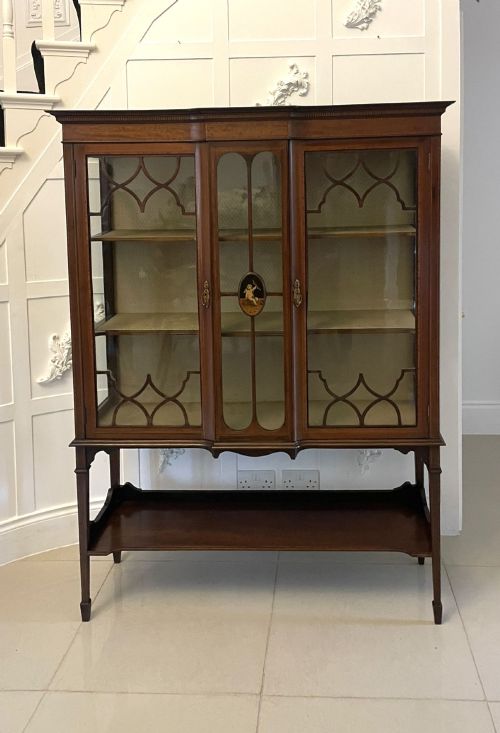
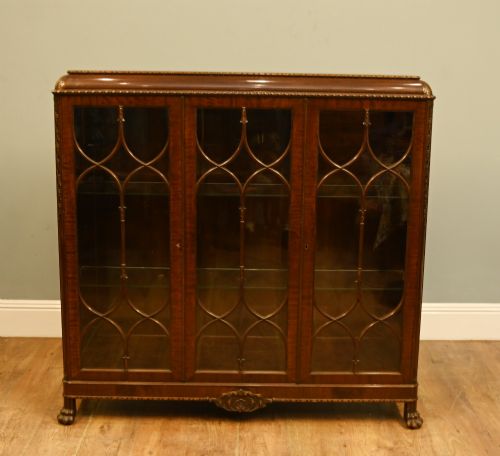
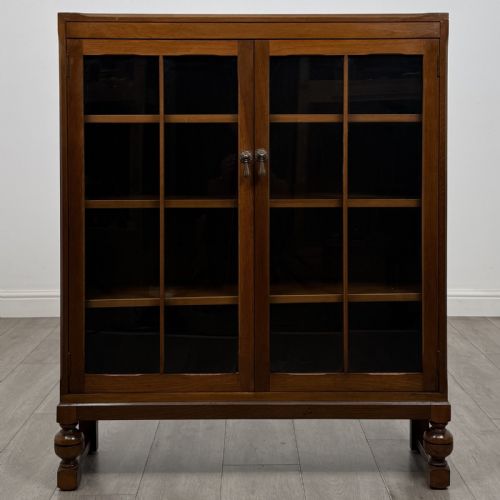
A vintage glazed china cabinet brings warmth to a room while keeping porcelain and glassware safely on show behind glass.
Vintage Glazed China Cabinet
A vintage glazed china cabinet serves to house and display ceramic collections, books, and decorative objects within living spaces. These pieces span multiple centuries and stylistic revivals, ranging from eighteenth-century bookcases to nineteen-thirties Art Deco designs.
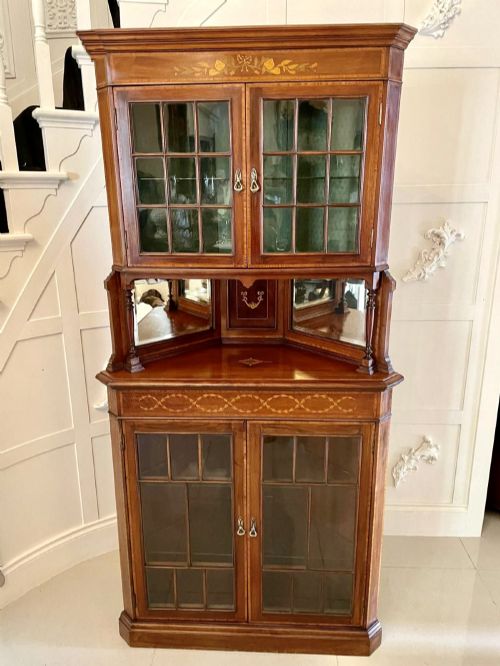
The selections available here predominantly feature Edwardian and early twentieth-century examples alongside Victorian and Georgian pieces. Forms extend from slim corner cupboards and side cabinets to breakfront display furniture and large kitchen dressers.
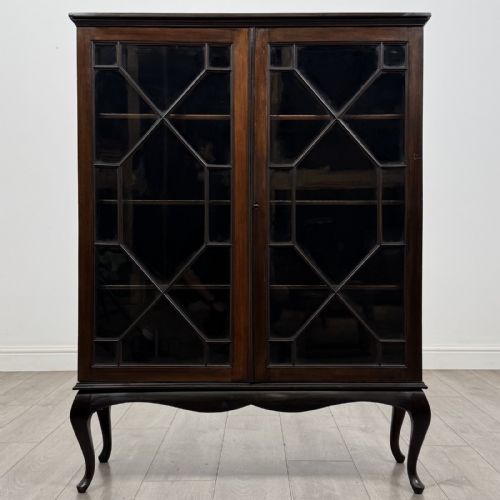
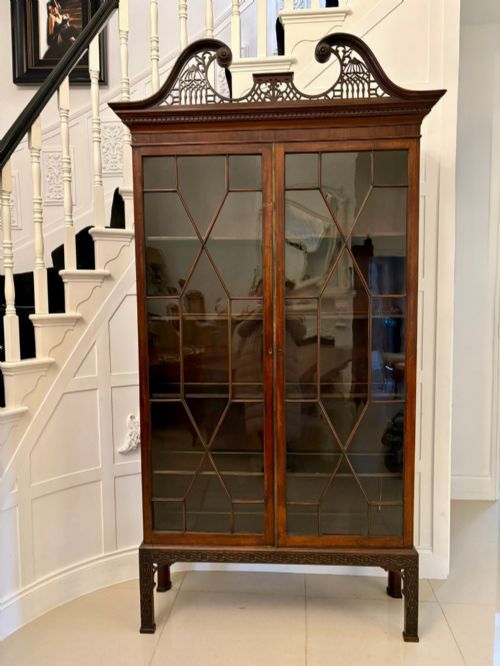
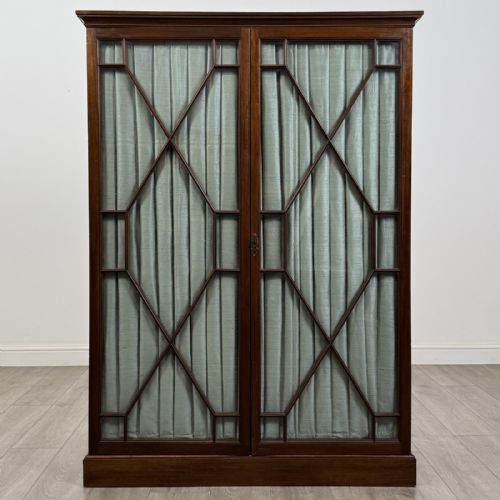
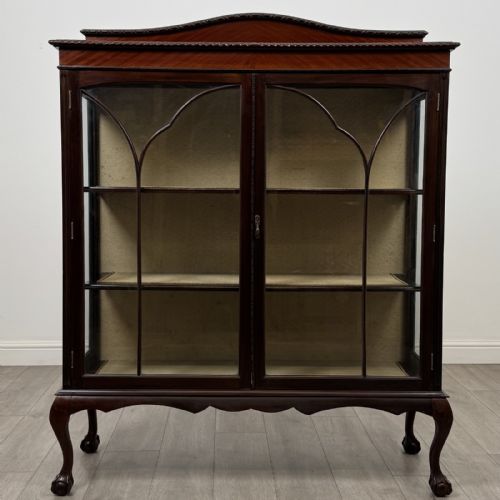
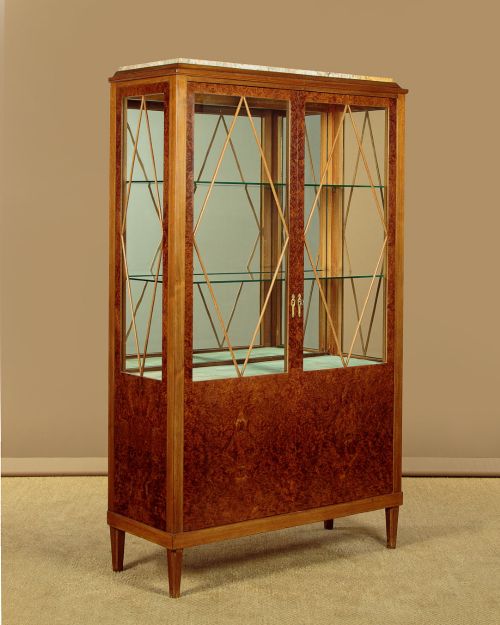
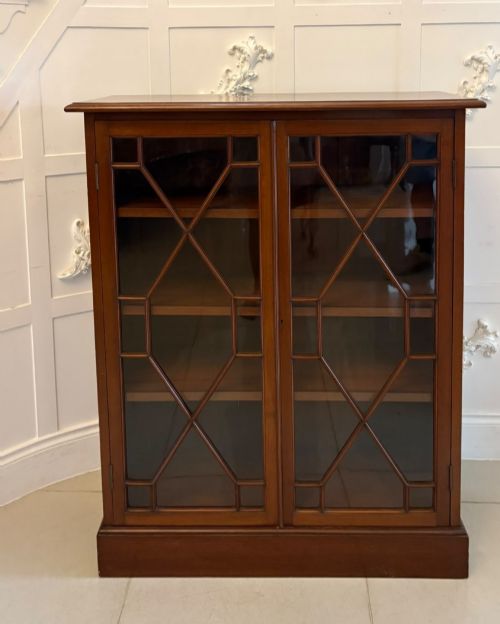
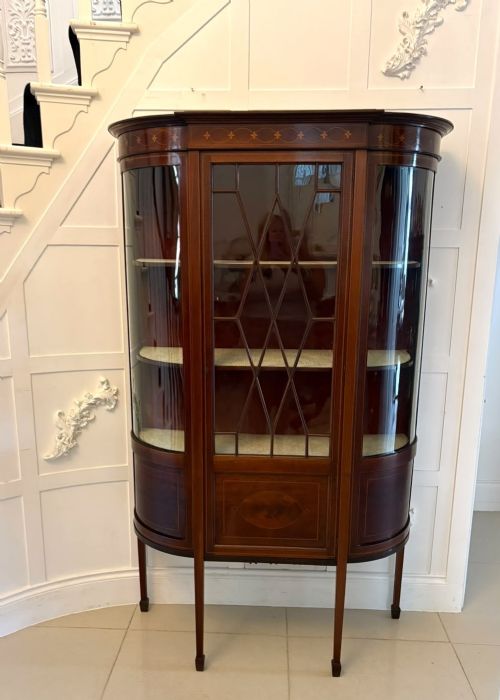
Makers and designers from various periods utilised domestic and exotic timbers to construct these storage items. Buyers frequently encounter upright display cabinets fitted with wooden framework or astragal bars holding glass panes.
Materials and construction methods
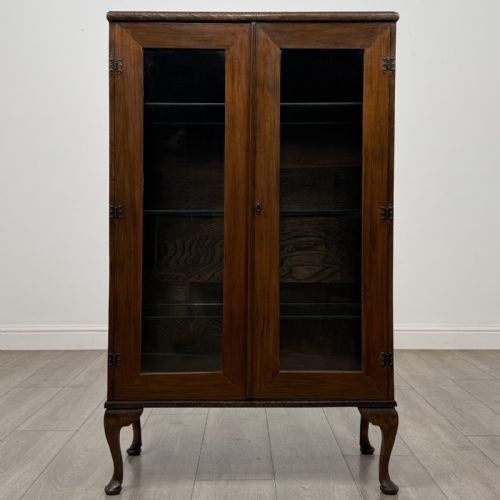
Cabinet makers constructed these pieces using primary hardwoods such as mahogany, oak, walnut, and satinwood, occasionally incorporating pine or pitch pine for internal framing. Selected timber veneers, including figured walnut, provided decorative exterior surfaces on later Edwardian and Art Deco furniture.
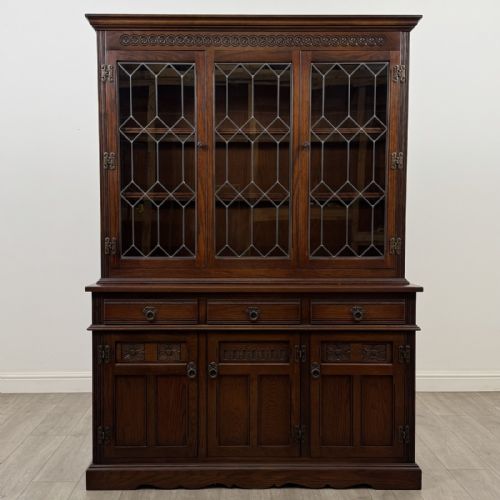
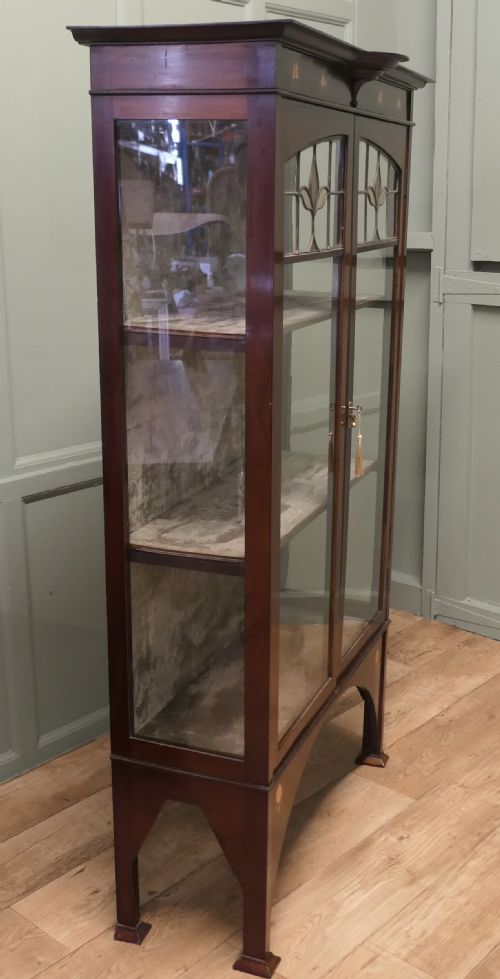
Glazing techniques involved fitting individual glass panes into wooden doors, sometimes using lead cames or delicate astragal bars to form geometric patterns. Cabinet assembly frequently integrated brass hardware, fabric-lined interiors, and hand-painted decorations.
One nineteen-thirties model earns the cheerful nickname of rocket cabinet due to its distinctive aerodynamic circular walnut shape.
Distinguishing factors in build and design
The standard of timber selection and cabinet joinery dictates the overall integrity of each piece. Superior examples display carefully matched wood grains, tight drawer joints, and robust framing that supports heavy glass doors.
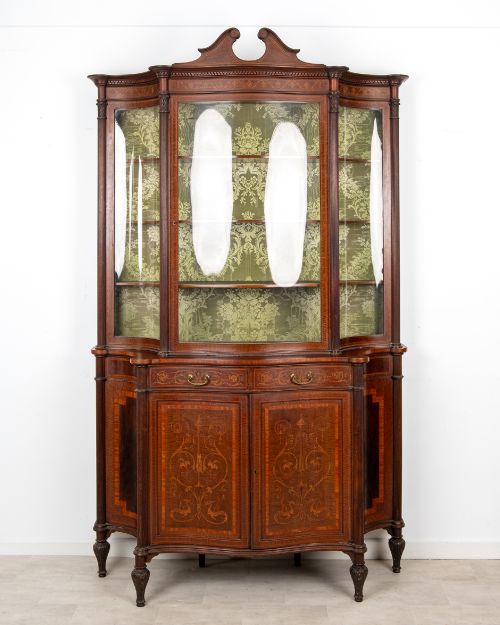
Refinement in decorative detailing separates standard utility furniture from finer workshop productions. Original painted elements, intricate marquetry inlay, and precise brass mounts demonstrate superior craftsmanship.
Maple and Co
The Vintage Glazed China Cabinet Glossary
- Astragal glazed
- Glass doors divided into smaller panes by narrow wooden bars. These bars create geometric divisions across the front of the cabinet.
- Breakfront
- A cabinet design where the central section projects forward from the flanking wings. This architectural layout adds depth and shadow to large bookcases.
- Vitrine
- A glass-sided display cabinet designed primarily for showing porcelain and ornaments. The term often describes freestanding nineteenth and twentieth-century pieces.
- Inlay
- A technique where contrasting woods, brass, or shell are set flush into the primary surface. Cabinet makers used this method to form decorative borders and motifs.
Vintage Glazed China Cabinet: Frequently Asked Questions
What periods do these cabinets represent?
The listings span several centuries, including eighteenth-century Georgian designs, nineteenth-century Victorian furniture, and early twentieth-century Edwardian and Art Deco pieces.
Each period brings distinct stylistic characteristics, ranging from traditional mahogany proportions to curved nineteen-thirties walnut forms.
How do I clean the wooden surfaces safely?
Regular dusting with a soft, dry cloth preserves the polished finish of hardwoods like mahogany and oak without damaging the timber.
Avoid using silicone-based polishes or harsh chemical sprays, opting instead for traditional beeswax applied sparingly when the wood appears dry.
Are the glass panels original to the cabinet?
Many older cabinets retain their original hand-drawn or float glass panes, which often display minor surface ripples and tiny air bubbles.
Closer inspection of the putty and glazing beads helps determine whether the glass has been replaced during repairs.
How are these cabinets arranged in modern rooms?
These pieces function effectively in dining rooms or living spaces for storing tableware, books, and collections behind protective glass.
Their upright proportions allow them to fit into alcoves or along blank walls while utilising vertical space for display.