


Vintage Glass Scent
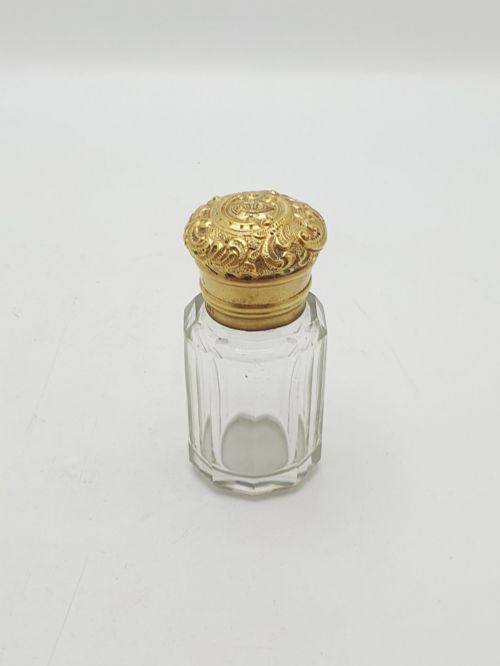
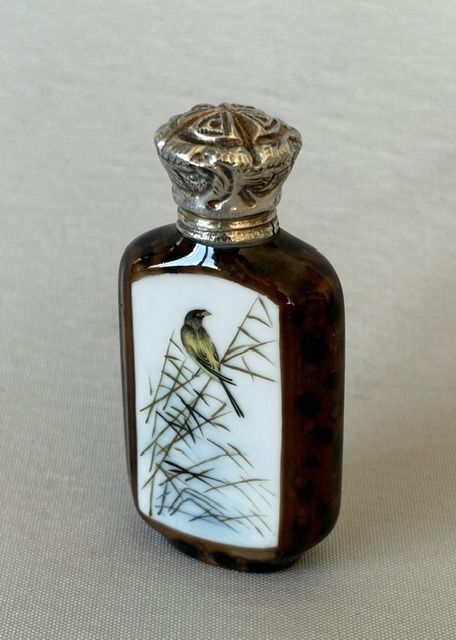
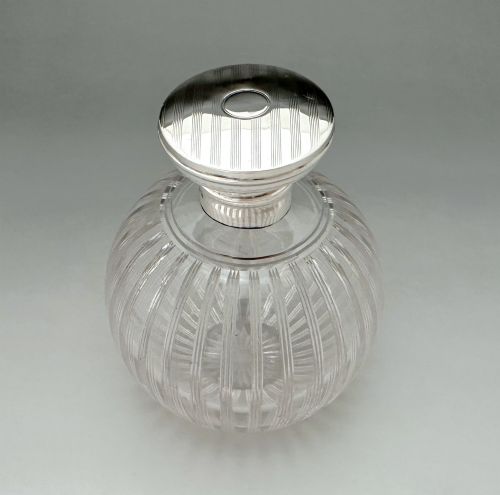
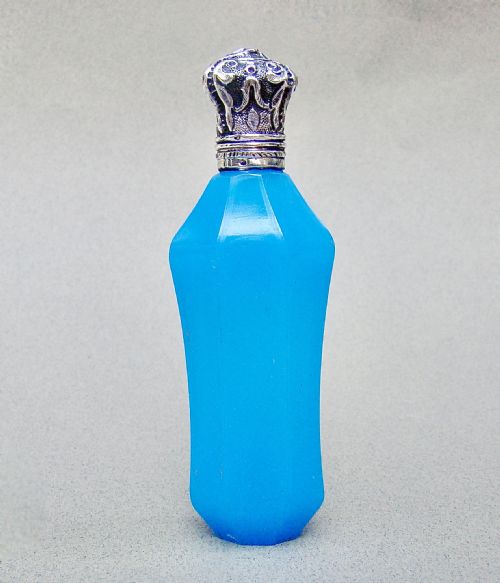
Vintage glass scent bottles bring together moulded crystal, silver mounts and colourful enamel from the Victorian era through the Art Deco years.
Vintage Glass Scent
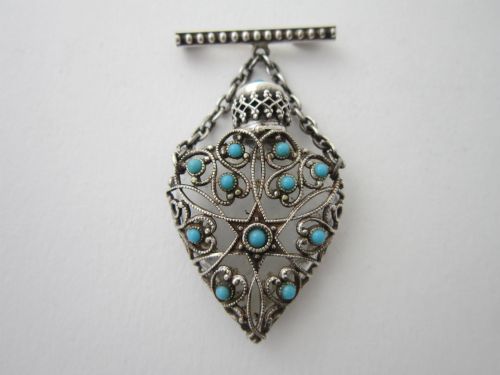
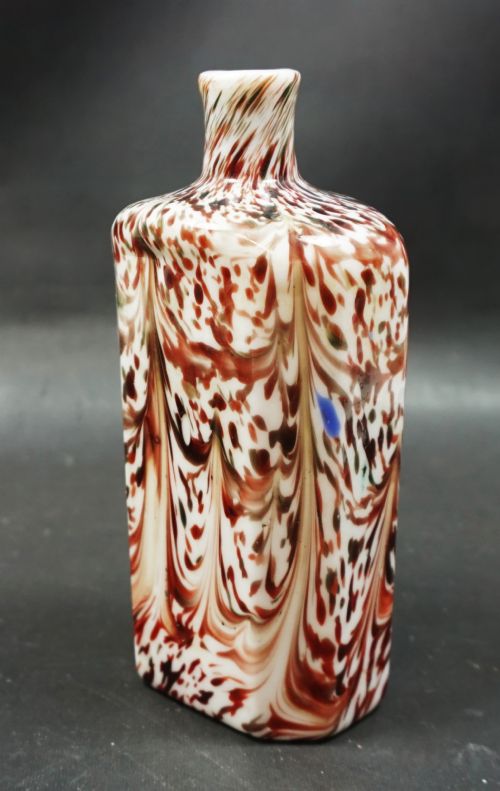
A vintage glass scent bottle selection encompasses portable perfume flasks, vanity jars and cologne bottles manufactured from the mid-nineteenth century up to the Art Deco period. Buyers seeking these items encounter heavy cut crystal vessels alongside delicate opaline, cranberry and milk glass containers.
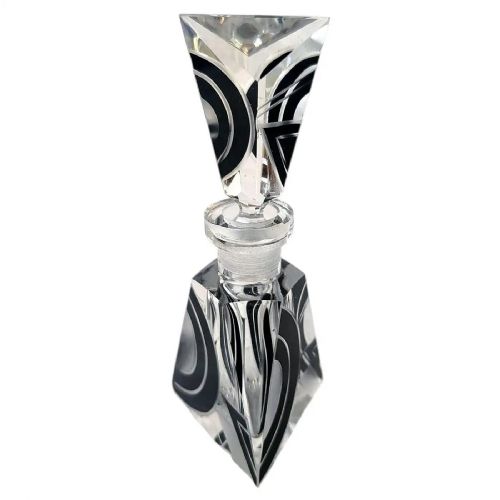
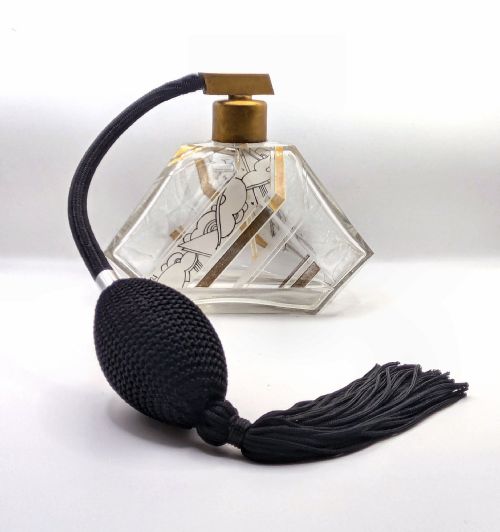
The most common forms on this page include sterling silver-mounted Victorian pieces and geometric Art Deco designs originating from makers in Britain, France and Bohemia. These functional objects served dressing tables and evening bags alike, surviving as small-scale examples of period glassmaking and silversmithing.
Materials and construction methods
Makers utilised clear cut glass, pressed crystal and coloured varieties such as cobalt, ruby and amethyst, often casing layers of glass together before cutting or etching the surface. Molten metal was blown into moulds or worked by hand to achieve specific flask shapes.
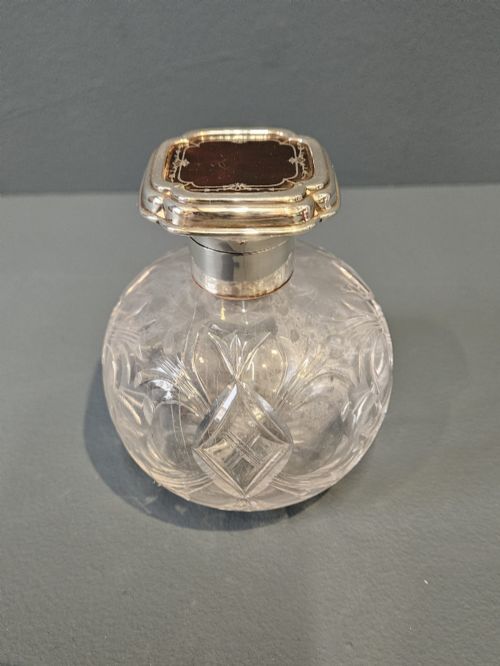
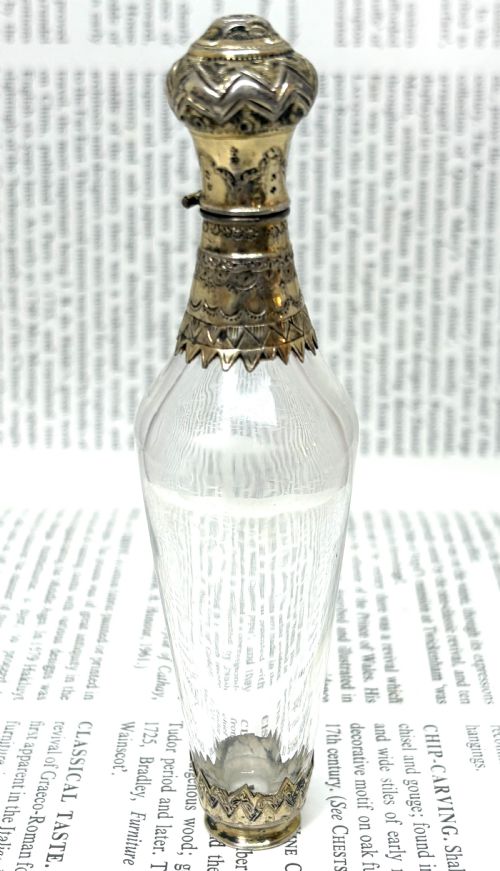
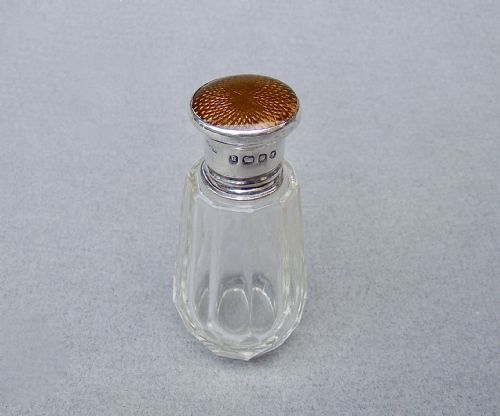
Mounts, collars and stoppers incorporate sterling silver, silver gilt, enamel, tortoiseshell and chrome, secured directly to the glass necks. Silversmiths applied repoussé, chasing and guilloché enamel techniques to embellish the metal components.
Vintage Glass Scent Retail Price Guide 2026
Typical asking prices for vintage glass scent among the pieces listed under this phrase on Sellingantiques today, from the lower quarter to the upper quarter. They describe what is for sale here now, not the wider market.
Listings feature items spanning the 1750s to the 1980s, constructed from glass, sterling silver, enamel, tortoiseshell and chrome.
Assessing quality and craftsmanship
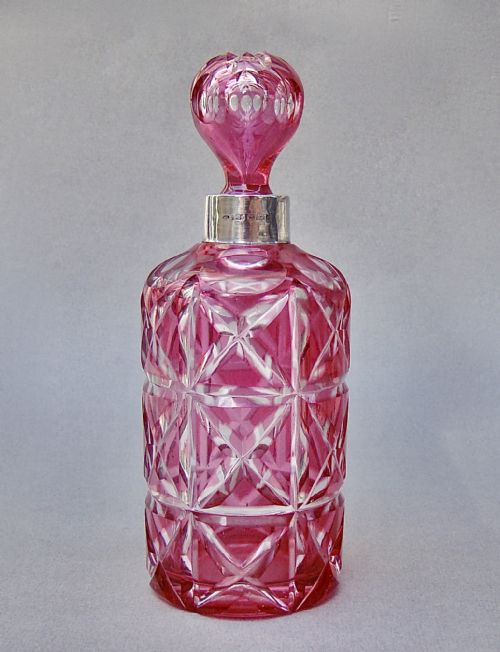
Quality rests upon the clarity and depth of the glass cutting, the weight of the metal mounts and the crispness of any enamel work. Finer pieces display hand-cut facets that catch the light precisely, paired with fully hallmarked silver and original matching stoppers.
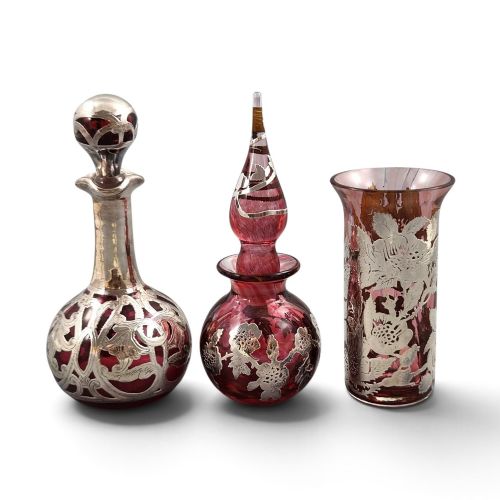
Design integration separates standard production items from masterworks, particularly where silver overlay patterns wrap organically around the glass contours or where specialised makers applied distinct staining techniques.
Gorham·Laugharne Glass·Karl Palda·Henry Perkins·Harold Bushell and Co·Rene Lalique
The Vintage Glass Scent Glossary
- Sterling silver
- A silver alloy containing 92.5 per cent pure silver and 7.5 per cent other metals, commonly used for bottle collars, lids and overlay decoration.
- Opaline glass
- An opaque or translucent art glass developed in pastel shades of turquoise, blue and white, popular during the nineteenth century.
- Guilloché enamel
- Decorative metalwork covered with translucent enamel over an engine-turned geometric pattern etched into the underlying silver.
- Silver overlay
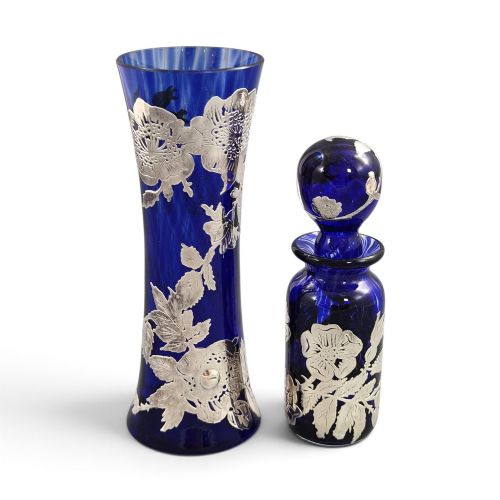
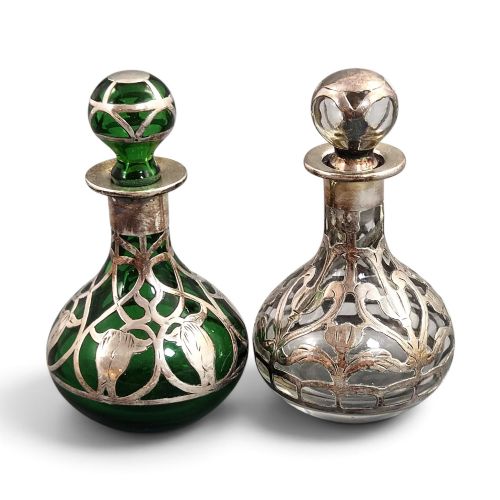
- A technique where sterling silver is bonded directly onto the exterior glass surface in intricate floral or geometric motifs.
- Cut crystal
- High-purity glass containing lead oxide, faceted by grinding and polishing to maximise brilliance and weight.
Vintage Glass Scent: Frequently Asked Questions
How do I date a vintage glass scent bottle?
Dating relies primarily on hallmarks stamped onto the silver mounts, which indicate the assay office and year of production. Stylistic markers such as Art Deco geometric cuts or Victorian overlay work provide secondary chronological clues.
Changes in glass colours, such as nineteenth-century opaline versus 1930s frosted finishes, also help narrow down the manufacturing decade alongside maker signatures.
Are original stoppers important?
Original stoppers maintain the visual integrity and functional completeness of the piece. Finding a bottle with its matching, undamaged stopper enhances its historical state.
Many surviving pieces lost their delicate glass or silver-duber stoppers over decades of use, making matched or original survivals notable.
How were these bottles used?
These vessels held concentrated perfumes, colognes or smelling salts for personal refreshment. Smaller editions fit inside evening purses for social events.
Larger versions sat upon vanity tables as part of matching dressing sets alongside powder jars and brushes.
What is silver overlay glassware?
Silver overlay involves applying liquid silver or thin sheet silver to a glass blank, which is then fired and chemically treated to fuse the metals. Artisans carved away sections of the silver to reveal the coloured or clear glass beneath.
This technique flourished during the Art Nouveau and Edwardian periods, creating high-contrast botanical and abstract designs.