
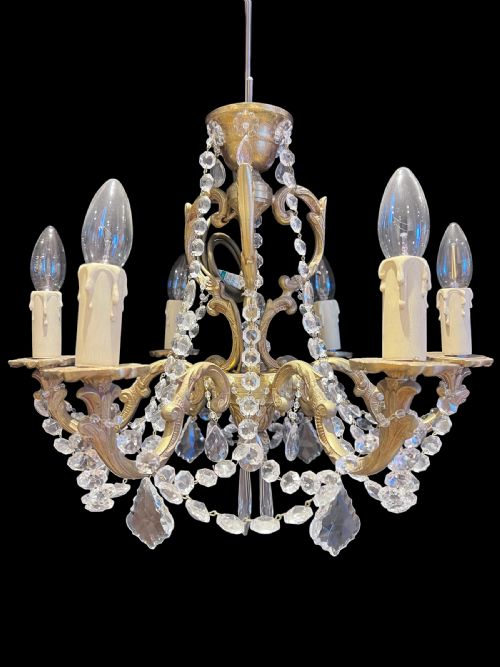
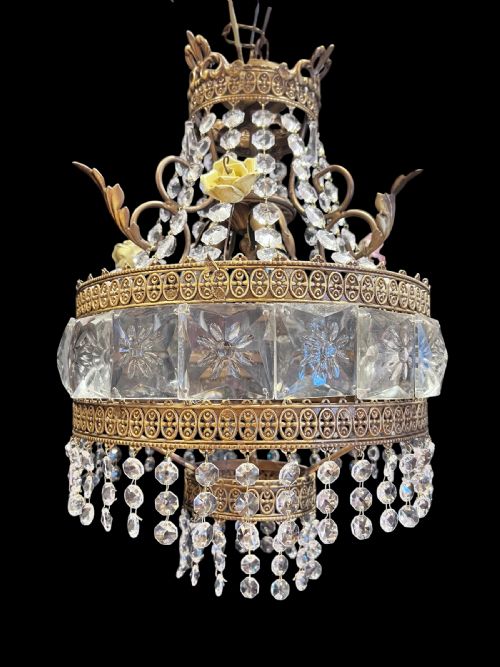
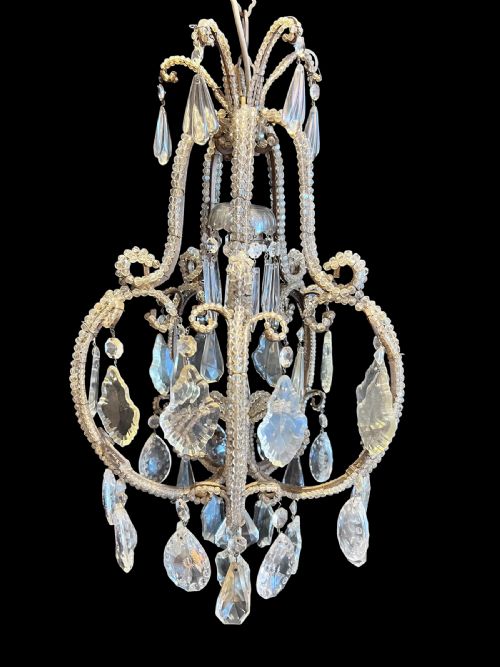


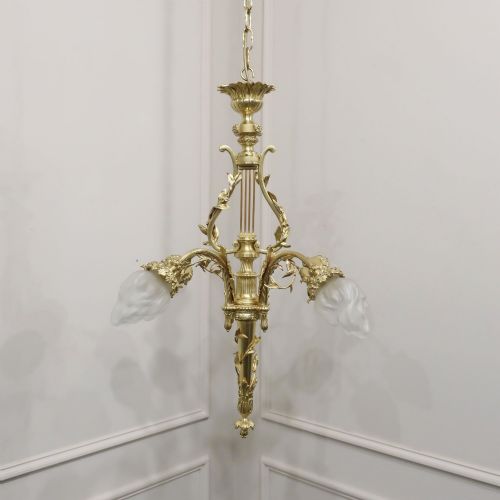
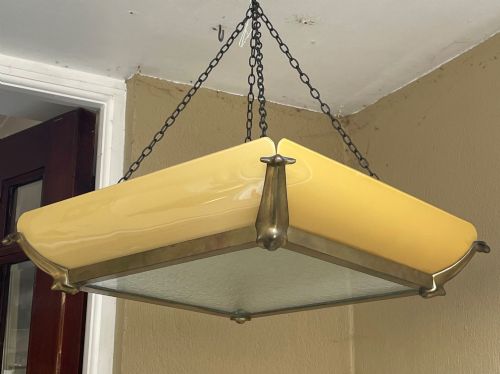
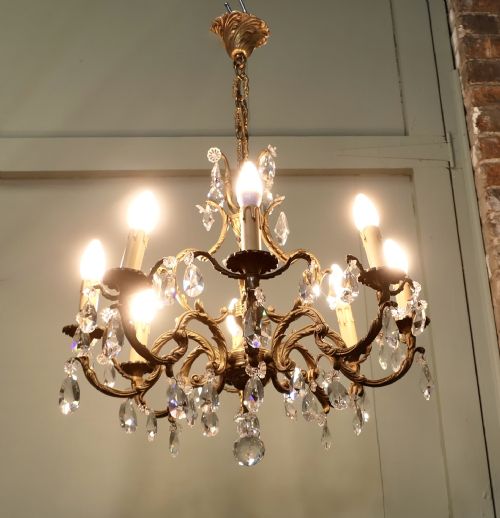
Vintage Glass Pendant Fixture
A vintage glass pendant fixture brings focused illumination and period character to a room.
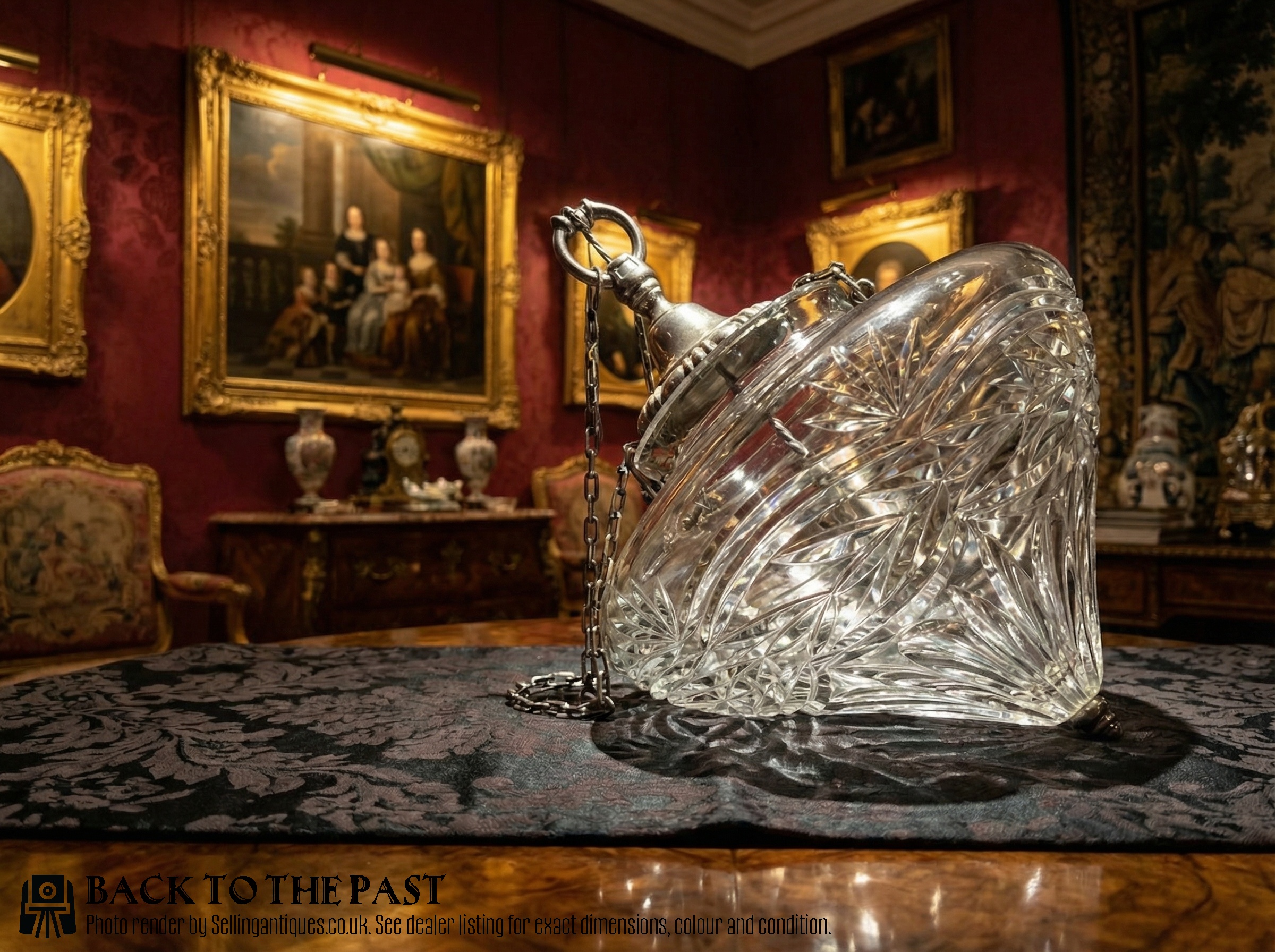
Vintage Glass Pendant Fixture
Materials and construction
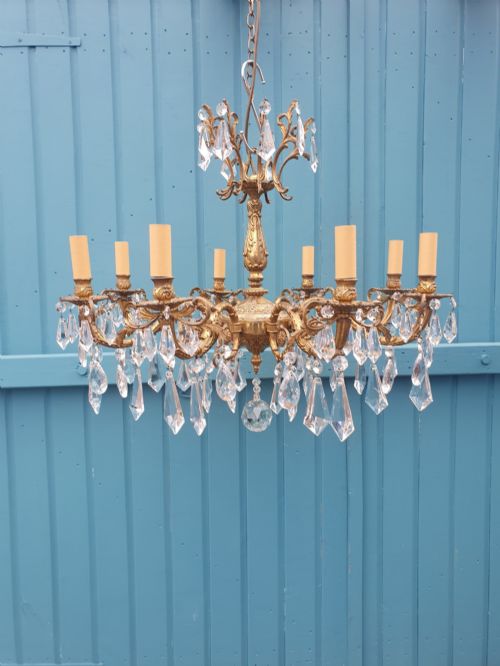
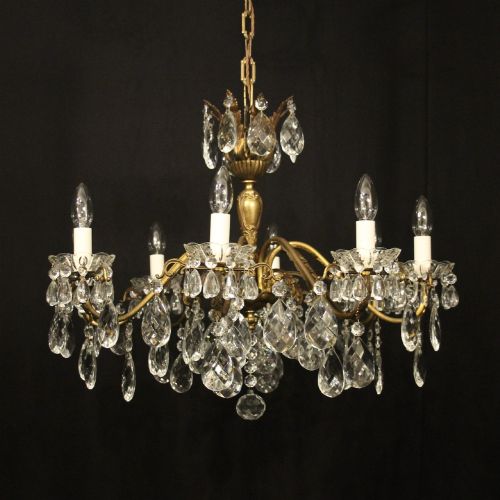
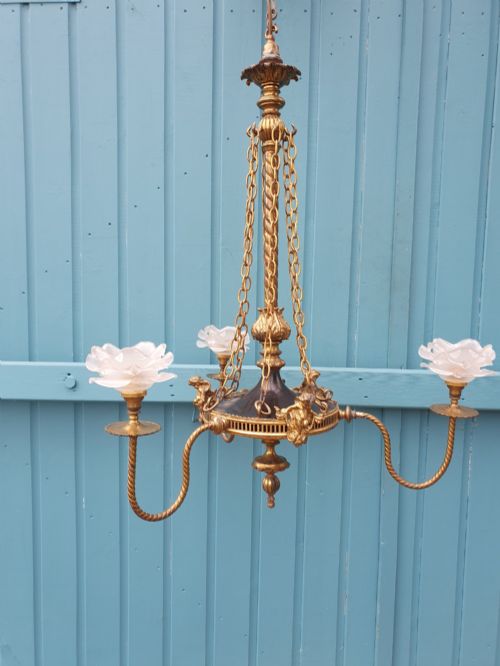
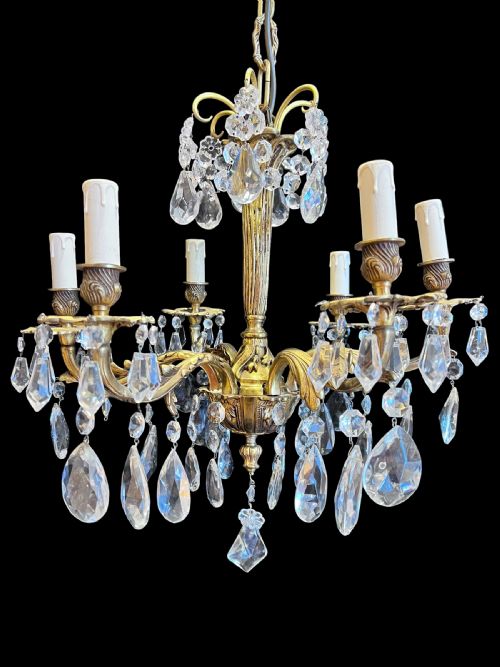
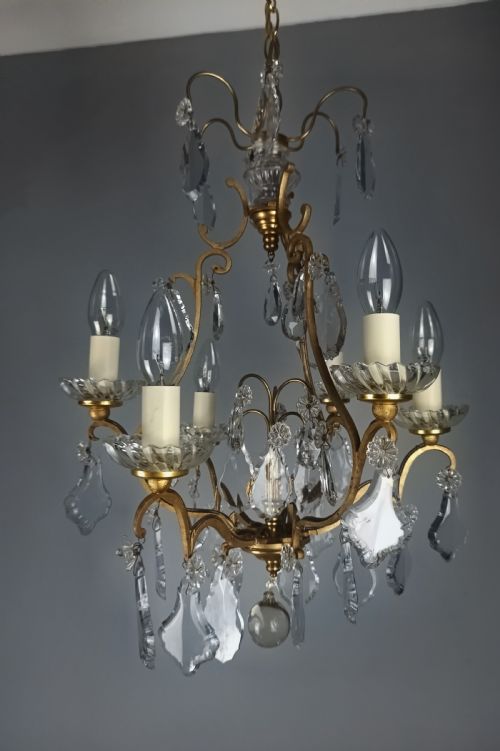
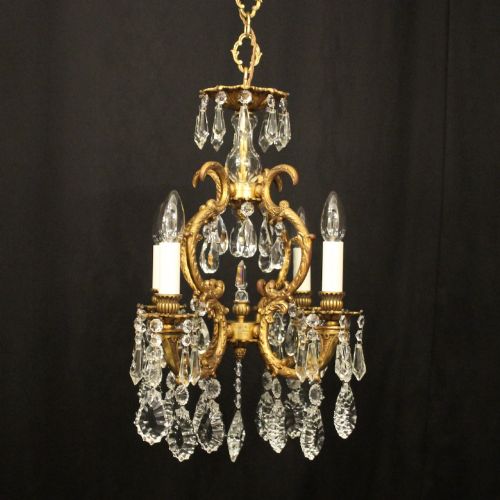
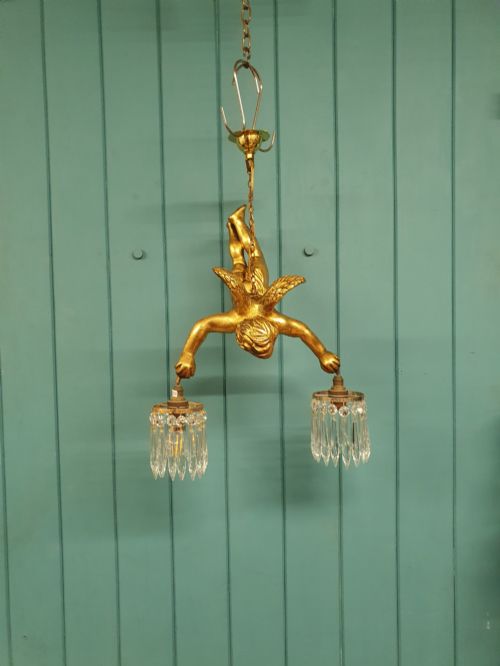
These fixtures combine glass and metal, utilising brass, gilt bronze, and copper frames to support cut glass, crystal lustres, or moulded opalescent shades. Metal components are cast, chased, or spun before receiving gilt or patinated finishes.
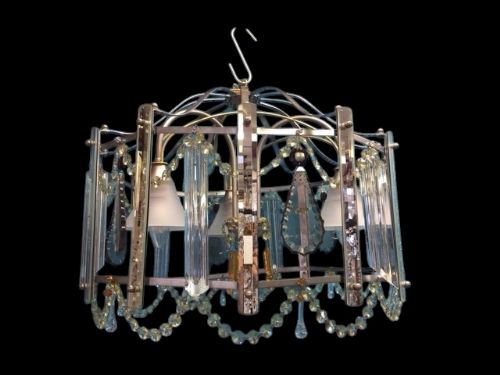
Glass elements are hand-cut, leaded, or moulded into globes, spikes, and star shapes to refract light. Frames often incorporate mechanical fixings to secure heavy glass panels and crystal drops safely.
The listings span from the Victorian period through the 1930s, uniting brass, copper, and gilt metal with cut crystal and moulded glass.
Distinguishing quality
Quality rests in the weight of the metal casting and the clarity of the glass. Superior pieces exhibit crisp chasing on bronze and brass frames alongside deeply refractive, hand-cut crystal rather than pressed alternatives.
Integrity of construction defines the upper tier, where original suspension hardware, intact mineral glass, and secure mounting points remain unaltered by modern substitutions.
Émile-Jacques Ruhlmann
The Vintage Glass Pendant Fixture Glossary
- Plafonnier
- A ceiling-mounted glass bowl or dome light that sits flush or close to the ceiling. These direct light downwards and often feature cut glass or moulded patterns.
- Tent and waterfall
- A chandelier style featuring strings of crystal beads draped in a triangular tent formation above a cascading lower tier of drops. This configuration maximises light refraction.
- Slip shade
- A type of shade held in place by the frame of the fixture rather than screws or a central fitter. These moulded glass shades are characteristic of Art Deco lighting design.
- Lustre
- A cut crystal pendant drop suspended from the arms or frame of a light fixture. Lustres amplify illumination by catching and splitting the bulbous or candlelight.
Vintage Glass Pendant Fixture: Frequently Asked Questions
How do I hang a heavy vintage pendant?
Heavy fixtures require direct anchoring into ceiling joists using a rated metal hook or strap capable of supporting the combined weight of the metal frame and glass components.
Rewiring should be handled by a professional to ensure the internal sockets and brass stem can safely manage modern electrical loads.
What rooms suit a glass pendant light?
Pendant lights and hall lanterns suit entrance hallways, high-ceilinged stairwells, and dining spaces where direct vertical illumination functions effectively.
Smaller plafonniers work well in rooms with standard ceiling heights where a flush or semi-flush profile is required.
How do I clean antique glass and brass?
Glass shades and crystal lustres should be removed and washed in warm, soapy water before drying thoroughly with a lint-free cloth to restore clarity.
Brass and gilt metal frames require only gentle dusting, as chemical polishes can strip the historic patina accumulated over the decades.
How do I date a glass ceiling light?
Dating relies on stylistic markers, such as the geometric lines of 1930s Art Deco slip shades or the heavy cast brass and opalescent glass typical of 19th-century gasoliers.
Fixing methods and wiring channels also provide clues, as older pieces retain hand-threaded brass screws and early textile-wrapped cords.