





Vintage Glass Lampshade
A vintage glass lampshade softens a room with coloured, etched, or frosted surfaces shaped across the Victorian, Edwardian, and Art Deco periods.
Vintage Glass Lampshade
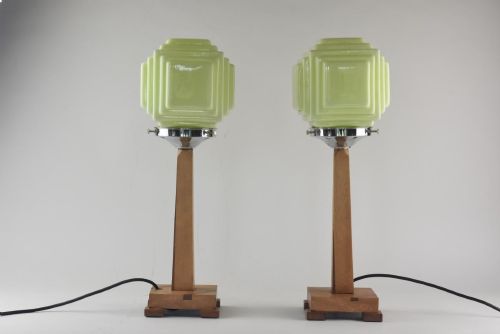
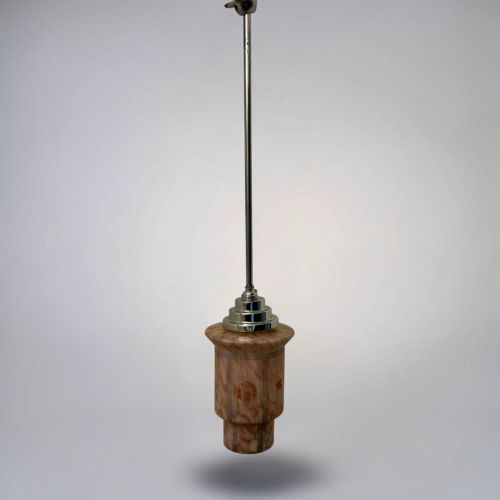
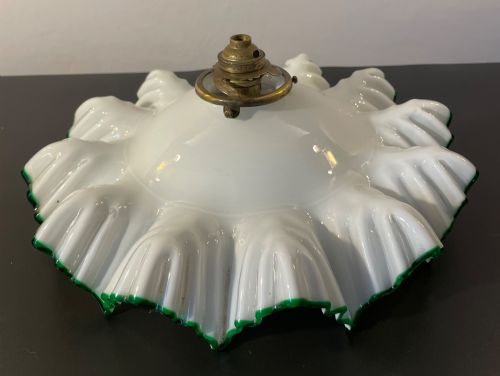
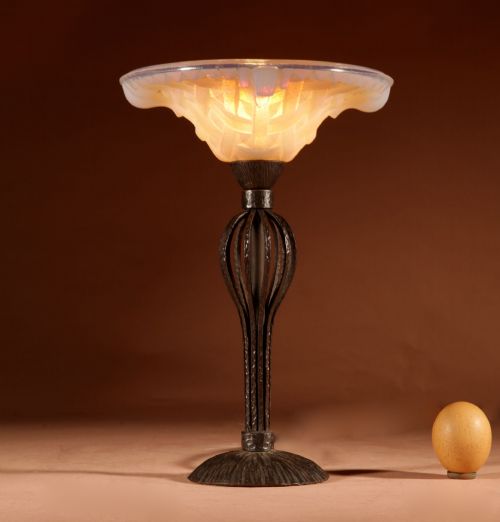
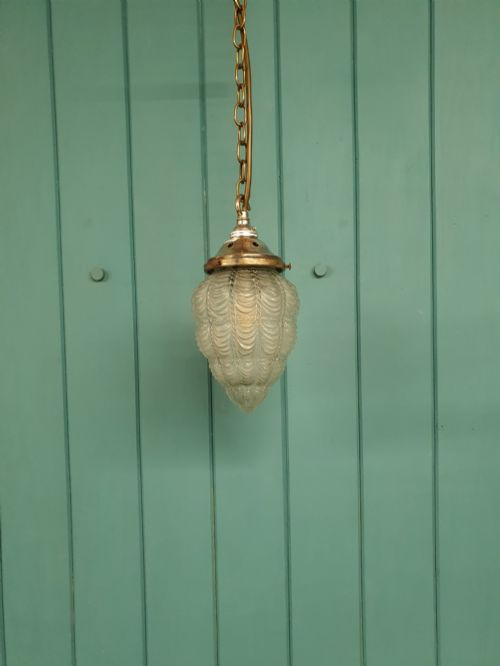
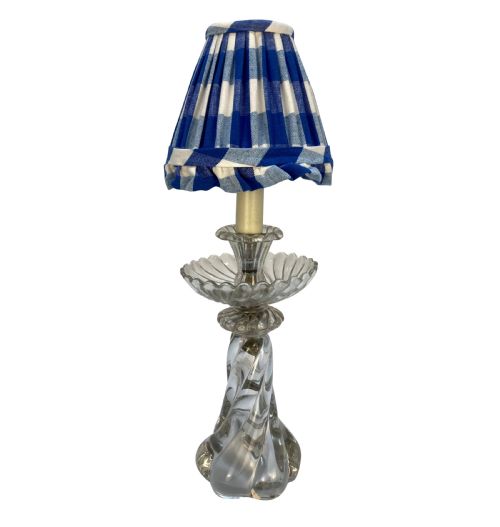
A vintage glass lampshade encompasses ceiling pendants, table lamps, and wall fixtures spanning the nineteenth century through the nineteen-thirties. Buyers searching for a vintage glass lampshade encounter forms ranging from simple frilled fringes to geometric Art Deco plafonniers and moulded bowls.
The selections on this page draw predominantly from the nineteen-thirties, Victorian, and Edwardian eras, reflecting French and English domestic lighting. Common manifestations include ruby glass pendants, opalescent bowls, and frosted globes designed for domestic illumination.
Materials and construction
Glass is combined with brass, bronze, chrome, and wrought iron to form these light fittings. Manufacturing methods include pressing glass into moulds, etching patterns onto the surface, and mounting opalescent or frosted panes in metal frames.
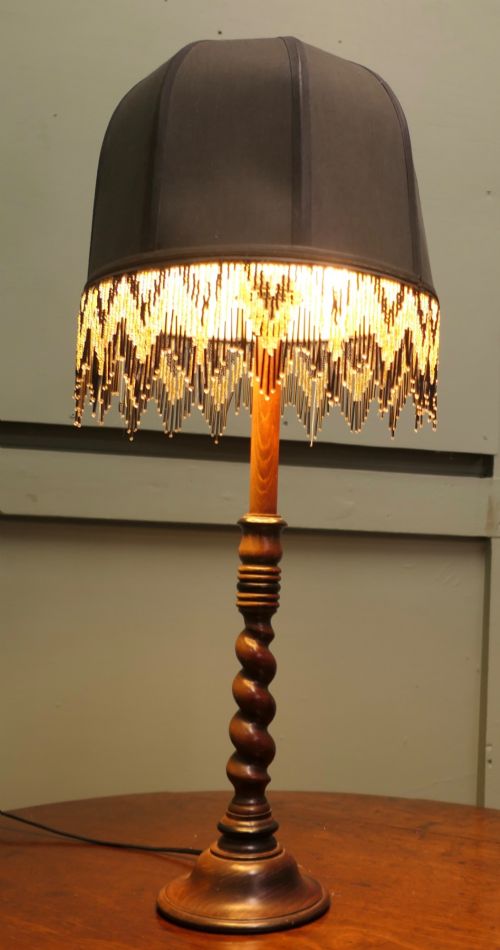
Makers utilised techniques such as satin finishing and bead stringing to diffuse light effectively. Metal components were cast, spun, or forged to hold delicate glass shades securely above living spaces and work areas.
Vintage Glass Lampshade Retail Price Guide 2026
Typical asking prices for vintage glass lampshade among the pieces listed under this phrase on Sellingantiques today, from the lower quarter to the upper quarter. They describe what is for sale here now, not the wider market.
Some nineteenth-century shades required paraffin oil to burn brightly while lighting Victorian parlour rooms.
Assessing quality in glass shades
Quality rests in the weight and clarity of the glass, alongside the integrity of the supporting metalwork. Heavier pressed glass, crisp etching, and substantial brass or bronze mountings distinguish superior examples from simpler production pieces.
The refinement of the decorative detail, whether a moulded Art Deco geometric pattern or a hand-finished frilled edge, dictates the standing of the piece. Integrated mountings and original metal suspension hardware add considerable substance to the assembly.
Lacroix·Lalique
The Vintage Glass Lampshade Glossary
- Plafonnier
- A shallow bowl-shaped ceiling light mounted close to the ceiling, frequently encountered in Art Deco styles.
- Opalescent glass
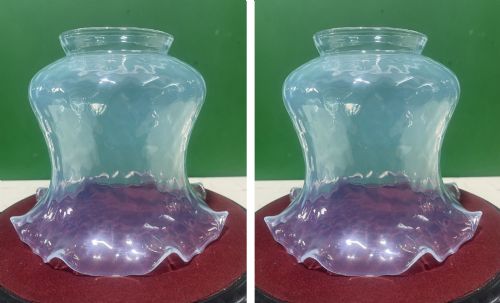
- Glass containing agents that create a milky, semi-translucent appearance with shifting tones of blue and orange.
- Pressed glass
- Molten glass shaped by being pressed into a metal mould with a plunger, allowing for repeatable patterns.
- Cranberry glass
- Transparent red glass produced by adding gold chloride to the molten batch during nineteenth-century manufacture.
- Frilled lampshade
- A shade featuring a ruffled or crimped edge, popular in French and English lighting of the early twentieth century.
Vintage Glass Lampshade: Frequently Asked Questions
What periods do these lampshades cover?
The pieces span from the nineteenth century through the Edwardian era and into the nineteen-thirties.
Art Deco and Victorian designs form a significant portion of the available lighting.
How were these glass shades mounted?
Shades are typically suspended from ceilings using brass, bronze, or chrome chains and fitments.
Some examples sit on table lamps or desk lamps with adjustable metal arms.
What glass types are most common?
Frosted, pressed, and opalescent glass appear frequently across the selection.
Coloured varieties include ruby, cranberry, and amber shades designed to warm interior light.
Are these shades suitable for modern ceilings?
Many pendant and ceiling light shades adapt readily to standard domestic suspension fittings.
Wiring and fixings should be inspected and tested by a qualified electrician prior to installation.