
Vintage Glass Frame
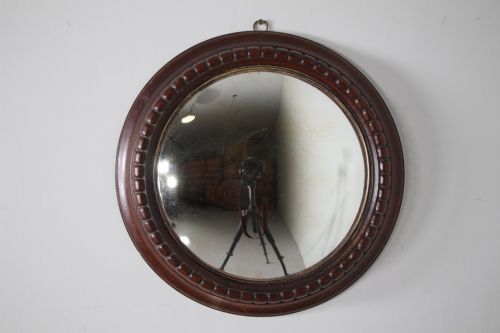
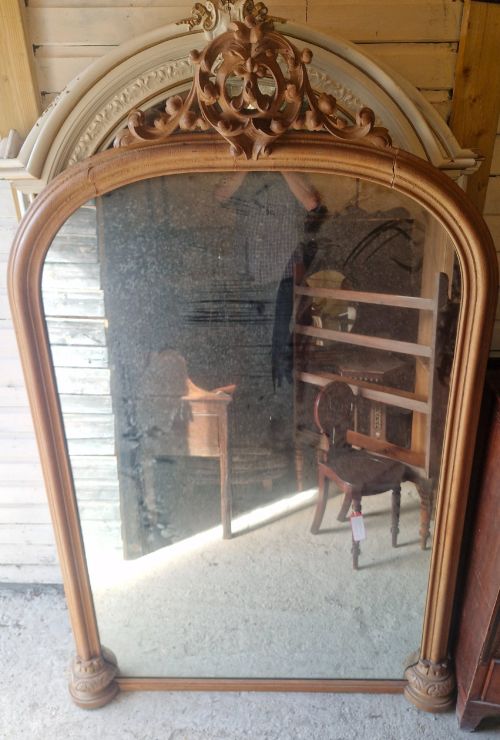
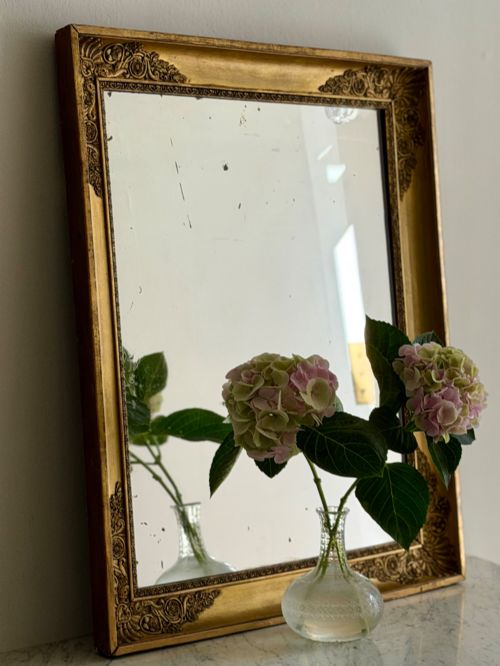
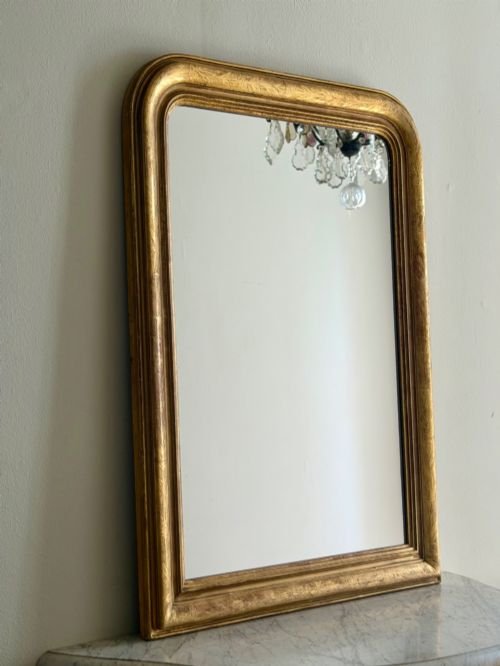
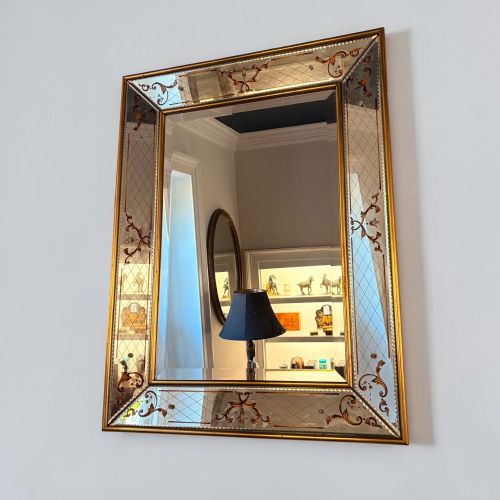
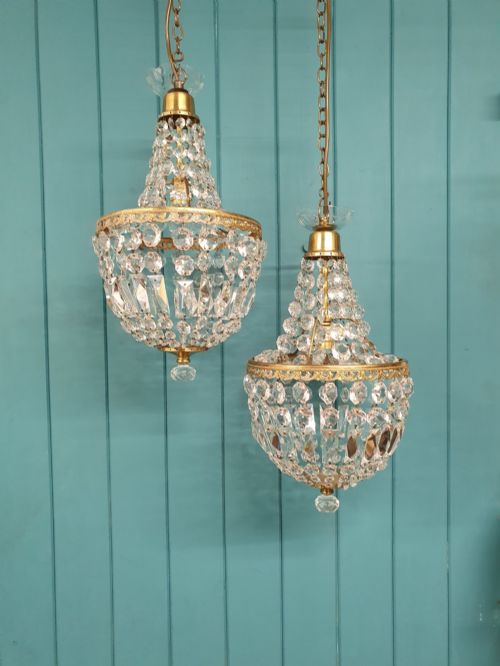
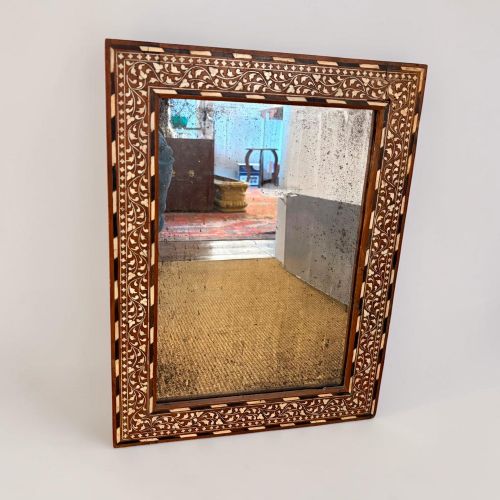
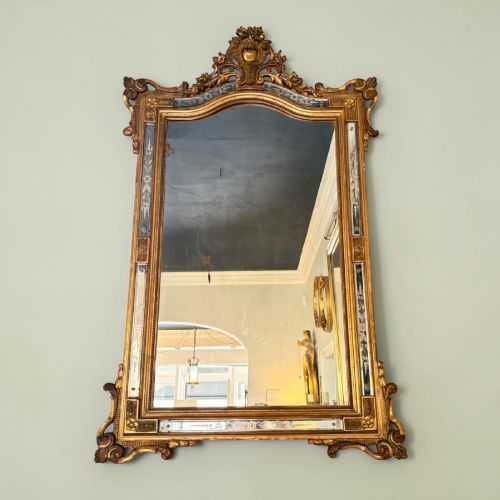
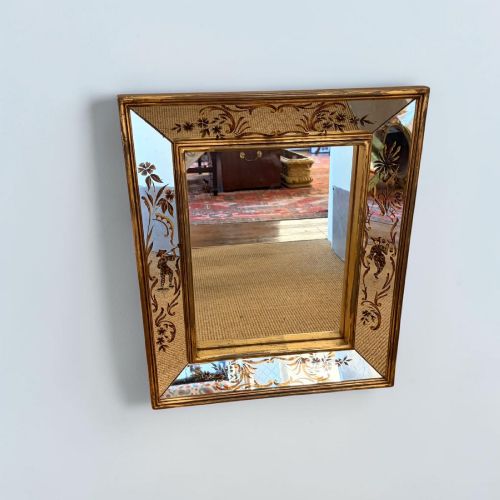
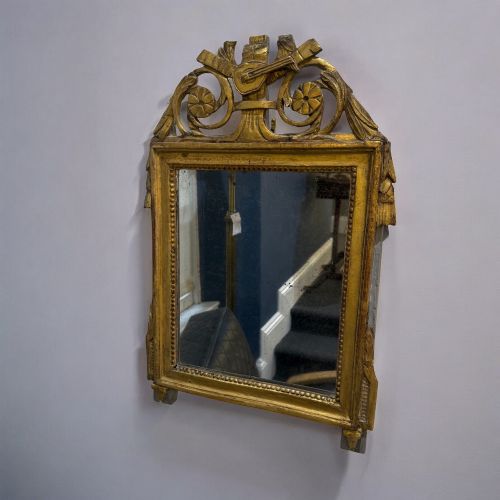
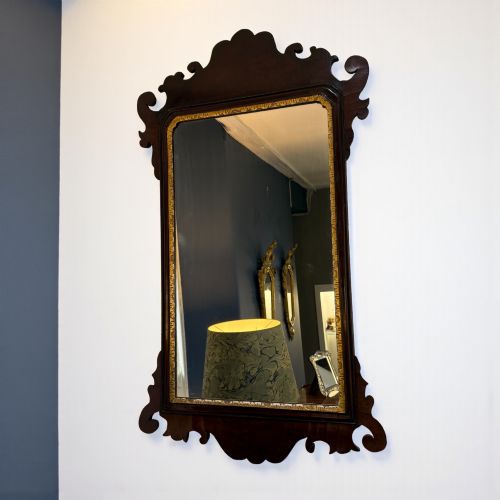
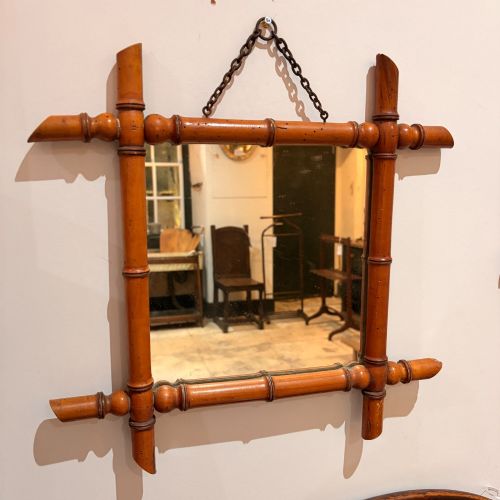
These pieces take the vintage glass frame as their starting point, gathering wall mirrors, display cases, and lanterns that put transparent material to work.
Vintage Glass Frame
A vintage glass frame encompasses mirrors, architectural salvage, and glazed display cases shaped by centuries of craftsmanship. The selection spans the eighteenth century through to the early twentieth century, offering diverse interpretations of framing.
Wall mirrors dominate the selection alongside overmantels, pier mirrors, and hanging lanterns in brass and copper. Oak, mahogany, walnut, and gesso provide the structural housing for the transparent plates.
Origin points range from English workshops to French ateliers, bringing rococo and neoclassical decorative vocabularies to domestic interiors. Pieces from the Edwardian era and Victorian period frequently feature bevelled glass and carved surrounds.
Materials and construction methods
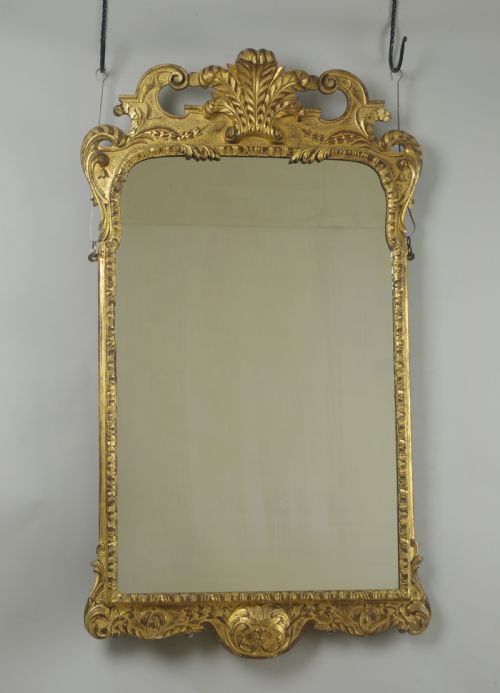
Woodcarving and gesso moulding form the foundation of ornate frames, utilising oak, walnut, mahogany, and giltwood. Artisans shaped these timbers with intricate floral motifs and scrolling details before applying gold leaf or paint.
Glass production relied on bevelled edges and mercury silvering, occasionally showing age through foxing. Brass and copper frames utilised cast and soldered components to construct structural lanterns and decorative mounts.
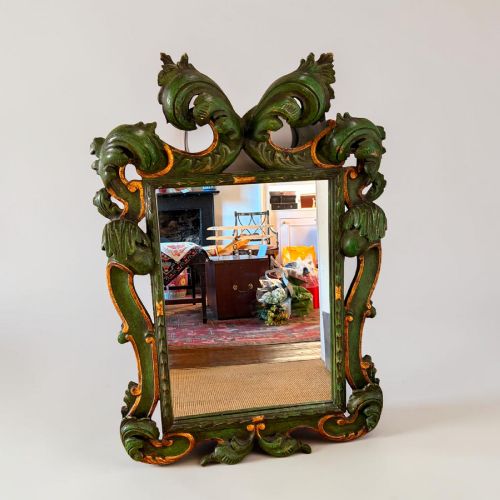
The inventory incorporates French rococo revival styles alongside English Edwardian and Victorian domestic furnishings.
Distinctions in standard and execution
The crispness of carved detail in wood and gesso dictates the refinement of a piece, distinguishing hand-chiselled depth from soft, moulded reproduction. Gilt surfaces show variation in the application of leaf and the preservation of original burnishing.
Glass plates demonstrate quality through the precision of their bevels and the clarity or intentional patination of the silver backing. Structural integrity in the underlying timber joints ensures the heavy glazed elements remain secure.
Little and Co·Waring and Gillow·T. E. Gunn
The Vintage Glass Frame Glossary
- Bevel
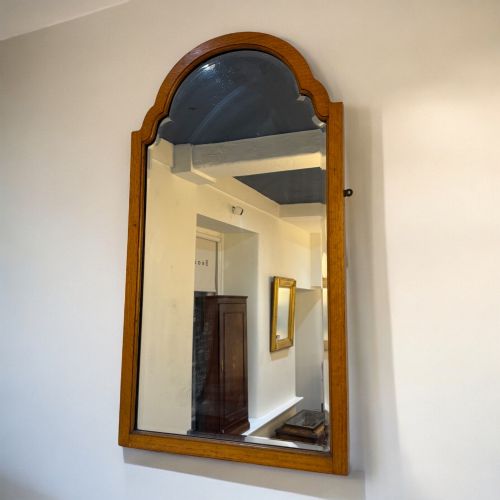
- The angled edge cut around the perimeter of a mirror glass plate. This technique creates a prismatic light effect and adds depth to the overall composition.
- Gesso
- A plaster-like mixture applied to wood frames as a base for gilding. Skilled carvers incised decorative details directly into this surface before applying gold leaf.
- Foxing
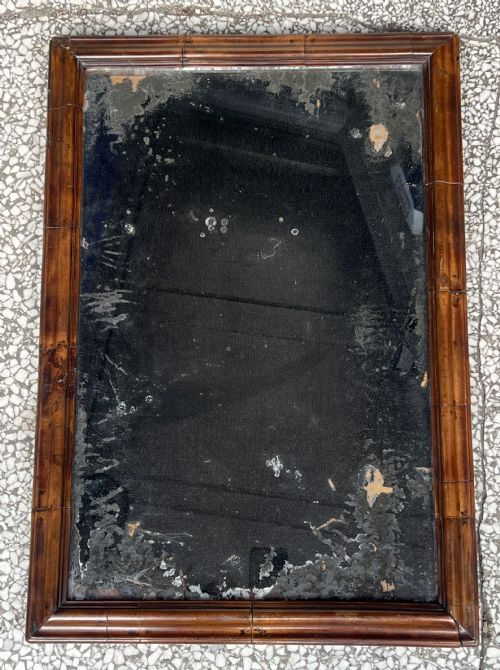
- The speckled brown or grey oxidation spots that develop on older mirror plates over time. This chemical ageing process is characteristic of antique mercury glass.
- Giltwood
- Timber carved and coated with gold leaf. It defines the opulent appearance of French rococo and revival wall mirrors.
- Pier mirror
- A tall, narrow glass designed to hang on the wall space between windows. These pieces maximised ambient light in nineteenth-century rooms.
Vintage Glass Frame: Frequently Asked Questions
How do I clean an antique glass frame?
Dust timber and gesso surfaces gently with a dry, soft brush to protect fragile finishes. Avoid commercial chemical sprays on antique glass and aged gilt.
Apply a tiny amount of distilled water on a cloth for stubborn marks on the glass. Keep moisture away from the wooden backing and original joints.
How do I hang a heavy mirror safely?
Assess the weight of the timber and glass before selecting appropriate wall fixings. Use heavy-duty wall anchors secured directly into masonry or studs.
Employ a professional picture hanging service for large giltwood or oak overmantels. Ensure the original wire or D-rings on the frame can support the load.
What is foxed glass?
Foxing refers to the natural breakdown of the silver backing on older mirrors. Moisture seeps behind the glass over decades, creating dark patches and star-like spots.
Collectors prize foxed glass for the authentic age it imparts to nineteenth and eighteenth-century pieces. It proves the plate is original to the frame.
How do I identify a Victorian mirror?
Victorian frames frequently display heavy gesso ornamentation, deep oak carvings, or aesthetic movement styling. Look for thicker glass plates with characteristic hand-bevelled edges.
Examine the construction of the wooden backboards and fixings for period hand-cut screws. Taxidermy cases and wall mirrors from this era often bear maker labels or stamps.