



Vintage Glass Eye
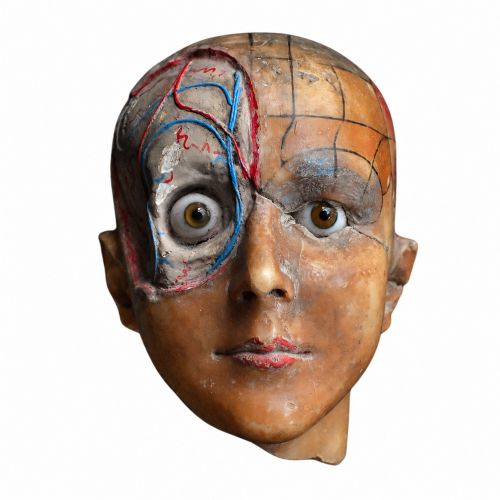
These vintage glass eye pieces span Victorian animal novelties, Art Deco cats, and optical lenses from the nineteenth and early twentieth centuries.
Vintage Glass Eye
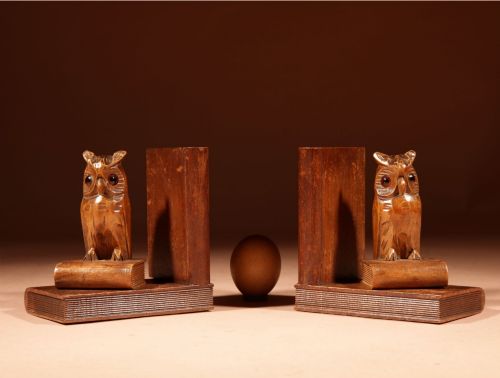
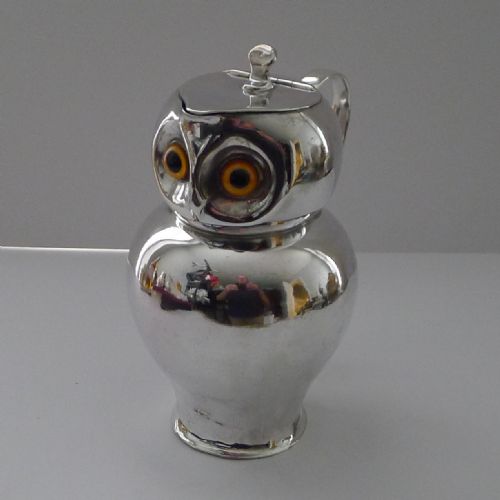
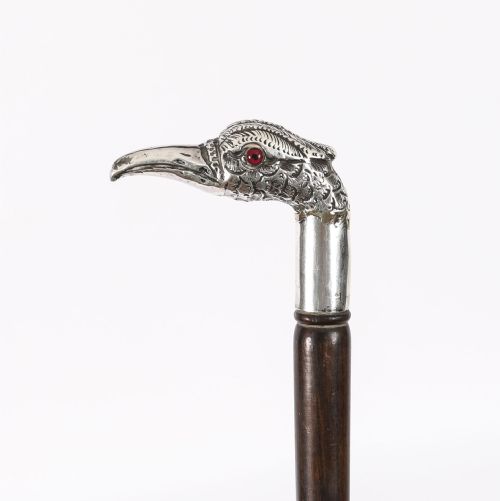
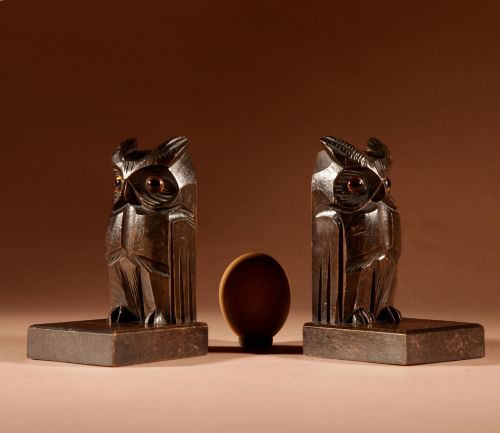
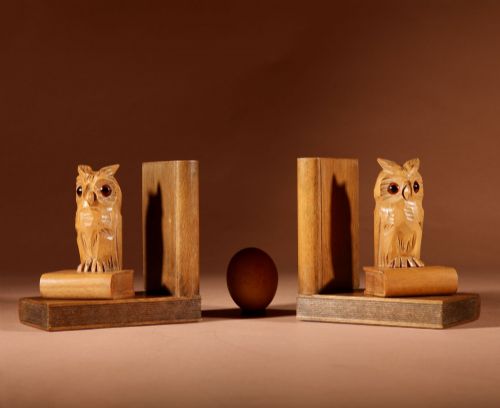
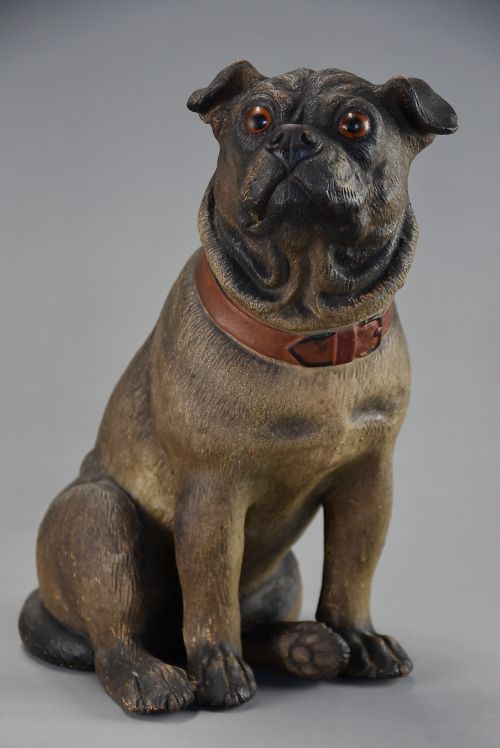
When you search for a vintage glass eye, you encounter a distinct grouping of objects where glass optics or artificial eyes form the central feature of the design. The pieces meeting this description range from novelty silver-plated jugs, inkwells, and pepperettes shaped as owls and pugs to Black Forest carved bookends and French feline figures.
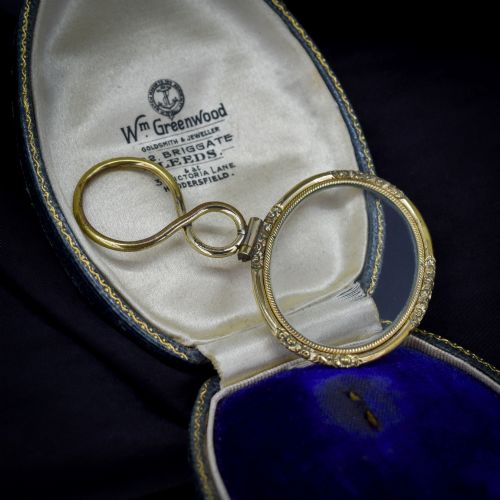
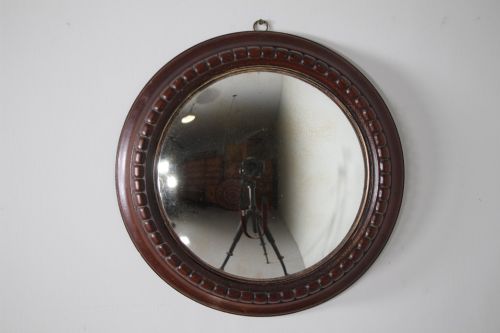
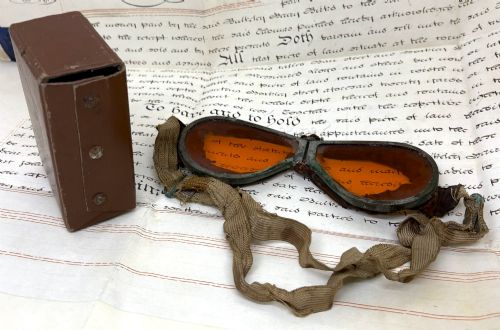
Beyond animal novelties, the selection encompasses practical items including aviation goggles, opticians' test lens kits in cabinets, spectacles, and wall mirrors utilising convex or bullseye glass plates. These objects draw interest through their clever incorporation of optical glass to impart lifelike expression or utilitarian function.
The items span the nineteenth century through the Edwardian period and the Art Deco era of the 1930s. Animal figures modelled in terracotta, porcelain, and carved wood dominate the earlier periods, while sleek maple furniture and cast bronze figures represent the later Art Deco examples.
How they were made
The construction of these objects relies heavily on traditional media such as glass, brass, giltwood, mahogany, terracotta, and linden wood. Makers formed animal bodies through hand-carving timber, moulding terracotta, or casting metals like pewter and bronze before integrating small glass components.
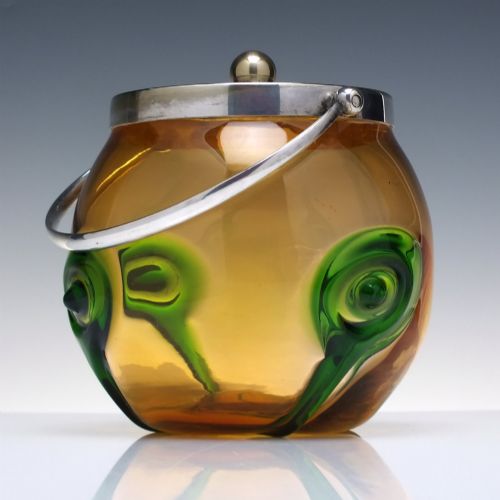
Glass elements range from hand-blown bullseye plates and amber-tinted goggle lenses to meticulously painted roundels functioning as animal optics. In lighting and novelty items, these glass components combine with silver plating, gilt bronze, and various hardwoods to create tactile, detailed items.
Vintage Glass Eye Retail Price Guide 2026
Typical asking prices for vintage glass eye among the pieces listed under this phrase on Sellingantiques today, from the lower quarter to the upper quarter. They describe what is for sale here now, not the wider market.
Listings feature items from the 1880s through the 1930s, constructed in glass, brass, terracotta, and linden wood.
What varies in quality
Quality in these pieces rests upon the precision of the carving or modelling and the fidelity with which the glass eyes capture expression. Fine examples display careful anatomical detail in the surrounding fur, feathers, or metalwork, paired with glass eyes that possess depth and correct scale.
Condition and originality dictate distinction across the range, particularly regarding intact glass lenses, unblemished mirror plates, and original surface patination on wood and metal components. Pieces retaining their fitted cases, original glass tops, or unaltered cold-painted finishes command greater appreciation.
The Vintage Glass Eye Glossary
- Convex mirror
- A circular mirror with a bulging spherical glass surface that provides a wide-angle reflection of a room. These frequently feature giltwood or mahogany frames.
- Cold-painted terracotta
- A technique where earthenware figures are painted in oil-based colours after firing rather than being refired in a kiln. This method yields delicate detail on animal models.
- Black Forest carving
- Woodwork originating from the mountainous region of central Europe, characterised by deeply carved wildlife subjects like bears and owls. Items often take the functional form of bookends or inkwells.
- Bulls eye glass
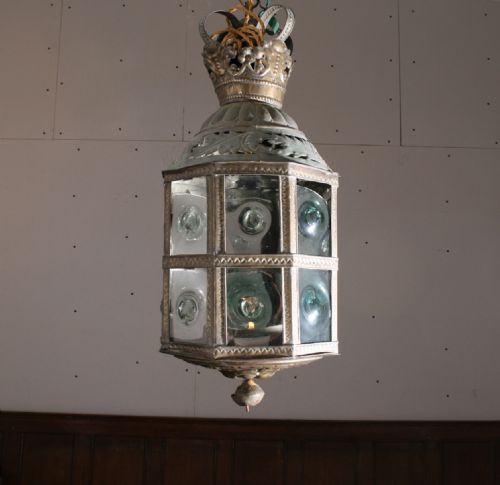
- Early glass formed by the hand-blowing method, leaving a characteristic circular thickening or distortion in the centre. It appears frequently in lanterns and small windows.
- Novelty inkwell
- A desk accessory fashioned into a playful or humorous shape, such as an animal or bird, concealing a glass ink insert. These were popular throughout the Victorian period.
Vintage Glass Eye: Frequently Asked Questions
How do I care for carved wooden bookends?
Dust the carved surfaces regularly with a soft, dry brush to prevent dirt accumulation within the recessed wooden details.
Keep the items away from direct sunlight and excessive heat sources to protect the wood grain and the security of the glass eyes.
Are optician test kits complete?
Optician test kits generally house a comprehensive collection of glass lenses arranged neatly within a fitted wooden cabinet.
These educational and professional instruments reflect late nineteenth and early twentieth-century optometry practices.
How do I distinguish Art Deco pieces?
Art Deco pieces from the 1930s utilise sleek materials like blonde maple, black lacquer, and cast bronze alongside stylised geometric animal forms.
They stand apart from Victorian items through their streamlined silhouettes and lack of heavy ornamentation.