



Vintage Glass Decorative Vase
A vintage glass decorative vase brings colour and texture to a room, drawing the eye with distinctive forms from the Art Nouveau and Art Deco periods.
Vintage Glass Decorative Vase
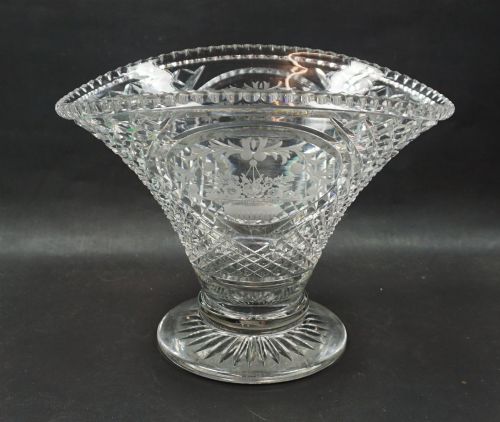
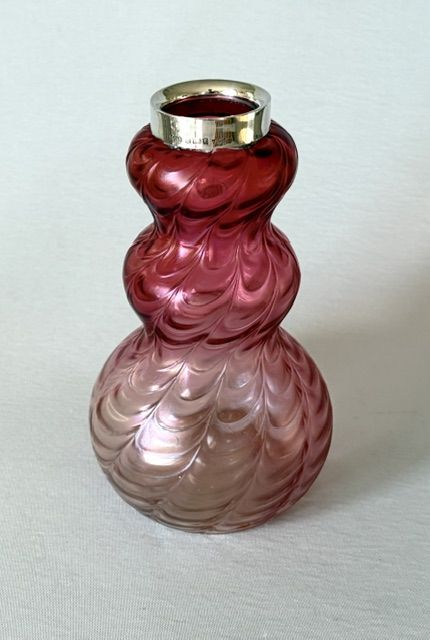
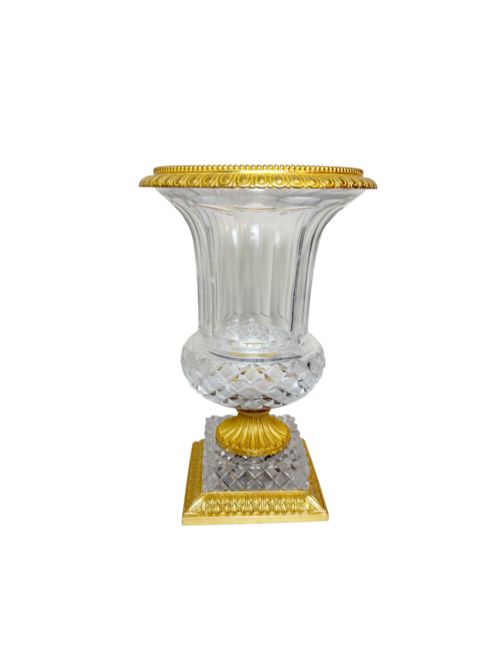
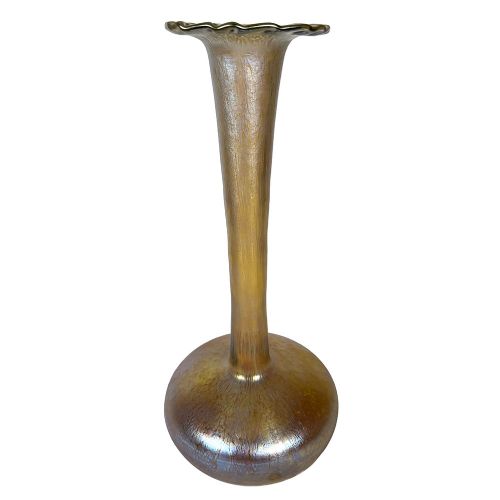
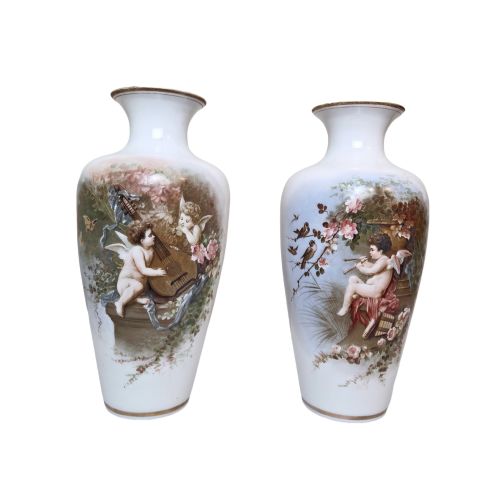
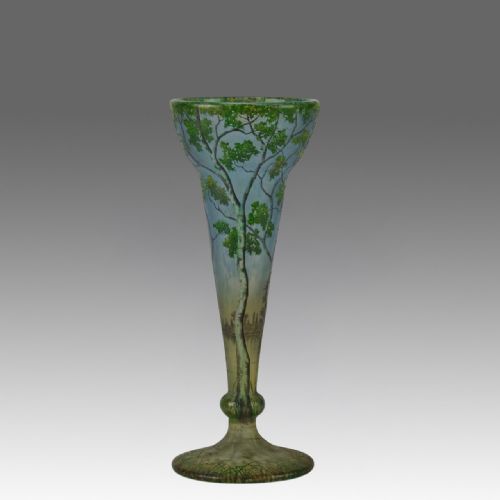
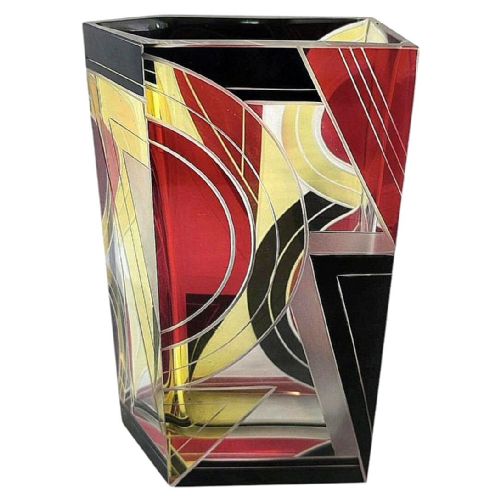
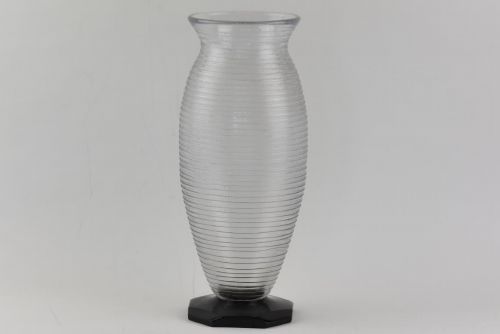
A vintage glass decorative vase stands as a striking focal point, drawing from periods such as the Victorian era, the 1900s, and the 1930s. These pieces include tall geometric vessels, footed landscape forms, and baluster shapes.
The selection on this page leans heavily toward early twentieth-century creations, spanning Art Nouveau and Art Deco aesthetics alongside Victorian designs. Buyers encounter vessels shaped for floral display as well as centrepieces and ewers.
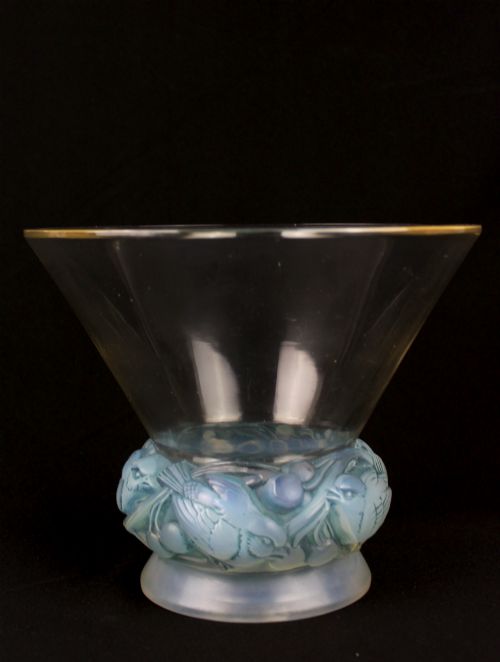
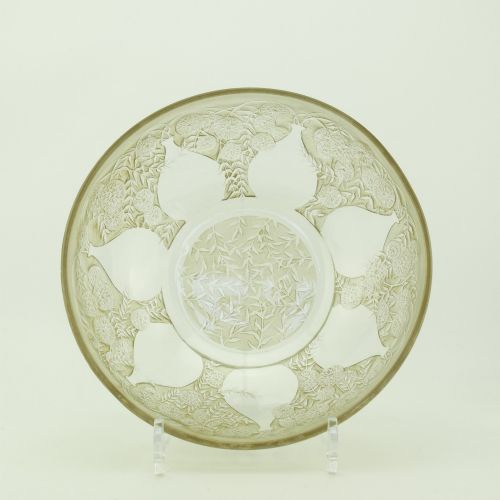
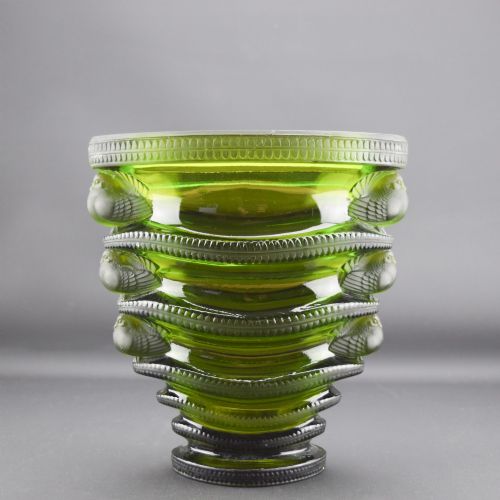
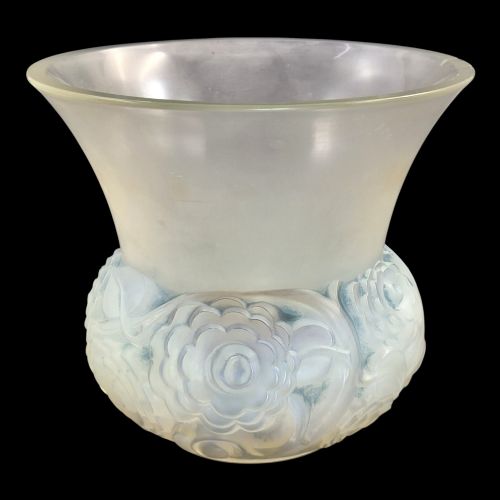
Origins stretch across France, Bohemia, and Britain, showing considerable variety in silhouette. From simple opalescent bowls to elaborate moulded crystal, each piece reflects the decorative priorities of its decade of production.
How they were made
Makers utilised techniques like acid-etching, cameo carving, and moulding to shape the glass. Frosted and opalescent finishes were achieved through specific chemical treatments during the cooling process.
Surface ornamentation frequently involved enamel decoration, gilding, and applied gold leaf. Pewter overlays and silver plating were also added to enhance the structural silhouette of the vessel.
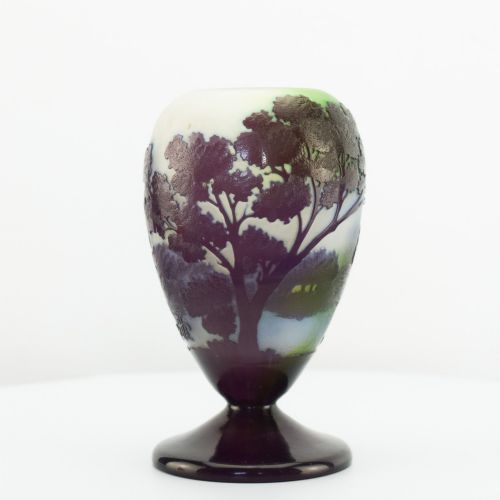
Cameo glass pieces required multiple layers of coloured glass fused together before a craftsman carved away the outer strata to reveal the contrasting design beneath.
Vintage Glass Decorative Vase Retail Price Guide 2026
Typical asking prices for vintage glass decorative vase among the pieces listed under this phrase on Sellingantiques today, from the lower quarter to the upper quarter. They describe what is for sale here now, not the wider market.
Listings feature moulded glass, frosted glass, and acid-etched glass from Victorian, Edwardian, and Art Deco periods.
What varies in quality
Quality rests upon the crispness of the carving and the depth of the cameo layers. Superior pieces show precise control over acid-etched details and smooth, uniform opalescence.
The weight of the crystal and the clarity of the coloured glass distinguish standard production from exceptional studio output. Signed pieces by established makers typically exhibit finer finish work on the rims and bases.
Rene Lalique·Daum Freres·Emile Galle·Karl Palda·Thomas Webb and Sons·LCT Tiffany
The Vintage Glass Decorative Vase Glossary
- Cameo Glass
- Glass vessels made with two or more distinct layers of colour, allowing artisans to carve away parts of the top layer to create a raised design. This technique demands immense skill and precision.
- Opalescent Glass
- A type of glass that displays milky, milky-blue, or fire-like iridescent tones when lit from certain angles. It gained immense popularity during the early twentieth century.
- Acid-Etched Glass
- Glass treated with hydrofluoric acid to eat away exposed surfaces, creating frosted patterns or textured designs. This method replaced slower hand-cutting techniques for many decorative items.
- Enamel Decorated
- Glass embellished with melted coloured glass powder painted onto the surface and fired to fuse permanently. This adds vibrant patches of colour and intricate detail to the vessel.
- Baluster Vase
- A vase featuring a distinctive architectural shape with a rounded body tapering down to a narrow stem and spreading foot. It echoes the traditional support pillars found in classical balustrades.
Vintage Glass Decorative Vase: Frequently Asked Questions
How do I style a vintage glass decorative vase at home?
Place your vintage glass decorative vase on a mantelpiece or a central table where natural light can pass through the tinted or opalescent material. Simple placement near a window allows the colours and etched details to catch the daylight.
Keep surrounding clutter to a minimum so the silhouette of the vessel remains the focal point of the room. These pieces hold their own without needing heavy floral arrangements inside them.
What is cameo glass?
Cameo glass is a form of art glass produced by fusing two or more layers of contrasting colours together, usually opaque white over a dark body. Artisans then carve away the outer layer by hand or with acid to reveal the design.
This technique creates a distinct relief effect where the motif stands out in sharp contrast against the background. It represents some of the most intricate craftsmanship found in turn-of-the-century decorative objects.
How do I tell Art Nouveau from Art Deco pieces?
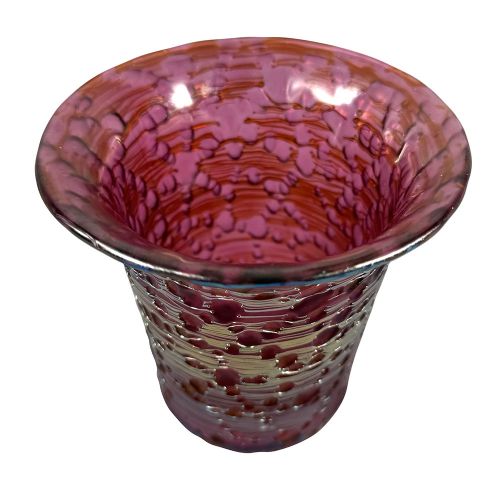
Art Nouveau items, produced around 1900, feature flowing organic lines, floral motifs, and iridescent finishes that mimic natural forms. You will often see depictions of honeysuckle, cornflowers, and swirling plant stems.
Art Deco pieces from the 1930s embrace strict symmetry, sharp angles, and bold geometric patterns. The silhouettes become more streamlined and industrial, moving away from the soft curves of the earlier decade.
How were opalescent glass vases made?
Opalescent glass was manufactured by adding specific chemical agents to the molten batch that partially separated during cooling. This created milky, translucent areas that shifted in colour depending on how light struck the surface.
Makers then moulded or blew this reactive glass into complex shapes like bowls and vases, capturing the luminous effect within high-relief decorative patterns.