



Vintage Glass Butter Dish
A vintage glass butter dish brings practical elegance to the table, combining clear or coloured glass with precious metal mountings.
Vintage Glass Butter Dish
A vintage glass butter dish combines a glass base or liner with fitted metal mounts, covers or stands, often accompanied by matching serving pieces. When exploring a vintage glass butter dish, you encounter forms spanning the Victorian, Edwardian, and Art Deco periods, alongside Georgian and mid-century examples.
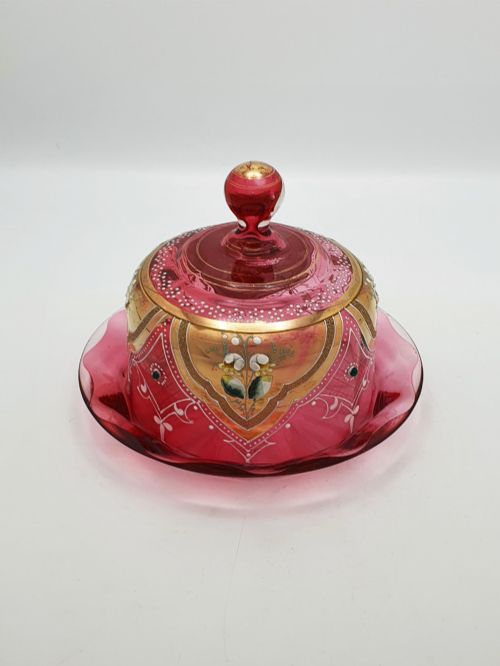
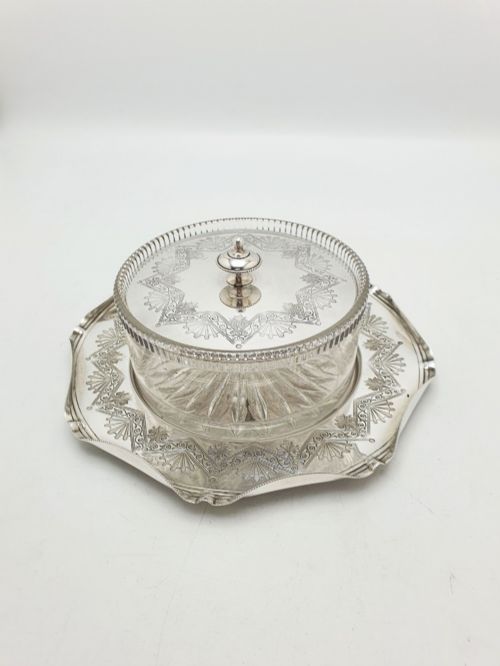
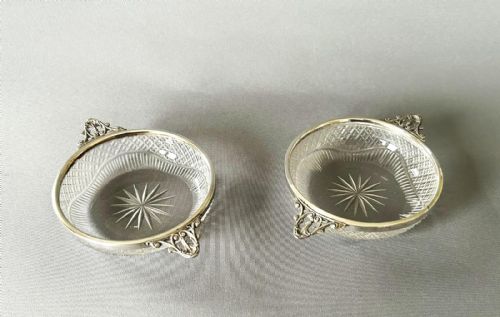
The selections on this page feature serveware such as cheese dishes, preserve pots, trinket dishes, and lidded butter dishes. Materials range from simple pressed or cut glass paired with silver plate to sterling silver, cranberry glass, green opaline glass, and cobalt blue vessels.
Origins include British workshops, American makers, Scottish makers, and continental European pieces, reflecting diverse stylistic influences from French Napoleon III to Art Nouveau. These objects served domestic dining tables before transitioning into decorative table accessories and display items.
Materials and construction
The physical build relies heavily on combinations of cut or moulded glass and metal components, primarily silver plate, sterling silver, and gold leaf accents. Glass elements are blown, pressed, or cut to shape, whilst metal mountings, rims, and covers are cast, pierced, or silver-plated.
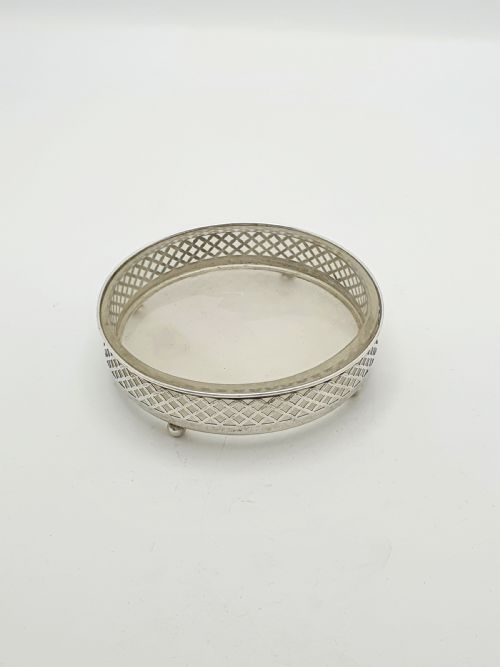
Many designs integrate bespoke glass liners that sit neatly inside pierced or solid metal frameworks, sometimes securing with hinged or lift-off covers. Additional decorative treatments involve enamel work and gilt edges, particularly on opaline glass or cranberry glass vessels.
Vintage Glass Butter Dish Retail Price Guide 2026
Typical asking prices for vintage glass butter dish among the pieces listed under this phrase on Sellingantiques today, from the lower quarter to the upper quarter. They describe what is for sale here now, not the wider market.
Materials documented across the inventory include cut glass, sterling silver, cranberry glass, and gold leaf.
Factors determining quality
Quality rests on the crispness of the glass cutting, the weight and purity of the metal mounts, and the integrity of any applied silver plating. Superior pieces display precise geometric facets on the glass and well-balanced proportions between the glass body and its metallic surround.
Maker marks, hallmarks for sterling silver, and robust structural joinery elevate individual examples above standard production items. The harmony between the glass liner and its original cover or stand also dictates the overall cohesion and desirability of the piece.
ADIE BROTHERS
The Vintage Glass Butter Dish Glossary
- Cut Glass
- Glass shaped and patterned by hand grinding and polishing wheels. This technique creates sharp facets that refract light brilliantly.
- Silver Plate
- A base metal coated with a thin layer of silver through electroplating. This method provided the look of solid silver at a lower cost.
- Cranberry Glass
- Transparent pinkish-red glass coloured by the addition of gold chloride during manufacture. It remains a hallmark of Victorian decorative glassware.
- Sterling Silver
- An alloy consisting of silver and other metals to ensure durability for tableware. British pieces typically bear standard assay office hallmarks.
Vintage Glass Butter Dish: Frequently Asked Questions
Were these dishes only used for butter?
While originally designed to hold dairy spreads on the dining table, many similar vessels served multiple functions. Lidded containers easily accommodated preserves, jams, marmalade, or small cheeses.
Today, collectors repurpose these lidded dishes for vanity storage, serving small sweets, or displaying trinkets. The versatile sizing makes them adaptable for various tabletop uses beyond dining.
How can I tell the period of a piece?
Dating relies on a combination of manufacturing techniques, decorative styles, and any accompanying hallmarks or maker stamps. Heavy cut glass combined with ornate silver plating often points towards late Victorian or Edwardian production.
Sleek geometric lines and minimal ornamentation suggest later Art Deco or mid-century origins. Examining the wear patterns on the base also provides clues regarding the age of the object.
Are replacement glass liners easy to find?
Finding an exact replacement glass liner for a specific metal frame can prove challenging due to variations in individual manufacturing. Most vintage pieces were made as unified sets where the glass and metal were fitted together.
When purchasing a dish with a liner, checking that both components fit securely together is essential. Surviving original liners significantly contribute to the completeness of the item.