



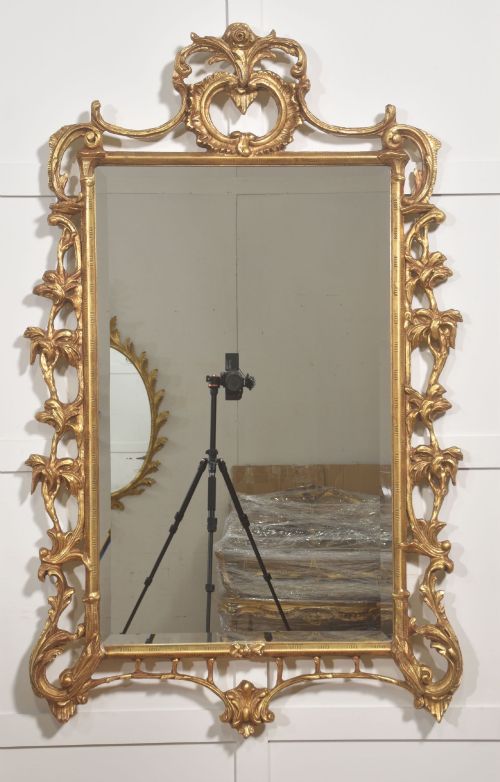
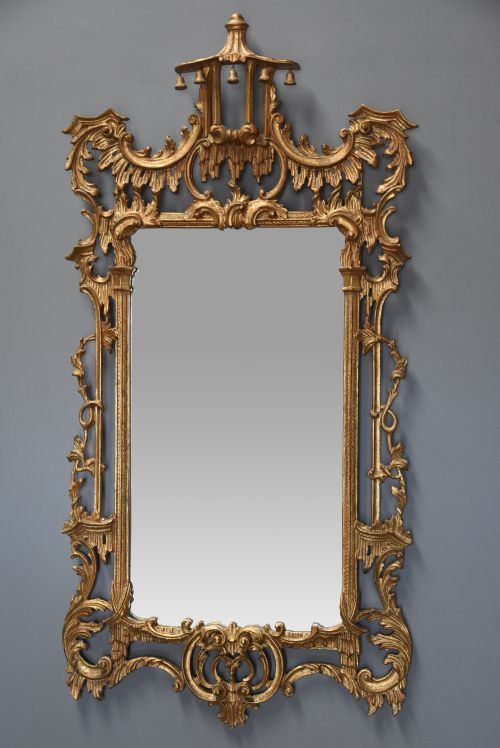
Vintage Giltwood Wall Mirror
A vintage giltwood wall mirror brings warm metallic reflection and classical presence to a room through centuries of carved form.
Vintage Giltwood Wall Mirror
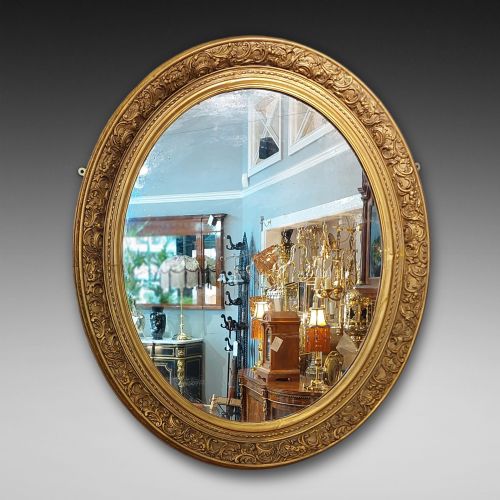
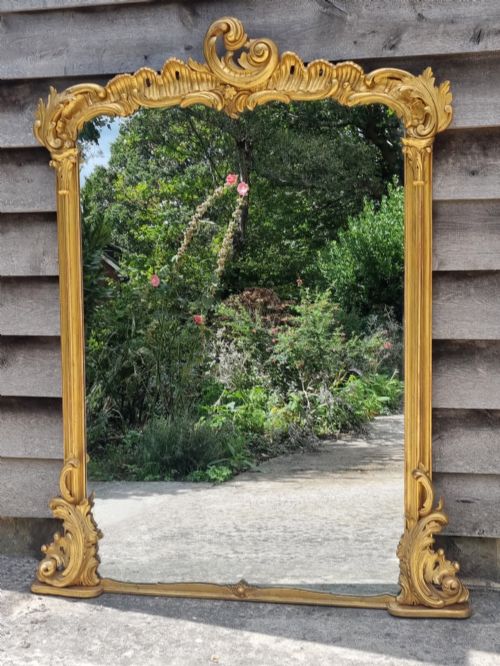
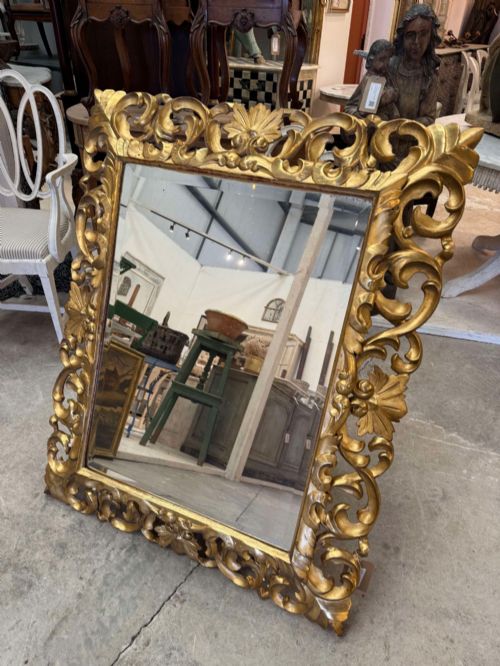
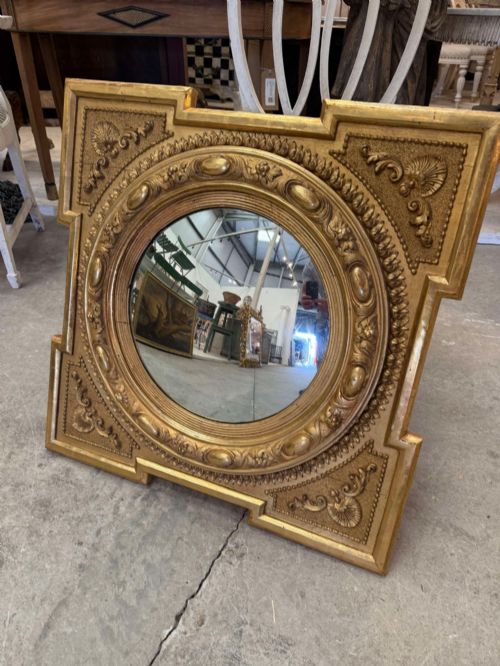
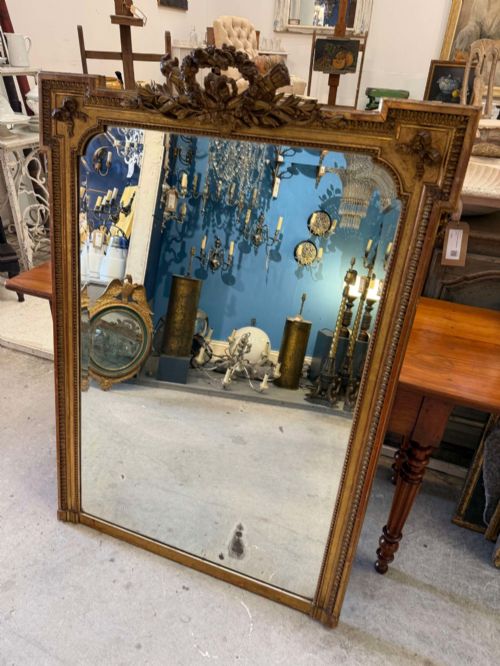
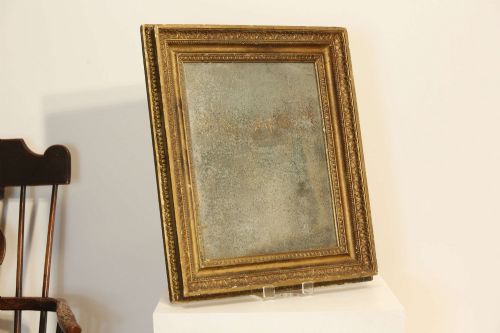
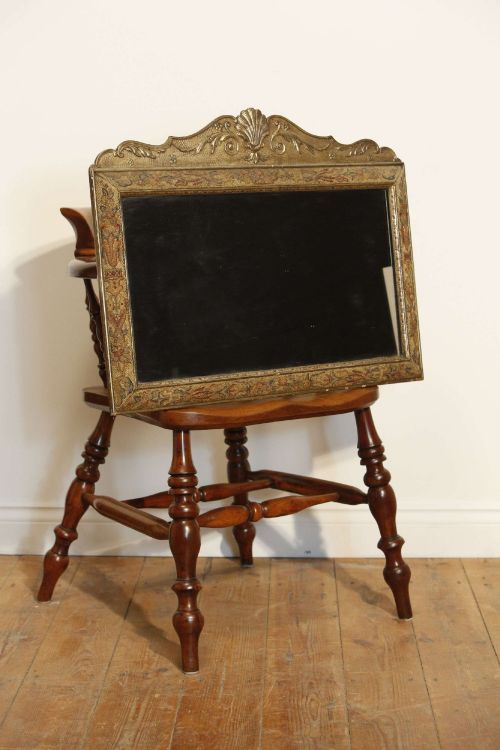
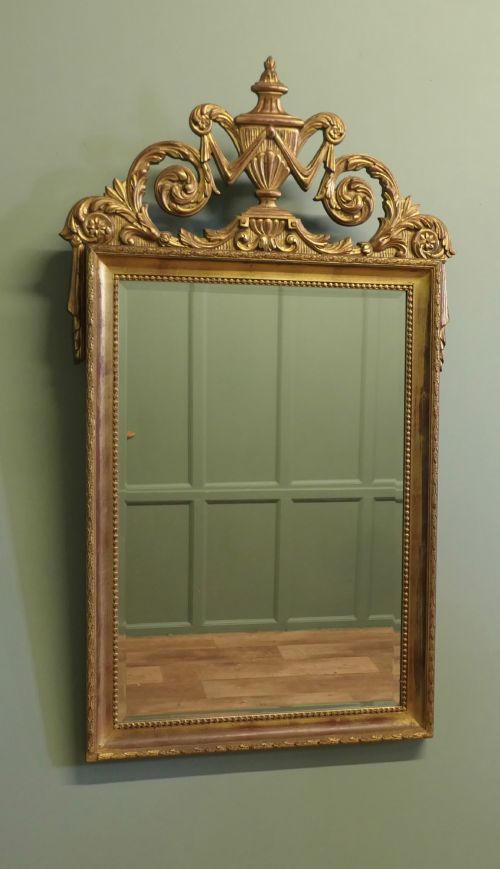
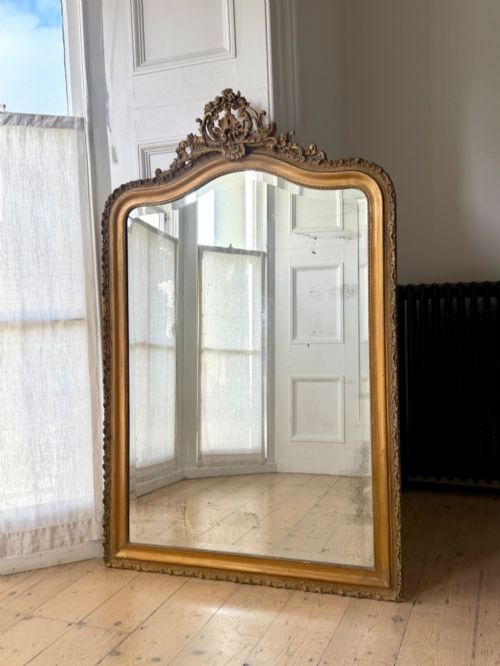
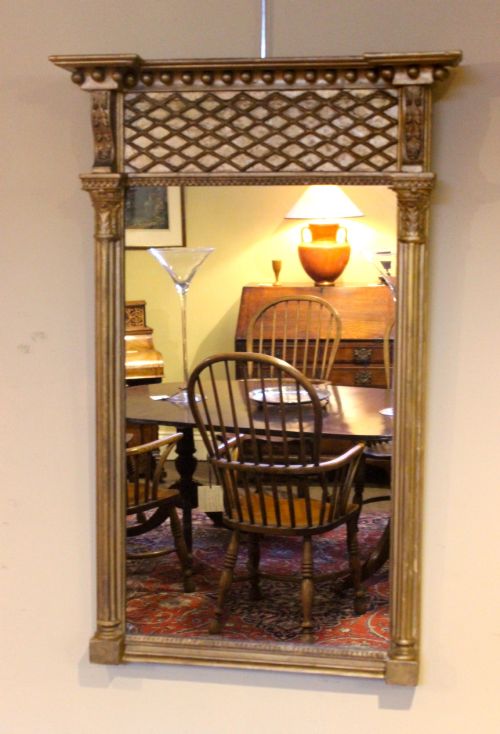
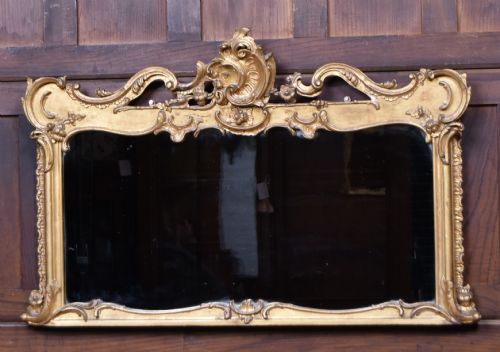
A vintage giltwood wall mirror is a reflective glass panel framed in carved timber coated with gold leaf or metallic paint, designed to hang upon a wall or rest above a mantelpiece. When searching for a vintage giltwood wall mirror, buyers encounter a wide variety of forms originating from different European traditions, including French Louis XV, Louis Philippe, and Regency periods.
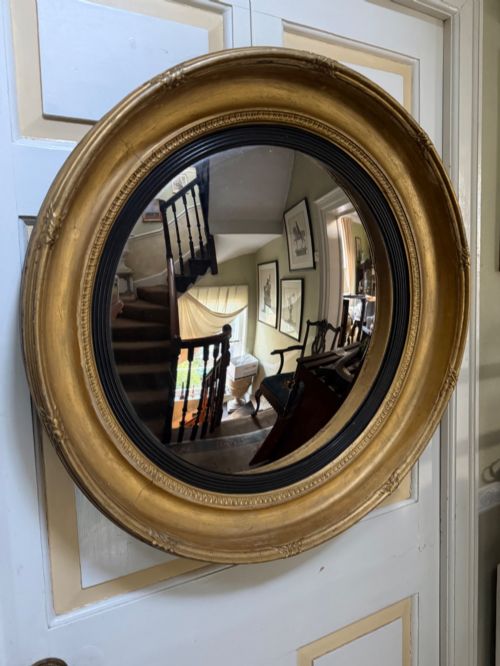
The most common examples on this page date from the nineteenth century, taking the shape of large rectangular overmantels, tall pier mirrors, or smaller oval and circular frames. These pieces span styles from ornate Rococo Revival and carved Florentine designs to simpler architectural mouldings from the Victorian era.
Originating across England, France, and Italy, these mirrors served both utilitarian and decorative purposes in period interiors. Their construction reflects the prevailing aesthetic movements of their respective decades, utilising traditional joinery and surface treatments suited for formal reception rooms or intimate parlours.
How They Were Made
Craftsmen built the underlying structure of a vintage giltwood wall mirror using solid wood bases, frequently supplemented with moulded gesso or composition details to achieve intricate relief carving. Artisans applied thin sheets of gold leaf or metallic paint over a prepared bole layer to create the characteristic luminous surface.
The glass plates themselves were hand-silvered or mercury-silvered in older examples, often featuring hand-beveled edges that catch and refract natural light. Joinery methods relied on traditional wood framing techniques to support the considerable weight of the heavy glass and plaster ornamentation.
Vintage Giltwood Wall Mirror Retail Price Guide 2026
Typical asking prices for vintage giltwood wall mirror among the pieces listed under this phrase on Sellingantiques today, from the lower quarter to the upper quarter. They describe what is for sale here now, not the wider market.
Listings span the eighteenth, nineteenth, and early twentieth centuries, featuring materials such as gesso, carved wood, and traditional mirror glass.
What Varies in Quality
The standard of a vintage giltwood wall mirror depends heavily on the depth and crispness of the carved detail within the wood and gesso, alongside the integrity of the original gilding. Hand-carved wooden ornamentations display a sharper definition and organic flow that moulded composition counterparts rarely match.
The condition and authenticity of the mirror plate itself strongly influence the standing of the piece, with original mercury or bevelled glass showing distinct patination that differentiates period manufacturing from later replacements.
The Vintage Giltwood Wall Mirror Glossary
- Giltwood
- Timber that has been coated with gold leaf or gold paint. This finish provides the characteristic metallic sheen seen on period frames.
- Gesso
- A plaster mixture applied to wood frames to create a smooth surface for carving and gilding. Artisans mould intricate decorative motifs into this layer.
- Overmantel
- A large mirror specifically proportioned to hang above a fireplace mantel. These pieces often feature extended horizontal dimensions.
- Pier Mirror
- A tall, narrow mirror designed to hang on the wall space between windows. They frequently incorporate candle arms or matching console tables.
- Composition
- A moulded mixture of whiting, resin, and linseed oil pressed into decorative ornaments. It serves as a cost-effective alternative to hand-carved wood.
Vintage Giltwood Wall Mirror: Frequently Asked Questions
How do I hang a heavy giltwood mirror safely?
Secure the mirror directly into wall studs using heavy-duty brackets or a French cleat system capable of supporting substantial weight. Distribute the load evenly across the frame structure to prevent twisting.
Consult a professional installer if the wall material is plaster or masonry to ensure appropriate anchors are utilised for the specific weight of the antique frame.
What is the difference between an overmantel and a wall mirror?
An overmantel mirror is specifically built to sit horizontally above a fireplace, reflecting the hearth and lower portions of a room. Standard wall mirrors are proportioned for general wall placement.
Overmantels typically feature wider frames and grander scale to anchor large architectural wall spaces effectively.
How should I clean the glass and gilt frame?
Dust the gilt surface gently with a dry, soft brush to protect fragile gold leaf and composition details. Avoid using liquid cleaners directly on the wooden frame.
Apply a mild glass cleaner to a cloth rather than the mirror itself when wiping the glass plate to prevent moisture seepage behind the silvering.
How can I tell a Victorian mirror from a Regency one?
Regency mirrors frequently feature classical motifs like balls, reeding, and convex plates reflecting early nineteenth-century neoclassical tastes. Victorian pieces often display heavier proportions and more eclectic revival styles.
Examine the construction methods and backing boards to confirm the period characteristics align with known manufacturing eras.