



Vintage Giltwood Standard Lamp
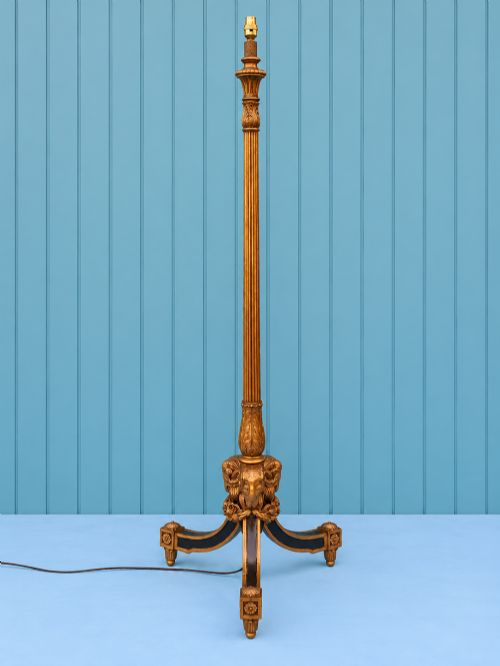
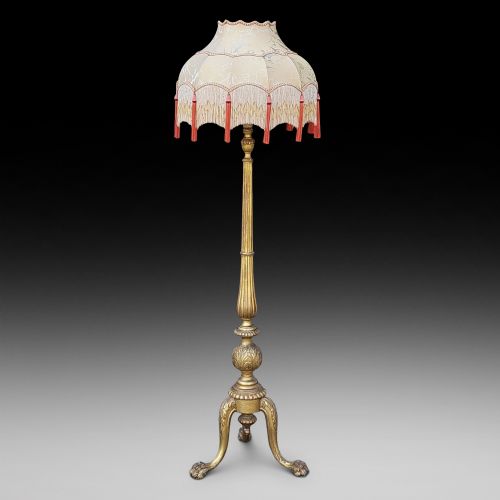
A vintage giltwood standard lamp brings architectural presence to a room through carved timber, gesso, and gold leaf.
Vintage Giltwood Standard Lamp
A vintage giltwood standard lamp is an upright lighting fixture designed to stand directly on the floor, providing ambient illumination through height and decorative carved form. When exploring options for a vintage giltwood standard lamp, buyers encounter pieces originating from diverse eras ranging from the eighteenth century to the nineteen-thirties. The selection spans distinct aesthetic frameworks including Neoclassical, Italian Baroque, and Louis XVI Revival interpretations.
The dominant forms on this page include Italian Florentine designs and classical revival standard lamps alongside smaller table lamp variants. Many examples feature substantial carved wood structures coated in gesso and finished with gold leaf, sometimes paired with fabric shades and passementerie trim. Origins stretch across British, Italian, and Spanish workshops, reflecting centuries of decorative lighting traditions.
Materials and construction
Construction relies heavily on carved wood and gesso substrates built up to receive gold leaf application. Artisans shaped timber into classical columns, fluted standards, and elaborate scrolling bases before applying traditional gilding techniques.
Secondary materials such as brass and marbleized finishes appear across the inventory to add structural weight and visual contrast. Fabric and passementerie details complete the upper portion of these lighting fixtures, though surviving bases frequently demonstrate the primary handiwork of period woodcarvers.
Vintage Giltwood Standard Lamp Retail Price Guide 2026
Typical asking prices for vintage giltwood standard lamp among the pieces listed under this phrase on Sellingantiques today, from the lower quarter to the upper quarter. They describe what is for sale here now, not the wider market.
Listings incorporate items spanning from the eighteenth century through to the nineteen-thirties, utilising materials such as gesso, brass, and passementerie.
Distinctions in quality
Quality in these floor lamps is determined by the depth and crispness of the hand-carved detail within the wood and gesso layers. Finer examples display sharp acanthus leaves, fluting, and figural elements executed by skilled hands rather than mechanical tooling.
The integrity of the original gilding and the weight of the timber base dictate the overall caliber of the object. Superior specimens retain their original gold leaf surfaces and marbleized accents, maintaining structural balance despite decades of use.
The Vintage Giltwood Standard Lamp Glossary
- Giltwood
- Wood that has been coated with gold leaf or gold paint. This surface treatment provides the characteristic metallic sheen seen on period frames and lamp standards.
- Gesso
- A plaster mix applied to wood surfaces as a preparation for gilding. It allows carvers to achieve sharp details before applying gold leaf.
- Passementerie
- Ornamental trimmings such as edgings, tassels, and fringes. These textiles frequently accent the fabric shades paired with standard lamps.
- Neoclassical
- A style drawing inspiration from classical antiquity. Pieces in this manner feature restrained architectural lines, urn motifs, and fluted columns.
Vintage Giltwood Standard Lamp: Frequently Asked Questions
How do I distinguish Italian Baroque from Neoclassical lamps?
Italian Baroque standard lamps typically display exuberant, heavy carving with dramatic scrolls, acanthus leaves, and dynamic movement. The finishes often emphasise rich texture and deep profiling.
Neoclassical designs lean towards geometric restraint, featuring straight fluted columns, classical urn motifs, and symmetrical balance. The decorative vocabulary references ancient Greek and Roman architecture.
Can these vintage lamps be used with modern wiring?
Most vintage standard lamps require professional rewiring to meet contemporary electrical safety standards before daily use in a modern home. Qualified electricians can easily update internal flex while preserving the historic exterior shell.
It is standard practice to consult a specialist to ensure that lamp holders and plugs comply with current regulations without altering the original carved timber body.
What periods do these floor lamps represent?
The inventory spans multiple centuries, including eighteenth-century Spanish examples and nineteenth-century pieces with marbleized finishes. This chronological spread reflects enduring historicist revivals.
Later items from the early twentieth century, including creations from the nineteen-twenties and nineteen-thirties, continue these traditional motifs while adapting to newer domestic lighting needs.