



Vintage Giltwood Light Fixture
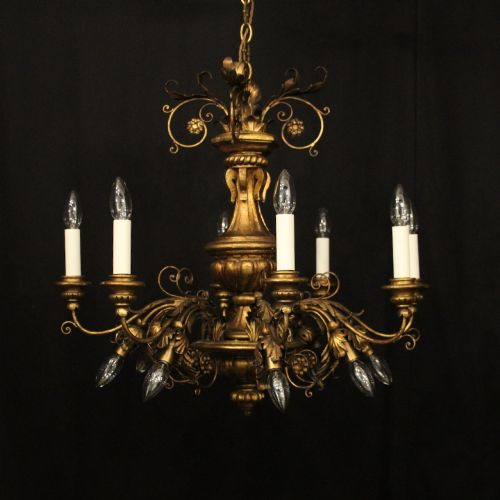
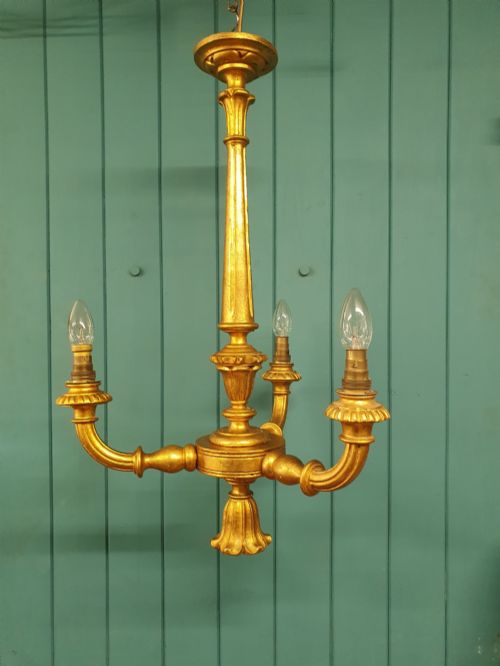
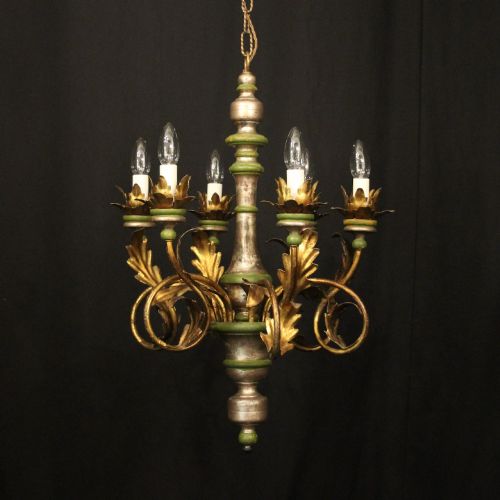
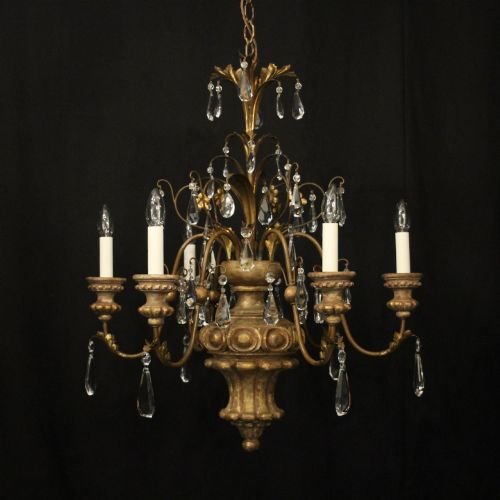
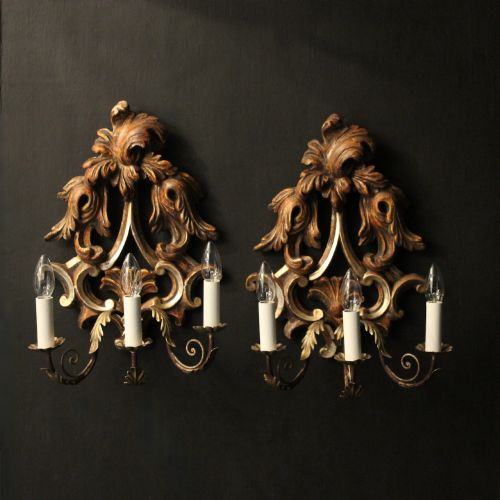
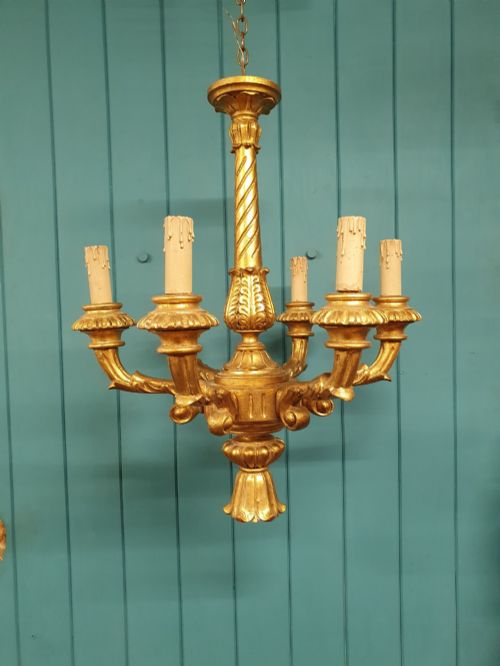
These vintage giltwood light fixtures bring rich Italian and French character into a room through carved timber, gesso, and gold leaf.
Vintage Giltwood Light Fixture
When you search for a vintage giltwood light fixture, you are looking at substantial hanging and wall-mounted lighting options designed to illuminate a space with antique warmth. The selection centres heavily on Florentine pieces from the 1930s, alongside earlier Victorian, Edwardian, and 18th-century examples.
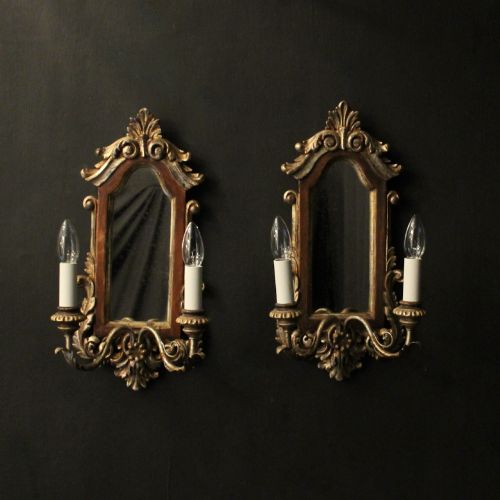
The forms vary across multiple light configurations, including grand multi-armed chandeliers, twin-arm girandoles, and paired wall sconces. Italian Florentine designs dominate the selection, frequently utilising carved wooden frames finished in gold leaf.
Materials and construction methods
Makers constructed these fixtures primarily from wood, applying gesso layers to build up intricate surface ornamentation before finishing the pieces in gold leaf and paint. Metal components often provide internal structural support and armatures for heavier chandeliers.
Glass elements frequently complement the gilded wooden frames on hanging chandeliers and wall sconces, diffusing the illumination. Carved details define the Florentine, Baroque, and Rococo styles seen across the inventory.
Vintage Giltwood Light Fixture Retail Price Guide 2026
Typical asking prices for vintage giltwood light fixture among the pieces listed under this phrase on Sellingantiques today, from the lower quarter to the upper quarter. They describe what is for sale here now, not the wider market.
Several chandeliers feature sixteen separate light arms, promising to illuminate even the gloomiest Florentine palazzo with glorious gilded excess.
Assessing quality in giltwood lighting
Quality rests upon the depth and crispness of the carving work across the wooden frame and gesso surface. Pieces with hand-carved details and layered gold leaf display greater visual richness than simpler moulded iterations.
The preservation of the original gilded surface dictates the character of each fixture, with patination showing the natural passage of time. Proportion and the balance of the arm configuration also separate standard examples from finer sculptural pieces.
The Vintage Giltwood Light Fixture Glossary
- Giltwood
- Wood that has been coated with thin gold leaf or powder. This finish creates a reflective and warm metallic surface across the carved structure.
- Gesso
- A plaster-like mixture applied to wood surfaces as a base for gilding and carving. It allows artisans to model sharp decorative details before applying gold leaf.
- Girandole
- An ornamental branched wall fixture holding candles or electric lights, usually incorporating a mirror. These pieces combine reflective glass with carved wooden arms.
- Florentine
- A decorative style originating from Florence, characterised by ornate carved scrolls and rich surface gilding. This aesthetic heavily influences the chandeliers and wall lights in this collection.
- Sconce
- A wall-mounted lighting fixture attached directly to a vertical surface. These items project illumination outward using multiple arms.
Vintage Giltwood Light Fixture: Frequently Asked Questions
How do I clean a giltwood chandelier?
Dust the carved wooden frame gently with a dry, soft brush to remove surface particles without disturbing the delicate gold leaf layer. Avoid using liquid cleaners or abrasive cloths that can strip the historic finish.
Take care around delicate gesso mouldings and glass components during maintenance. Professional restoration may be required if the gilding shows significant flaking.
What rooms suit a giltwood wall sconce?
Wall sconces and girandoles work effectively in hallways, dining rooms, and drawing rooms where layered ambient lighting enhances the interior atmosphere. Their compact footprint allows them to flank mirrors, doorways, or fireplaces.
Pairing matching wall lights creates symmetry and balanced illumination across a space. The reflective gold leaf finishes help bounce natural and artificial light around smaller rooms.
How can I tell a Florentine piece apart?
Florentine fixtures typically feature distinct carved wooden scrolls, floral motifs, and rich gold leaf surfaces rooted in Italian craftsmanship. They often date from the early decades of the twentieth century while reflecting 18th-century Rococo and Baroque traditions.
Look for deep gesso relief work and multi-arm chandelier configurations holding several lights. The regional carving style remains distinct from French Chateau or standard Victorian designs.