

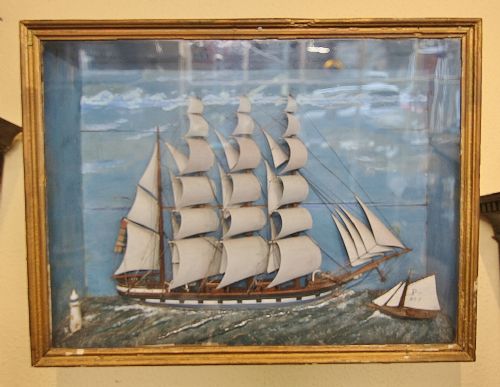
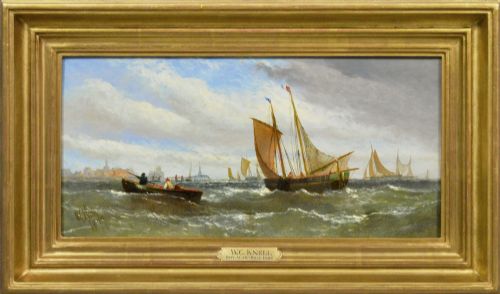


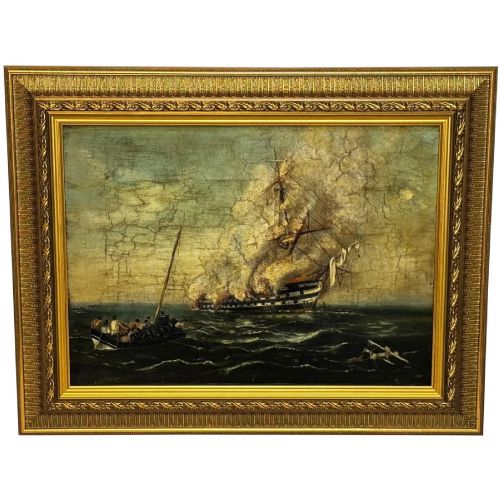
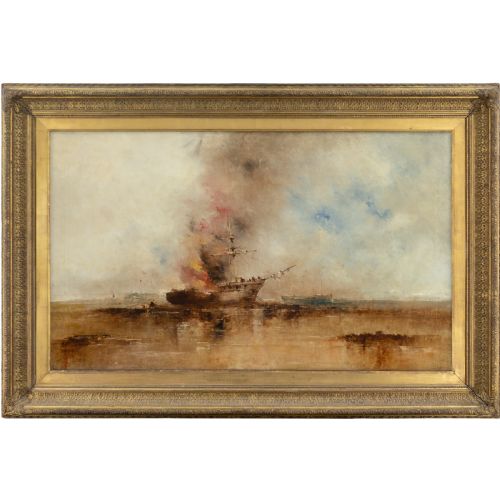

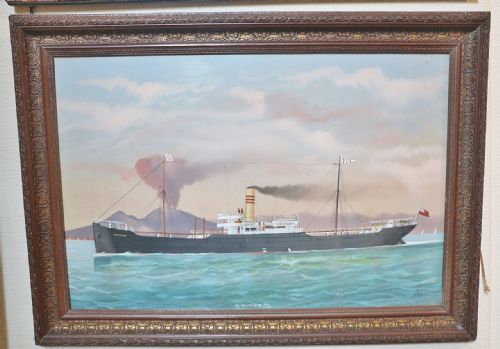
Vintage Gilt Ship
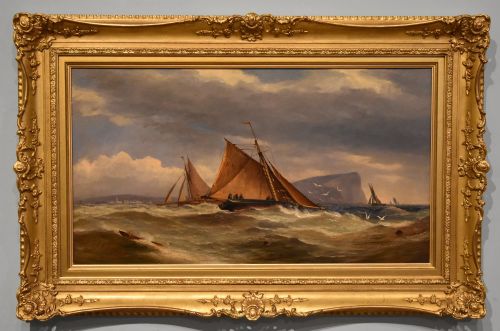
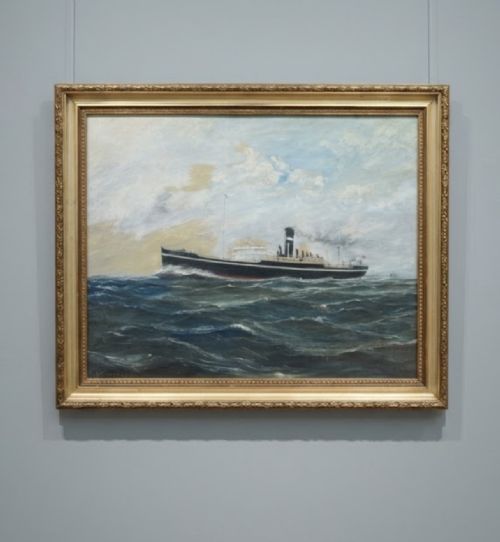
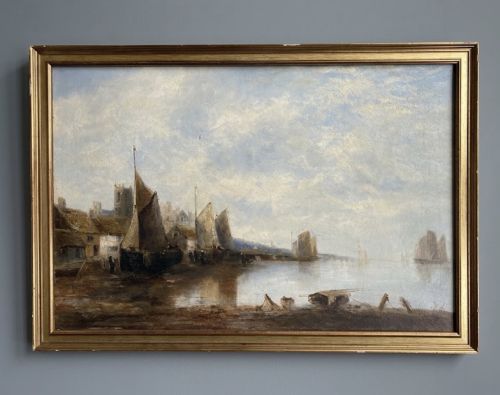
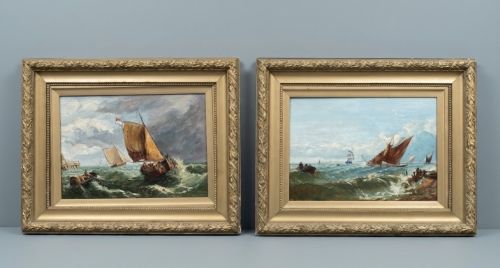
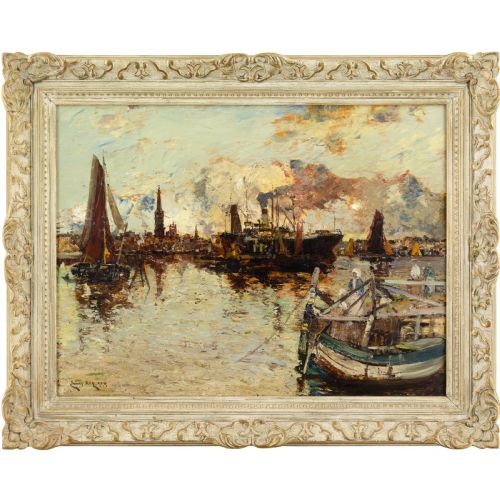
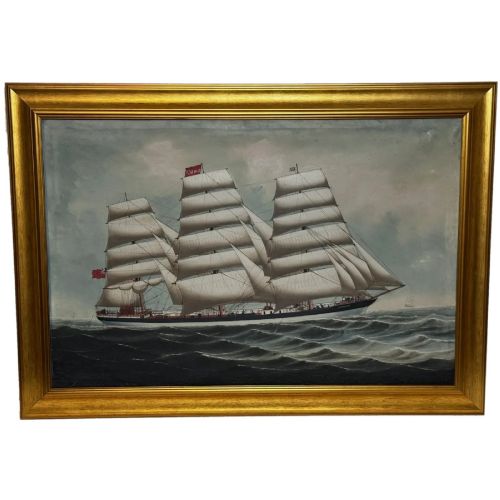
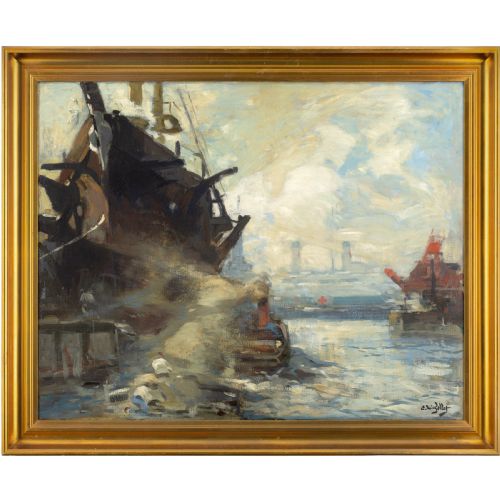
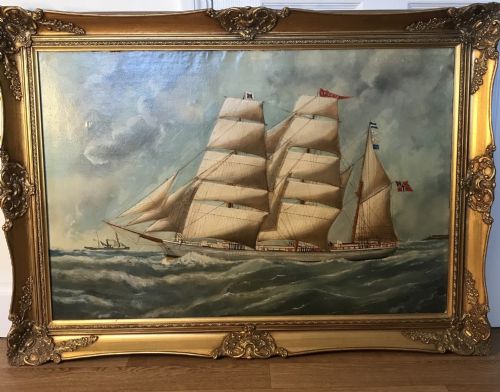
Vintage gilt ship items encompass framed oil paintings, shadow boxes, novelty silver salt cellars and mantel clocks depicting maritime scenes.
Vintage Gilt Ship
When searching for a vintage gilt ship, a buyer encounters a diverse group of objects connected by maritime themes, primarily oil paintings on canvas or board alongside novelty silver salt tubs and decorative clocks.
The pieces span the nineteenth century through the early twentieth century, taking the form of detailed seascapes, diorama shadow boxes and coastal scenes with sailing vessels, steamships and lighthouses.
Originating largely from British, Dutch, French and American contexts, these works capture historical ships, naval vessels and coastal harbours rendered in oils, watercolours and metalwork.
How they were made
Painters utilised oil paint on canvas or wooden board, applying pigment to capture rolling seas, burning vessels and coastal light.
Makers of decorative objects employed silver, glass and wood to construct novelty salt cellars and four-glass mantel clocks incorporating maritime motifs such as ships wheels.
Vintage Gilt Ship Retail Price Guide 2026
Typical asking prices for vintage gilt ship among the pieces listed under this phrase on Sellingantiques today, from the lower quarter to the upper quarter. They describe what is for sale here now, not the wider market.
Listings feature oil paintings, watercolours, shadow boxes, salt cellars and mantel clocks produced across the nineteenth and early twentieth centuries.
What varies in quality
The level of detail in the maritime subject matter distinguishes the works, with marine artists rendering rigging, sea spray and vessel architecture with greater precision.
The physical framing and materials, from solid wood diorama boxes to detailed metalwork on clocks and silver salt tubs, determine the standard of the object.
William Calcott Knell·Hans Harlander·Eugène-Louis Gillot·William McAlpine·Reginald Arthur Borstel·James Kay RSW·Bernard Benedict Hemy·Nicholas Condy·Abraham Hulk I·Hendrik Willebrord Jansen·Thomas Bush Hardy·George Shaw
The Vintage Gilt Ship Glossary
- Diorama
- A three-dimensional miniature scene enclosed in a shadow box, often depicting a sailing ship model against a painted background.
- Seascape
- A work of art depicting the sea, coastal views or marine vessels in motion.
- Salt Tub
- A small open container designed for holding table salt, occasionally cast in silver as a novelty vessel.
- Four-Glass Clock
- A mantel clock featuring glass panels on all four sides, allowing the movement and pendulum to be viewed clearly.
Vintage Gilt Ship: Frequently Asked Questions
What periods do these pieces date from?
The objects span the nineteenth century through the early twentieth century, with examples originating from the Victorian and Edwardian eras as well as the 1920s and 1930s.
Artists and craftsmen produced these maritime paintings, clocks and silver items across various European and American workshops during this period.
How were these maritime items used?
Paintings and dioramas served as decorative wall art and interior displays for homes and maritime establishments. Novelty silver salt tubs and mantel clocks functioned as practical household items combined with ornamental design.
Clocks measured time on mantelpieces while salt cellars held condiments at dining tables during the nineteenth and twentieth centuries.
How do I care for oil paintings and dioramas?
Oil paintings benefit from stable indoor environments away from direct sunlight and excessive moisture to protect the canvas and paint layers. Dioramas require gentle dusting within their shadow box frames to preserve the internal models.
Professional framing conservation helps maintain the integrity of nineteenth-century canvas and wooden boards.
How do I identify different vessel types in the art?
Maritime artworks depict specific vessel configurations such as three-masted schooners, steamships, barques and royal yachts based on their rigging and propulsion. Comparing the sail arrangements and hull structures helps distinguish sailing ships from nineteenth-century steam vessels.
Signatures, dates and historical vessel names inscribed on the works often provide further context regarding the specific ship portrayed.