

Vintage Gilt Lighting
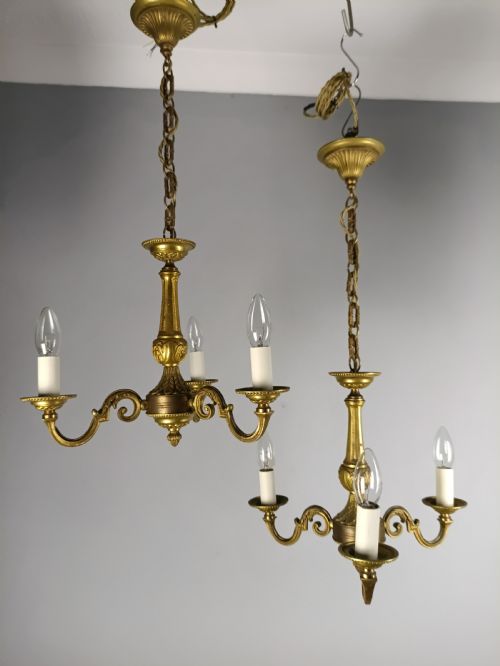
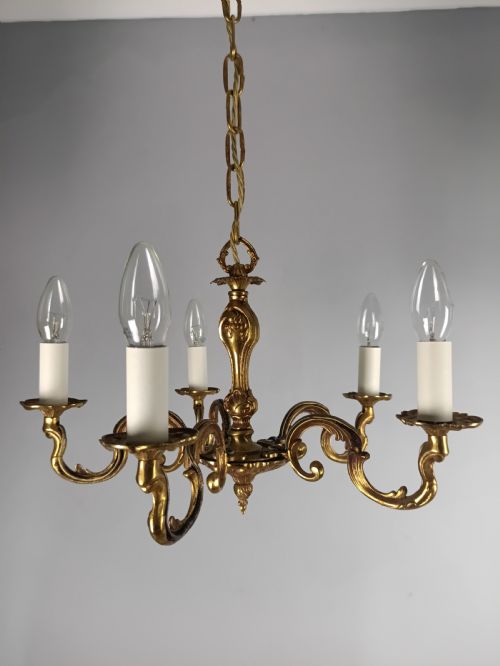
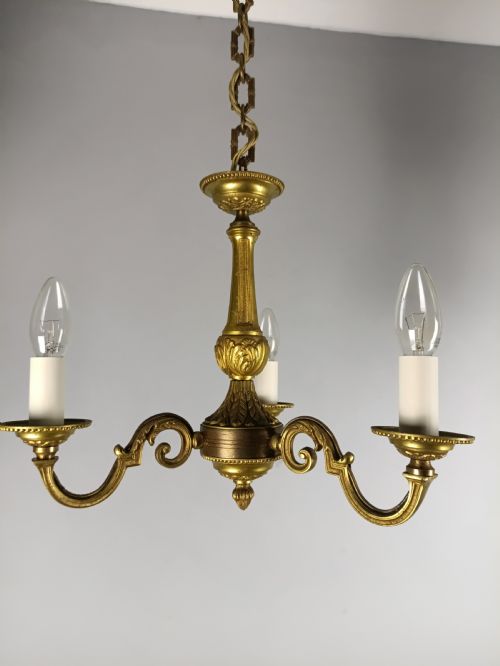
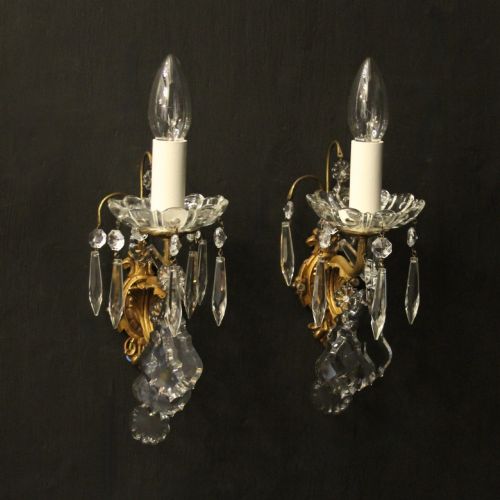
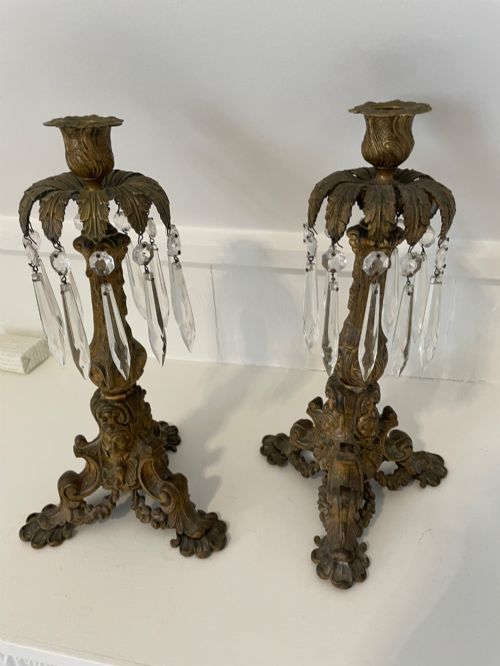
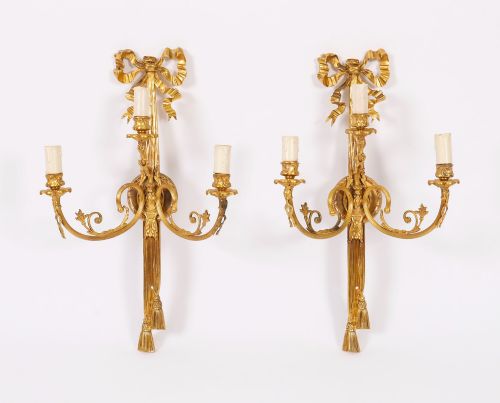
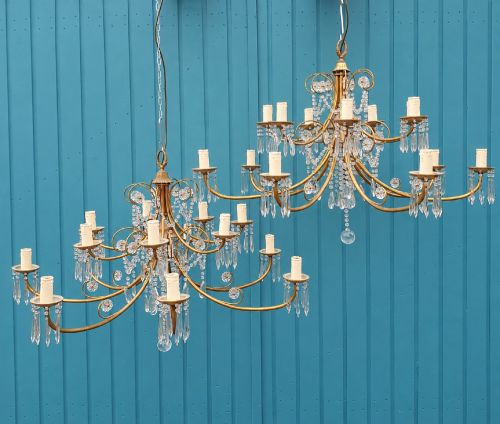
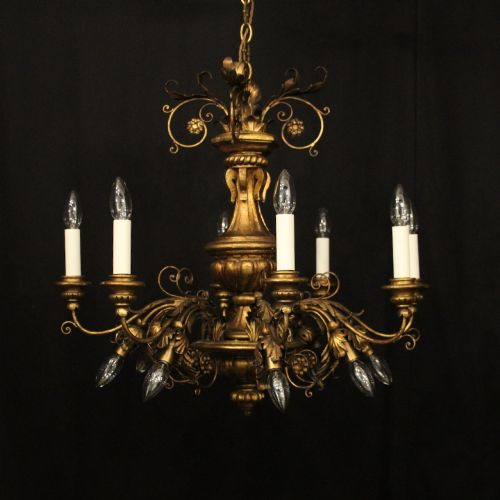
Vintage gilt lighting brings radiant warmth and decorative splendour into a room through gilded metal surfaces and hanging crystal.
Vintage Gilt Lighting
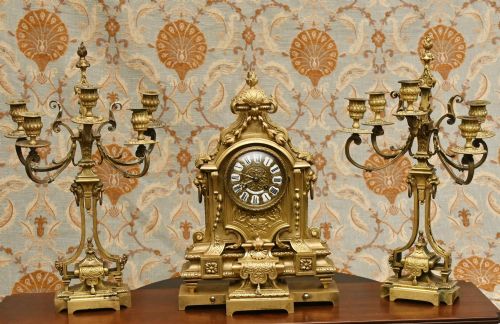
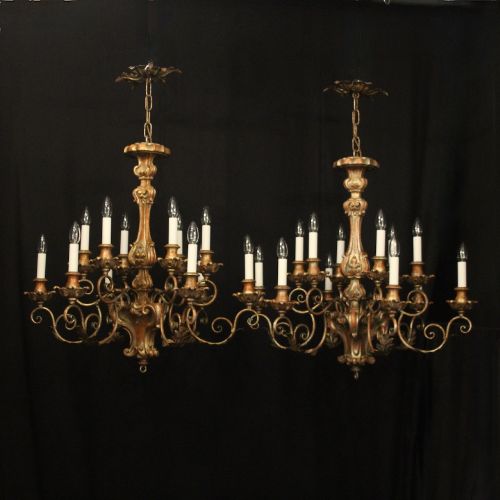
Vintage gilt lighting encompasses chandeliers, wall lights, and table lamps finished in gold tones, originating primarily from the late nineteenth century through the early twentieth century. Buyers seeking this aesthetic will encounter French chandeliers featuring intricate gilt bronze or brass frameworks alongside Florentine giltwood creations.
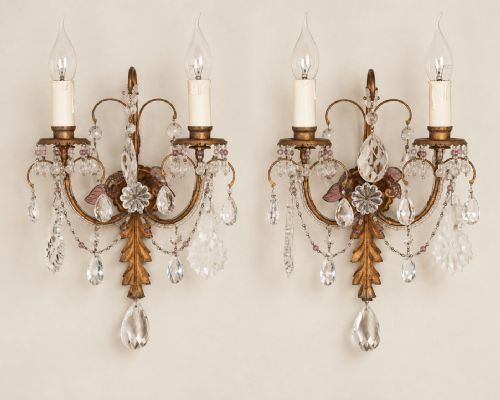
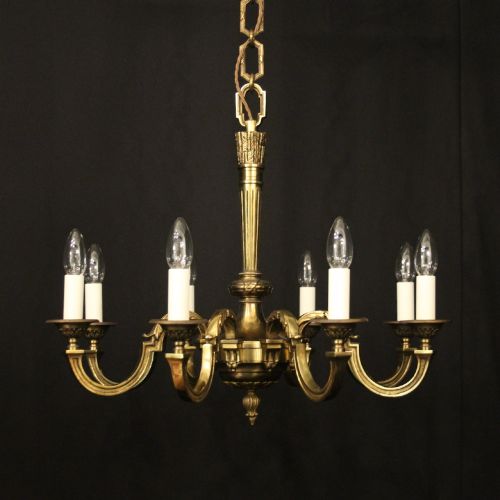
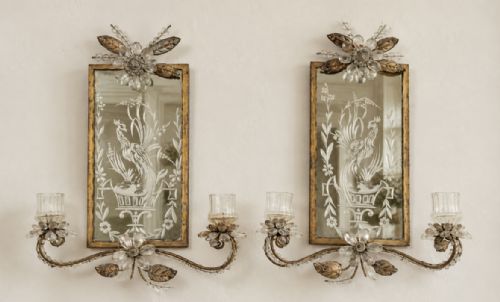
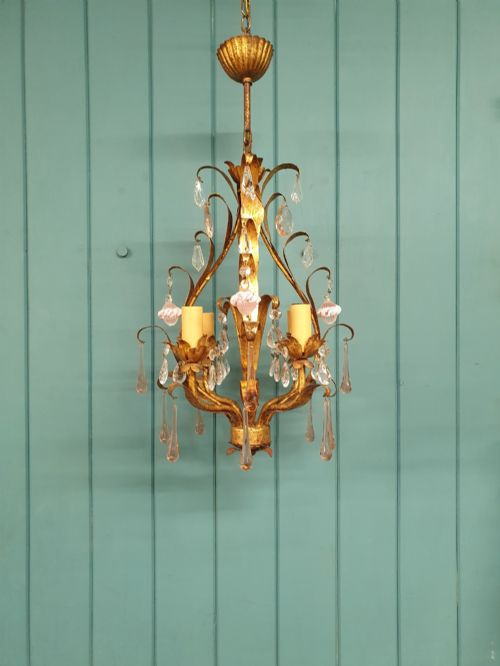
The selection on this page leans heavily towards French production from the nineteen-twenties and nineteen-thirties, dominated by multi-arm chandeliers and wall sconces. These fixtures frequently incorporate cut glass and crystal drops, ranging from compact birdcage designs to substantial multi-tiered installations.
Materials and construction
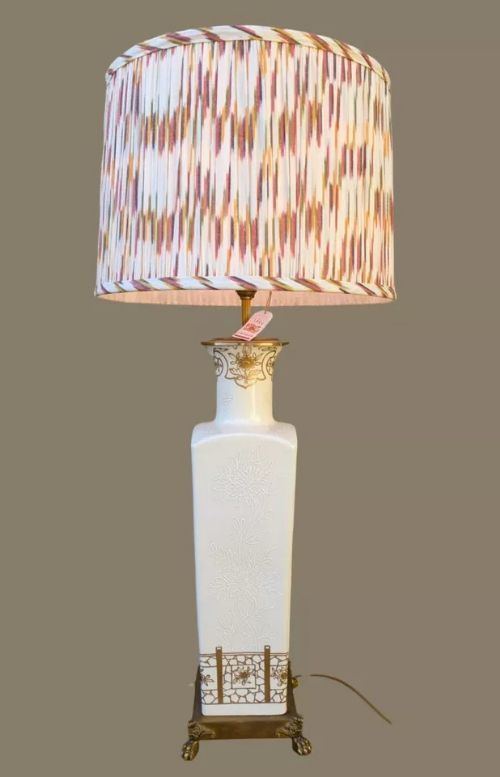
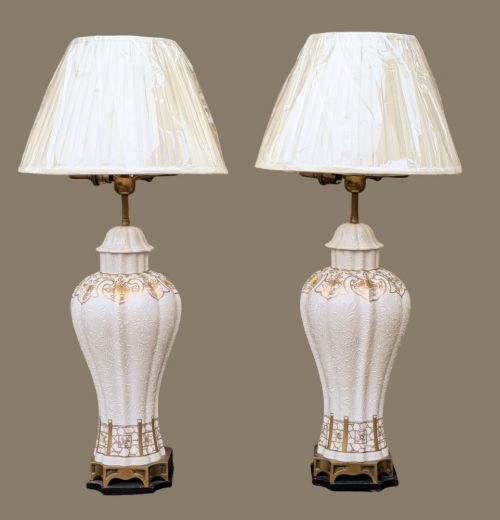
The fabrication of these pieces relies heavily upon cast bronze, brass, and gilt metal, often finished with applied gold leaf or ormolu gilding. Artisans shaped metal armatures to support glass components, integrating carved wood in Florentine pieces and alabaster or ceramic elements in select lamp sets.
Crystal and cut glass elements are suspended from the metal frames using wire or pins, creating waterfall and tent configurations designed to refract light. Wiring was integrated into these historical structures during later periods to accommodate electric illumination while preserving the original decorative metalwork.
Vintage Gilt Lighting Retail Price Guide 2026
Typical asking prices for vintage gilt lighting among the pieces listed under this phrase on Sellingantiques today, from the lower quarter to the upper quarter. They describe what is for sale here now, not the wider market.
Listings span the Edwardian era through the nineteen-thirties, incorporating materials such as alabaster, onyx, and hand-cut crystal alongside gilt bronze.
Assessing quality and craftsmanship
Quality in these pieces is dictated by the crispness of the metal casting and the depth of the gilding, where hand-chased bronze details distinguish superior examples from simpler pressed brass alternatives. The presence of heavy, hand-cut crystal drops rather than moulded glass elevates the brilliance and weight of a chandelier.
Construction methods also reveal tiering in standard, with robust multi-tiered armatures and integrated porcelain or marble sections indicating higher ambition from the workshop. The coherence of the design style, whether French Rococo revival or Neoclassical, governs the visual success of the finished light.
Charles Schneider
The Vintage Gilt Lighting Glossary
- Ormolu
- Gilded bronze, where finely ground gold is amalgamated with mercury and applied to a bronze base through heat. This technique creates a rich, durable surface finish characteristic of antique French light fittings.
- Birdcage chandelier
- A lighting fixture featuring a curved wire metal frame resembling a birdcage, enclosed by cascading strands of glass beads and crystal drops. This specific construction concentrates light through a central column.
- Giltwood
- Wood that has been coated with a thin layer of gold leaf or powder. It appears frequently on Florentine wall lights and chandeliers from the interwar period.
- Tent and waterfall
- A chandelier configuration where an upper conical section of crystals drops down into a wider, cascading tier below. This arrangement maximises the light-refracting properties of cut glass.
- Plafonnier
- A ceiling-mounted bowl light or flush fixture sitting close to the surface. These fixtures often employ moulded or art glass panels held within a decorative metal frame.
Vintage Gilt Lighting: Frequently Asked Questions
How do I clean a crystal chandelier?
Maintenance requires wiping individual glass drops and crystal strands with a specialised cleaning solution while supporting each piece by hand. Avoid spraying liquids directly onto the vintage metal frame to protect the gilding.
Regular dusting with a soft brush keeps the glass sparkling between deep cleans. Ensure the power is switched off at the mains before undertaking any maintenance.
Are these lights wired for modern electricity?
Most antique light fittings have been adapted for contemporary electrical standards during their lifetime. It remains sensible to have a qualified electrician inspect the internal wiring before installation.
Original lamp holders are sometimes retained for aesthetic reasons but can be updated to meet current safety regulations. Rewiring does not diminish the historical value of the decorative metalwork.
How do I identify French Empire style?
French Empire style lighting draws upon classical antiquity, displaying formal symmetry, laurel wreaths, and restrained geometric lines. The bronze mounts on these pieces often exhibit dark patination contrasted against bright gilding.
This aesthetic emerged during the early nineteenth century and saw revivals into the twentieth century. The resulting fixtures project an architectural formality distinct from flowing Rococo designs.
What is the difference between ormolu and gilt brass?
Ormolu involves mercury gilding upon a bronze substrate, producing a deep, luminous golden surface that resists tarnish over centuries. Gilt brass typically utilises a thinner applied metal leaf or plating over a yellow copper alloy.
Examining the weight and the sharpness of the casting helps differentiate the two materials. Ormolu usually feels heavier and displays finer hand-chased surface detailing.