




Vintage Gilt Armchair
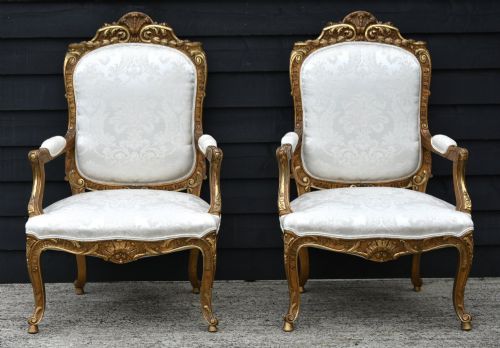
A vintage gilt armchair brings gilded presence to a room, offering sculptural frames and upholstered comfort rooted in nineteenth-century French and revival design.
Vintage Gilt Armchair
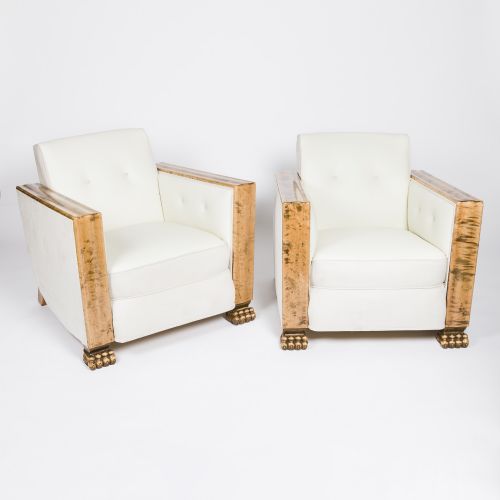
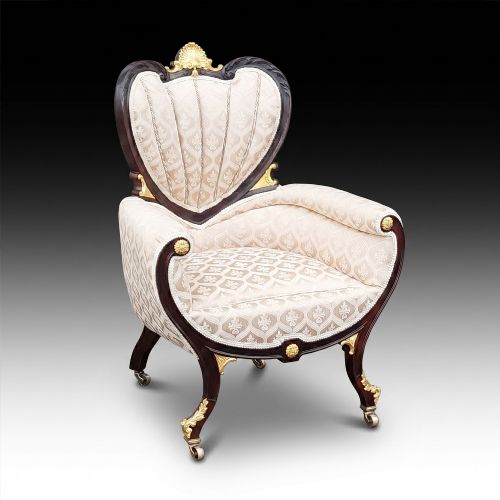
When searching for a vintage gilt armchair, buyers encounter seating designed for formal reception rooms, drawing rooms and salons. These pieces span the nineteenth and early twentieth centuries, drawing heavily upon classical French motifs and revival aesthetics.
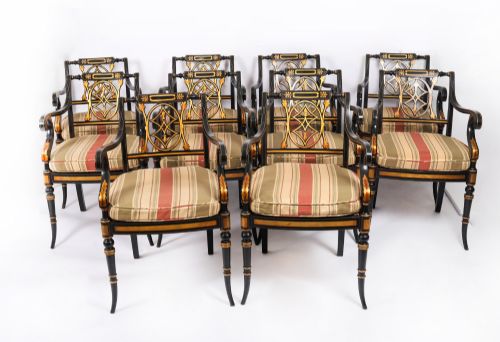
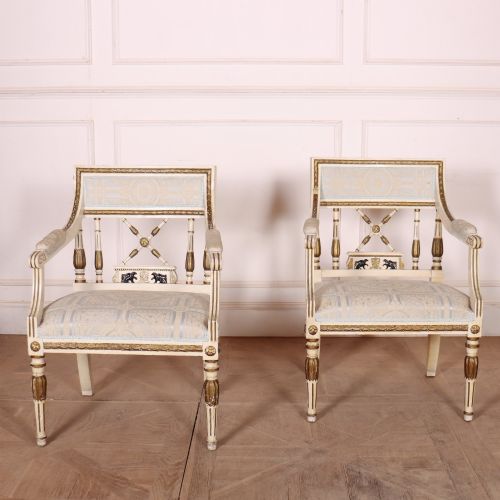
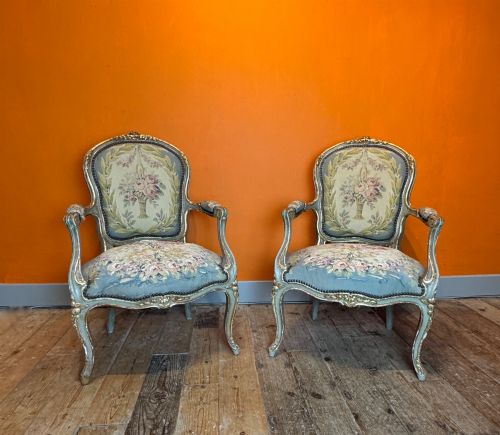
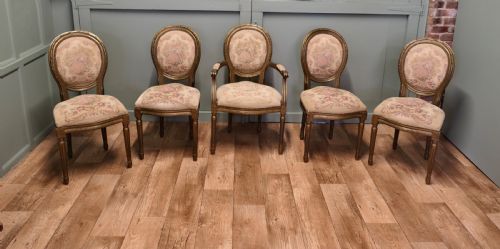
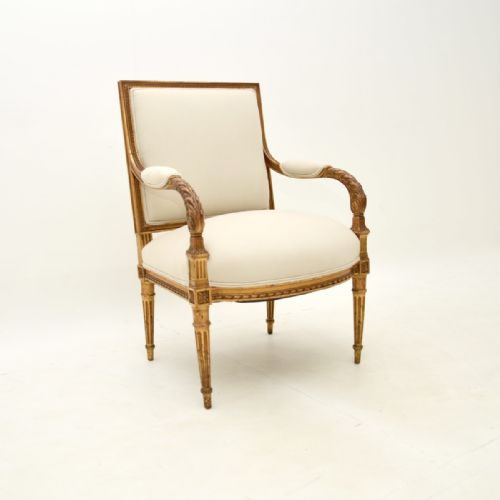
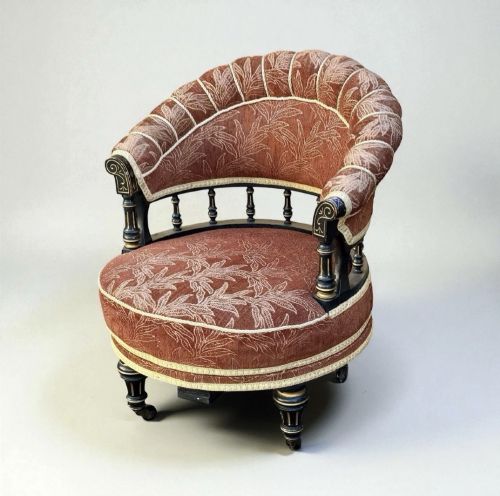
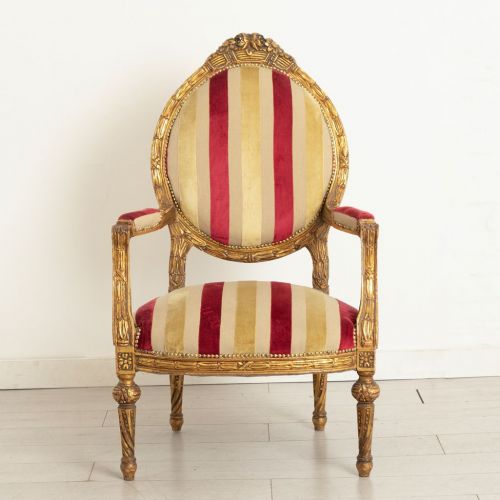
The selections appearing under this heading range from open-armed salon chairs and bergere tub chairs to formal Louis XVI style fauteuils. Many originate from French workshops or adopt the continental styles popular across European drawing rooms during the eighteen-fifties through to nineteen-twenty.
Materials and construction methods
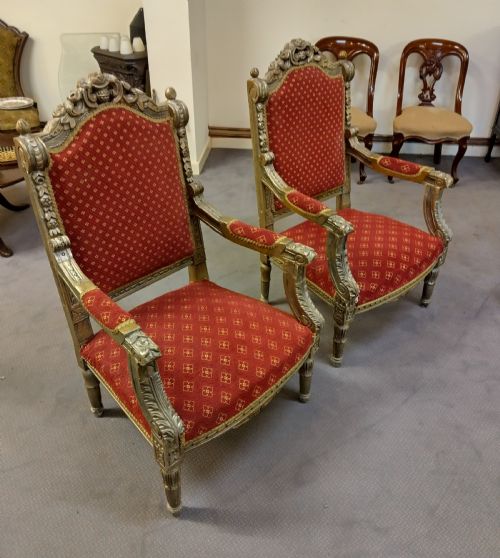
Makers constructed these frames predominantly from solid timbers such as beech, mahogany, and walnut, frequently applying a layer of gesso before gilding the surface in gold leaf. Ormolu mounts, brass details and hand-carved wooden ornament add architectural definition to the structural frames.
Upholstery methods varied from traditional webbed and sprung interiors covered in silk velvet, tapestry, and woven fabric to simpler pad-backed frames. Painted and parcel gilt treatments appear alongside burnished gold leaf surfaces, showcasing diverse finishing techniques.
Vintage Gilt Armchair Retail Price Guide 2026
Typical asking prices for vintage gilt armchair among the pieces listed under this phrase on Sellingantiques today, from the lower quarter to the upper quarter. They describe what is for sale here now, not the wider market.
Some nineteenth-century makers evidently decided that ordinary chairs simply lacked adequate grandeur, adding extra gold leaf until the seating practically glowed in the dark.
Judging quality and craftsmanship
The distinction between tiers of quality rests upon the crispness of the wood carving and the depth of the gilding. Finer pieces display deeply undercut botanical or scroll motifs carved directly into solid timber rather than cast composition ornaments.
Structural integrity also separates standard pieces from exceptional examples, observed in the tight joinery of the frame and the quality of the underlying upholstery materials. Well-preserved gilding retaining its original burnished highlights indicates careful historical maintenance.
The Vintage Gilt Armchair Glossary
- Giltwood
- Timber treated with gold leaf or powder applied over a prepared gesso ground. This finish provides the characteristic metallic gleam seen on classical seating frames.
- Fauteuil
- An open-armed wooden armchair with upholstered back and seat, originating in France. The arms typically feature padded elbow rests.
- Bergere
- An enclosed upholstered armchair with solid upholstered sides and a cane or cushioned back. It often includes a loose down-filled seat cushion.
- Ormolu
- Gilded bronze mounts applied to furniture for decorative accent. This technique was widely utilised during the French Empire and revival periods.
- Louis XVI Style
- A neoclassical design aesthetic characterised by straight tapered legs, geometric forms, and classical ornaments. It dominated French decorative arts during the nineteenth-century revival eras.
Vintage Gilt Armchair: Frequently Asked Questions
How do I identify a Louis XVI style armchair?
Look for straight fluted legs, carved rosette blocks at the corners, and oval or rectangular back frames. These neoclassical indicators distinguish them from earlier curved rococo designs.
Craftsmen often paired these structural traits with giltwood finishes and disciplined carved ribbons or bead reels along the wooden borders.
Where should I place a gilt armchair?
These chairs function effectively as accent seating in living rooms, bedrooms, or dressing spaces where their metallic finish catches the ambient light. Their decorative backs make them suitable for placement away from walls.
Pairing a single armchair with a complementary side table creates a distinct reading corner or conversational focal point.
How do I care for antique giltwood?
Dust the carved surfaces gently with a soft, dry brush to prevent accumulation in the intricate recesses of the wood. Avoid liquid cleaners and chemical polishes which can damage the delicate gold leaf.
Keep the chair away from direct sunlight and excessive temperature fluctuations to protect both the wood and the historic gilding.