


Vintage Gilded Hall Mirror
A vintage gilded hall mirror brings light and presence to a narrow entrance, catching the eye with carved giltwood and gesso.
Vintage Gilded Hall Mirror
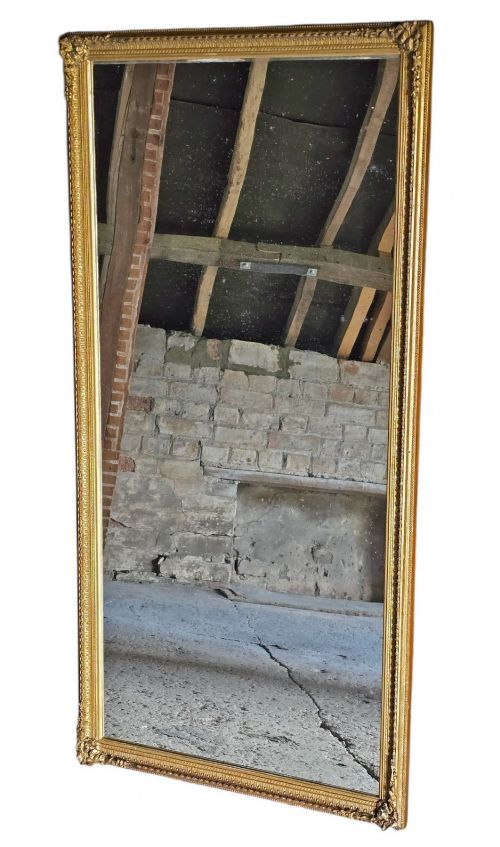
A vintage gilded hall mirror is typically encountered as a large wall hanging or overmantle piece from the nineteenth century, designed to reflect light in reception spaces and corridors. These items appear in various regional forms, including French Louis Philippe designs, Venetian Rococo styles, and English Georgian or Victorian interpretations.
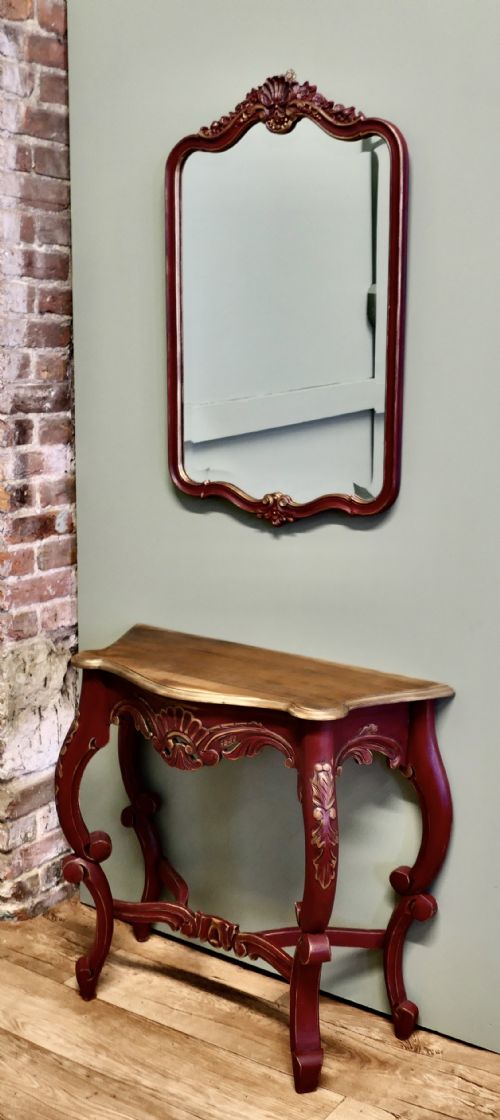
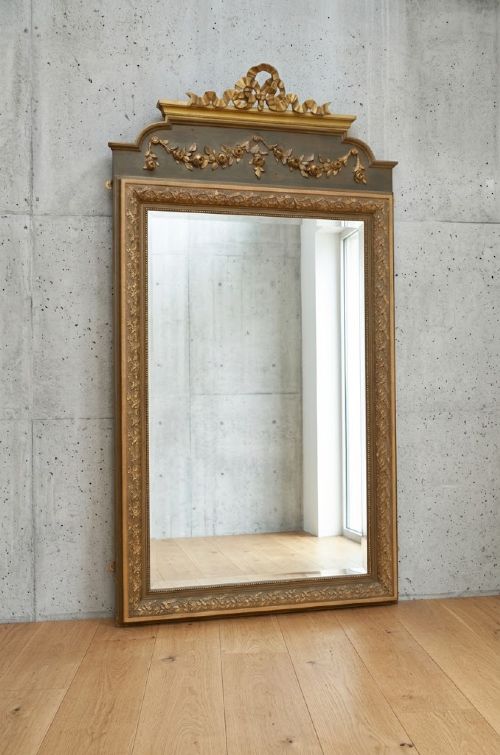
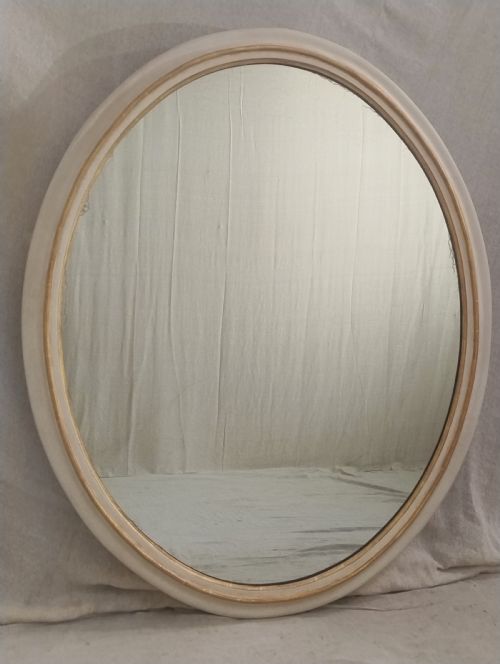
Beyond simple wall mirrors, the selection includes console table and mirror sets, full-length dressing mirrors, and occasionally hall stands incorporating gilt frames. Formats range from understated ovals and arched tops to massive carved wooden frames adorned with floral motifs and ribbon crests.
How they were made
The construction of these frames relies heavily on carved wood and composition applied over a wooden base, finished with layers of gesso and gold leaf or paint. Artisans built up intricate ornamentation, such as flowers and scrollwork, using mouldable paste pressed onto wooden substrates before gilding.
Surfaces often combine parcel-gilt details with painted or ebonised areas, revealing the underlying material beneath worn or over-painted finishes. Glass panels vary from original silvered plates showing age spots to replaced mirror glass fitted inside older antique frames.
Some nineteenth-century mirrors come paired with matching console tables, ready to bounce reflections off each other in grand nineteenth-century hallways.
What varies in quality
The standard of carving and the crispness of the gesso detailing separate ordinary frames from exceptional works. Deeply undercut wooden foliage and finely hand-modelled ornamentation demonstrate a higher level of workshop skill than repetitive composition mouldings.
The integrity of the original gilding and the depth of the frame's proportions also influence the character of the piece. Heavier, substantial timber frames with integrated structural joinery hold up better over time than lighter constructions.
Nosetti
The Vintage Gilded Hall Mirror Glossary
- Gesso
- A plaster-like mixture applied to wood frames to create a smooth surface for gilding or painting. It accepts fine carving and moulding details before the application of gold leaf.
- Parcel Gilt
- A finishing technique where only specific portions of an object are gilded, leaving other areas painted, ebonised, or showing natural wood. This creates a contrasting two-tone effect across the frame.
- Composition
- A mouldable mixture of whiting, resin, glue, and linseed oil used to press ornamental details onto mirror frames. It offers a cost-effective alternative to hand-carving deep wooden relief work.
- Overmantle Mirror
- A wide mirror specifically designed to hang above a fireplace mantelpiece. These pieces often feature generous horizontal proportions suited to principal reception rooms.
- Pier Glass
- A tall mirror traditionally hung on the pier, the solid wall space between two windows. These tall plates maximise natural light in period rooms.
Vintage Gilded Hall Mirror: Frequently Asked Questions
How do I date a gilded mirror?
Dating relies on examining the construction methods, the wood behind the frame, and the style of the carving. Nineteenth-century pieces often display hand-applied gesso over pine or hardwood substrates.
Secondary clues include the backing boards, fixings, and the character of the mirror glass itself. Older plates may show slight distortion or foxing where the backing has degraded over generations.
Are these mirrors suitable for a hallway?
Hallways and narrow entrances are the traditional home for these mirrors, where they bounce light into darker corridors. Large wall-hanging formats fit well above console tables or benches.
Consider the weight of the frame before hanging, as substantial carved wood and gesso pieces require secure wall anchors. Ensure the fixings match the structure of your wall to support the load safely.
What is parcel gilt?
Parcel gilt describes a decorative treatment where only selected parts of a frame are covered in gold leaf. The remaining areas are typically painted, ebonised, or left as exposed wood.
This technique highlights specific architectural details or carvings on the frame without making the entire object uniformly bright. It provides a more subtle aesthetic than full gilding.