



Vintage Gilded Accent Mirror
A vintage gilded accent mirror brings warmth and reflective depth to a room through centuries-old carving and burnished gold leaf.
Vintage Gilded Accent Mirror
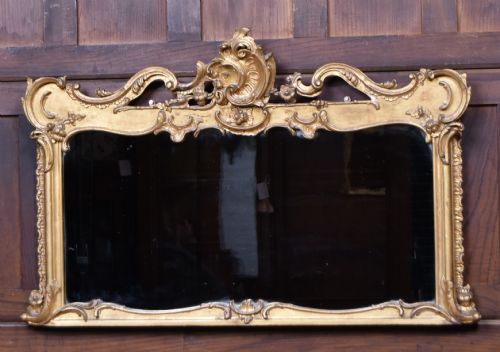
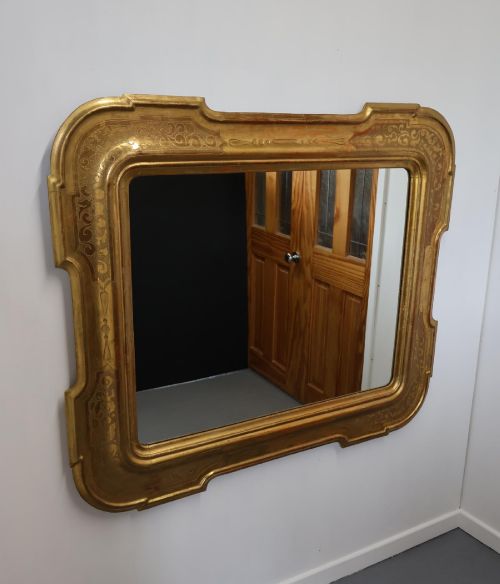
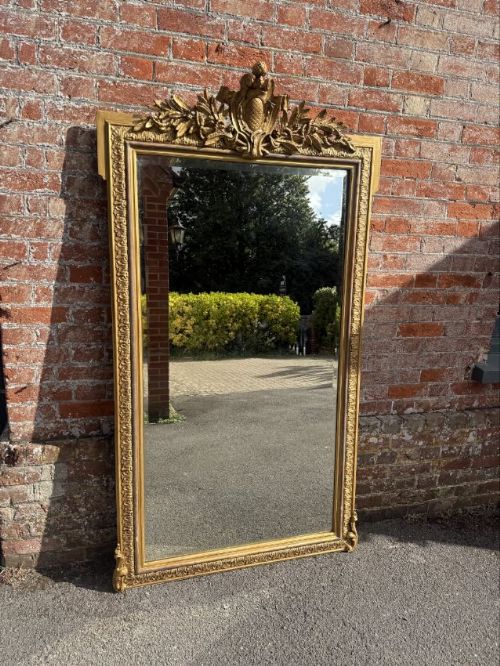
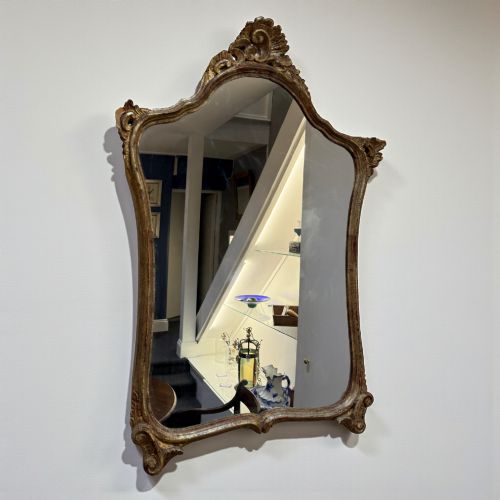
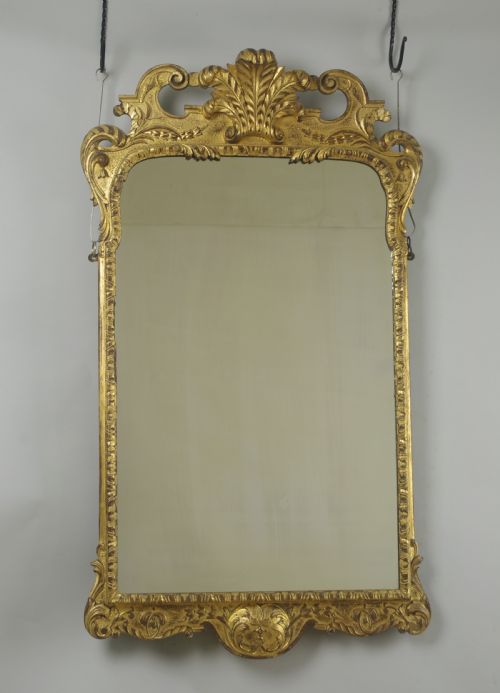
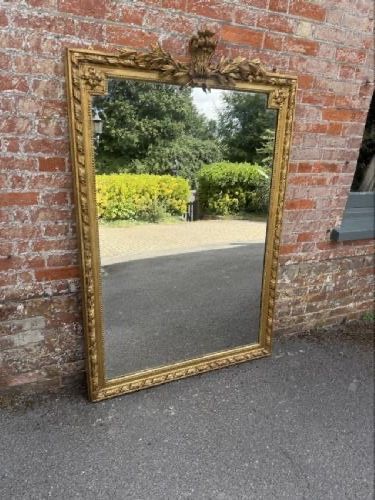
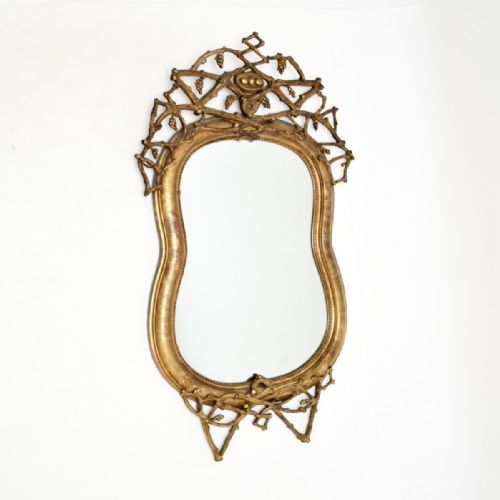
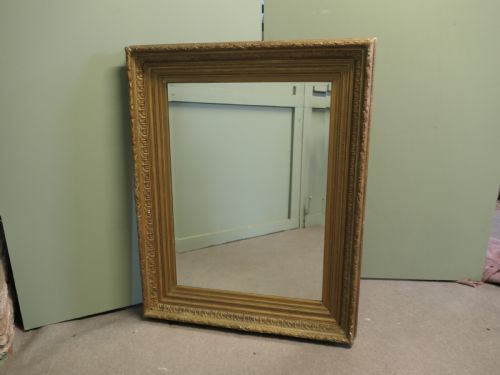
A vintage gilded accent mirror takes many sculptural forms, ranging from modest hall and console mirrors to large overmantel and wall pieces designed to anchor a room.
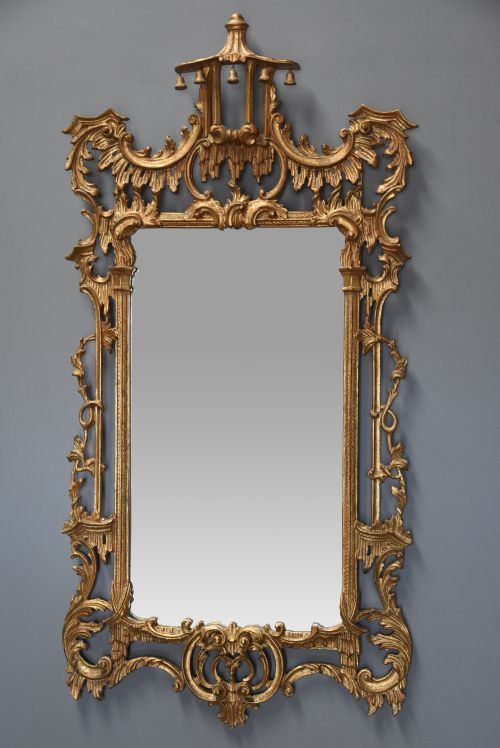
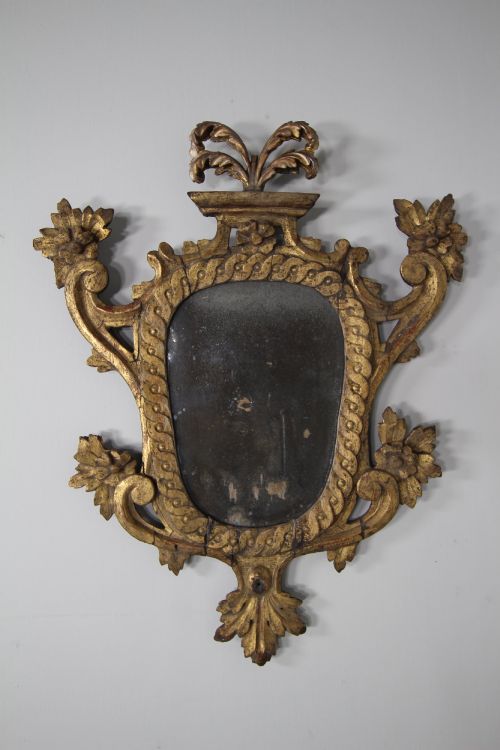
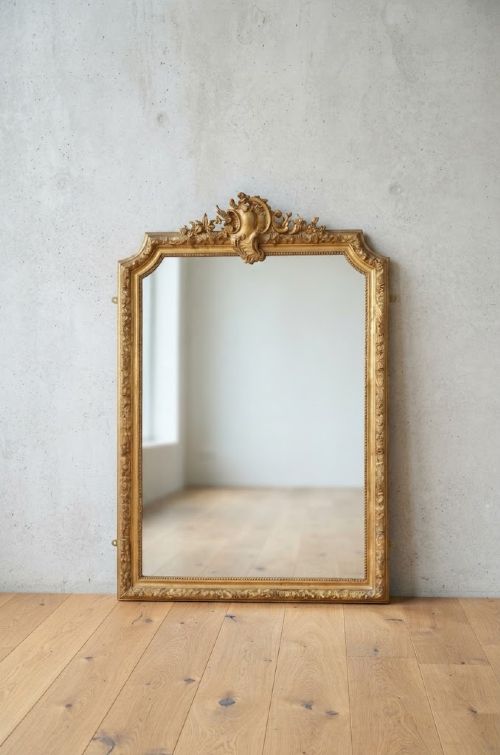
Italian Florentine frames and French Rococo designs dominate the selection, bringing intricate scrolls, cartouche shapes, and foliate crestings into domestic spaces.
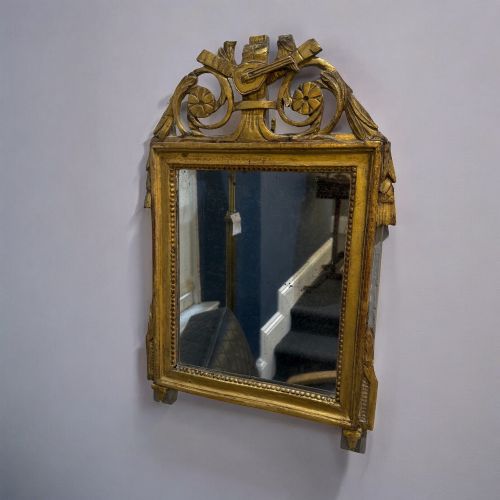
Most examples date from the nineteenth century, drawing upon earlier George II, Regency, and Baroque traditions to shape timber, gesso, and glass.
Materials and Construction
Carved timber or wooden substrates receive coats of gesso, providing a smooth, absorbent ground for subsequent layers of gold leaf or gilt.
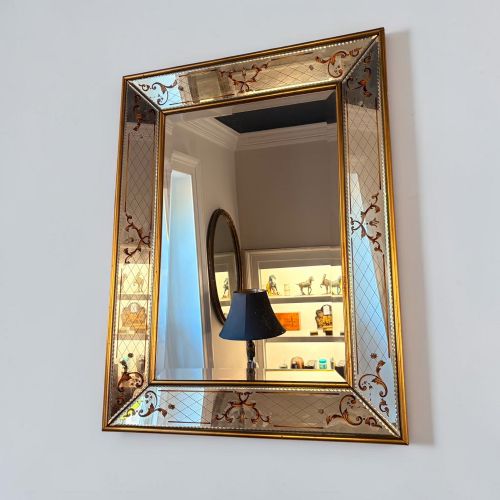
Glass plates, sometimes bevelled or engraved, are set within frames held together by traditional joinery and secured with backboards.
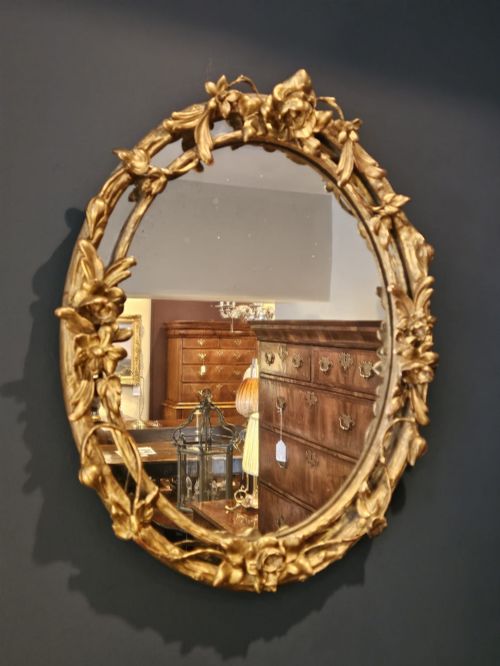
Surface ornamentation relies on hand-carved details, rope twists, and applied composition ornament finished with burnished or overpainted gilding.
Vintage Gilded Accent Mirror Retail Price Guide 2026
Typical asking prices for vintage gilded accent mirror among the pieces listed under this phrase on Sellingantiques today, from the lower quarter to the upper quarter. They describe what is for sale here now, not the wider market.
Materials recorded across the selection include solid timber, traditional gesso, mirror glass, and genuine gold leaf.
Assessing the Craft
The crispness of the hand-carved gesso and wood distinguishes master craftsmanship from simpler production, particularly where scrolls and floral motifs meet.
The depth and uniformity of the gold leaf application determine the brilliance of the surface and how it catches ambient light.
Original mirror plates showing genuine foxing and silvering provide historical integrity that replacement glass lacks.
The Vintage Gilded Accent Mirror Glossary
- Giltwood
- Wood carved and coated with gold leaf or metallic powder. This material defines the luxurious finish of many period wall pieces.
- Gesso
- A mixture of chalk, binder, and pigment applied to a wooden frame. It creates a smooth base suitable for fine carving and gilding.
- Overmantel Mirror
- A wide looking glass designed to hang above a fireplace mantel. These pieces often feature landscape proportions and ornate crests.
- Cartouche
- An ornamental frame resembling a rolled-up piece of paper or parchment. It frequently centres the cresting of French and Italian mirrors.
Vintage Gilded Accent Mirror: Frequently Asked Questions
Where should I hang a gilded accent mirror?
These mirrors work effectively above fireplaces, console tables, or in hallways where they bounce natural light around smaller spaces.
Ensure the wall structure can support the weight of a heavy timber and gesso frame before hanging.
How do I clean a vintage gilt frame?
Dust the carved surfaces gently with a soft, dry brush to prevent disturbing the delicate gold leaf or gesso layers.
Avoid using water, chemical sprays, or abrasive cloths which can strip the historic gilding from the wood.
Are the mirror plates original?
Many nineteenth-century and earlier pieces retain their original glass, often identifiable by minor oxidation spots known as foxing.
Some mirrors have received replacement glass over the decades to improve reflection clarity for daily use.
What is the difference between Rococo and Baroque styles?
Baroque mirrors display symmetrical, heavy, and grand architectural forms designed to project power and formal dignity.
Rococo designs introduce playful asymmetry, organic curves, and lighter motifs inspired by natural shell and plant growth.