





Vintage Geometric Drawer
These vintage geometric drawer pieces bring together sturdy oak storage and striking period revival styles.
Vintage Geometric Drawer
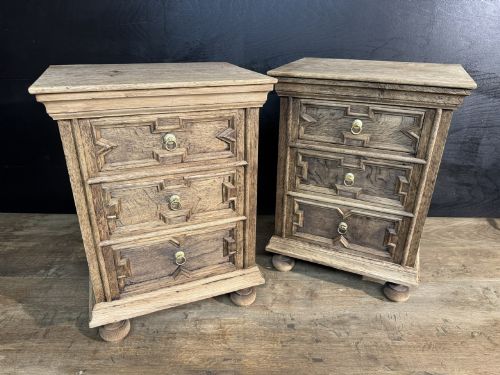
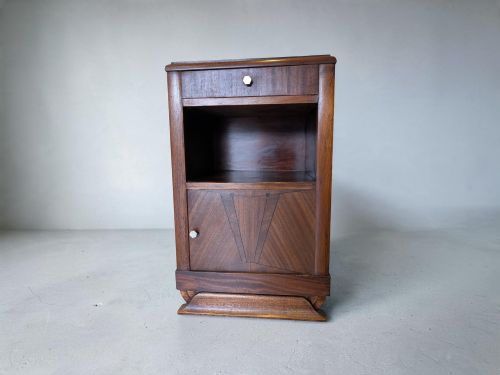
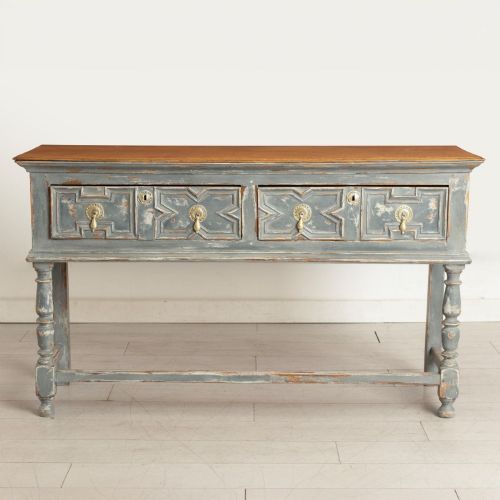
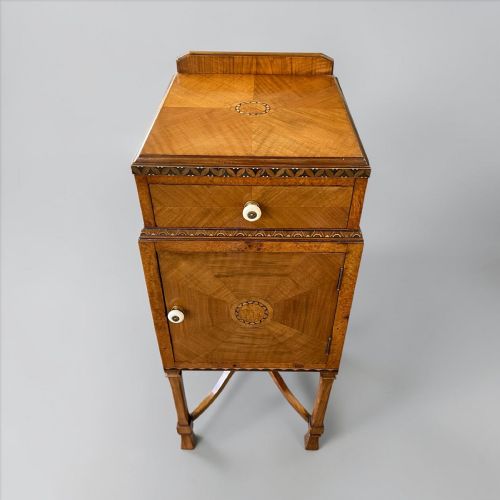
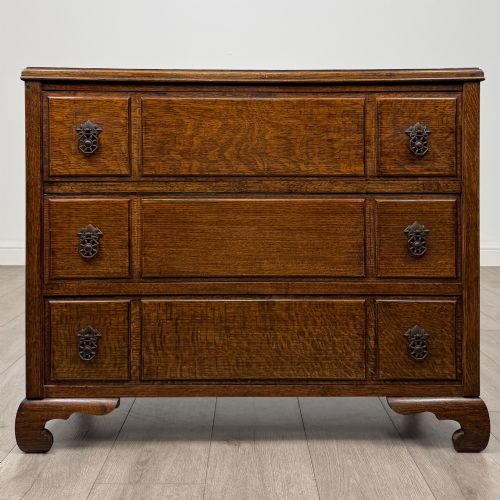
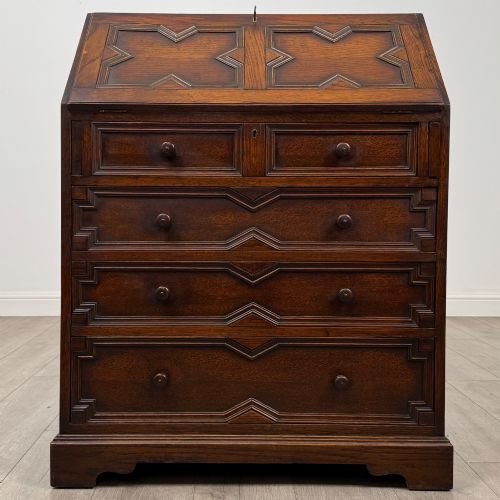
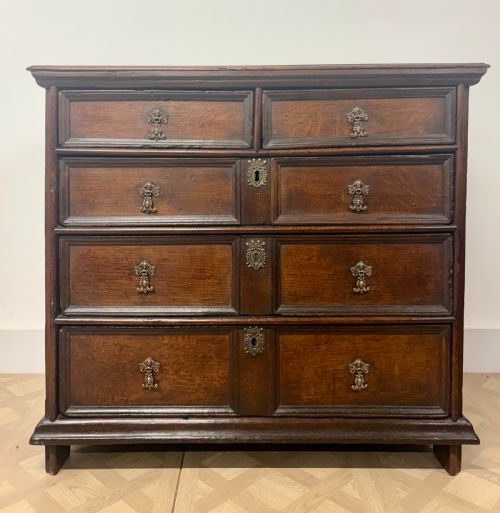
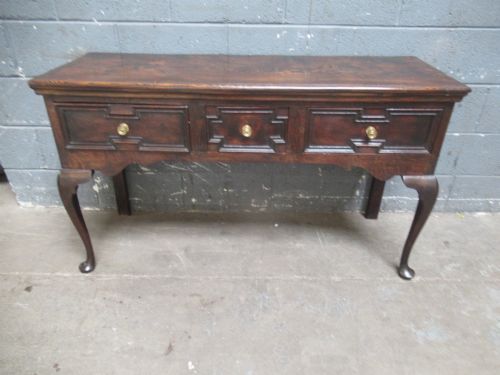
When you search for vintage geometric drawer items, you encounter a selection spanning the seventeenth century up through the nineteen-thirties, with oak being the predominant timber alongside painted wood and walnut. The forms range from traditional chests of drawers and bedside tables to bureaux, sideboards, and dresser bases.
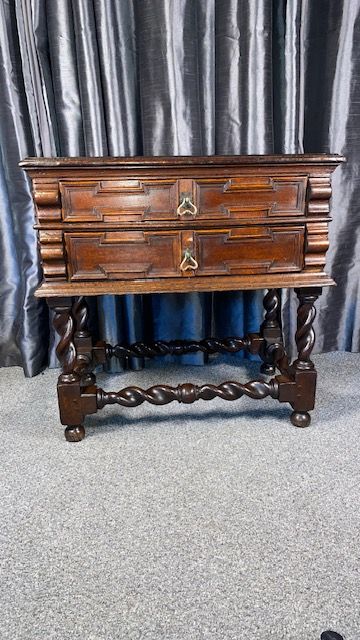
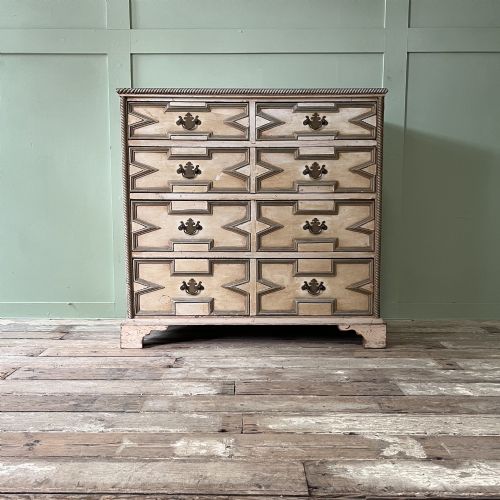
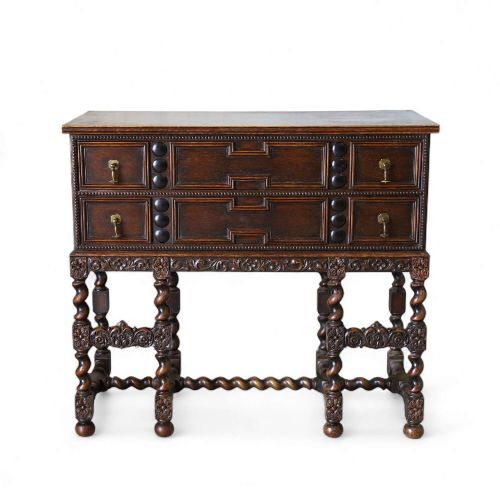
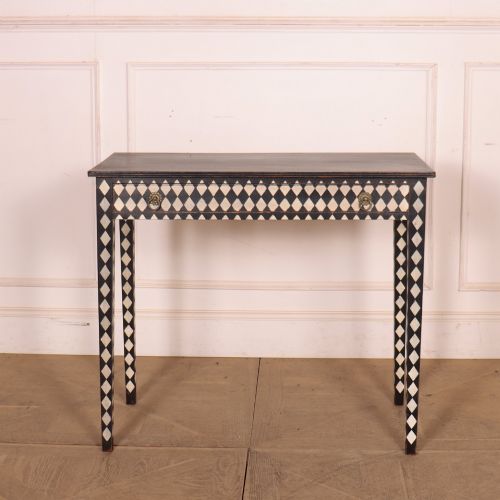
Jacobean revival and Art Deco examples dominate the selection, bringing architectural interest through mouldings, bun feet, and barley-twist supports to standard storage furniture. Pieces from the Edwardian era and the nineteen-twenties frequently display painted finishes or fitted writing sections within the main frame.
How they were made
Carpenters utilised solid oak, walnut, and regional woods to construct these cabinets, often applying decorative paint or dark ebonised finishes to the exterior surfaces. Drawer fronts frequently incorporate geometric mouldings, panel work, and raised detailing that required precise hand woodworking techniques.
Structural hardware relies heavily on brass for handles and key escutcheons, complementing the heavier timber construction. Support elements such as bun feet and turned barley-twist legs were turned on lathes before being joined to the main body.
Vintage Geometric Drawer Retail Price Guide 2026
Typical asking prices for vintage geometric drawer among the pieces listed under this phrase on Sellingantiques today, from the lower quarter to the upper quarter. They describe what is for sale here now, not the wider market.
The listings here span eight distinct periods, from seventeenth-century oak pieces to nineteen-thirties Art Deco designs.
What varies in quality
The sophistication of the timber selection and the crispness of the carved or moulded geometric details dictate the standing of each piece. Earlier seventeenth-century items rely on authentic period joinery and heavy oak construction, whereas revival pieces depend on the proportion of the mouldings and the balance of the proportions.
Secondary materials such as the application of paint finishes, the quality of the brass hardware, and the integration of fitted interior writing compartments distinguish standard utility furniture from finer atelier work.
Sir Clough Williams-Ellis
The Vintage Geometric Drawer Glossary
- Jacobean revival
- A nineteenth and twentieth-century style imitating seventeenth-century English furniture. It typically employs dark oak, heavy mouldings, and geometric panel framing.
- Barley-twist
- A decorative turning technique resembling a twisted rope. This detail appears frequently on the vertical supports of sideboards and tables from the early twentieth century.
- Moulded front
- A cabinet design where the drawer faces feature raised or recessed geometric shapes. This construction method adds visual depth and shadow to the facade.
- Bun foot
- A spherical or slightly flattened wooden foot shaped like a bun. These support the corners of heavy chests and cabinets from the seventeenth century and its later revivals.
Vintage Geometric Drawer: Frequently Asked Questions
How do I date a geometric drawer chest?
Dating relies on examining the timber species, the construction of the drawer linings, and the style of the geometric mouldings. Seventeenth-century examples show hand-riven oak and early iron or brass fixings, while revival pieces from the nineteen-twenties and thirties often use machine-cut elements and applied ebonised decoration.
Revival furniture often copies earlier Carolean and Jacobean aesthetics, so checking the interior construction helps separate authentic early periods from twentieth-century interpretations.
Where were these cabinets used?
These pieces served primary storage functions in bedrooms, hallways, and formal reception rooms across English homes. Bureaux and writing desks provided private workspace alongside drawer storage for documents and household linens.
Bedside cabinets and smaller lamp tables functioned as compact storage units next to seating or sleeping quarters, accommodating daily essentials within decorative timber frames.
How do I care for antique oak furniture?
Maintain the timber by keeping pieces away from direct heat sources and sudden humidity changes that can crack old wood and veneer. Regular dusting with a dry, soft cloth preserves the wax finish and prevents grime buildup in the geometric mouldings.
Avoid commercial silicone sprays and instead use traditional beeswax sparingly to nourish dry oak and maintain the natural lustre of the dark finish.