




Vintage Gentleman Accessories
These vintage gentleman accessories bring daily utility and character into a room, offering functional pieces crafted for the nineteenth and twentieth-century desk, smoke room, and wardrobe.
Vintage Gentleman Accessories
When you search for vintage gentleman accessories, you encounter a focused range of personal and domestic items associated with traditional pastimes, grooming, and desk use. The selection spans the nineteenth century through the Art Deco era, encompassing practical objects from walking canes and pocket knives to cigar cases and pipe racks.
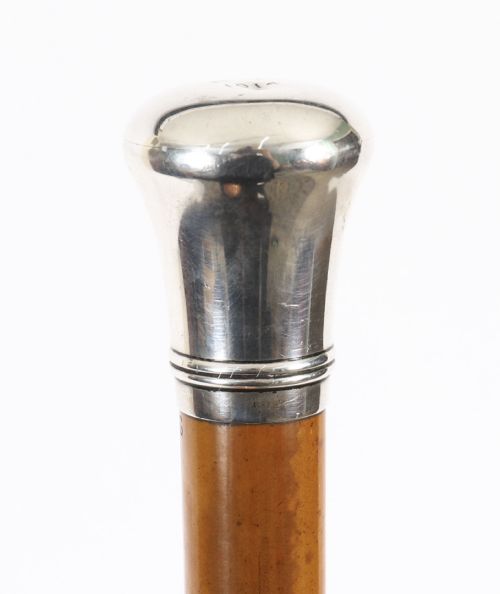
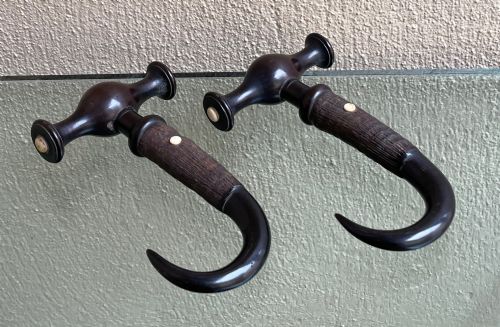
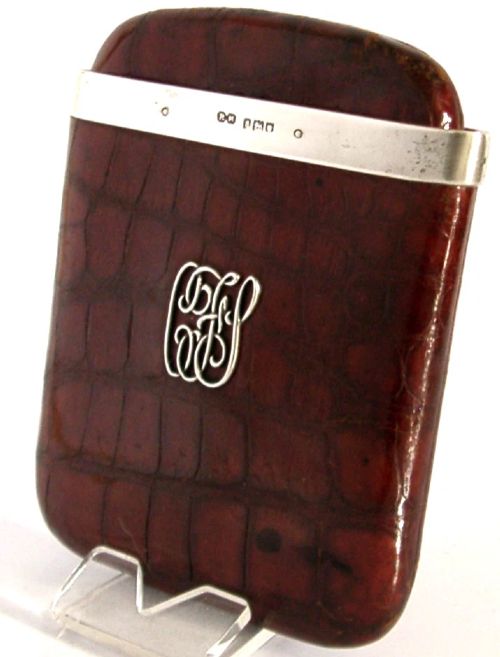
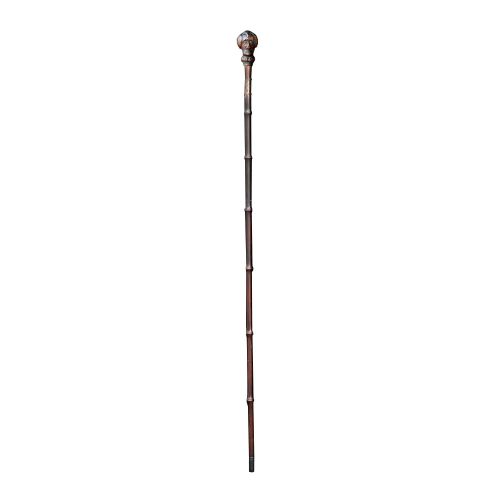
You are most likely to meet smoking accessories and walking sticks on this page, reflecting the dominant survivals from the Victorian and Edwardian periods. Burr walnut cigar cabinets, crocodile leather cases, and horn boot pulls sit alongside desk calendars and novelty barware trays from the nineteen-thirties.
Materials and construction
Makers utilised robust natural materials including burr walnut, oak, horn, and crocodile leather, often pairing them with structural timber or backing. These organic surfaces provide the tactile quality central to pieces designed for frequent handling.
Metalwork played a defining structural and decorative role, featuring sterling silver mounts, silver plate, and brass fittings. London hallmarks frequently date silver elements, while skilled inlay and joinery shape the wooden cabinets and cane shafts.
Vintage Gentleman Accessories Retail Price Guide 2026
Typical asking prices for vintage gentleman accessories among the pieces listed under this phrase on Sellingantiques today, from the lower quarter to the upper quarter. They describe what is for sale here now, not the wider market.
Listings feature items spanning the Victorian, Edwardian, and Art Deco periods, utilising burr walnut, crocodile leather, horn, and sterling silver.
Determining quality in these pieces
The distinction between ordinary and superior pieces rests on the choice of materials and the refinement of secondary details. Figured burr walnut veneer, genuine crocodile skin, and heavy gauge sterling silver distinguish the finer items from simpler oak or plated alternatives.
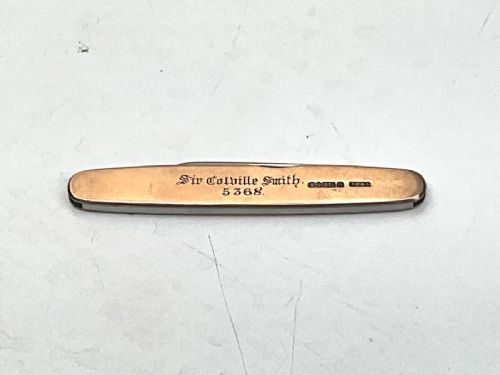
Construction integrity and decorative ambition separate standard utilitarian output from pieces commissioned for specific owners, such as engraved masonic pocket knives or fitted locking tobacco cabinets. The harmony between the primary material and metal mounts dictates the visual success of each object.
The Vintage Gentleman Accessories Glossary
- Burr walnut
- A highly figured wood grain obtained from walnut tree growths, prized for its swirling patterns on cabinet surfaces and cigar cases.
- Hallmark
- An official stamp applied to precious metals in Britain, indicating the standard of silver and the assay office, often found in London.
- Boot pull
- A hooked or handled tool designed to assist in pulling on tight riding boots, frequently fashioned from horn or metal.
- Pipe rack
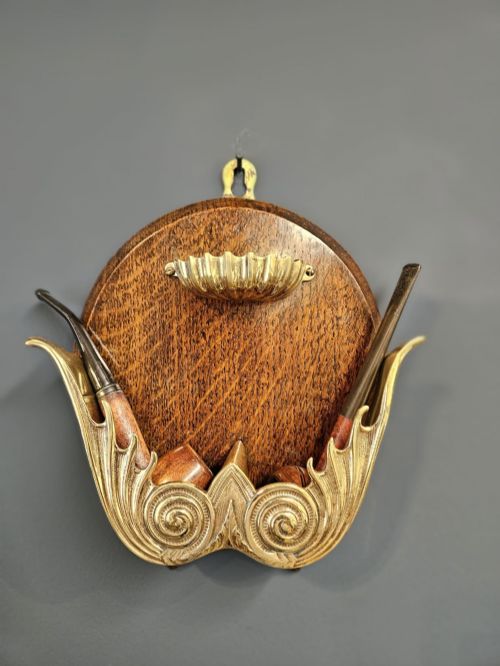
- A wooden or brass stand engineered to store smoking pipes upright, keeping bowls secure and stems organised on a desk or wall.
Vintage Gentleman Accessories: Frequently Asked Questions
What items count as gentleman accessories?
These pieces include items for smoking, grooming, walking, and desk organisation from the nineteenth and twentieth centuries.
Examples span cigar cases, walking canes, pocket knives, pipe racks, and inkwells made from wood, leather, horn, and silver.
How do I date a silver accessory?
Silver components often bear British hallmarks that record the assay office, maker, and specific year of testing.
London stamps from the early twentieth century or late nineteenth century provide a reliable baseline for dating the mount.
Where were these pieces used?
Objects such as cigar cabinets and inkwells belonged in studies, smoking rooms, and libraries of the Victorian and Edwardian periods.
Other items like walking canes and pocket knives accompanied the owner outdoors for travel and promenading.
What styles dominate these listings?
Victorian and Edwardian designs form the primary stylistic backbone, showing traditional craftsmanship in wood and leather.
Art Deco items introduce later twentieth-century geometry through desk calendars and novelty barware trays.