

Vintage Genre Scene Art
Vintage genre scene art captures daily life, from quiet cottage interiors to bustling village fêtes, painted across the nineteenth and early twentieth centuries.
Vintage Genre Scene Art
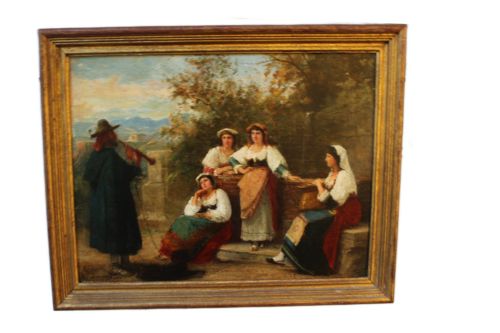
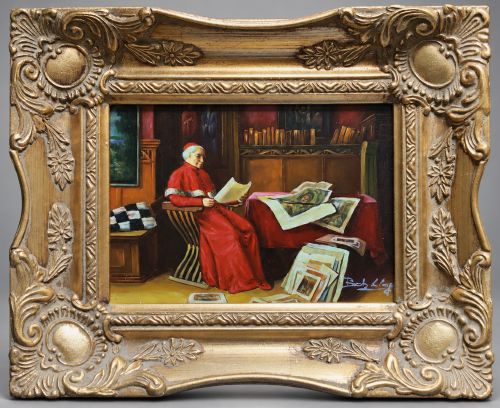
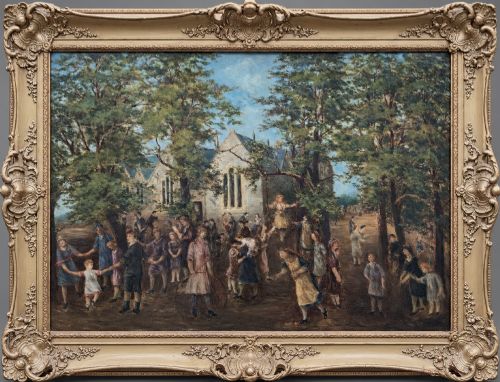
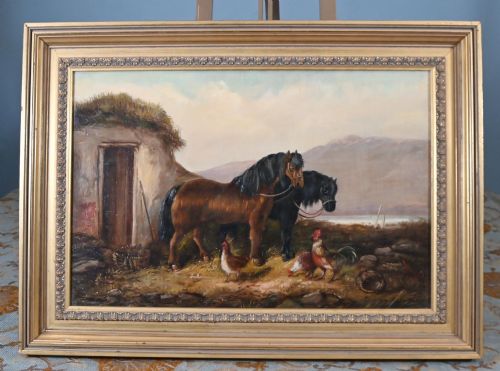
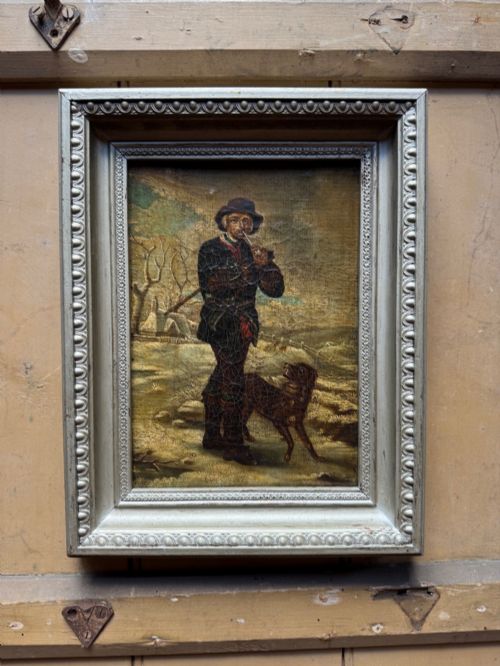
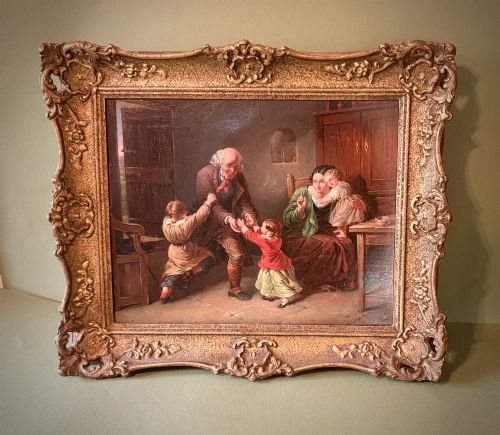
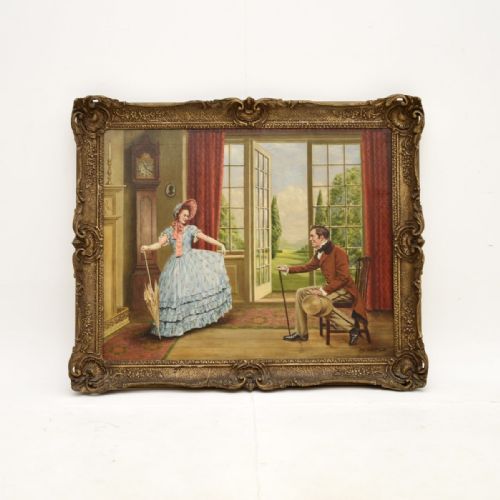
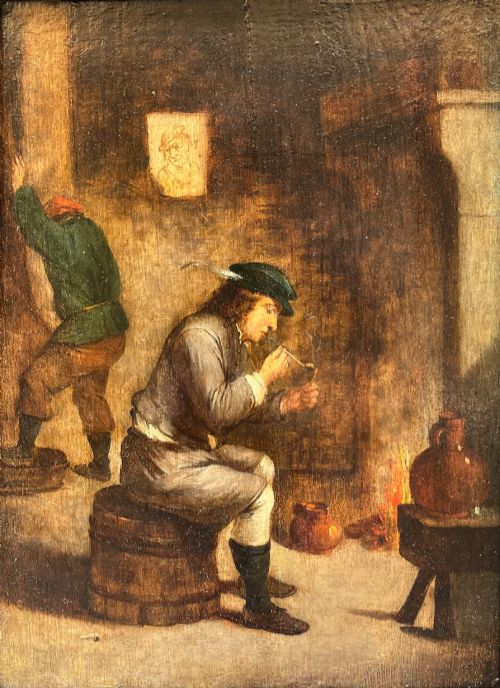
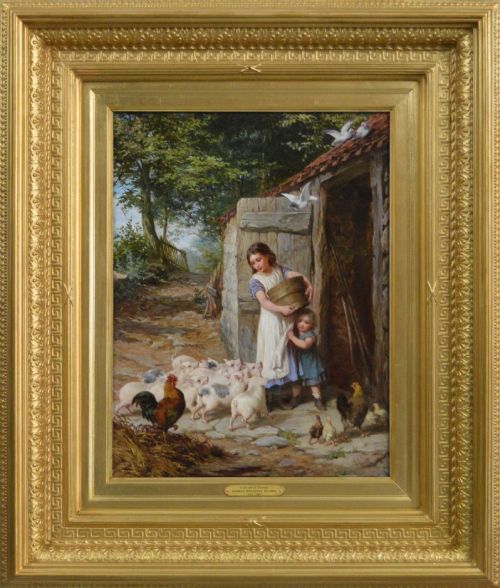
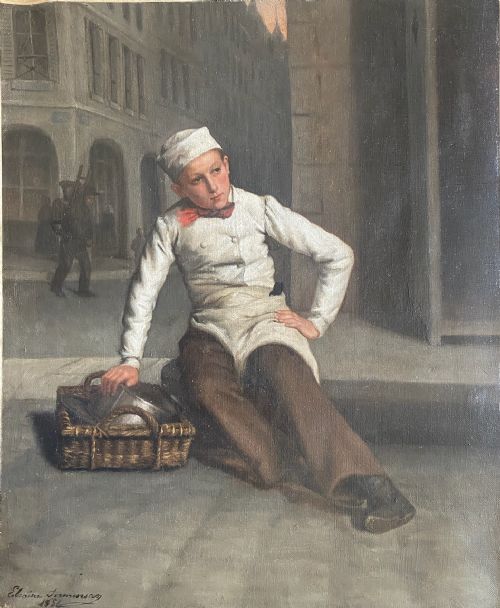
These works depict scenes of everyday life, focusing on human figures engaged in ordinary tasks, leisure, or rural labour. The selection spans the nineteenth century through to the early decades of the twentieth, drawing on Victorian, Edwardian, and continental realisms.
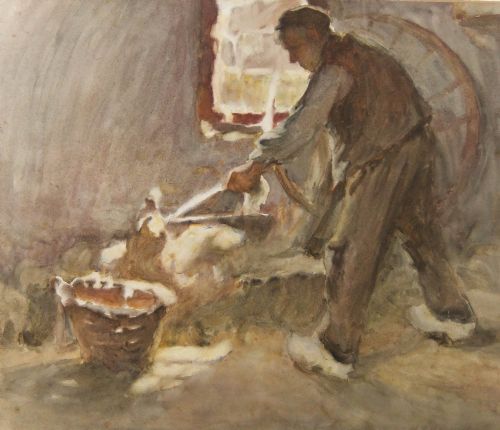
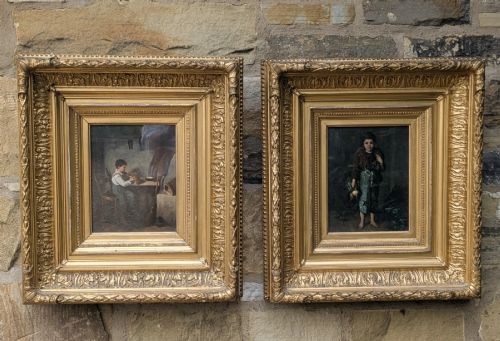
Buyers encounter oil paintings on canvas and panel alongside watercolours, lithographs, and engravings. Common subjects include blacksmiths, farmyards, tavern interiors, and family gatherings captured by notable painters and printmakers of the period.
Materials and techniques
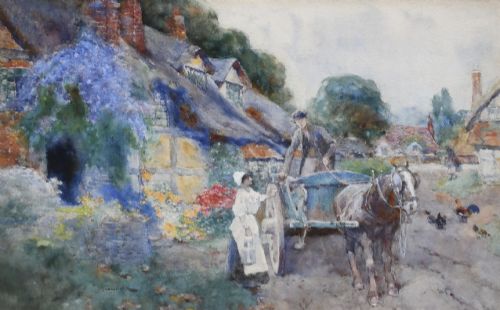
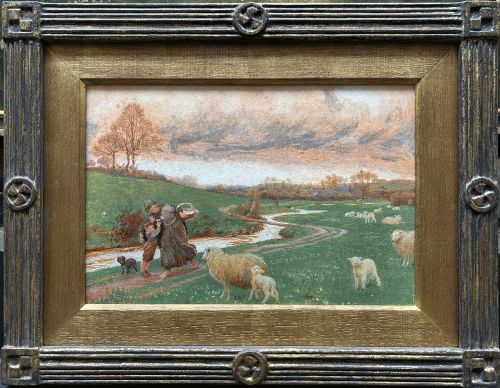
Artists painted primarily with oil on canvas or wood panel, applying pigments to achieve depth in interior lighting and outdoor settings. Watercolours on paper provide lighter, transparent studies of figures and countryside scenes.
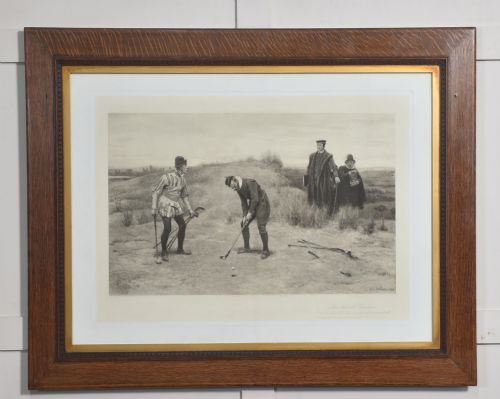
Printmakers utilised engraving, mezzotint, and lithography to reproduce popular paintings for domestic interiors, framing them behind glass often within gilt wood surrounds.
Vintage Genre Scene Art Retail Price Guide 2026
Typical asking prices for vintage genre scene art among the pieces listed under this phrase on Sellingantiques today, from the lower quarter to the upper quarter. They describe what is for sale here now, not the wider market.
Listings feature works created in oil, watercolour, canvas, paper, wood, and glass across the nineteenth and twentieth centuries.
Quality and execution
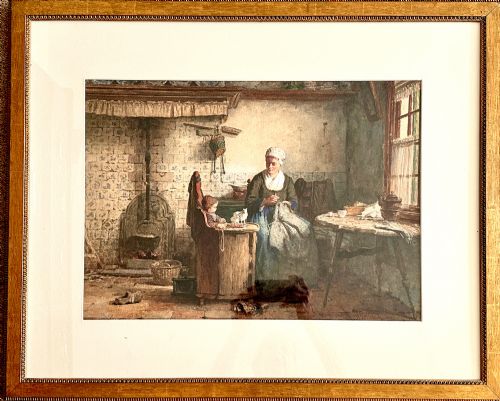
Quality rests upon the artist's command of anatomy, facial expression, and narrative clarity within the painted or printed composition. Finer works display subtle handling of light and shadow, particularly in interior chiaroscuro or natural daylight.
The preservation of the original surface, whether unlined canvas or crisp paper impressions, dictates the visual strength of the piece. Period frames that complement the artwork enhance the overall integrity of the object.
George Augustus Holmes·David Teniers·Frank Moss Bennett·James Kyd·Hans Temple
The Vintage Genre Scene Art Glossary
- Genre painting
- Depiction of aspects of everyday life by portraying ordinary people engaged in common activities. These works focus on narrative rather than portraiture or landscape alone.
- Chiaroscuro
- The use of strong contrasts between light and dark, usually bold contrasts affecting a whole composition. Painters utilise this technique to give volumetric relief to figures.
- Mezzotint
- A printmaking process of the drypoint method, where the surface is roughened to hold ink and produce rich tones. This technique allows for smooth gradations of light and shade.
- Panel painting
- A painting made on a flat panel made of wood, often oak or mahogany. Artists favoured this rigid support before canvas became the dominant medium.
Vintage Genre Scene Art: Frequently Asked Questions
What is a genre scene?
A genre scene depicts everyday life and ordinary people rather than historical events, mythologies, or grand portraits. These works show people at work, resting, or socialising.
Subjects often include domestic interiors, farmyard chores, village gatherings, and street markets from past centuries.
How do I care for oil paintings?
Oil paintings on canvas or panel require stable environmental conditions away from direct sunlight and dampness. Avoid hanging them near heat sources that cause wood panels or canvas to warp.
Dust surfaces gently with a soft, dry brush and avoid chemical cleaning agents on the painted layer.
How can I tell watercolours from prints?
Watercolours show actual brush marks, subtle pooling of pigment on paper, and hand-painted details upon close inspection under magnification. Prints display a uniform dot pattern, ink settled within engraved lines, or plate marks.
Original watercolours are unique works, whereas prints exist in multiple impressions.
What periods do these artworks cover?
The available pieces predominantly date from the nineteenth century through the early twentieth century, spanning the Victorian and Edwardian eras. Some examples reference seventeenth-century Dutch traditions.
Styles range from academic realism and impressionism to traditional British and continental watercolours.