
Vintage Gemstone Ring Jewellery
Vintage gemstone ring jewellery brings together ruby, sapphire, opal and diamond across Victorian, Edwardian and mid-century periods.
Vintage Gemstone Ring Jewellery
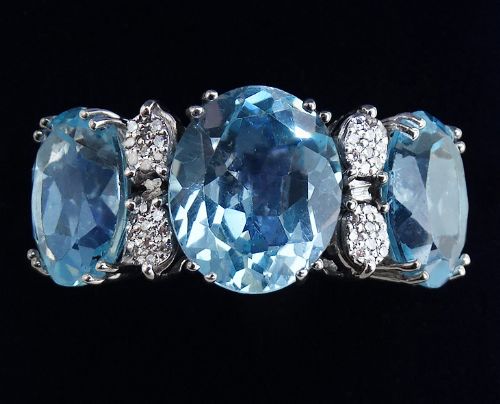
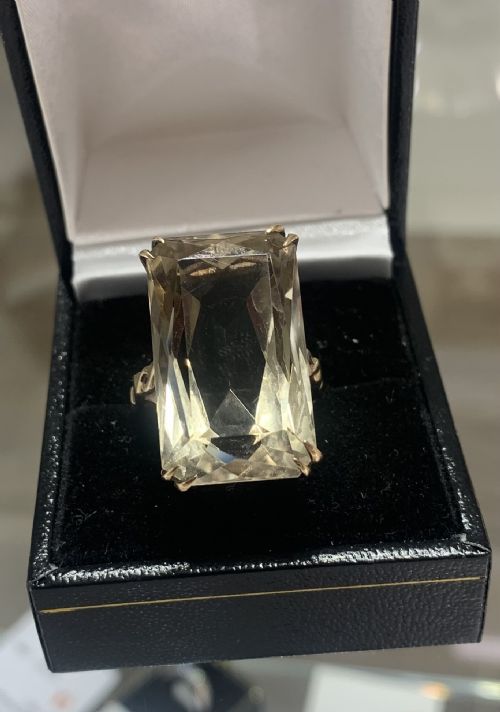
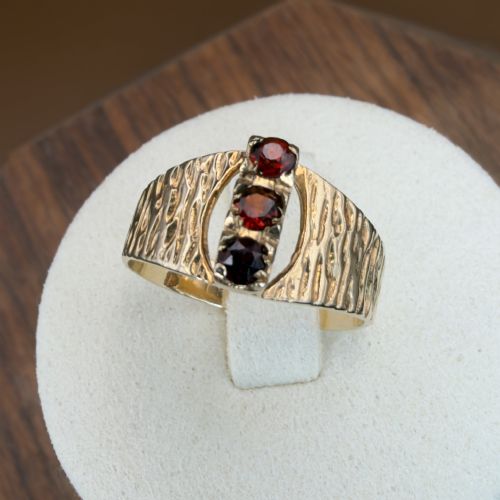
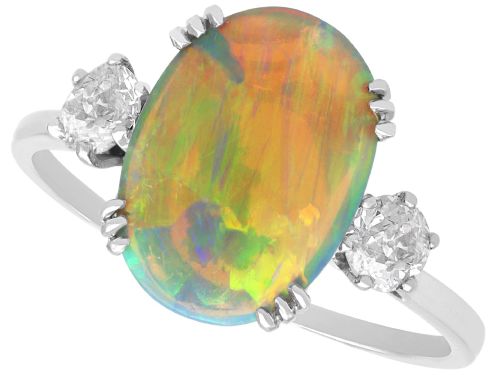
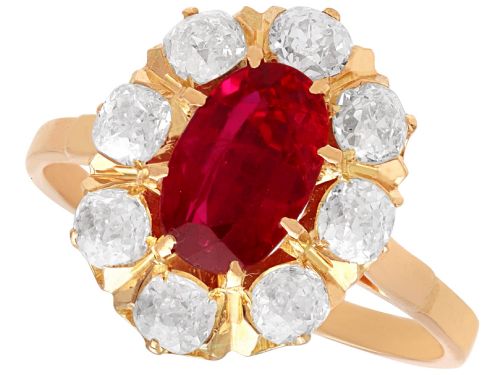
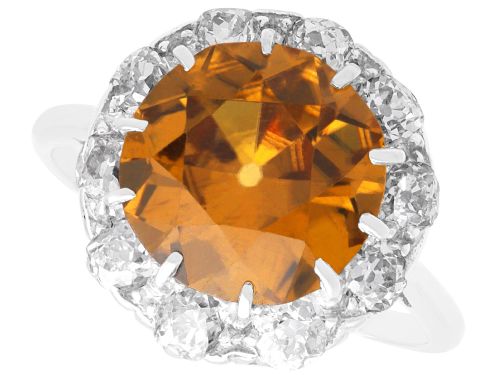
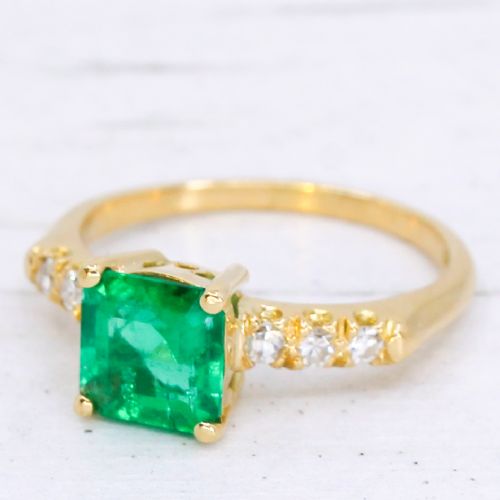
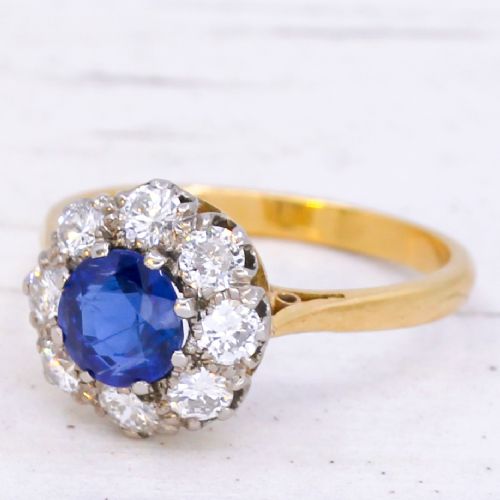
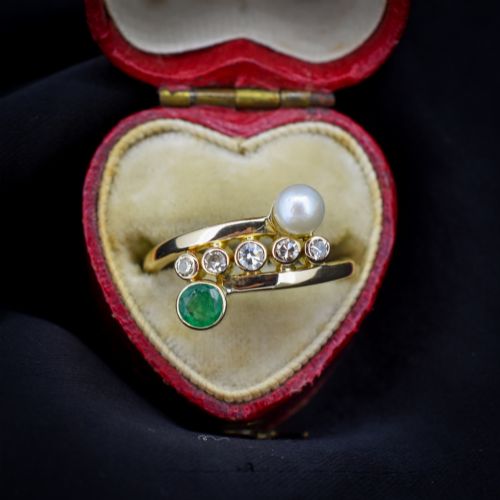
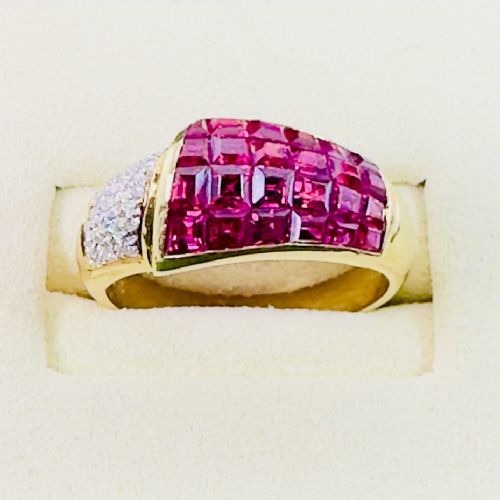
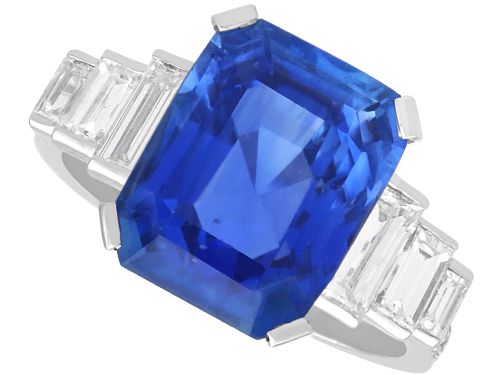
Vintage gemstone ring jewellery comprises rings set with diamonds, rubies, sapphires, opals and emeralds in gold and platinum settings. These pieces span the Victorian, Edwardian, Art Deco and mid-century periods, showing diverse forms from cluster rings to boat shapes.
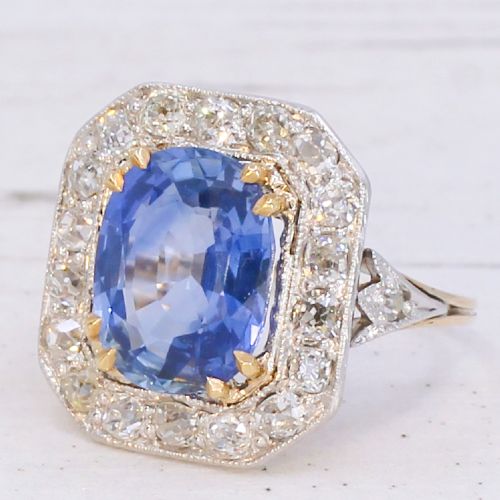
The most common versions on this page are Edwardian and Victorian 18ct gold rings featuring stones like ruby, sapphire and opal alongside old cut diamonds. Cluster and boat styles appear frequently, often carrying assay marks or specific dates from the early twentieth century.
Makers and workshops of the past utilised precious metals to frame natural gems in designs ranging from daisy clusters to navette shapes. Buyers encounter pieces that reflect specific stylistic movements such as Art Nouveau and Continental Art Deco.
How they were made
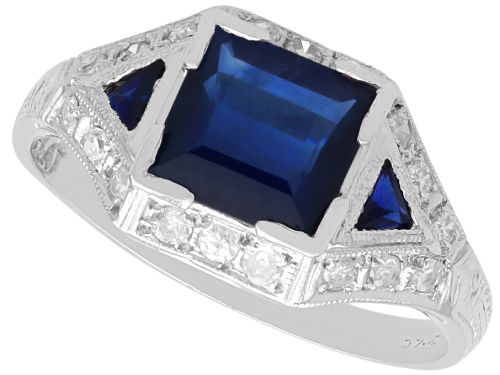
Craftsmen built these rings predominantly using 18ct yellow gold, 15ct gold and platinum, mounting central stones like unheated Ceylon sapphires and Burmese rubies securely within bezels or claw settings. Old cut diamonds and seed pearls complement the main gemstones in multi-stone configurations.
Techniques involve hand-setting cabochon and faceted stones, including opals, amethysts and emeralds, into cast or fabricated band rings. Metalwork often incorporates detailed gallery wire, starburst engravings and boat-shaped platforms characteristic of the Victorian and Edwardian eras.
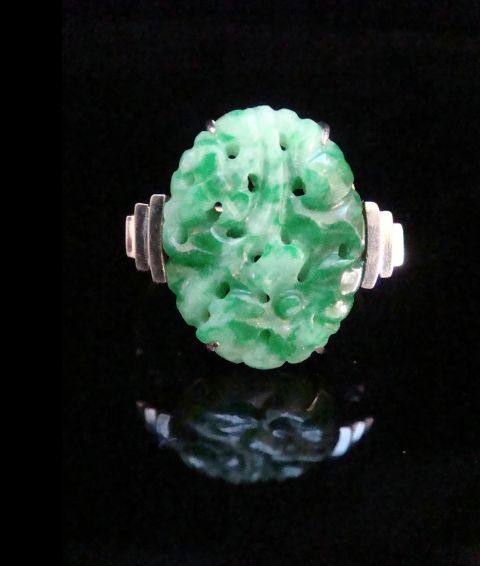
A ten-gram lavender jade ring demands a finger with stamina.
What varies in quality
Quality separates through the natural provenance and treatment status of the gemstones, such as unheated sapphires and natural opals commanding distinct attention compared to standard stones. The precision of the old cut diamonds and the weight of the gold mountings also dictate the tier of the piece.
Execution of the metalwork, from hand-engraved starburst motifs to structural integrity in cluster and trilogy settings, defines the finer examples. Preservation of hallmarks, original dates and Birmingham assay marks further distinguishes superior surviving specimens.
The Vintage Gemstone Ring Jewellery Glossary
- Old cut diamond
- A diamond cut with a small table, high crown and open culet, typical of pieces made before the modern brilliant cut was standardised.
- Boat ring
- A ring featuring a curved, boat-shaped setting that typically houses a row of graduated gemstones across the finger.
- Cluster ring
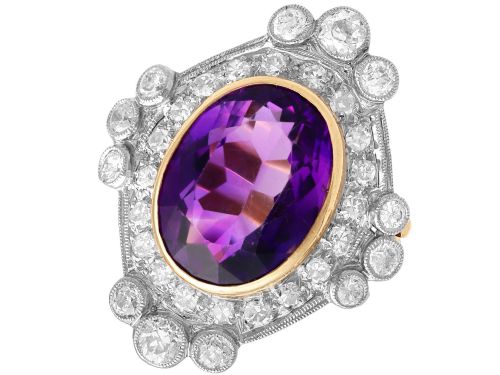
- A ring design centred on a prominent gemstone surrounded by a tight arrangement of smaller stones, usually diamonds.
- Navette style
- A ring configuration shaped like a little ship or eye, elongated along the finger with tapering ends.
- Cabochon
- A gemstone shaped and polished with a smooth, rounded surface rather than faceted edges.
Vintage Gemstone Ring Jewellery: Frequently Asked Questions
What periods do these rings come from?
The listings span several distinct eras, beginning in the nineteenth century with Victorian and late Victorian examples. Edwardian pieces from the early nineteen-hundreds appear frequently alongside Art Deco and mid-century designs.
Dates often run from the eighteen-eighties through to the nineteen-sixties, capturing shifts in jewellery design from heavy gold bands to platinum settings.
Which gemstones are most common?
Diamonds, rubies and sapphires dominate the selection, often paired together in cluster or trilogy formations. Opals, amethysts, emeralds and citrines also appear regularly.
Many listings feature natural unheated stones from origins like Ceylon and Burma, set alongside seed pearls and tourmalines.
How do I identify an Edwardian ring?
Edwardian pieces typically employ 18ct yellow gold or platinum, often incorporating light, airy openwork designs. Common motifs include daisy clusters, boat shapes and delicate gemstone pairings.
Assay marks and specific dates stamped inside the band help confirm the period, alongside characteristic old cut diamonds and natural opals.