


Vintage Gem Ring
A vintage gem ring brings together coloured stones and precious metals from decades past to sit on the hand.
Vintage Gem Ring
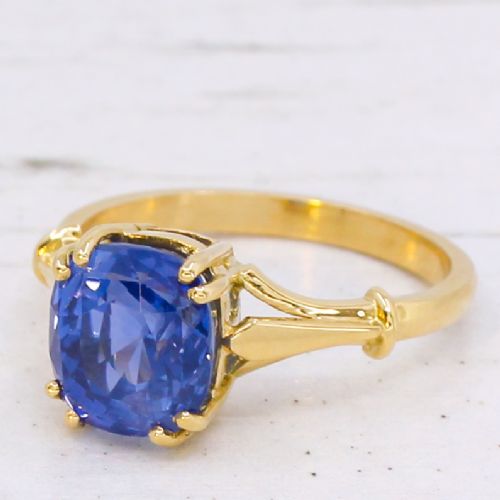
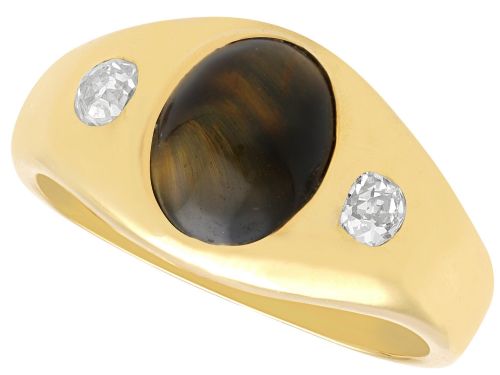
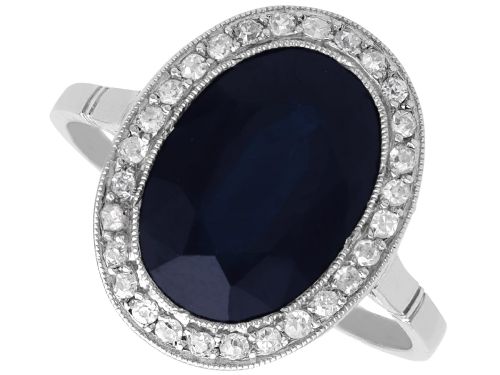
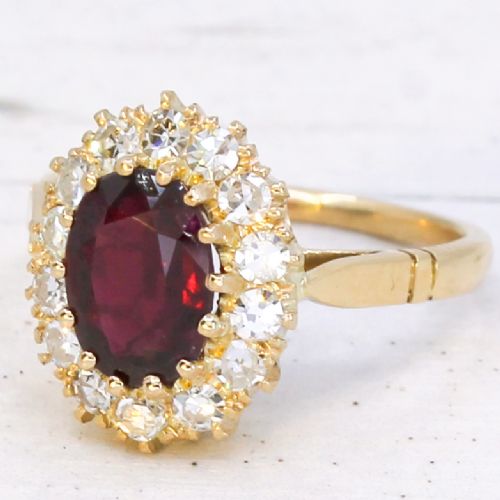
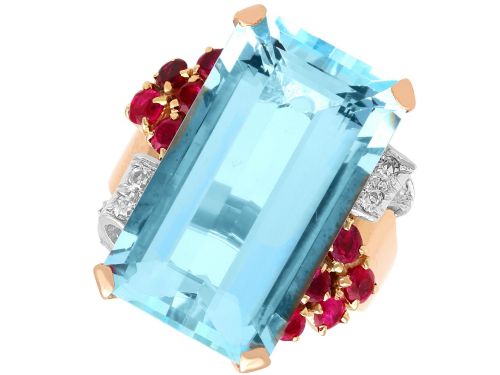
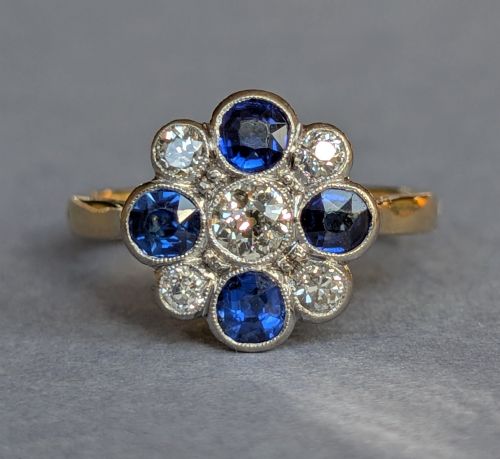
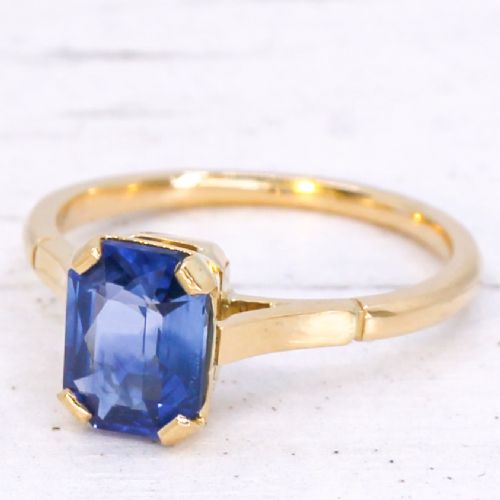
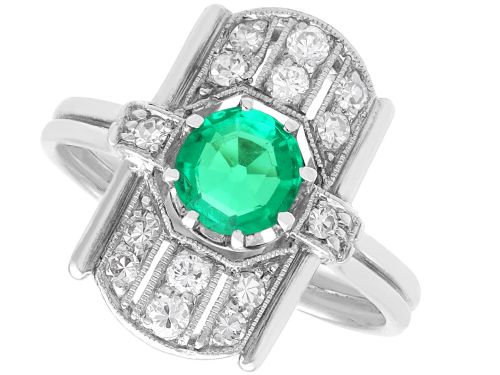
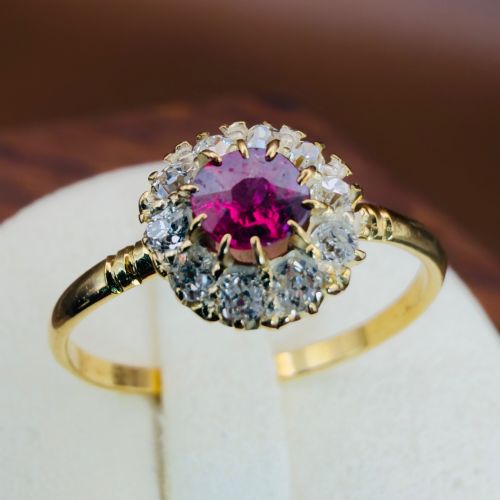
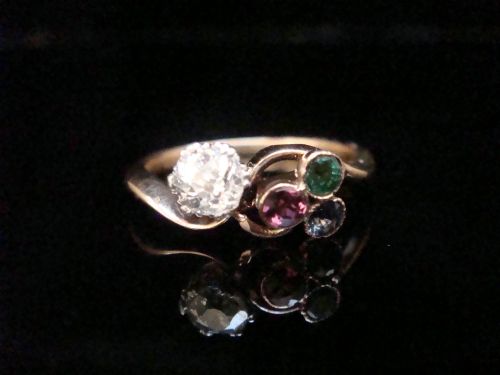
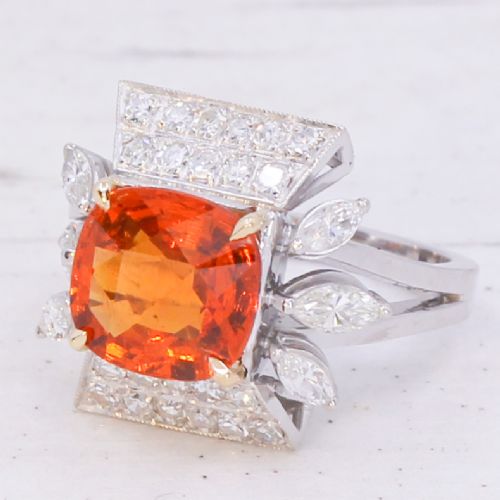
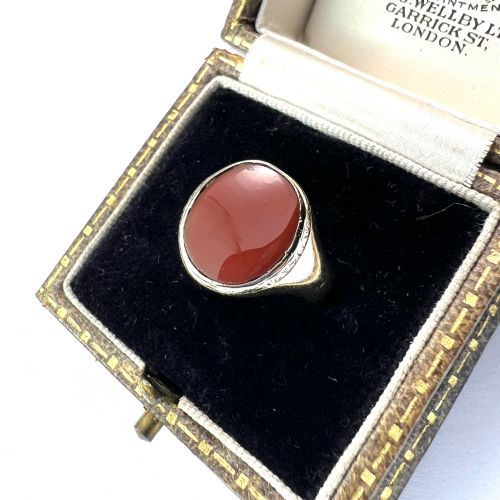
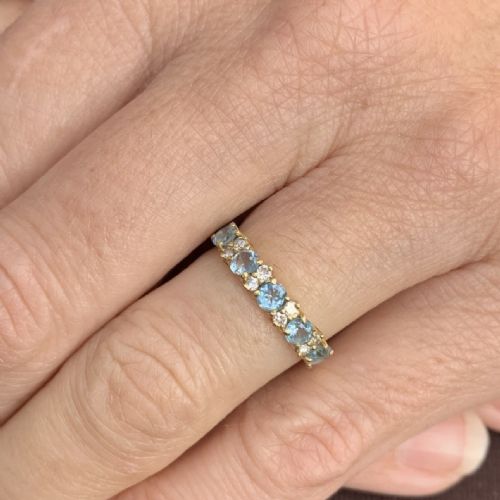
A vintage gem ring encompasses pieces from the Victorian, Edwardian, Art Deco, and mid-century eras that feature central stones held in metal bands. These jewels range from simple solitaire and three-stone layouts to elaborate cluster and cocktail designs.
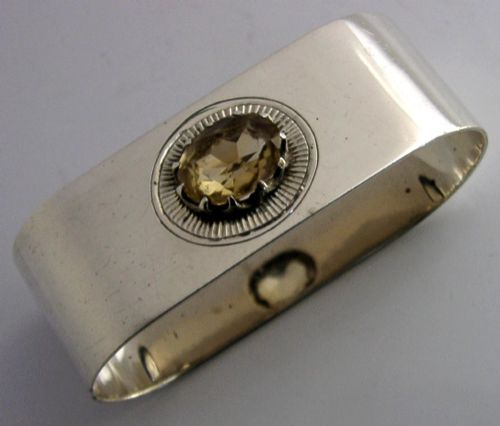
Most examples found here date from the late nineteenth century through to the mid-twentieth century, showing stylistic shifts from ornate floral motifs to geometric lines. Alongside finger rings, the selection includes related forms such as napkin rings set with gems or precious metals.
Makers set these pieces with natural minerals like sapphire, emerald, ruby, diamond, garnet, amethyst, and opal. The resulting variety spans quiet everyday bands to substantial statement pieces intended for formal wear.
How they were made
Goldsmiths shaped these jewels using 18ct yellow gold, 14ct gold, white gold, platinum, and sterling silver as the structural base. Precious and semi-precious stones were then secured using claw settings, flush mounts, or intricate millegrain borders.
Cutting techniques evolved across the periods represented, with early pieces featuring old cut or rose cut diamonds alongside cushion-cut coloured stones, while later mid-century examples often display brilliant or princess cuts.
Vintage Gem Ring Retail Price Guide 2026
Typical asking prices for vintage gem ring among the pieces listed under this phrase on Sellingantiques today, from the lower quarter to the upper quarter. They describe what is for sale here now, not the wider market.
Listings feature pieces spanning the Victorian period through to the late twentieth century, utilising platinum, sterling silver, and various carats of gold.
What varies in quality
Quality rests on the depth of colour and clarity inherent in the gemstones, alongside the precision of the metalwork. Pieces featuring unheated or certified natural stones stand apart from standard commercial examples.
The integrity of the setting and the weight of the precious metal indicate the level of craftsmanship invested by the original maker. Substantial platinum or high-carat gold mounts designed to securely hold large carat weights elevate a piece above simpler production.
The Vintage Gem Ring Glossary
- Cluster ring
- A ring featuring a central prominent gemstone surrounded by a border of smaller stones, typically diamonds. This layout maximises visual impact and light reflection on the finger.
- Solitaire
- A ring set with a single gemstone, most commonly a diamond. The minimalist design directs attention entirely to the optical properties of the main stone.
- Millegrain
- A decorative technique involving a row of tiny raised metal beads along the edge of a setting. This method adds a delicate textural border typical of Edwardian and Art Deco jewellery.
- Carat
- The unit of weight used to measure gemstones. Higher carat weights indicate larger physical dimensions for stones of the same mineral family.
- Old cut
- A traditional diamond cutting style characterised by a high crown, small table, and deep pavilion. These antique cuts produce a distinctive softer light dispersion compared to modern brilliant cuts.
Vintage Gem Ring: Frequently Asked Questions
How do I know the age of the ring?
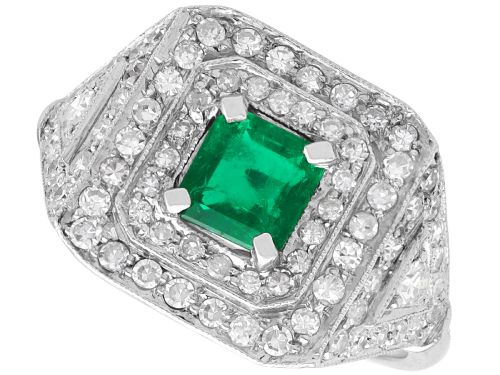
Determining the age of a ring involves examining the metal hallmarks, the cutting style of the gemstones, and the overall structural design. Characteristic motifs like geometric platinum work point towards the Art Deco period, while yellow gold floral clusters often suggest Victorian or Edwardian origins.
Independent gem reports and hallmarks stamped inside the band frequently provide definitive clues regarding the era of manufacture and metal purity.
Can I wear these rings every day?
Daily wear is possible for many vintage rings, provided the materials match the activity level of the wearer. Harder minerals like diamonds, rubies, and sapphires withstand regular use well, whereas softer stones require greater care.
Checking the security of the settings with a jeweller ensures that older claws and bands remain sturdy enough to support daily movement.
What metals were used in these pieces?
Jewellery from these periods utilises 18ct yellow gold, 14ct gold, white gold, platinum, and sterling silver. Platinum gained popularity during the Edwardian and Art Deco eras for its strength in delicate, lace-like settings.
Yellow gold dominates earlier Victorian and mid-century designs, often providing a warm contrast to deep blue sapphires or rich red rubies.