




Vintage Garden Plant Stand
A vintage garden plant stand brings architectural form and greenery together, offering tiered display for pots in the open air.
Vintage Garden Plant Stand
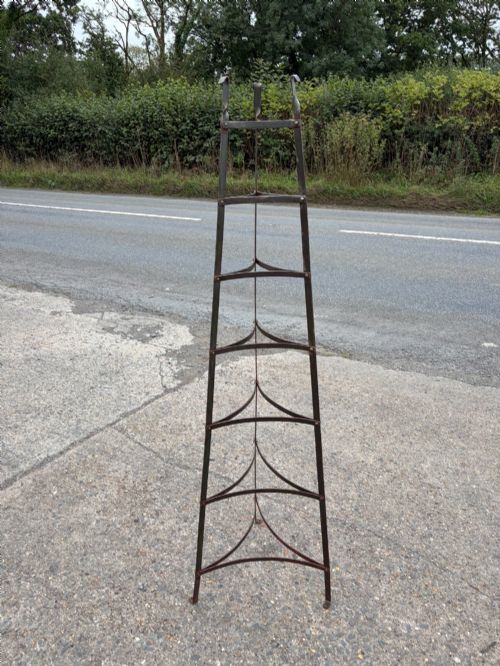
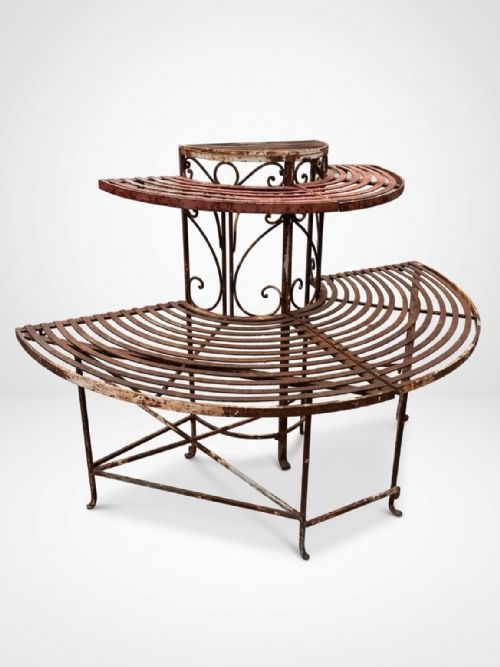
A vintage garden plant stand takes many structural forms, most frequently appearing as multi-tiered iron structures designed to hold pots in a conservatory or courtyard. These pieces span from the Georgian and Victorian eras into the twentieth century, originating across English, French, and Asian workshops.
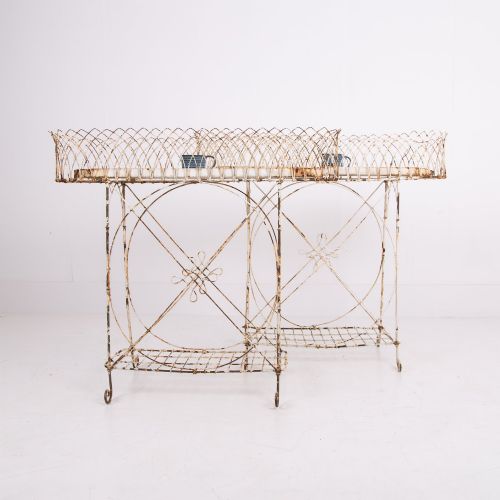
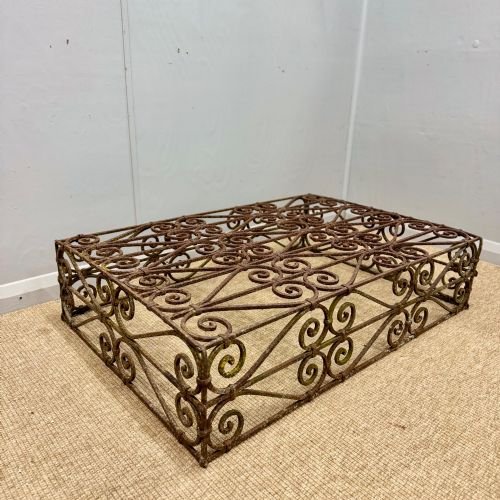
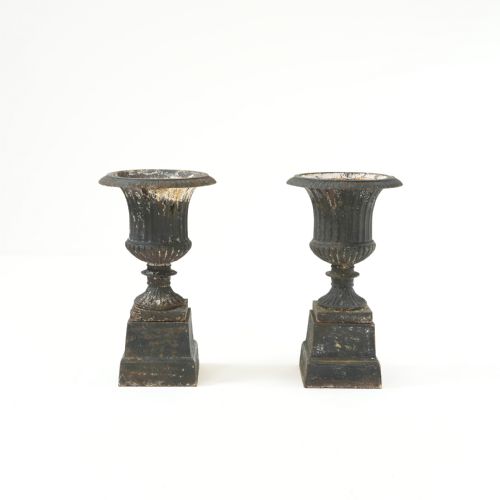
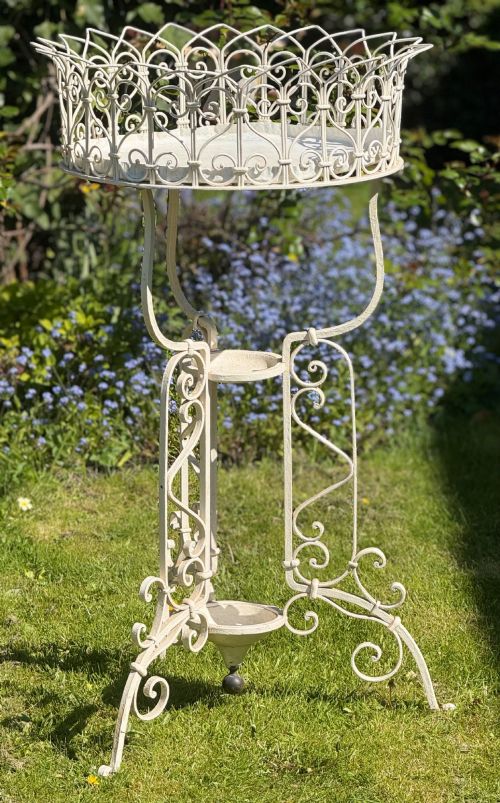
The selection ranges from tiered wirework and scrollwork baskets to heavy cast iron campana urns and slender wooden pedestals. Buyers encounter simpler utilitarian racks alongside decorative French country designs and nineteenth century estate-made pieces.
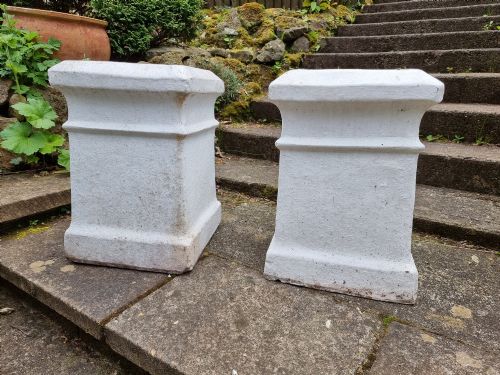
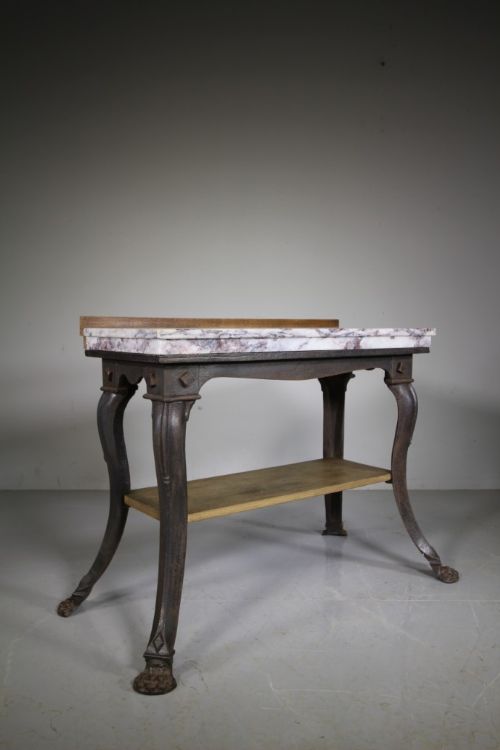
Alongside dedicated plant stands and jardiniere frames, related garden furnishings such as side tables, glazed porcelain barrel seats, and carved stone columns frequently serve the same ornamental display purpose.
Materials and Construction
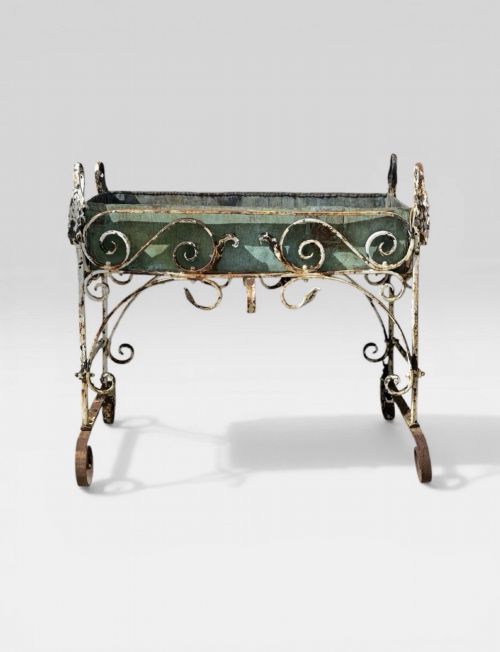
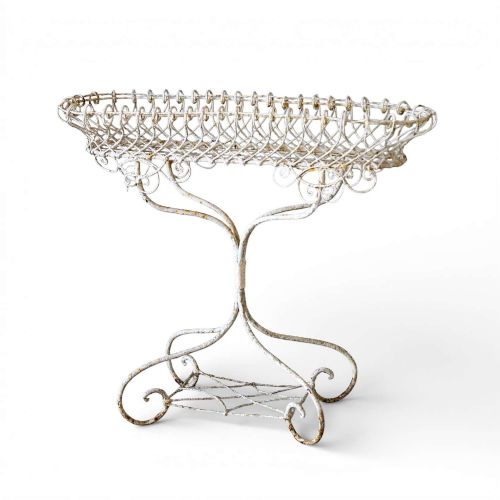
Construction relies heavily on durable metals, specifically forged wrought iron with scrollwork and hand-riveted wirework, alongside heavy cast iron components shaped into tiered stands and urns. Paint finishes, often weathered, protect the iron framework while wood and terracotta appear in specific plant stands and garden planters.
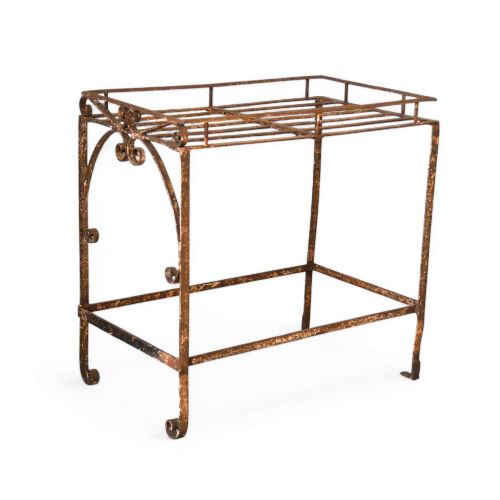
Makers utilised traditional joinery and metalworking techniques, seen in the lattice basket tops of nineteenth century iron stands and the slatted construction of riveted corner units. Occasional pieces incorporate decorative details such as marble tops, lacquer, and porcelain inserts.
Vintage Garden Plant Stand Retail Price Guide 2026
Typical asking prices for vintage garden plant stand among the pieces listed under this phrase on Sellingantiques today, from the lower quarter to the upper quarter. They describe what is for sale here now, not the wider market.
Materials documented across the inventory include wrought iron, cast iron, wirework, terracotta, zinc, porcelain, and wood.
Craftsmanship and Proportion
Quality rests in the finesse of the metalwork, where hand-forged scrollwork and detailed wirework separate refined workshop pieces from mass-produced items. The harmony of proportions across tiered stands and the integrity of the original structure dictate the visual impact of the piece.
Materials and surface texture heavily influence overall character, with genuine weathered patinas on painted iron or stone columns carrying more depth than uniform modern treatments. The complexity of construction, from estate-made racks to intricate French garden tables, determines the standing of each example.
The Vintage Garden Plant Stand Glossary
- Wrought iron
- Iron that is heated and hammered into shape by hand. This material allows for intricate scrollwork and structural strength in garden furniture.
- Wirework
- Metal strands woven or welded into lattice patterns and baskets. It forms lightweight yet robust plant stands from the Victorian period.
- Jardiniere
- An ornamental pot or stand designed to hold growing plants. These often feature decorative drainage trays or lined interiors.
- Campana urn
- A bell-shaped garden vessel mounted on a pedestal base. They are traditionally cast in iron or carved from stone.
- Gueridon
- A small round table supported by a single central column or pillar. French examples frequently appear in painted iron for garden use.
Vintage Garden Plant Stand: Frequently Asked Questions
What is a vintage garden plant stand used for?
These stands provide elevated surfaces to display potted plants, ferns, and flowers in conservatories, patios, and gardens. Their tiered design allows multiple pots to occupy a small footprint while improving light exposure for each plant.
Historically, they served practical roles in organising estate greenhouses and protected tender species from ground frost. Today, they function both as functional garden staging and as sculptural patio furniture.
How do I tell a Victorian plant stand apart from later pieces?
Victorian stands typically exhibit heavier cast iron construction, intricate wirework, or hand-forged wrought iron with specific scrollwork patterns. They often show construction methods typical of nineteenth-century metalworking.
Later twentieth-century pieces tend toward simplified riveted joints, lighter tubing, or different painted finishes. Comparing the weight, joinery, and patination helps distinguish nineteenth-century examples from newer alternatives.
Can these metal plant stands stay outside all year?
Most iron and wirework stands are built to withstand outdoor conditions, though prolonged exposure to winter moisture accelerates surface oxidation and paint degradation. Many owners prefer to move delicate wirework into sheltered conservatories during harsher months.
Regular maintenance of the painted or sealed surface helps preserve the metal beneath against weathering. Placing stands on paved surfaces rather than directly on damp soil also extends their lifespan outdoors.
What styles of plant stand are available?
The selection includes English Victorian tiered iron racks, delicate French wirework baskets, and heavy cast iron urns on plinths. Alongside these are Asian lacquered pedestals and rustic nineteenth-century wooden trays.
These diverse regional styles allow the stands to suit formal conservatory spaces, country gardens, or interior rooms. Each style reflects the manufacturing capabilities and aesthetic preferences of its period of origin.