


Vintage Garden Landscape Artwork
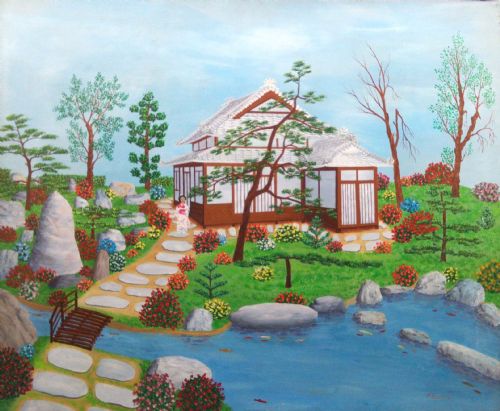
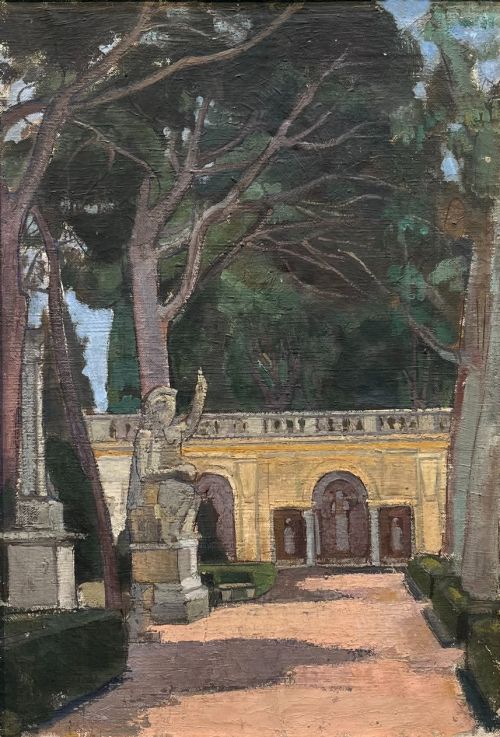
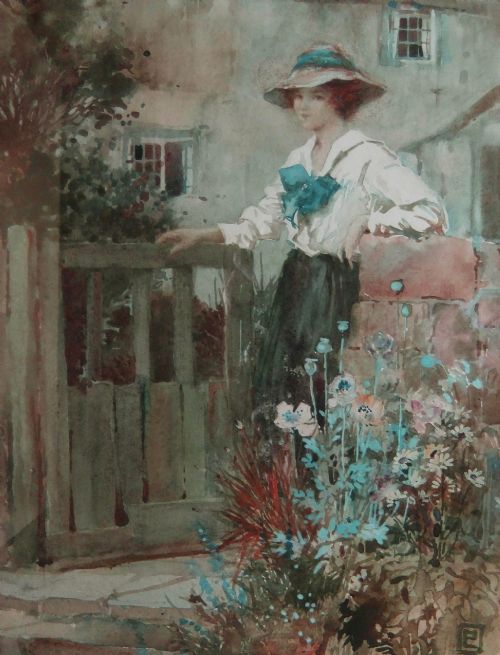
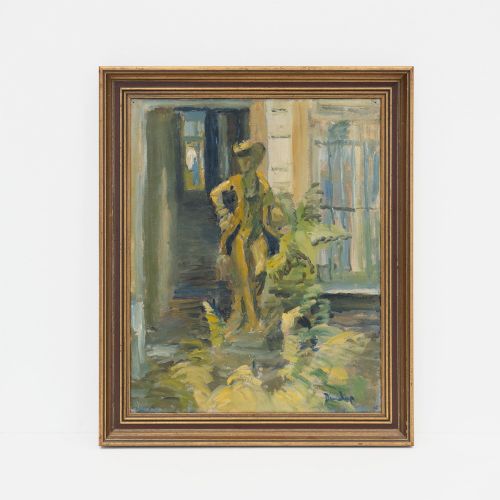
Vintage garden landscape artwork captures tranquil retreats and flowering borders through the eyes of painters working across the nineteenth and twentieth centuries.
Vintage Garden Landscape Artwork
Buyers seeking vintage garden landscape artwork encounter framed watercolours and oil paintings depicting cottage gardens, formal terraces, and park settings. These pieces originate predominantly from the Victorian period through to the mid twentieth century, reflecting shifting artistic responses to cultivated outdoor spaces.
The selections on this page demonstrate the enduring popularity of pastoral scenes, featuring works by named British and European painters alongside anonymous studies. Domestic scenes involving thatched cottages, walled gardens, and floral borders dominate the offerings.
The physical forms include both intimate watercolours on paper and substantial oil paintings on canvas, often housed behind glass or within traditional wood frames. Each piece preserves a distinct historical perspective on domestic horticulture and public plantings.
Materials and methods
Artists relied primarily on oil paint applied to canvas or wood panels, and watercolour pigments worked onto heavy paper surfaces. These traditional media allowed painters to capture the transient effects of natural light and shadow across seasonal foliage.
Supporting elements typically include protective glass and wooden framing, which preserve the delicate paper supports and pigment layers from atmospheric moisture and dust.
Listings feature works spanning the nineteenth century through the 1960s, executed in oil and watercolour on canvas and paper.
Judging the work
Quality rests upon the artist's ability to render light, depth, and botanical detail convincingly within the chosen medium. Confident brushwork and subtle colour mixing distinguish superior oil and watercolour paintings from more rigid or formulaic compositions.
The condition of the paper or canvas also dictates value, with pristine surfaces and original, undamaged pigments holding greater appeal for collectors of period art.
Percy Lancaster·Ronald Ossory Dunlop·Harry Wanless·Owen Bowen·Ernest Higgins Rigg·Kershaw Schofield·Lilian Stannard·Charles E Cundall·John Henry Inskip·William Hatherell·Herbert Royle·John Abernethy Lynas-Gray·Thomas Nicholson Tyndale·Jane Utley·Lester Sutcliffe·Beatrice Parsons·Edgar Bundy·Hermoine Hammond·Theresa Sylvester Stannard·George Frederick Nicholls·William Greaves·Ralph Hedley·Fred Merriman
The Vintage Garden Landscape Artwork Glossary
- Watercolour
- A painting method in which fine pigments are suspended in a water-soluble binder, traditionally applied to paper. This technique creates luminous washes and transparent layers.
- Impressionism
- An artistic movement characterised by relatively small, thin yet visible brush strokes and an open composition. Emphasis focuses on accurate depiction of light and its changing qualities.
- Mixed media
- An artwork employing more than one medium or material, combining elements such as watercolour, gouache, and ink on paper.
- Naive art
- Visual art created by a person who lacks formal training and education, often distinguished by a childlike simplicity in subject matter and perspective.
- Support
- The physical material upon which a painting is made, such as stretched canvas, wood panel, or paper.
Vintage Garden Landscape Artwork: Frequently Asked Questions
How do I care for antique watercolours?
Keep works on paper away from direct sunlight to prevent the pigments from fading over time. Ensure they hang in rooms with stable humidity levels to protect the paper and framing.
Have a professional restorer handle any cleaning or conservation work rather than attempting to clean the surface yourself.
Where were these landscape scenes painted?
Painters frequently recorded domestic cottage gardens, grand country estates, and public green spaces across Britain and Europe. Many works capture specific regional plantings, such as Yorkshire gardens or London parks.
Artists also travelled abroad to paint Mediterranean terraces and continental flower markets, expanding the geographic range of these landscapes.
How do I distinguish oil paintings from watercolours?
Oil paintings utilise heavy, opaque paints on canvas or wood panels, often displaying visible texture and brush ridges. Watercolours rely on translucent washes on paper and require glass protection.
Examining the surface under magnification reveals the weave of the canvas or the absorbent fibres of the paper beneath the pigments.
Can I hang paintings in a conservatory?
Conservatories experience wide temperature swings and high humidity, which damage canvas tension, wood panels, and paper supports. Fluctuating conditions cause paint layers to crack and paper to warp.
Display these artworks in interior rooms with climate control to ensure their longevity.