

Vintage Gaming Set
A vintage gaming set brings parlor pastimes and lawn sports of past centuries straight into the modern home.
Vintage Gaming Set
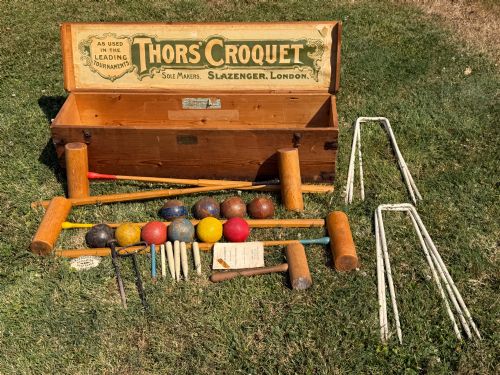
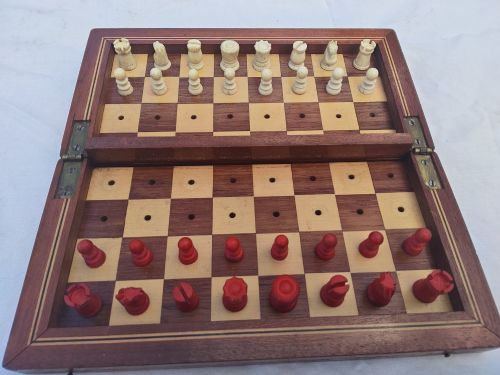
A vintage gaming set spans everything from compact travel chess boxes to large lawn croquet collections housed in pine boxes. Buyers seeking these items encounter diverse pastimes including roulette, cribbage, mahjong, table tennis, and whist.
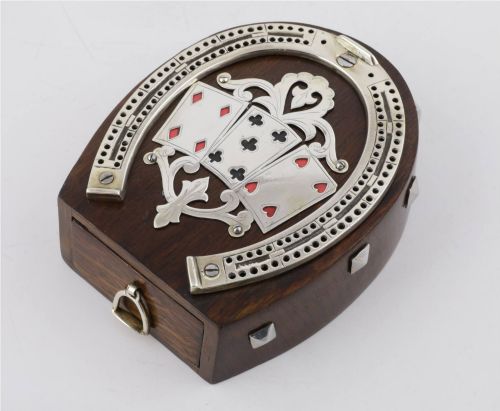
The selections originate predominantly from the nineteenth century, the Edwardian era, and the early twentieth century. Makers housed these pastimes in fitted wooden cabinets, leather-bound faux books, and original boxes.
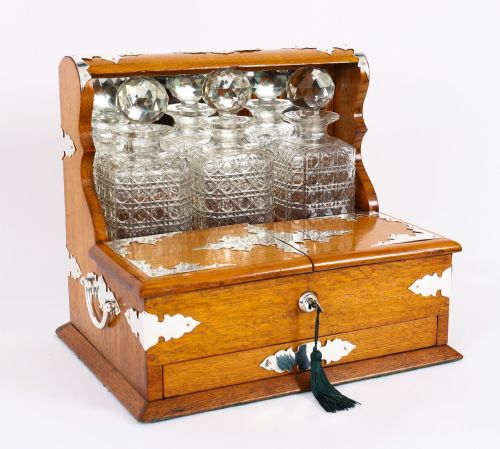
Forms range from intimate travelling bone chess sets to substantial oak and mahogany games compendiums featuring integrated decanters. Each piece reflects the social entertainment habits of Victorian and Edwardian drawing rooms and country gardens.
Materials and construction methods
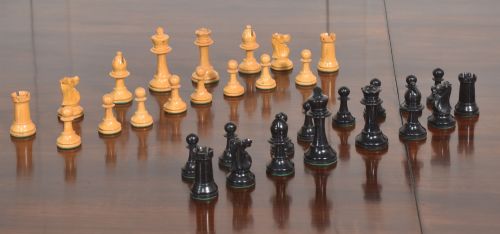
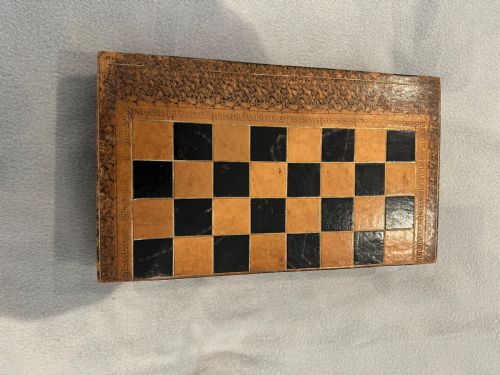
Wood serves as the primary medium, with cabinetmakers utilising oak, mahogany, rosewood, satinwood, boxwood, and ebony for boards, boxes, and chess pieces. Boxwood and ebonised woods feature prominently in traditional Staunton chess and draughts sets.
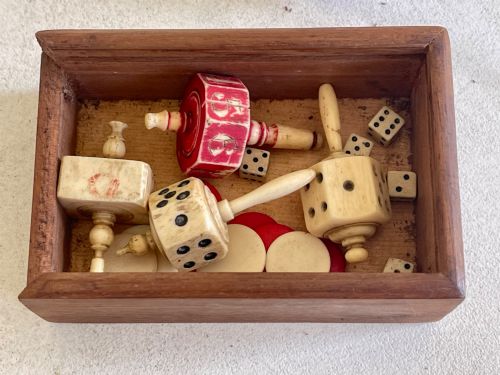
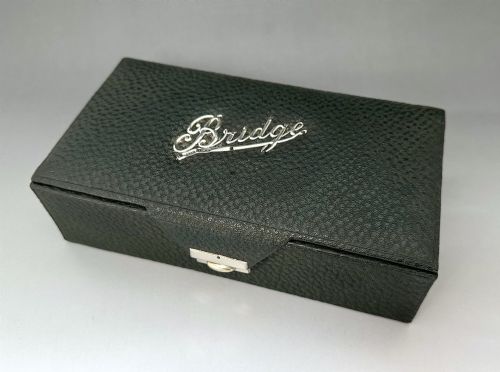
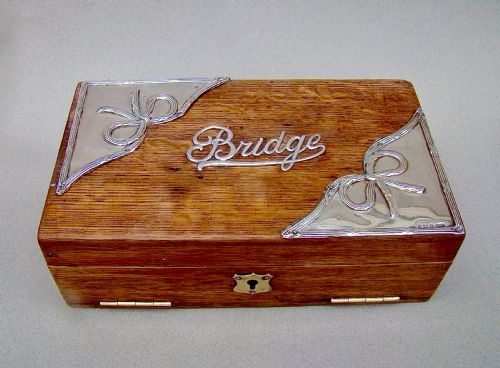
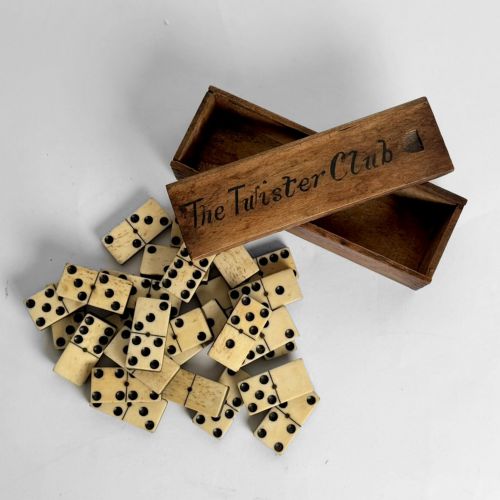
Bone and ivory appear frequently in smaller items, notably carved dominoes and prisoner-of-war pieces, while metals such as brass and silver mount leather bridge boxes and gaming components. Original pine boxes house many outdoor sports equipment collections.
Manufacturers incorporated specialised detailing like marquetry inlay, leather binding, and fitted internal partitions to secure playing pieces, cards, and counters during transit or storage.
Vintage Gaming Set Retail Price Guide 2026
Typical asking prices for vintage gaming set among the pieces listed under this phrase on Sellingantiques today, from the lower quarter to the upper quarter. They describe what is for sale here now, not the wider market.
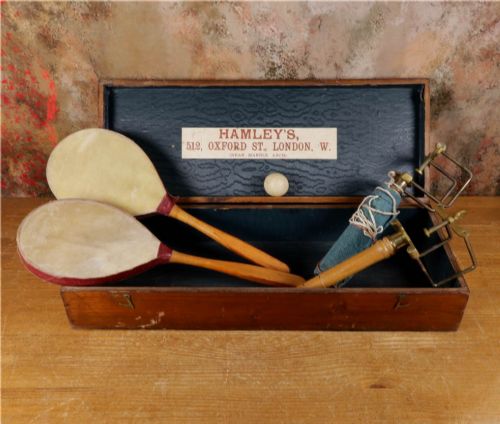
Object forms span indoor compendiums, travelling chess sets, roulette wheels, table tennis equipment, and lawn croquet.
Evaluating craftsmanship and condition
Quality rests heavily on the integrity of the original housing, whether a fitted wooden cabinet, a leather-bound compendium, or a pine box. Complete sets retaining their original components and fitted interiors command higher regard than those with replaced pieces.
Material selection dictates distinct tiers of manufacture, separating standard turned wood pastimes from finely carved bone sets and silver-mounted leather boxes. The precision of turnery in chess pieces and the crispness of inlay on boards distinguish finer workshops from mass production.
Jacques·Jaques & Hamleys Gossima·Levi & Salaman·Slazenger·A.W.Gamage·F.H.Ayres Ltd.
The Vintage Gaming Set Glossary
- Compendium
- A fitted box containing multiple distinct games or pastimes within a single container. These often integrate tantalus units and card compartments.
- Staunton pattern
- The standard design for chess pieces established in the mid-nineteenth century, characterised by heavily weighted pieces with realistic architectural king and queen markers.
- Tantalus
- A locking wooden frame holding decanters to prevent unauthorized access to spirits, frequently incorporated into larger Edwardian games compendiums.
- Squails
- A nineteenth-century table game where players flick wooden discs across a circular board towards a central target.
- Whist counters
- Small markers, often made of porcelain or bone, used in traditional card games to keep score of tricks won.
Vintage Gaming Set: Frequently Asked Questions
What is included in a games compendium?
A games compendium typically houses multiple pastimes within a single fitted wooden cabinet or leather case. These collections often combine chess, draughts, cribbage, and playing cards into one portable unit.
Larger Edwardian examples frequently integrate a locking tantalus dry bar with decanters alongside the gaming equipment.
Are vintage croquet sets complete with mallets?
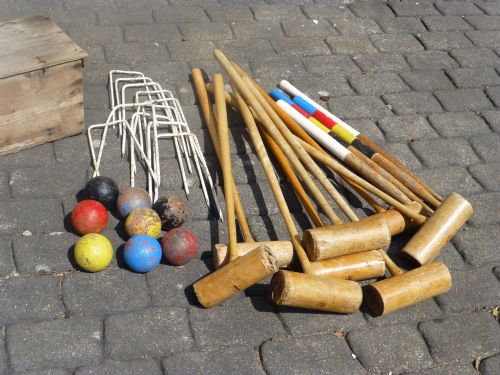
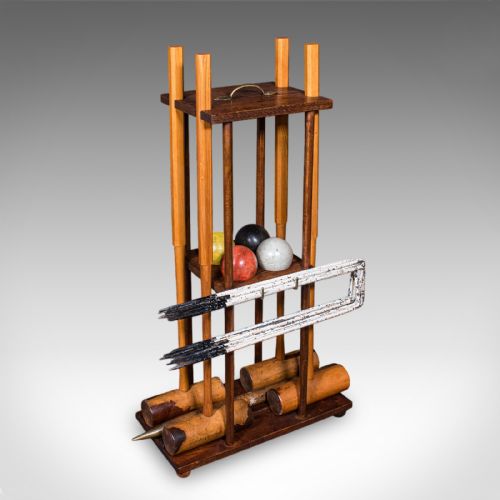
Many surviving outdoor sports sets retain their original pine storage boxes along with a full complement of mallets, balls, and hoops. Maker stamps on the boxes often identify traditional sporting outfitters.
Completeness varies across different listings, so checking the specific components included in the original box remains essential.
How were prisoner-of-war gaming sets made?
Prisoner-of-war gaming sets were typically hand-carved from bone during the Napoleonic conflicts and the nineteenth century. Makers utilised available materials to produce intricate miniature dominoes, chess pieces, and teetotums.
These tactile objects exhibit distinctive folk-art characteristics shaped by the restricted circumstances of their creation.