







Vintage Gaming Counters
Vintage gaming counters bring tactile history to the table, offering finely crafted markers and boxes from past centuries designed for card and board play.
Vintage Gaming Counters
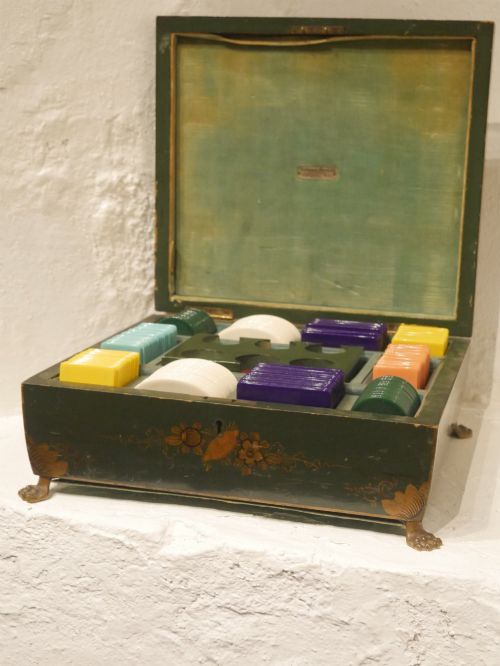
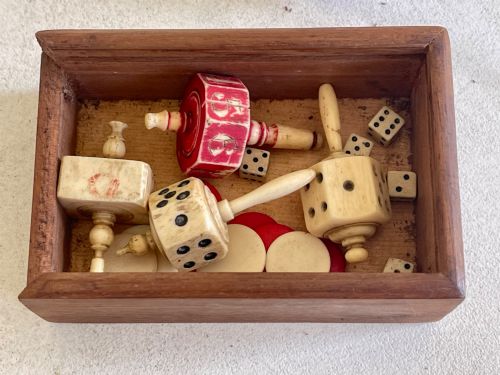
Vintage gaming counters encompass a diverse array of pieces designed for parlour pursuits, card games and traditional board pastimes. Buyers searching for vintage gaming counters encounter items ranging from bone prisoner of war teetotums to porcelain whist counters and oversized backgammon pieces.
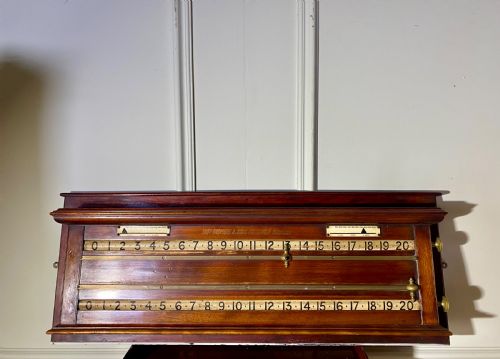
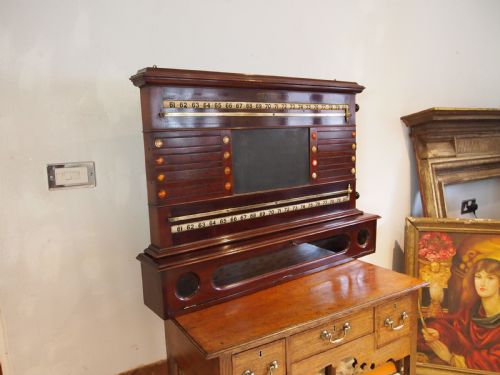
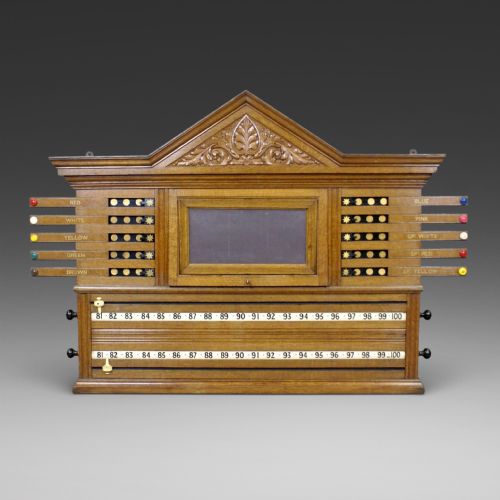
The objects span multiple eras, with examples originating from the Georgian, Victorian, Edwardian and early twentieth century periods. Common forms include cribbage boards, games boxes, scoreboards and specialised chip containers.
Materials vary widely across the selection, reflecting the functional and decorative demands of historical gaming. Most pieces survive alongside fitted leather boxes, wooden containers or original display units.
Materials and construction methods
Traditional items rely on organic and hard materials such as bone, ivory alternatives, boxwood, ebony, stag horn and mahogany. Artisans shaped these mediums through turning, hand carving and precision joinery to create durable game components.
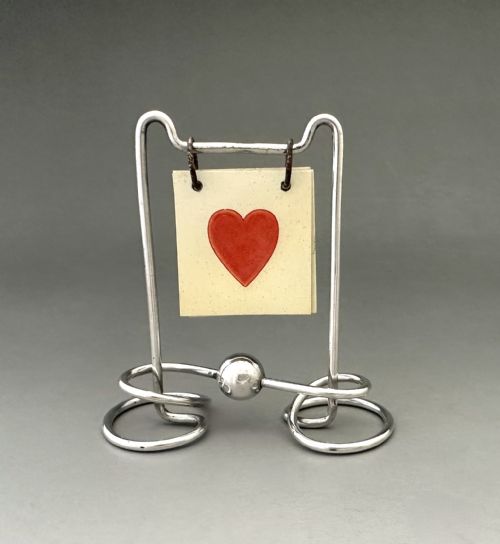
Metal elements incorporate brass, tinplate and silver plating, often applied to scoreboards, trump markers and folding boxes. Pigments and paper surfaces finish specific pieces like card game accessories and sport figures.
Cabinet makers utilised fine timbers like walnut and pale oak for larger scoreboards and games boxes. Interior compartments and sliding lids demonstrate careful attention to functional storage.
Vintage Gaming Counters Retail Price Guide 2026
Typical asking prices for vintage gaming counters among the pieces listed under this phrase on Sellingantiques today, from the lower quarter to the upper quarter. They describe what is for sale here now, not the wider market.
Prisoners of war carved intricate bone teetotums using makeshift tools, turning captivity into surprisingly delicate tabletop gaming.
Distinctions in standard and execution
The standard of execution depends heavily on the precision of hand carving and the selection of raw materials. Fine examples exhibit crisp turning on wood or bone alongside well-preserved surface finishes.
Completeness dictates the standing of an item, particularly when pieces survive inside original leather boxes or fitted wooden cases. Original maker markings, such as those from established manufacturers, add documentary weight to scoreboards and boxes.
Structural integrity of hinges, sliding lids and score markers separates everyday survivals from superior specimens. Material selection, such as dense boxwood and ebony pairings, distinguishes standard utility items from luxury parlour sets.
Orme and Sons Manchester·Cox and Yeman London
The Vintage Gaming Counters Glossary
- Teetotum
- A small spinning top used in gambling and board games, often marked with letters or numbers. Examples from the nineteenth century are frequently hand-carved by prisoners of war from bone.
- Cribbage board
- A board used to keep score in the card game cribbage, featuring rows of small holes for pegs. These boards appear in configurations for two or three hands and frequently incorporate storage boxes.
- Whist counters
- Small markers used to keep score during card games like whist, often fashioned from porcelain. They frequently survive housed in purpose-built leather cases.
- Shagreen
- Undyed skin from sharks or rays used to cover luxury boxes and gaming counter containers. The material offers a distinctive granulated texture.
- Squails
- A traditional indoor table game where players slide wooden discs towards a target mark. The equipment requires precise weighting and smooth underside finishes for optimal play.
Vintage Gaming Counters: Frequently Asked Questions
What games were these counters used for?
These items supported a wide variety of pastimes popular in parlours and clubs during the nineteenth and early twentieth centuries. Common uses included keeping score for card games like whist and cribbage, tracking points on billiard scoreboards, and playing traditional board games.
Many pieces were specifically designed for domestic entertainment during winter evenings or social gatherings. The variety of counters reflects the immense popularity of indoor gaming before the advent of modern electronics.
How do I date a wooden games box?
Dating a wooden games box involves examining the timber species, construction techniques and hardware such as hinges and locks. Mahogany, walnut and oak were used across different decades, while internal compartments often reflect the specific game sets they housed.
Maker marks, where present, provide the most reliable indication of origin and timeframe. Stylistic cues, such as Victorian or Edwardian decorative motifs, offer further context for when the box was produced.
Are antique scoreboards still functional?
Many antique scoreboards designed for snooker and billiards remain entirely functional for contemporary use. Wooden rollers, brass pointers and sliding markers generally operate smoothly if the wood has not suffered from damp conditions.
Wall-mounted scoreboards require secure fixings due to the weight of denser timbers like mahogany and oak. Regular maintenance helps preserve the original movement of mechanical scoring components.
How should I care for bone and ivory items?
Bone and antique organic materials require stable environmental conditions with moderate humidity to prevent drying and cracking. Keeping them away from direct sunlight and extreme temperature fluctuations protects the natural surface.
Cleaning should be limited to gentle dusting with a soft, dry cloth without the application of harsh chemical polishes. Proper storage in lined boxes or cabinets helps maintain their structural integrity over time.