







Vintage Game Bird Art
Vintage game bird art brings the field and forest indoors through detailed paintings, sculptures, and prints that collectors prize for their rich sporting character.
Vintage Game Bird Art
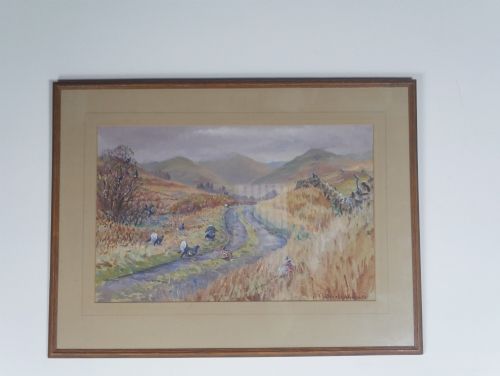
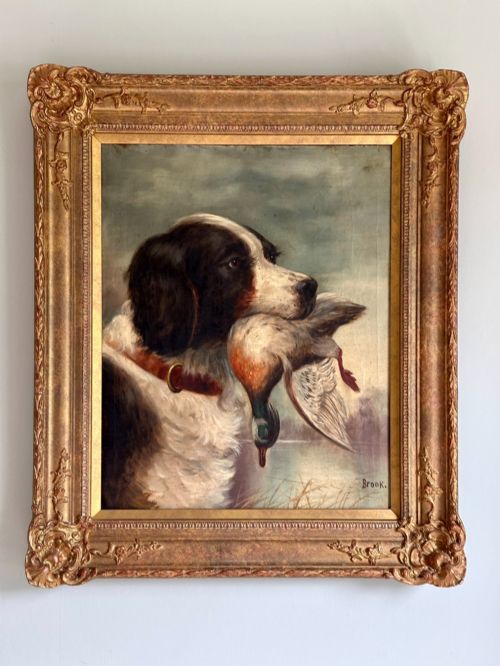
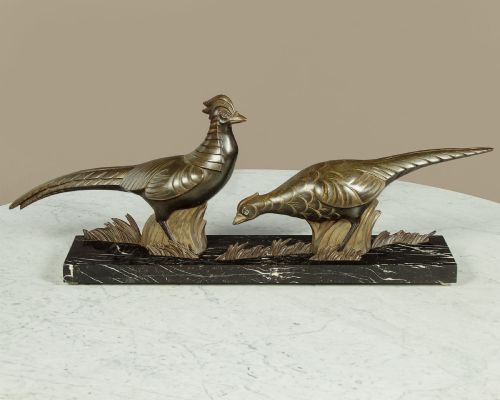
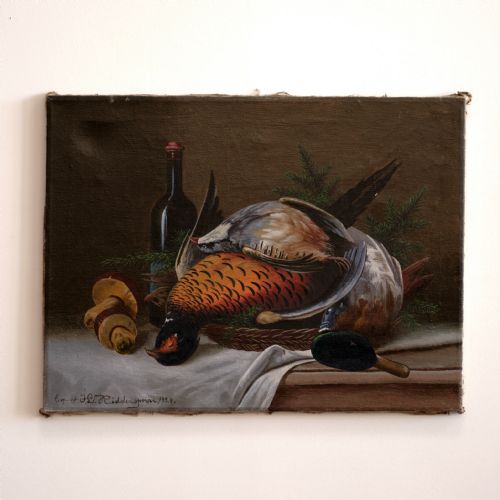
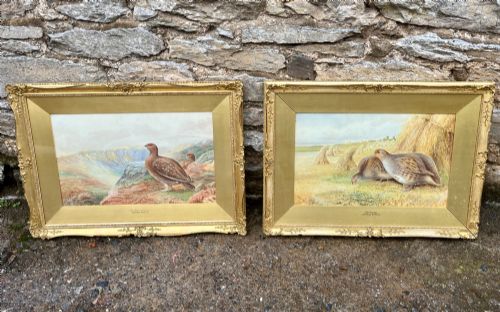
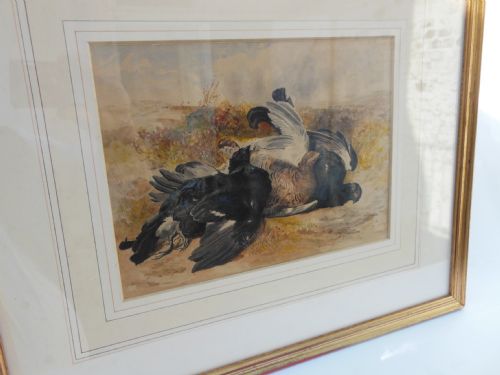
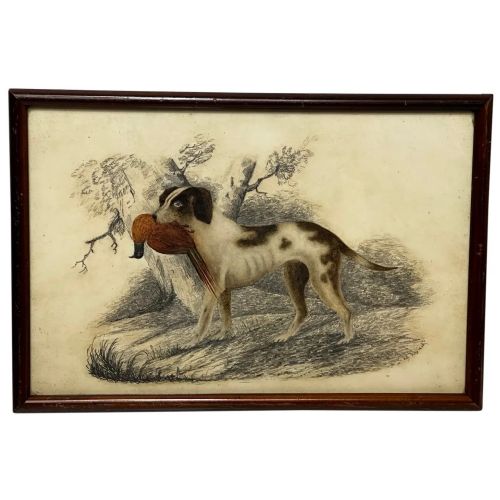
Vintage game bird art encompasses depictions of pheasants, grouse, and waterfowl captured across various periods from the nineteenth century through the mid-twentieth century. These works appear as oil paintings, watercolours, sculptures, carved panels, and framed prints.
Buyers seeking vintage game bird art most frequently encounter framed works on paper and canvas, alongside sculptural representations in materials like metal and wood. The selection spans distinct aesthetic movements including Art Deco, Impressionism, and traditional sporting art.
How they were made
Artists and makers utilised traditional media such as oil paint and watercolour paint applied to canvas or paper, capturing natural plumage and movement with careful observation. Sculptural pieces employ carved wood and modelled materials to render subjects in three dimensions.
Framed works often incorporate protective glass and wooden framing, whilst specialist pieces feature gold leaf accents or delicate enamel work on silver to highlight the natural patterns of the birds.
Vintage Game Bird Art Retail Price Guide 2026
Typical asking prices for vintage game bird art among the pieces listed under this phrase on Sellingantiques today, from the lower quarter to the upper quarter. They describe what is for sale here now, not the wider market.
Materials documented across the collection include oil paint, watercolour paint, canvas, paper, wood, glass, and gold leaf.
What varies in quality
The anatomical precision and fluidity of the brushwork or carving separate accomplished depictions from standard decorative items. Master artists render feather texture and avian posture with convincing realism and vitality.
The preservation of the underlying paper, canvas, or carved surface dictates the overall integrity of the piece. Intact original frames and well-maintained paint layers contribute significantly to the standing of any work.
William Henry Ward·George Rankin·Henri Joseph Pauwels·Royal Dux·Stephen Elmer·Arthur E Gonne·Archibald Thorburn
The Vintage Game Bird Art Glossary
- Sporting art
- Depictions of outdoor field sports, hunting, and wildlife that flourished in British and European traditions. This genre values accurate rendering of animals and natural habitats.
- Impressionism
- A nineteenth-century painting style focused on capturing light and atmospheric effects rather than minute detail. Artists often used rapid brushstrokes to convey the essence of a scene.
- Art Deco
- A design style from the early twentieth century characterised by streamlined geometric forms and modern materials. Sculptures and brooches from this period frequently depict stylised animal subjects.
- Watercolour paint
- A medium consisting of colour pigments suspended in a water-based solution, typically applied to paper. It creates luminous, transparent washes favoured for delicate wildlife studies.
- Carved panel
- A flat piece of wood worked with chisels and gouges to create low-relief sculptural decoration. These panels often serve architectural or decorative wall-hanging purposes.
Vintage Game Bird Art: Frequently Asked Questions
How do I date vintage game bird art?
Dating relies on stylistic markers within the painting or sculpture, such as the bold geometric influence found in Art Deco pieces or the traditional realism of nineteenth-century canvases. Examining the framing materials and paper types also offers reliable clues to the era of production.
Signatures, stamps, and artist attributions recorded on the reverse or within the composition provide further confirmation of the period. Comparing the medium against known historical practices helps narrow down the timeframe.
Where should I hang these artworks?
These pieces suit traditional studies, libraries, and living spaces where natural wood tones and classic furnishings complement the rural subject matter. Placing them away from direct sunlight protects delicate watercolours and oil pigments from fading.
Grouping smaller watercolours or prints together creates a strong visual impact on a single wall. Larger oil paintings often serve as focal points above mantelpieces or sideboards.
How do I care for framed paper pieces?
Watercolours and prints require protection from excessive humidity and direct light to prevent paper discolouration and pigment degradation. Maintaining a stable indoor climate ensures the paper remains flat and securely mounted within its frame.
Using conservation-grade backing materials during any necessary reframing safeguards the paper from acid damage over time. Regular dusting of the exterior glass keeps the surface clear without risking the artwork underneath.