


Vintage Furniture Hardware
Vintage furniture hardware includes period door handles, knobs, and knockers alongside chests and cabinets that show how past makers worked with brass, bronze, and iron.
Vintage Furniture Hardware
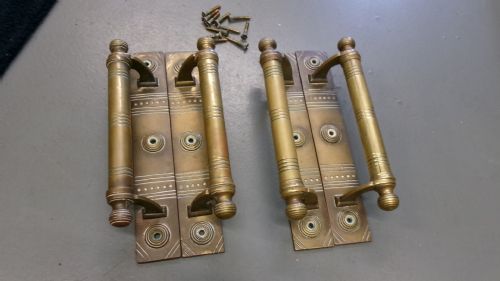
Vintage furniture hardware consists predominantly of functional metal fixtures and cabinetry pieces from the Georgian, Victorian, Edwardian, and Art Deco periods. Buyers search for these items to restore period furniture or to add authentic detail to doors and cabinets.
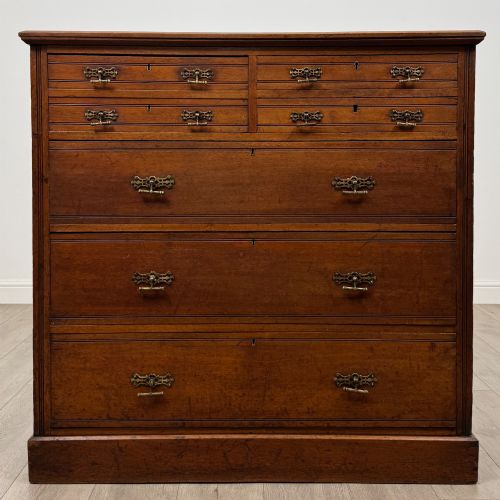
Smaller items such as finger plates, hinges, and letter boxes appear alongside larger storage furniture, demonstrating the range of hardware used in domestic interiors. Each piece reflects the functional requirements and aesthetic tastes of its specific era.
Materials and production methods
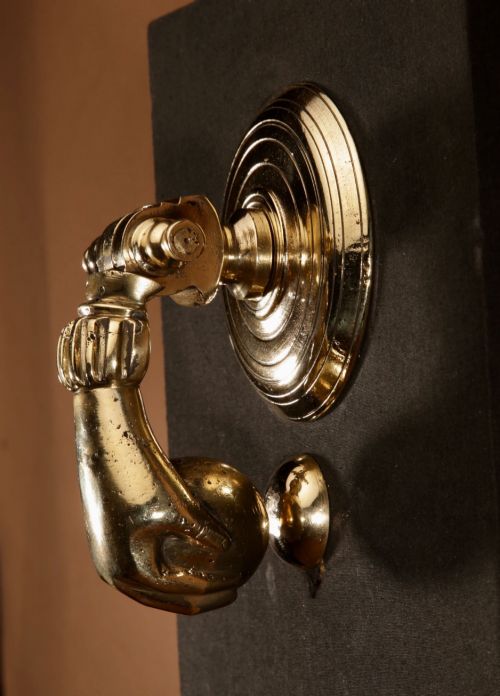
Makers utilised cast brass, bronze, and iron to form durable handles, knockers, and plates. Casting allowed for intricate relief work, seen in botanical motifs and sculptural forms such as hand-shaped knockers.
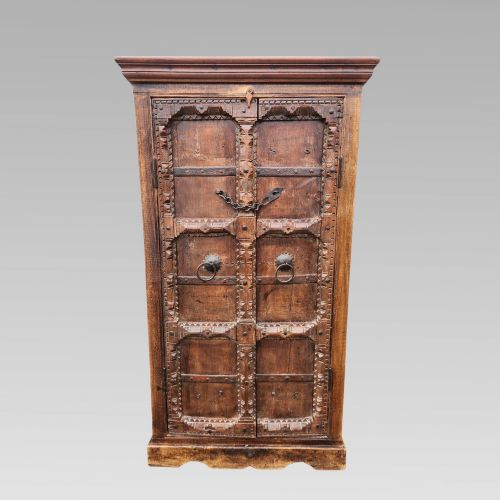
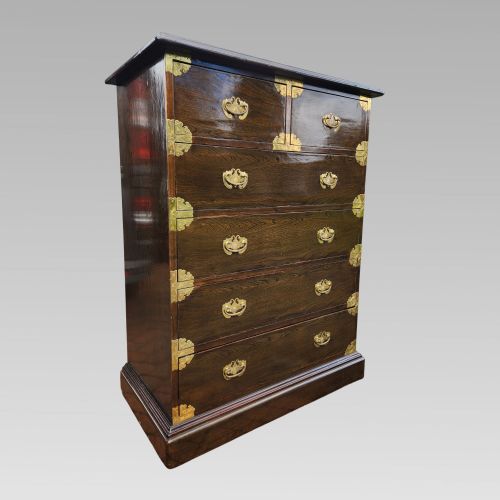
Woodwork relied on traditional timbers including walnut, oak, teak, and elm, often paired with metal hinges, straps, and drawer pulls. Crystal and china inserts also appear within brass mounts on door pulls from the nineteenth century.
Several heavy bronze door knockers are cast in the realistic shape of a human hand.
Distinctions in quality and execution
Quality rests in the crispness of the casting and the weight of the metal used in handles and knockers. Heavier brass and bronze examples retain sharper detail in their surface ornamentation compared to lighter, later reproductions.
The integrity of construction separates standard items from superior pieces, whether in the smooth turning of a beehive door knob or the precise joinery of a walnut chest of drawers. Original patination and intact fixings further distinguish better-preserved examples.
Jas Shoolbred·Maurice Jallot
The Vintage Furniture Hardware Glossary
- Beehive knob
- A turned door knob featuring concentric stepped rings resembling a traditional beehive. This design was popular during the Victorian period.
- Finger plate
- A metal or porcelain plate mounted on a door around the handle to protect the wood from marks. These often match the style of the accompanying door knobs.
- Caryatid
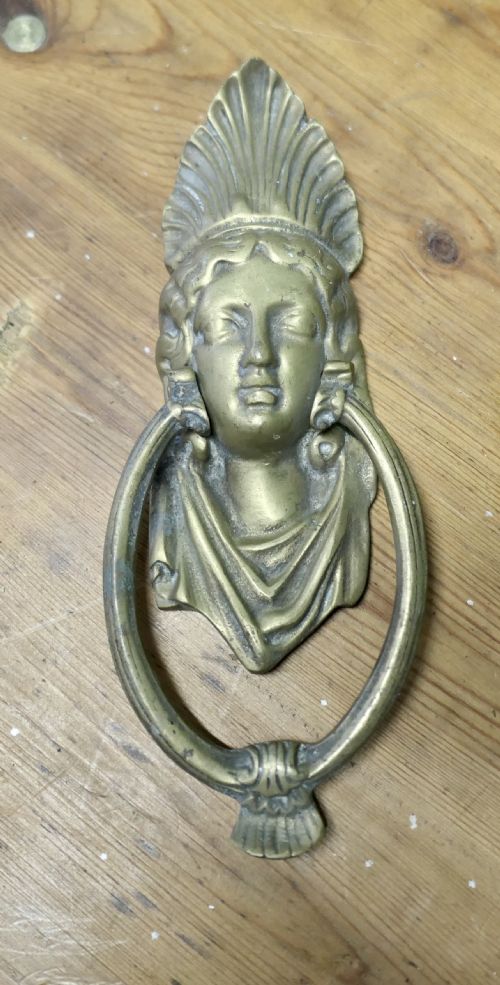
- A sculpted female figure serving as an architectural support or decorative feature. In hardware, this appears on ornamental door knockers.
- Tansu
- A traditional mobile storage chest originating from Japan, typically constructed from wood with prominent iron or brass mounts.
- Gothic
- A style drawing on medieval architecture, characterised in hardware by pointed arches, heavy strap hinges, and decorative barleytwist motifs.
Vintage Furniture Hardware: Frequently Asked Questions
How do I date antique brass door knobs?
Dating relies on manufacturing techniques, screw types, and stylistic conventions associated with periods like the Regency or Victorian eras. Earlier pieces often feature hand-finished casting marks and specific fixing methods.
Examining the metal alloy and any accompanying china or crystal components helps narrow down the decade of production. Comparing the form to documented nineteenth-century hardware catalogues provides further clarity.
Can I install vintage door hardware today?
Many vintage handles and knobs fit standard modern doors, though spindle sizes and backplates occasionally require minor adjustments. Brass and bronze components offer robust durability for daily household use.
Care should be taken with delicate crystal or china inserts to avoid over-tightening during installation. Professional fitting ensures the mechanism operates smoothly without damaging historical threads.
What is the difference between brass and bronze hardware?
Brass is an alloy of copper and zinc, yielding a bright golden tone that polishes to a high shine. Bronze primarily combines copper with tin, producing a darker, richer hue with greater corrosion resistance.
Victorian and Edwardian manufacturers selected each metal based on both decorative preference and the specific wear requirements of the item. Over time, both metals develop a distinct natural patination.
How should I clean antique metal hardware?
Cleaning should be minimal to preserve the historical surface patination that collectors value. A soft cloth and mild soapy water remove surface dirt without stripping the aged finish.
Harsh chemical polishes or abrasive pads must be avoided because they wear away fine cast details and original surface textures. Light dusting is usually sufficient for regular maintenance.