


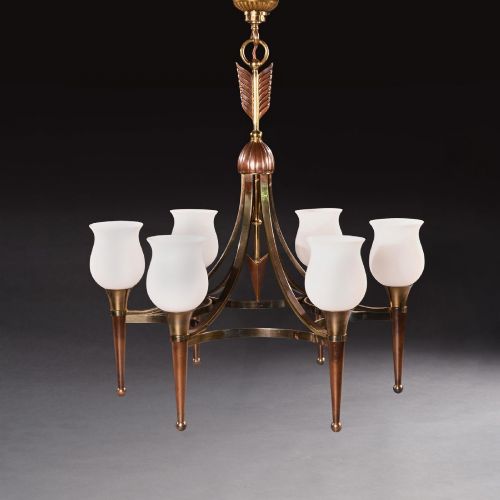
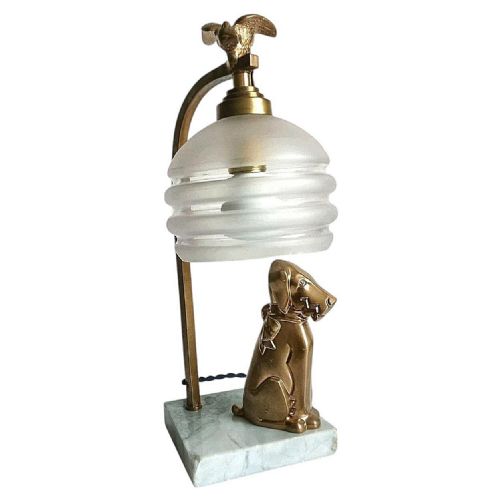
Vintage Frosted Glass Light
A vintage frosted glass light delivers a soft, diffused glow that transforms a room's atmosphere.
Vintage Frosted Glass Light
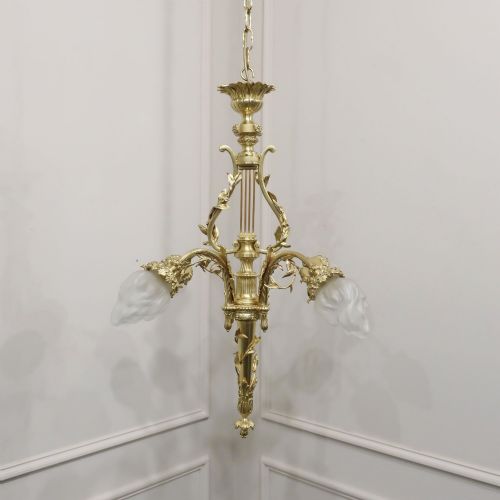
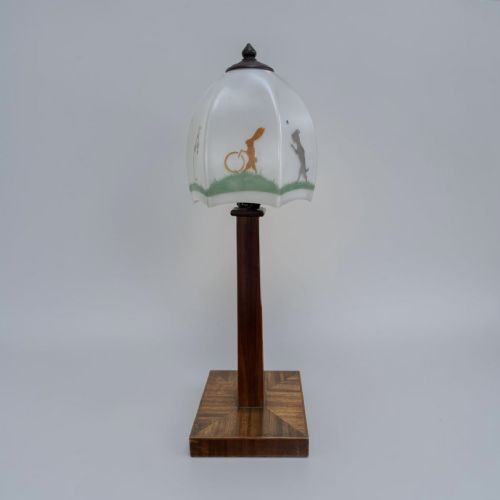
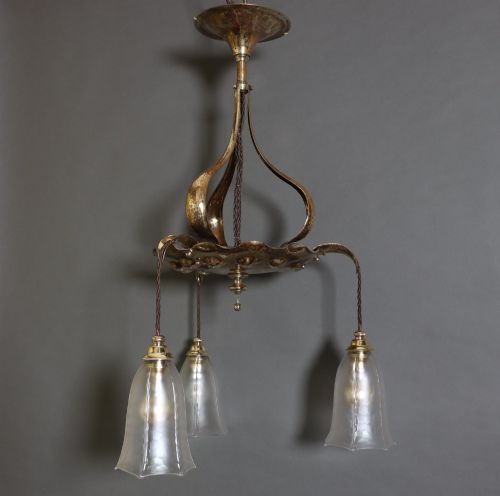
A vintage frosted glass light encompasses a broad variety of illuminating fixtures designed for ceilings, walls, and tables across different historical periods. Buyers searching this phrase typically encounter pendant lights, wall sconces, chandeliers, and table lamps from the Victorian, Edwardian, and Art Deco eras.
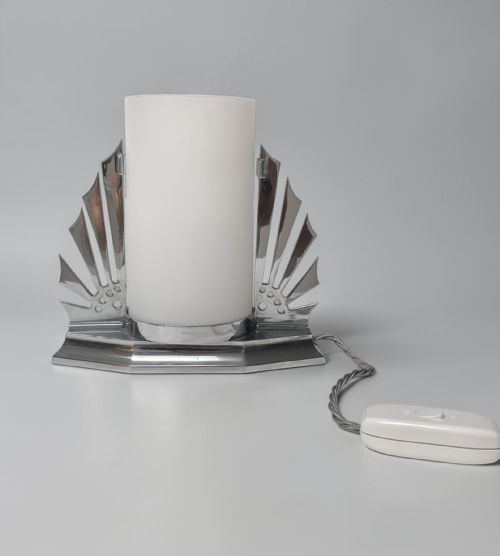
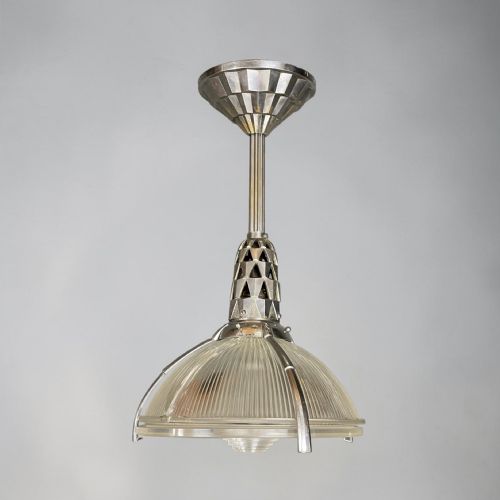
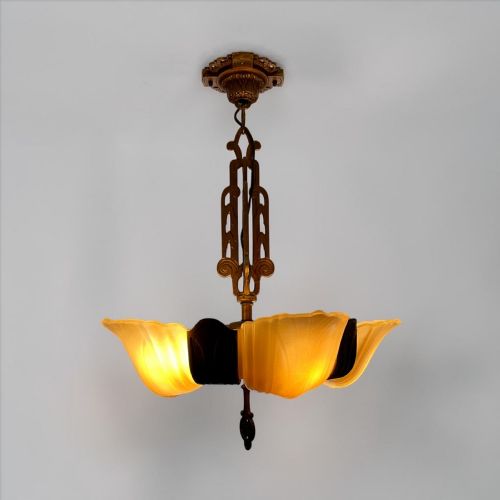
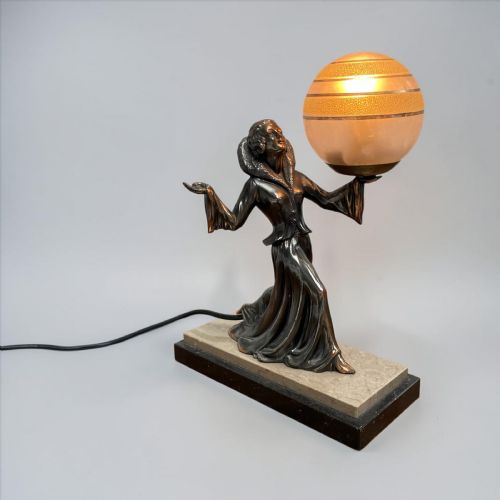
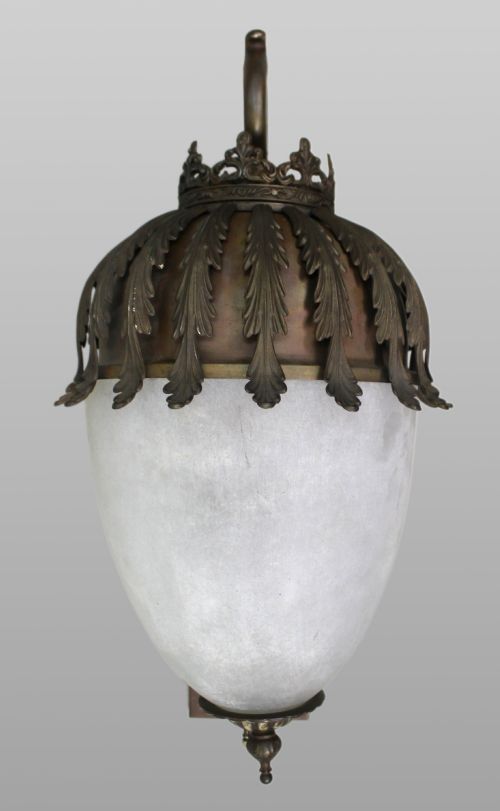
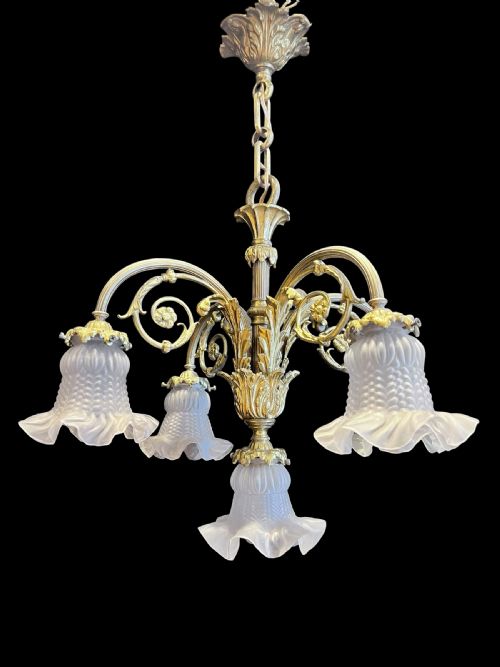
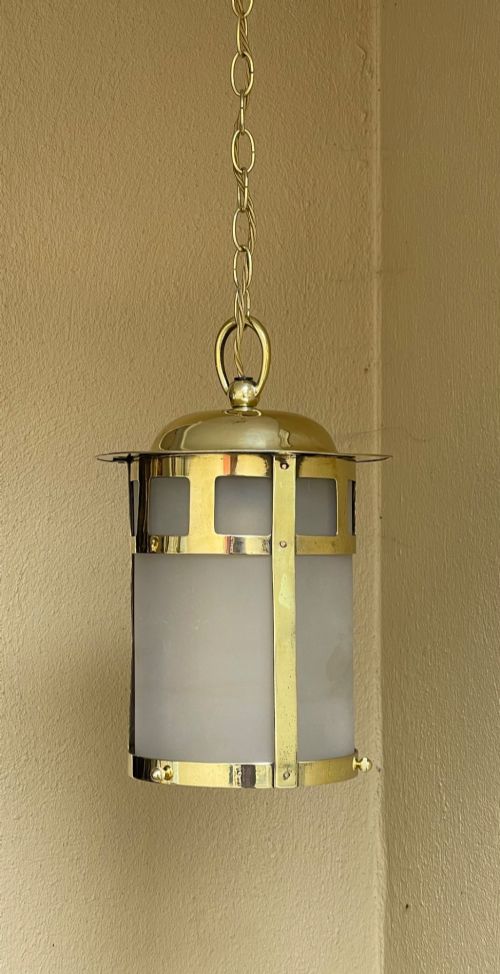
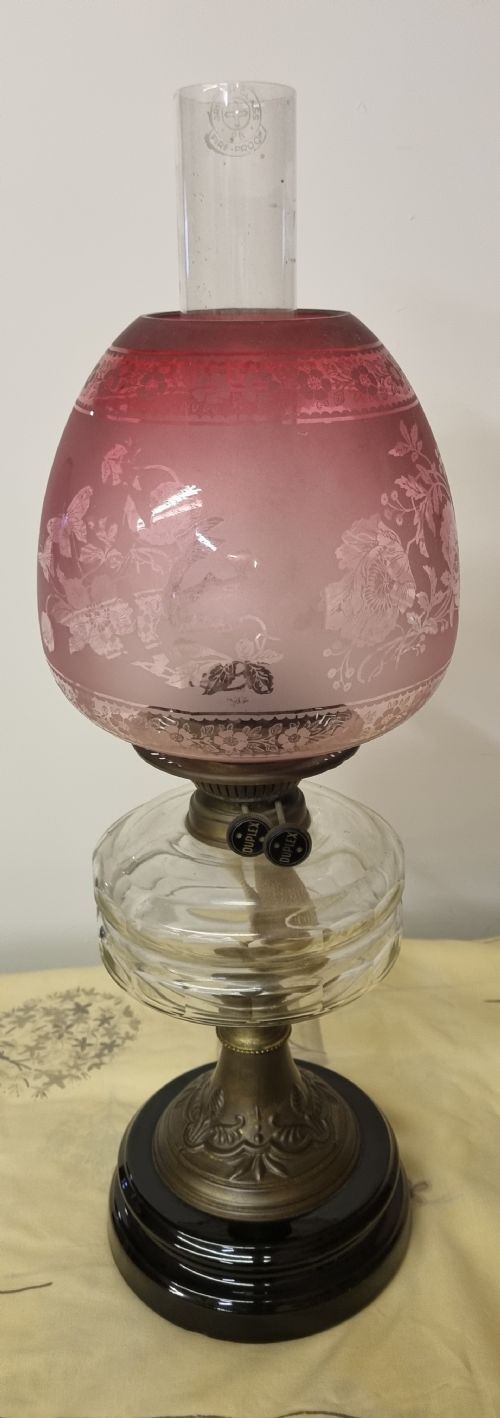
The selection ranges from early oil lamps and brass hall lanterns to geometric Art Deco slip shade fixtures and opalescent glass uplighters. Pieces often combine frosted glass with metals such as brass, bronze, chrome, and iron.
Originating largely from British, French, and American workshops, these lighting fixtures reflect the shifting interior aesthetics of the nineteenth and twentieth centuries. The frosted glass element serves to soften the intensity of early electric bulbs or oil flames.
How they were made
Makers utilised techniques such as acid etching, sandblasting, or mould pressing to achieve the characteristic opaque, frosted finish on the glass components. This textured surface alters the passage of light, reducing glare while distributing illumination evenly.
Metal frames, mounts, and fittings were typically cast in brass, bronze, or ormolu, often paired with forged iron or plated chrome depending on the period. Artisans combined these structural metals with cut, cranberry, ruby, or opalescent glass shades and bowls.
Construction methods evolved from heavy brass oil lamp fonts and hand-soldered hall lanterns of the Victorian period to the streamlined geometric frames and slip shades characteristic of Art Deco manufacturing.
Listings span periods from the Victorian era through the Edwardian period to Art Deco and mid-century design.
What varies in quality
The distinction between standard production and top-tier pieces rests on the weight of the metal components and the depth of detail in the glasswork. Heavier cast brass, bronze, and ormolu mounts indicate superior craftsmanship compared to thinner, stamped metal alternatives.
Artisanal execution in the glass itself sets exceptional items apart, visible in the crispness of moulded Art Deco slip shades or the intricate hand-etching on Victorian and Edwardian bowls. The integration between the hardware and the glass reveals the original maker's intent.
Provenance and attribution to known design houses or makers elevate certain fixtures, shifting them from utilitarian room lighting to significant decorative objects of their respective periods.
Émile-Jacques Ruhlmann·Maison Jansen·F&C Osler
The Vintage Frosted Glass Light Glossary
- Frosted glass
- Glass treated by acid etching or sandblasting to create a textured, translucent surface that diffuses light. This treatment reduces the harshness of direct illumination.
- Slip shade
- A moulded glass shade designed to fit snugly into the arms or frame of an Art Deco ceiling light or sconce. These shades are frequently found in geometric or floral motifs.
- Ormolu
- Finely ground high-carat gold applied to a bronze base using a mercury amalgamation process, common in decorative mounts on nineteenth-century and neoclassical pieces. It provides a rich, durable golden finish.
- Hall lantern
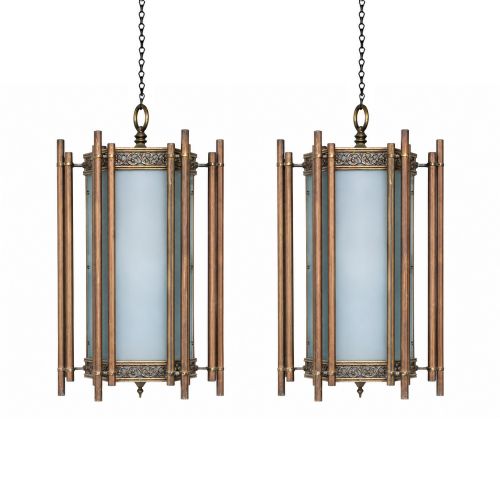
- An enclosed hanging light designed specifically for entryways and corridors. They often feature brass or bronze frames glazed with glass panels.
- Opalescent glass
- Glass that exhibits a milky, multi-coloured sheen resembling an opal, popular in twentieth-century lighting design. It catches ambient light to produce subtle shifts in tone.
Vintage Frosted Glass Light: Frequently Asked Questions
How do I install vintage lighting?
Most vintage ceiling and wall fixtures require modern wiring to comply with current safety standards. A qualified electrician should handle the installation and any necessary rewiring of brass or bronze fittings.
Original sockets and internal components often need updating while preserving the exterior metalwork and glass shades. Ensure the mounting hardware can support the weight of heavier chandeliers and lanterns.
Can I use modern LED bulbs?
Modern LED bulbs work well in these fixtures provided they match the required wattage and physical dimensions of the original shade or housing. Choosing warm white bulbs helps replicate the softer glow produced by period lighting.
Care should be taken with enclosed lantern designs to select bulbs that do not generate excessive heat, protecting vintage glass and old wiring.
How do I clean frosted glass?
Cleaning frosted glass requires warm water and mild dish soap applied with a soft cloth. Avoid abrasive pads or harsh chemical cleaners that can damage the etched or sandblasted surface.
Dry the glass thoroughly with a lint-free cloth to prevent water spots on the textured finish. Remove shades from their metal frames if possible to clean them safely.
What styles are available?
The available styles span Victorian, Edwardian, Arts and Crafts, Art Nouveau, and Art Deco periods. Each era brings distinct materials and geometric or organic motifs to the fixtures.
Victorian and Edwardian pieces often feature heavy brass and oil lamp adaptations, whereas Art Deco examples showcase chrome, wrought iron, and moulded glass slip shades.