



Vintage Fringe Table Lamp
A vintage fringe table lamp brings tactile warmth and period character to a room through layered textiles and decorative metalwork.
Vintage Fringe Table Lamp
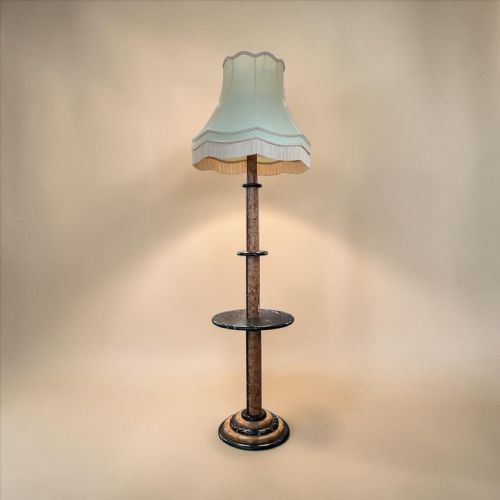
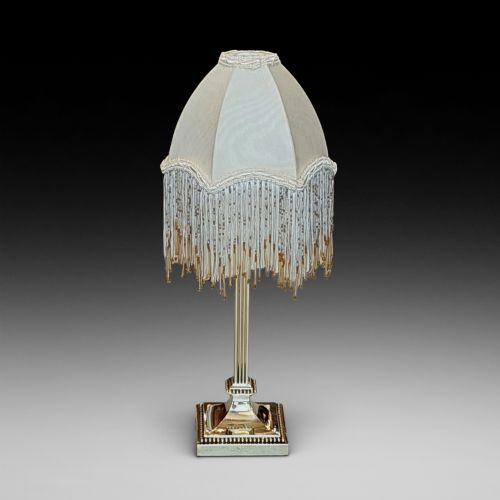
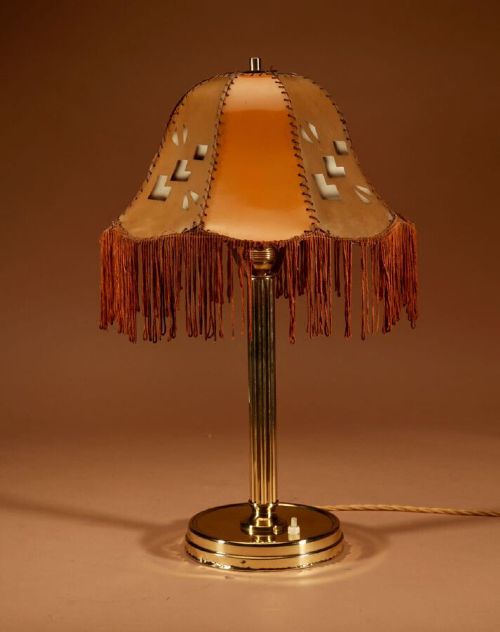
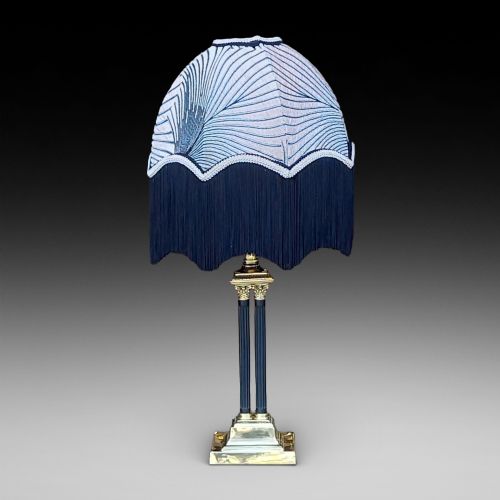
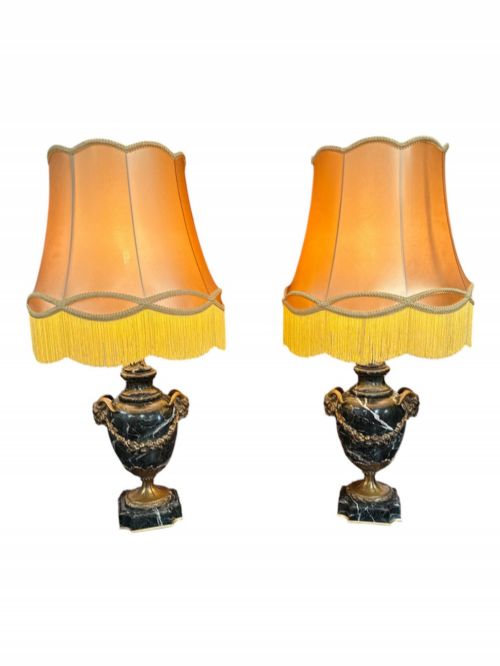
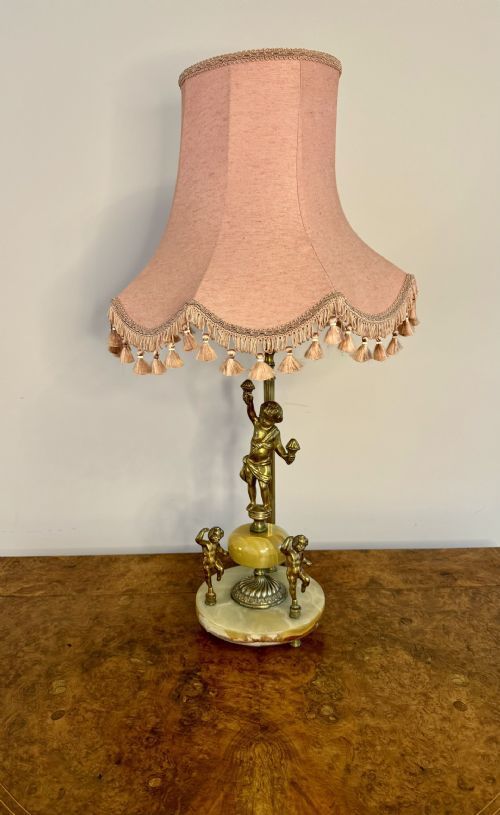
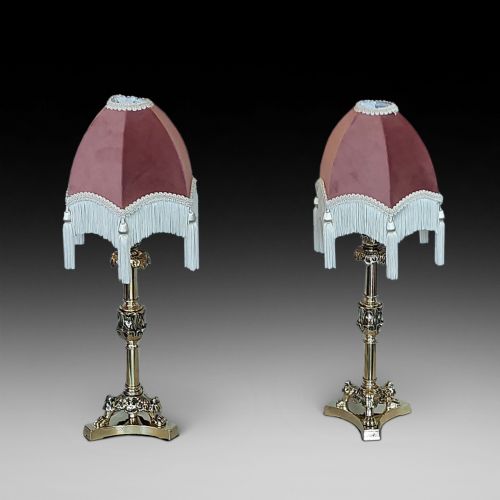
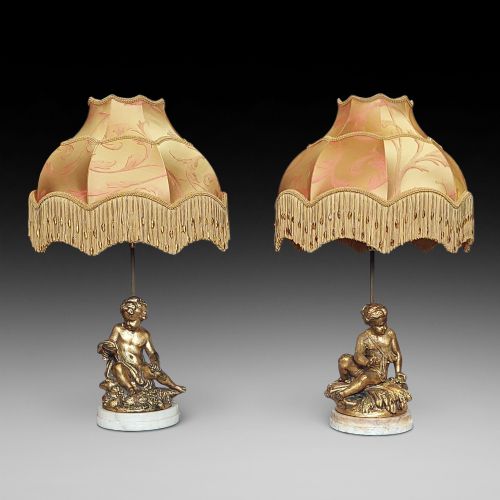
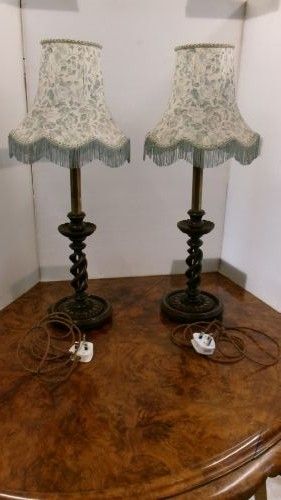
When you search for a vintage fringe table lamp, you encounter pieces that merge historic lighting forms with decorative textile shades from the Victorian, Edwardian, and Art Deco eras. These items frequently utilise converted oil lamps, classical columns, and figurative bases paired with elaborate shades.
The materials span from solid brass and marble to delicate glass beads and silk fabric, reflecting styles from Neoclassical Revival to Art Nouveau. Many examples date from the late nineteenth century up through the nineteen-twenties, incorporating diverse regional designs from French to British workshops.
Buyers often meet standard lamps, desk lamps, and candelabra conversions within this category, each retaining the original silhouette of its period. The presence of fabric trim and beaded elements distinguishes these specific light fittings from plain metal or ceramic counterparts.
Assessing quality in period lighting
Quality rests upon the weight and density of the base materials, such as heavy cast brass or solid carved alabaster, alongside the precision of surface chasing and detail work on figural bronzes. Superior pieces display crisp architectural orders on columns and securely mounted components without wobble or excess solder.
The execution of the shade determines much of the overall integrity, separating mass-produced items from those featuring hand-sewn silk linings and intricate beadwork. Well-preserved textile elements retain their original tension and colour without significant fibre degradation or perished elastic trims.
Several brass eagles and serpents stand ready to illuminate your reading nook.
Georges Leleu
The Vintage Fringe Table Lamp Glossary
- Corinthian Column
- An architectural support column featuring an ornate capital decorated with acanthus leaves, frequently utilised for Victorian and Edwardian brass lamp bases.
- Ormolu
- Finely ground high-carat gold applied to a bronze or brass base using a mercury amalgamation technique, common on nineteenth-century French decorative items.
- Spelter
- A zinc alloy used as a less expensive substitute for bronze in decorative figures and lamp bases, typically given a bronze-coloured or painted finish.
- Majolica
- Low-fired earthenware covered with an opaque tin-glaze and painted with brightly coloured metallic oxide glazes, seen on ceramic lamp bodies.
- Alabaster
- A fine-grained mineral form of gypsum or calcite, carved into smooth urns, columns, and lamp bases with natural translucent veining.
Vintage Fringe Table Lamp: Frequently Asked Questions
How do I clean a vintage fringe shade?
Dust textile shades gently using a soft brush attachment on a vacuum or a dry microfibre cloth to protect delicate threads and beaded fringes.
Avoid using water or liquid cleaners on antique fabric, as moisture can weaken old silk and cause metallic trims to tarnish.
Were these lamps originally electric?
Many examples began as oil lamps or candlesticks before undergoing conversion to electricity during the early twentieth century or later periods.
Retained components such as burners and font reservoirs indicate the original function of the metalwork prior to rewiring.
Are these lamps safe to use today?
Older electrical components, including original wiring and vintage lamp holders, require inspection and often replacement by a qualified electrician.
The structural metal and stone bases remain durable, but modern safety standards necessitate updated internal cords and plugs.