
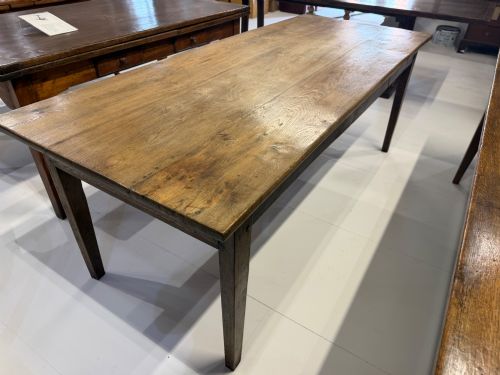
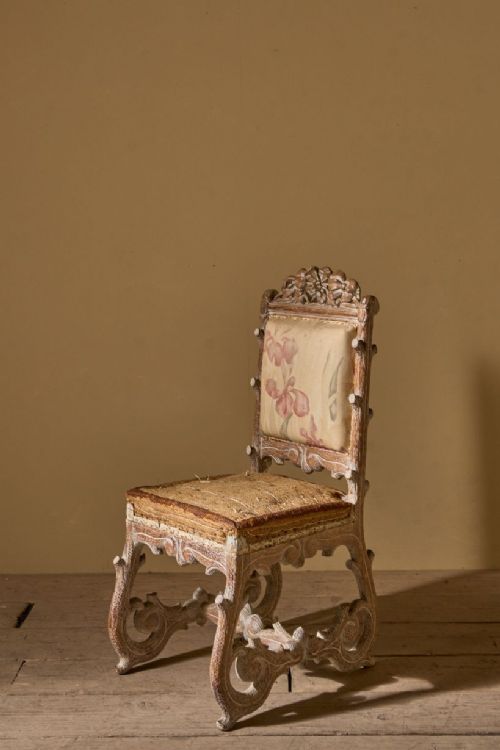
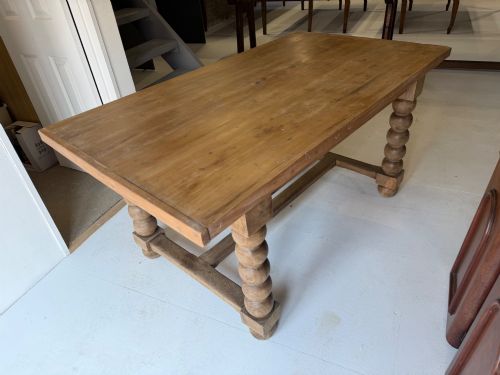
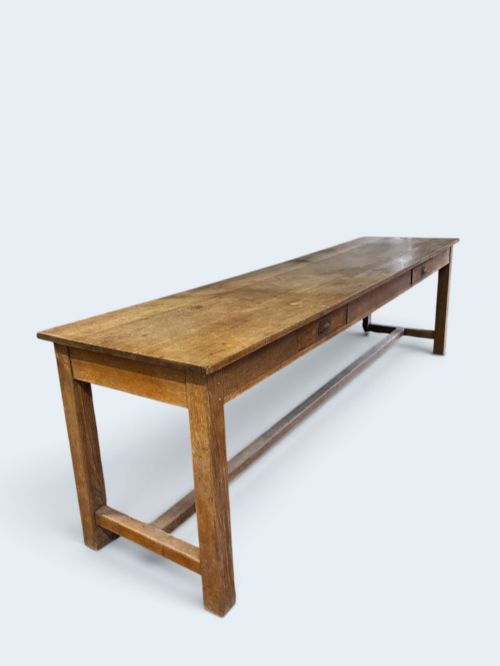
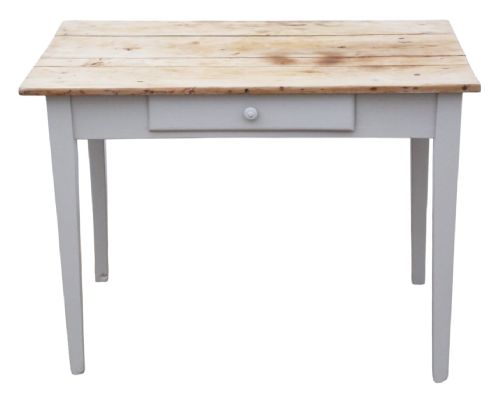


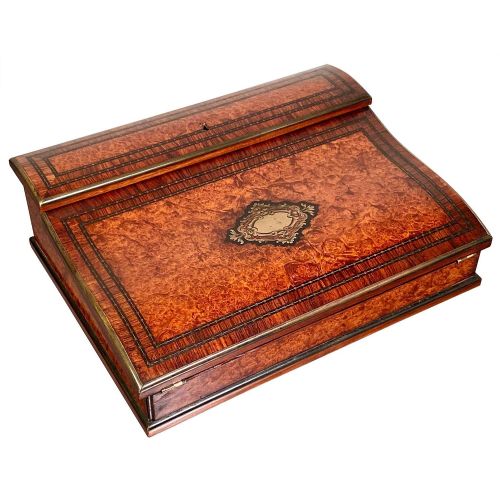
Vintage French Wooden Desk
A vintage french wooden desk brings continental character and rich timber warmth directly into a study, offering a practical workspace shaped by traditional cabinetmaking.

Vintage French Wooden Desk
A vintage french wooden desk search draws together workspace furniture spanning the nineteenth and early twentieth centuries, capturing forms from the Directoire and Louis XVI styles to Art Deco expressions. These pieces emerge in materials such as walnut, mahogany, oak, cherrywood, and pine, reflecting regional domestic traditions and urban cabinetmaking workshops.
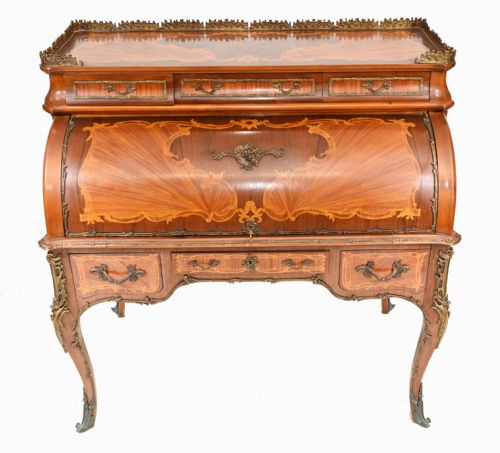
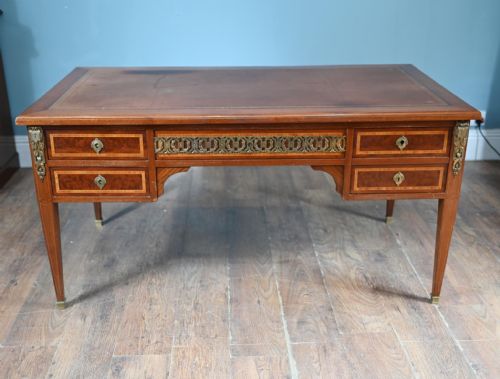
Buyers encounter rolling top bureaus, bureau plat forms, and campaign writing slopes featuring brass inlay, burr walnut veneers, and panelled construction. The selection balances refined metropolitan designs with rustic provincial tables adapted for writing and daily administration.
Materials and construction
Cabinetmakers utilised hardwoods like oak, walnut, and mahogany, often combining solid timber frames with figured veneers on writing surfaces and drawer fronts. Structural joinery relies on traditional methods, while brass hardware, mounts, and inlay provide functional accents and decorative contrast against the dark or polished wood.
Surfaces receive polish, wax, or traditional paint finishes that highlight the natural grain of the cherrywood, pine, or exotic timbers. Interior compartments, secret drawers, and leather-lined writing inserts demonstrate the meticulous attention given to functional utility.
Listings feature French desks in oak, mahogany, walnut, and cherrywood, spanning the nineteenth and early twentieth centuries.
Distinguishing quality
The refinement of carved details, the precision of brass inlay, and the choice of highly figured burr veneers separate standard utility pieces from exceptional examples of cabinetmaking. Superior items display harmonious proportions, integrated secondary timbers, and well-executed stylistic references to periods like Louis XVI or Directoire.
Original hardware, intact leather inserts, and smooth-operating drawer mechanisms elevate a piece, whereas heavy alterations or mismatched replacement elements diminish the integrity of the design. The depth of the timber patina and the crispness of the joinery tell the story of the maker's hand.
Étienne Kohlmann
The Vintage French Wooden Desk Glossary
- Bureau plat
- A freestanding double-sided writing desk featuring a rectangular top, typically with one or more rows of drawers beneath the frieze. This form gained popularity during the eighteenth century and influenced later nineteenth-century French desk designs.
- Campaign writing slope
- A portable box opening to form a slanted writing surface, equipped with compartments for ink and stationery. These pieces frequently feature brass bound corners and flush carrying handles for travel.
- Inlay
- The technique of inserting pieces of contrasting material, such as brass or lighter wood, into depressions in a timber base to create decorative patterns. It defines the surface enrichment on many formal desks.
- Burr walnut
- Timber taken from a tree growth where the grain has grown in a deformed manner, resulting in swirling, highly decorative patterns. Cabinetmakers sliced this wood into veneers for tabletops and drawer fronts.
- Directoire style
- A transitional design period bridging Louis XVI and Empire styles, characterised by neoclassical restraint, clean architectural lines, and minimal ornamentation. Desks from this lineage favour structural proportion over heavy carving.
Vintage French Wooden Desk: Frequently Asked Questions
What is a bureau plat?
A bureau plat is a freestanding writing desk featuring a flat top and drawers integrated into the frieze. It is designed to sit away from the wall rather than against it.
These desks often stand on slender tapering legs and carry brass mounts, serving as both functional workspaces and central decorative objects in a room.
How do I identify a Directoire desk?
Directoire desks display restrained neoclassical lines, avoiding heavy ornamentation in favour of architectural balance and subtle geometry. They often incorporate mahogany or walnut with simple brass handles and mounts.
This style bridges the transition between Louis XVI elegance and Empire grandeur during the late eighteenth and early nineteenth centuries.
Where were these wooden desks used?
These desks served in domestic studies, grand chateaux, provincial homes, and administrative offices across France. They accommodated correspondence, record-keeping, and literary work.
Their varied forms reflect the specific needs of writers, officials, and households throughout the nineteenth and early twentieth centuries.
How do I care for a antique wooden desk?
Antique wooden desks require protection from direct sunlight and sudden humidity changes to prevent timber movement and veneer lifting. Regular dusting with a soft cloth maintains the finish.
Applying occasional traditional beeswax helps nourish the wood and preserves the depth of the historical patina.
What woods were used for French desks?
Cabinetmakers utilised native and imported timbers, including rich mahogany, figured walnut, dense oak, and warm cherrywood. Pine often served as a secondary wood for drawer linings and internal frames.
Surfaces were frequently enhanced with decorative veneers or left with natural polished grains.