

Vintage French Vases
These vintage french vases range from nineteenth century earthenware confit pots to twentieth century cameo glass masterworks by leading designers.
Vintage French Vases
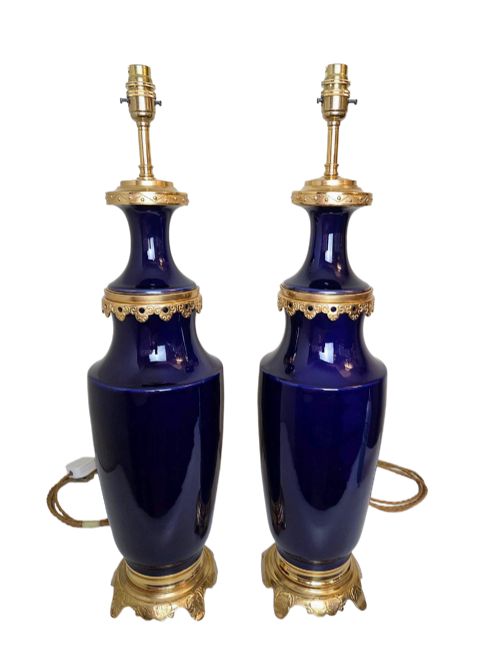
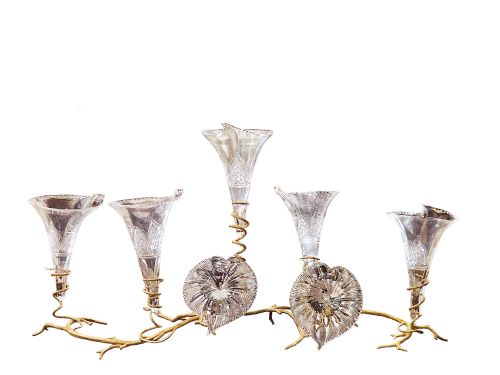
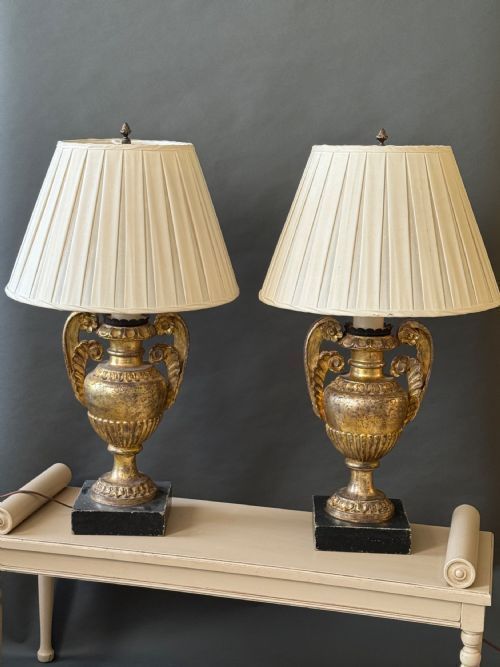
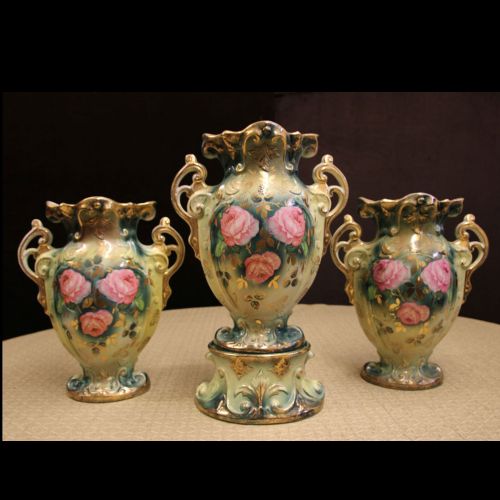
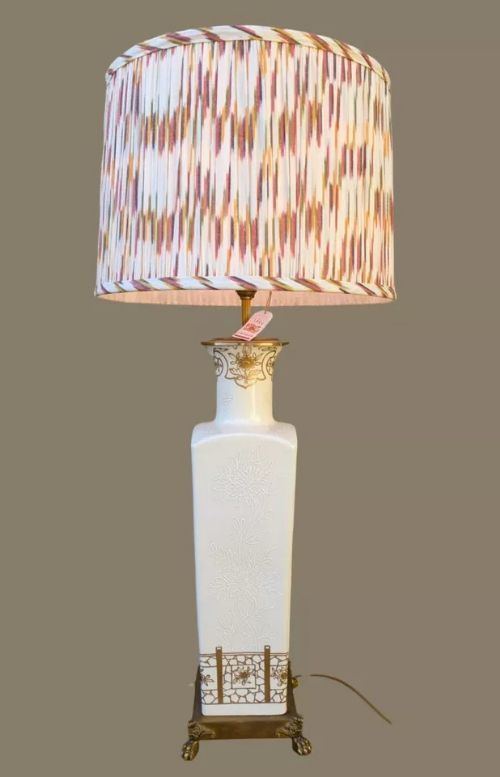
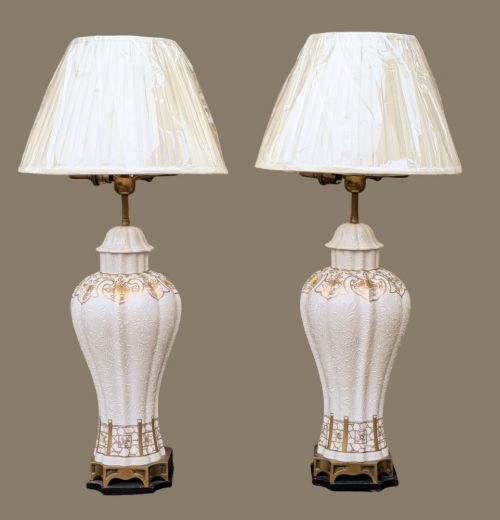
When searching for vintage french vases, collectors encounter a diverse array of vessels spanning the nineteenth and twentieth centuries. The selection encompasses forms shaped for specific decorative purposes, including trumpet epergnes, handled ewers, and substantial porcelain urns with gilt bronze trim.
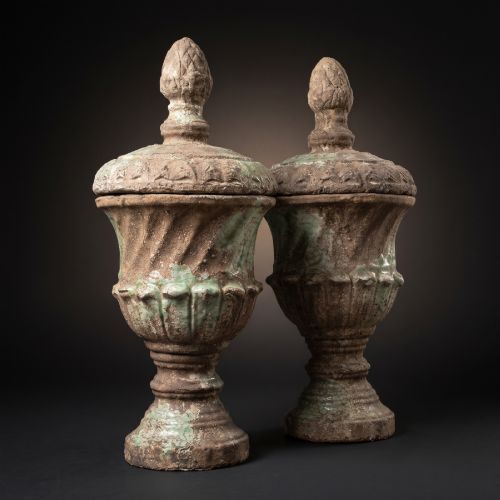
Confit pots and ceramic jars represent the earlier end of the spectrum, originating from nineteenth century workshops and utilitarian traditions. These earthenware pieces often retain green glazes or shell decoration applied by hand.
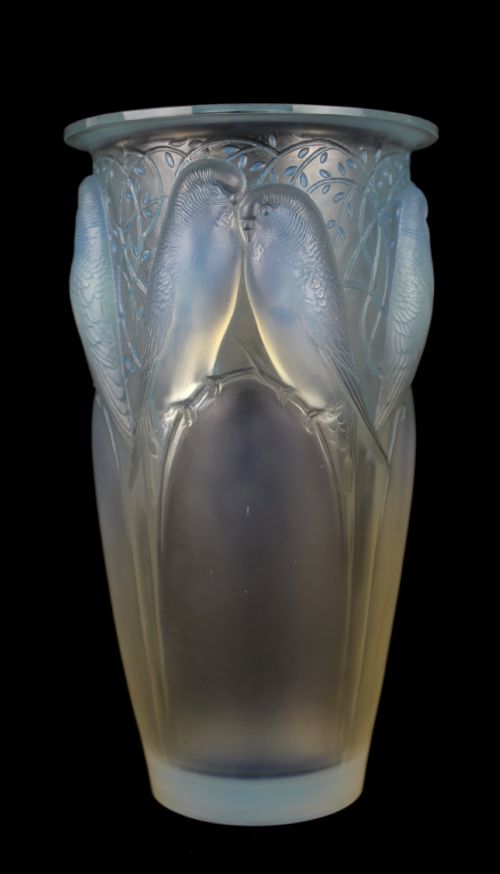
The twentieth century brings a distinct shift toward modernist and decorative arts movements. Pieces from the nineteen-twenties and thirties dominate the aesthetic landscape, displaying the characteristics of Art Deco and Art Nouveau design through moulded crystal and pottery.
How they were made
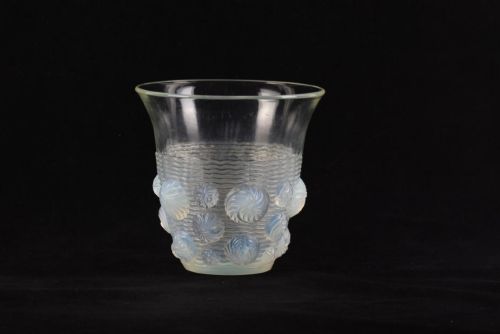
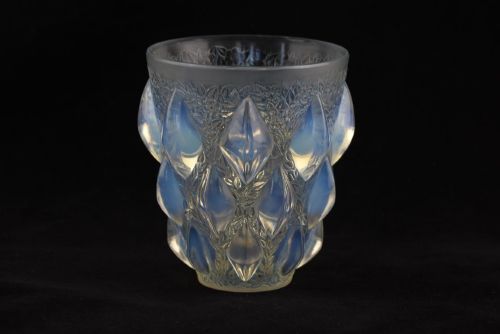
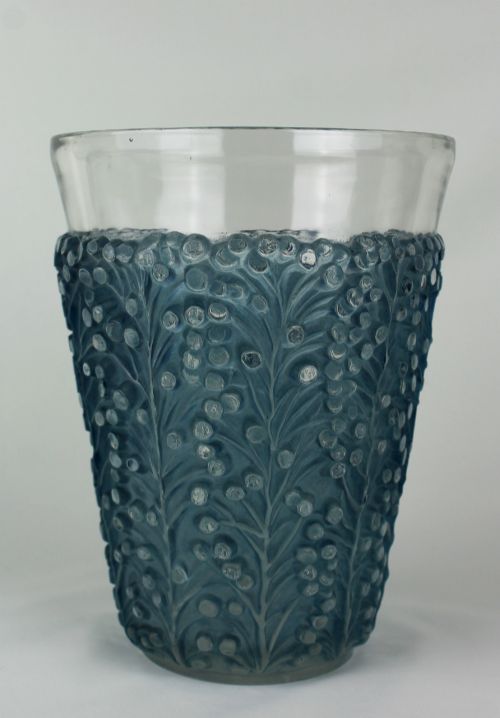
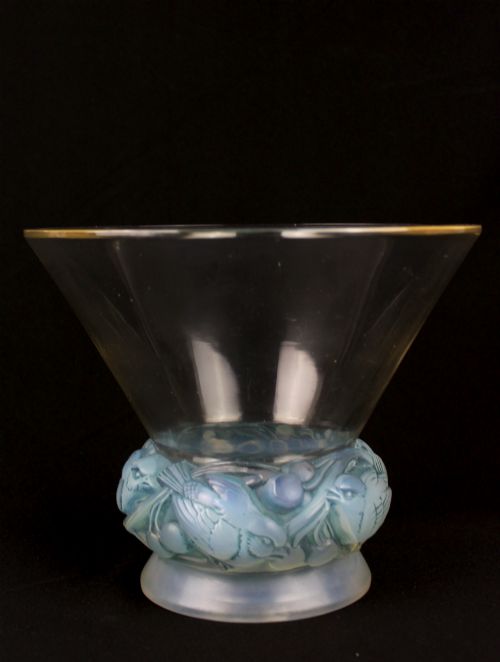
Makers utilised glass as a primary medium, shaping vessels through hand blowing, acid etching, and cameo layering. Techniques such as deep carving reveal contrasting background colours in multi-layered glass, while opalescent and frosted finishes manipulate light across the surface.
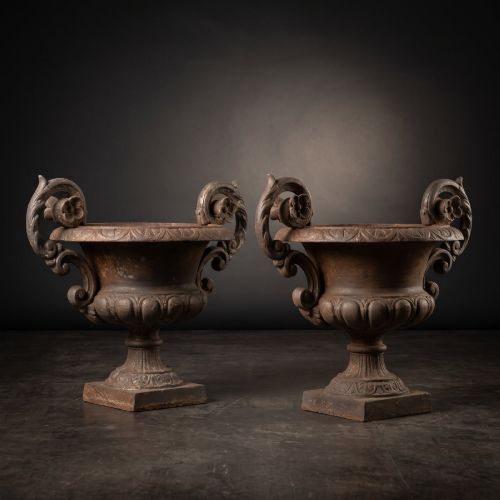
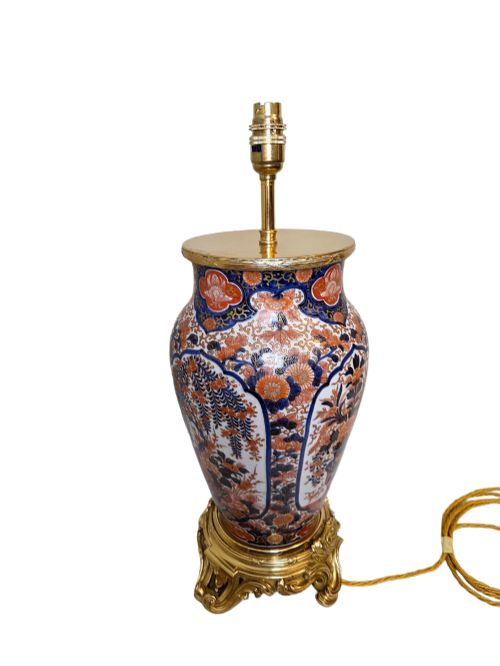
Ceramic works rely on traditional throwing and glazing methods applied to terracotta and faience bodies. Metal elements incorporate brass, bronze, and wrought iron mounts attached to glass bodies or cast independently.
Vintage French Vases Retail Price Guide 2026
Typical asking prices for vintage french vases among the pieces listed under this phrase on Sellingantiques today, from the lower quarter to the upper quarter. They describe what is for sale here now, not the wider market.
The listings encompass items spanning the Victorian era through the mid-twentieth century, dominated by glass and ceramic forms.
What varies in quality
The distinction between standard production and exceptional quality rests in the execution of surface detail and depth of material manipulation. Deeply etched cameo glass and intricate enamel work demand a high level of manual skill from the artisan.
Proportion and weight dictate the presence of quality in larger crystal and glass vessels. Thick-walled crystal objects with substantial heft demonstrate technical mastery during the cooling and annealing processes.
Rene Lalique·Daum·Emile Galle·Jean Luce·Schneider·Samson Paris·St Louis glassworks
The Vintage French Vases Glossary
- Cameo glass
- A method of glass vessel construction involving multiple layers of different coloured glass fused together and carved away to create raised designs. This technique requires considerable patience and precision from the glassblower.
- Confit pot
- A traditional French earthenware jar utilised for food preservation in domestic settings. These utilitarian pieces feature glazed surfaces and sturdy handles.
- Epergne
- A centrepiece table ornament featuring a central trumpet flanked by smaller vases or baskets. Victorian examples often utilise hand-blown uranium glass.
- Opalescent glass
- A translucent glass type that appears milky blue in transmitted light and warm amber in reflected light. Makers achieved this optical effect through specific chemical additives during melting.
- Faience
- Tin-glazed earthenware produced in France following traditional pottery methods. The resulting opaque white glaze provides a smooth ground for hand-painted decoration.
Vintage French Vases: Frequently Asked Questions
How do I identify Art Deco vases?
Art Deco vases typically display geometric patterns, stylised floral motifs, and symmetrical forms characteristic of the interwar period. Common materials include moulded opalescent glass and heavy crystal.
Signatures or moulded marks from studios of the era provide definitive attribution. The presence of deeply etched modernist designs further distinguishes these pieces from earlier nineteenth-century wares.
What is cameo glass?
Cameo glass is formed by fusing layers of contrasting coloured glass together before carving away the exterior layer to leave a raised design. Artists utilised acid-etching and hand-carving tools to achieve fine detail.
This labour-intensive technique reached prominence during the Art Nouveau period through makers working in France. The resulting vessels display remarkable tonal depth.
How were confit pots used?
Confit pots served a strictly utilitarian purpose in nineteenth-century French domestic life, primarily used for storing preserved meats and duck confit. Their interior glazing prevented fats from seeping into the porous terracotta body.
Today, these jars function primarily as decorative floor or table vases. Their earthy glazes and practical handles lend rustic character to interiors.
Are these vases signed?
Many twentieth-century pieces bear etched, moulded, or painted signatures from the designer or workshop. Signatures often appear near the base of glass vessels or on the underside of ceramics.
Unsigned pieces remain common, particularly among utilitarian earthenware and earlier nineteenth-century items. Attributions for unsigned works rely on stylistic comparison and known manufacturing techniques.