

Vintage French Portrait Art
Vintage french portrait art brings centuries of European character to a room through painted canvas, framed drawings and expressive studies.
Vintage French Portrait Art
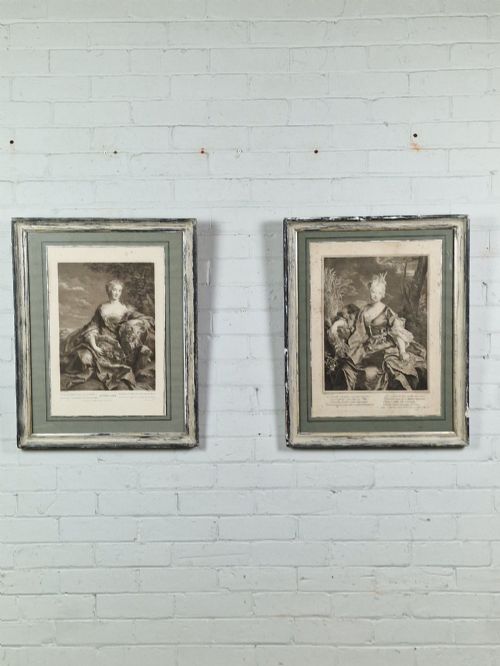
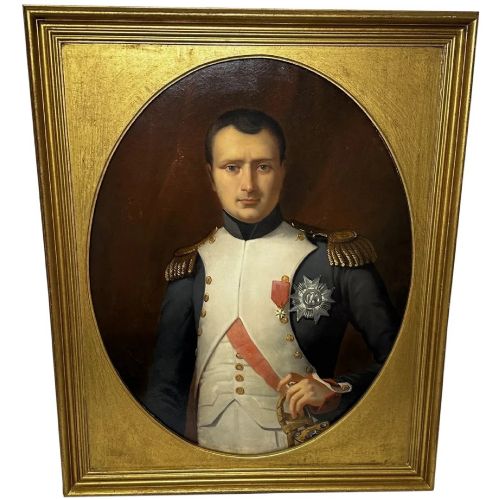
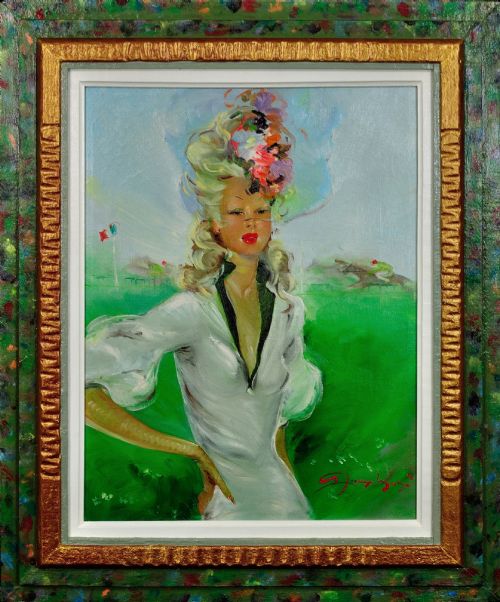
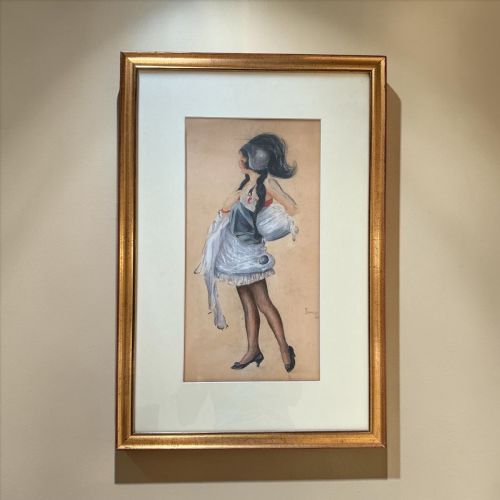
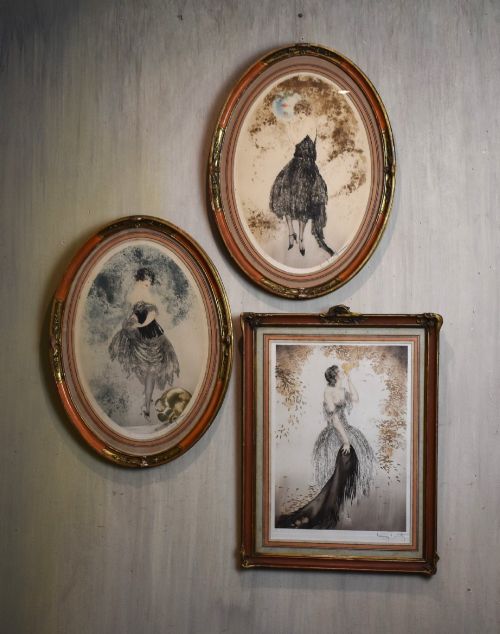
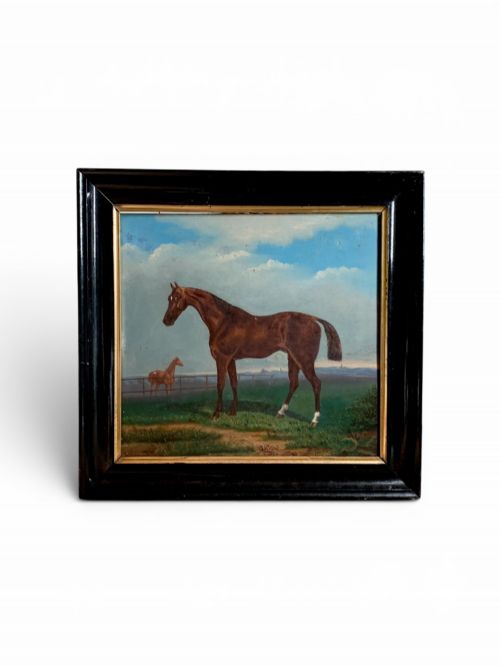
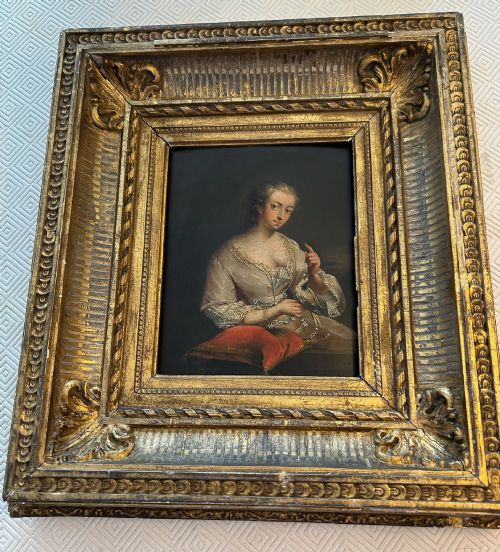
Vintage french portrait art encompasses works produced across multiple eras, ranging from eighteenth-century engravings and nineteenth-century oil paintings to modernist pieces from the nineteen-twenties and nineteen-thirties. Buyers searching this phrase encounter depictions of notable historical figures, elegant ladies at races, academic life studies, and intimate sketches created by regional artists and salon exhibitors.
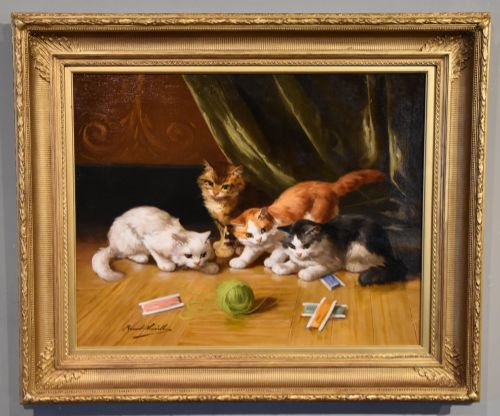
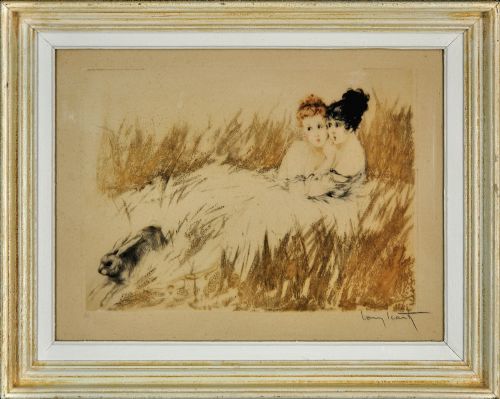
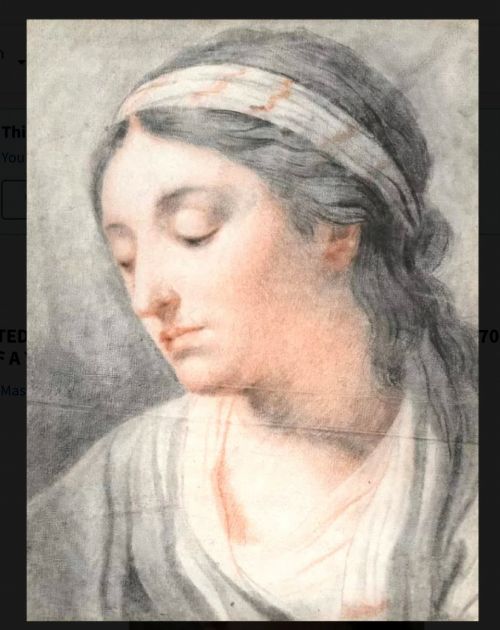
The selections span distinct stylistic movements including French Rococo, Art Deco, Art Nouveau, Post-Impressionism, and the French School. Mediums vary from traditional oil on canvas and oil on panel to pastel pictures, hand-coloured etchings, gouache, and black-and-white photography.
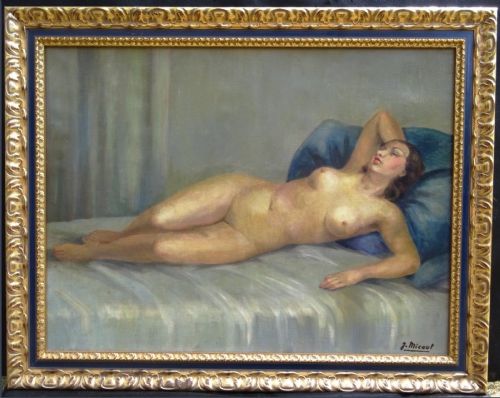
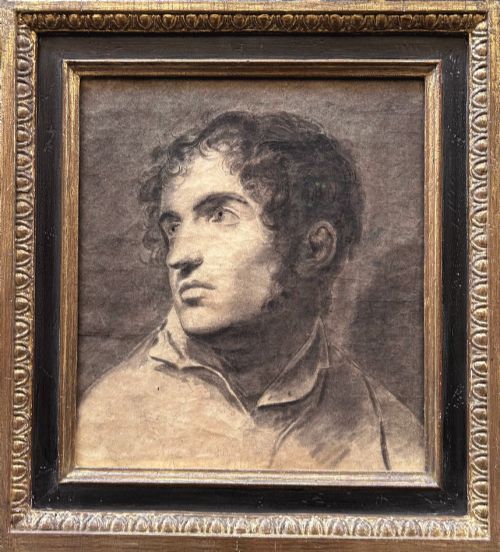
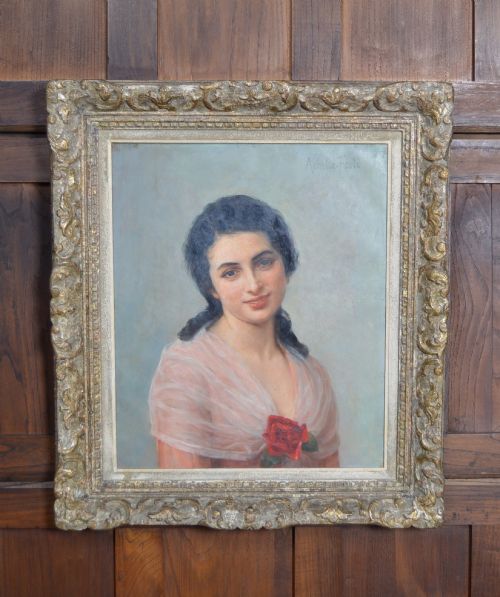
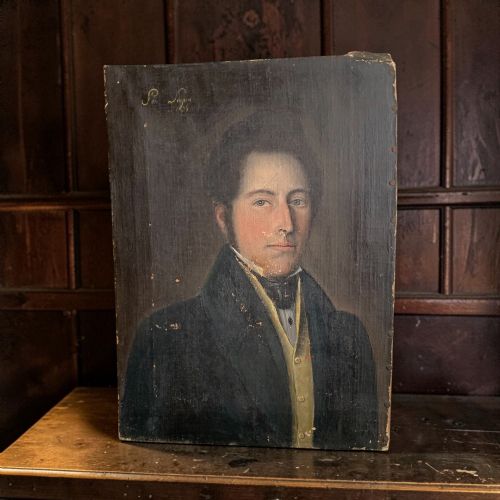
Subjects range from formal portraits of gentlemen with blue eyes and young women in historical styles to avant-garde nudes and character studies. These pieces capture the evolving social fabric of France across distinct historical periods, preserved through framed presentations and antique picture frames.
Materials and methods
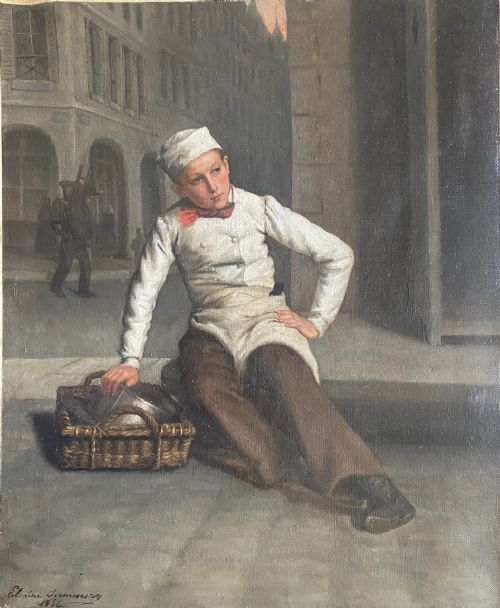
Many works utilise oil paint applied to canvas or wood panel, capturing depth and texture characteristic of academic and impressionist traditions. Artists also employed pastel on paper, watercolour, and gouache for softer or more illustrative compositions.
Framing forms an integral part of the physical object, utilising materials such as gesso and giltwood, wood, glass, and sterling silver. Etchings and engravings involve printmaking techniques, sometimes enhanced with hand-colouring.
Sculptural variants incorporate bronze and terracotta, shaped into busts that reflect the periods of their creation.
A sentimental naval gouache records a sailor's tribute to his ironclad battleship and shipmates.
Distinctions in quality
The historical significance of the sitter, the documentation of the artist or school, and the preservation of the original support material differentiate standard decorative items from collectible pieces. Superior items retain their original framing and surface patination without heavy modern intervention.
Louis Icart·Alfred Arthur Brunel de Neuville·Georges-Charles Coudray·Georges Goursat Sem·Julian Mandel
The Vintage French Portrait Art Glossary
- French School
- A designation for works produced by artists trained or working in France whose specific individual identities remain unrecorded or secondary to their regional style. It groups together works sharing common academic or stylistic traits.
- Oil on Canvas
- Pigment mixed with a drying oil applied to a stretched woven fabric support. This medium allowed artists to build rich layers of colour and texture.
- Etchings
- Printmaking methods where lines are incised into a metal plate with acid before being inked and pressed onto paper. Hand-coloured examples receive pigment by hand after the printing process.
- Gesso
- A paint mixture consisting of a binder mixed with chalk, gypsum, or pigment, used as a prepared surface on wood or canvas before painting, or moulded to create decorative frames.
- Pastel
- A dry painting medium consisting of powdered pigment and a binder, producing a velvety texture and soft chromatic finish on paper.
Vintage French Portrait Art: Frequently Asked Questions
How do I date an antique french portrait?
Dating relies upon costume details, hair styling, framing materials, and stylistic markers such as Art Deco geometry or nineteenth-century academic realism. Signatures, inscriptions on the reverse, and artist biographical dates offer further chronological anchors.
Paper types, canvas weaves, and stretcher construction methods provide additional physical evidence for establishing the period of origin.
What is the difference between an oil painting and an engraving?
An oil painting is a unique, hand-painted work created with pigmented oils on canvas or panel, offering visible brushstrokes and rich texture. An engraving is a printed multiple produced by carving an image onto a plate.
Engravings present flat, precise lines transferred to paper, whereas paintings record the direct physical touch of the artist.
How should I display portrait art at home?
Portraits benefit from placement at eye level in living spaces, studies, or hallways where their narrative character can be appreciated up close. Pairing them with period lighting enhances the depth of the original gesso frames and oil surfaces.
Avoid hanging works in direct sunlight to protect pigments from fading, particularly works on paper and pastels.
What does attribution to the French School mean?
Attribution to the French School indicates that a painting or drawing originates from an artist trained within the French artistic tradition. These works often reflect the academic standards and aesthetic concerns prevalent in Parisian studios during their respective centuries.
While the specific hand may remain anonymous, the technical execution aligns with recognised national training methods.