





Vintage French Porcelain
Vintage French porcelain brings ornamental splendour to a room through glazed ceramic bodies, gilt bronze mounts and hand-painted detail.
Vintage French Porcelain
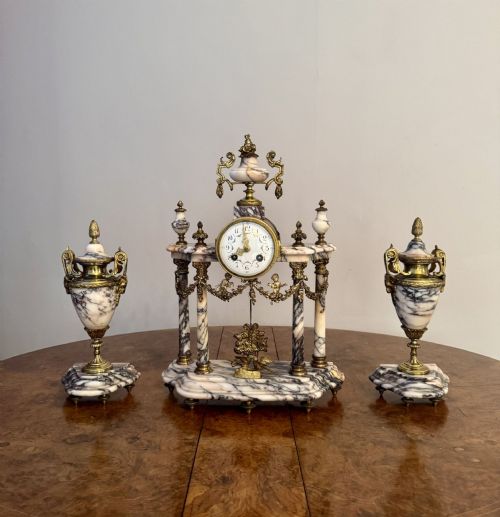
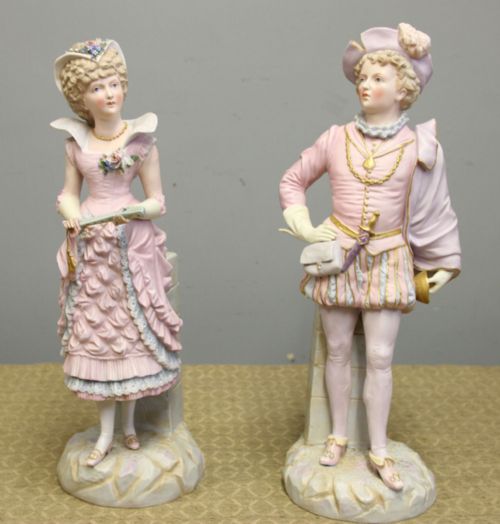
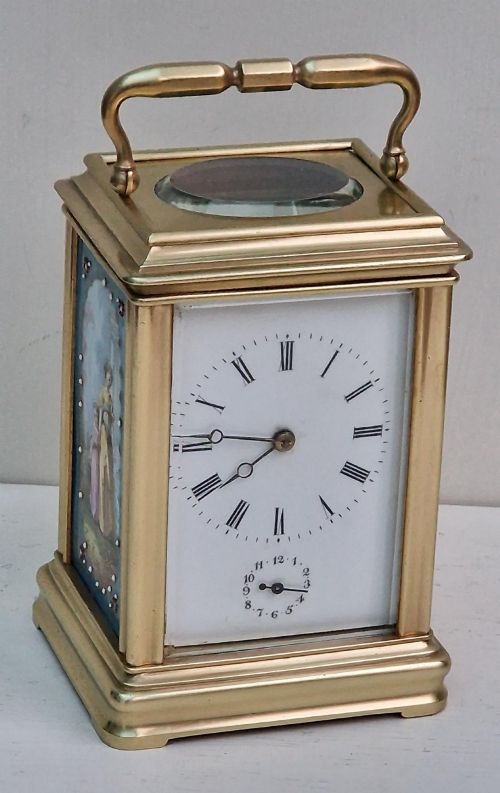
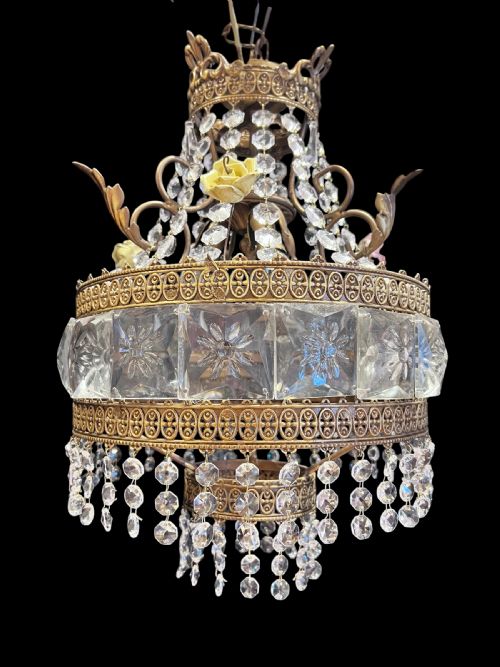
When you search for vintage French porcelain, you encounter a diverse array of decorative and functional objects spanning from the eighteenth century into the twentieth. The selection on this page centres on table lamps, vases, clocks, trinket boxes and figurines, alongside larger decorative vessels like urns and jardiniere stands. These pieces reflect stylistic shifts from Rococo Revival and Neoclassical designs to later Art Deco forms.
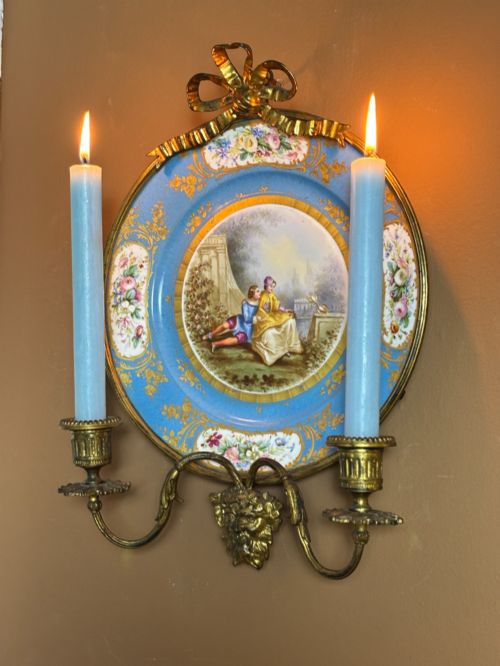
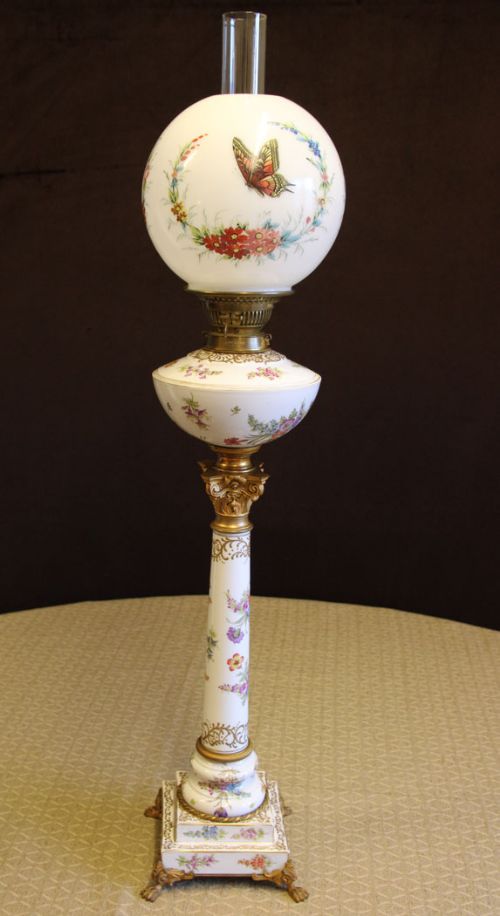
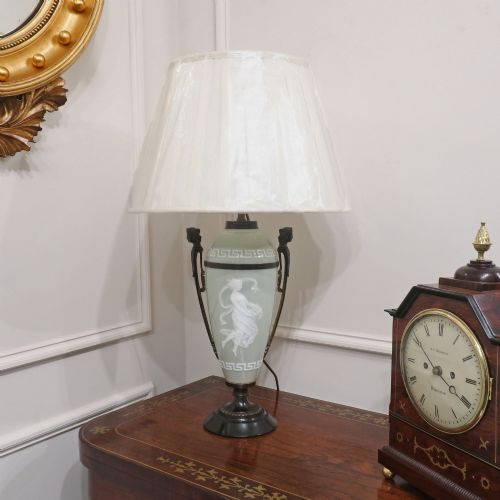
You are most likely to meet nineteenth-century table lamps with gilt bronze trim, Old Paris cabinet cups, and mounted porcelain plaques. Makers such as Edmé Samson and Sèvres-style workshops appear among the offerings, spanning Victorian, Edwardian and Art Deco periods. Whether configured as lighting, vanity items or display vessels, the objects combine ceramic bodies with brass, ormolu and enamel detailing.
Materials and construction methods
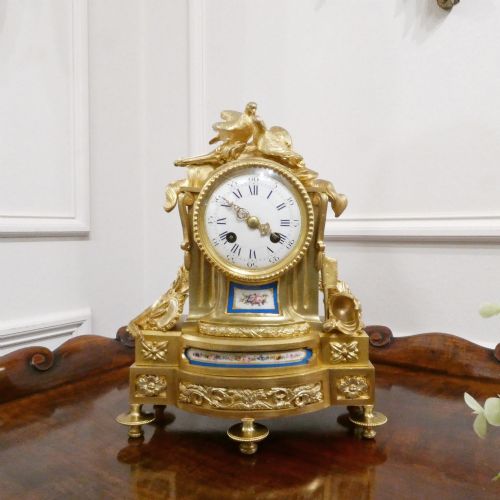
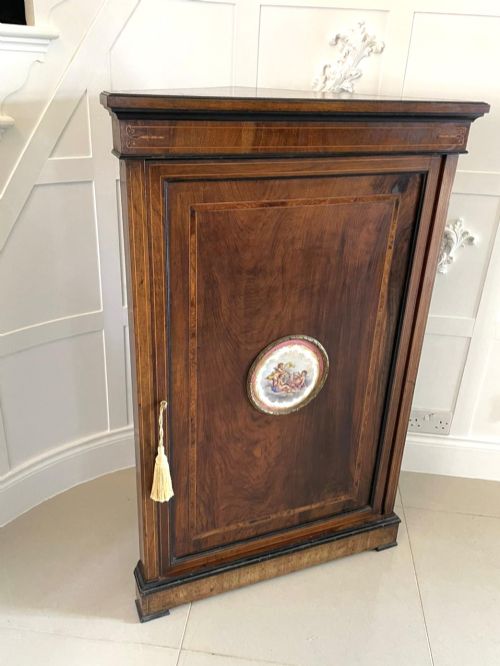
Makers utilised hard-paste and soft-paste porcelain, earthenware and ceramic bodies, often decorated with hand-applied glazes, enamel colours and gold leaf. Many porcelain elements were integrated into larger ornamental objects by mounting them in cast ormolu, gilt bronze and brass frames. These metal mounts required precision casting and hand-chasing to fit the contours of the ceramic plaques, vases and clock panels.
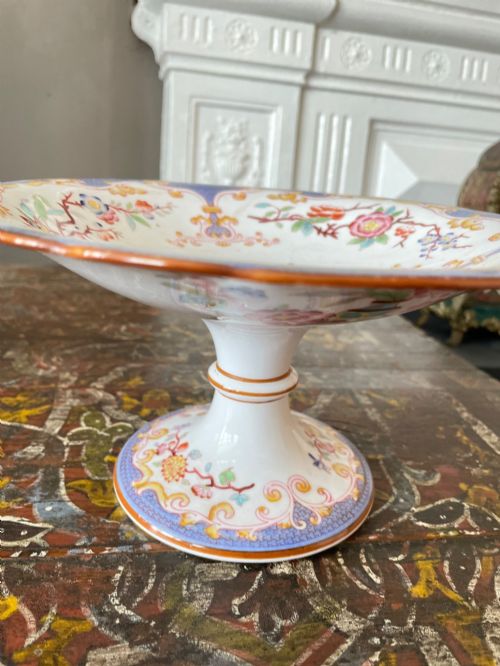
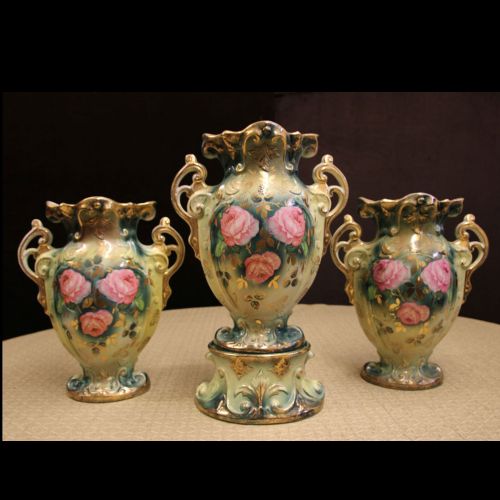
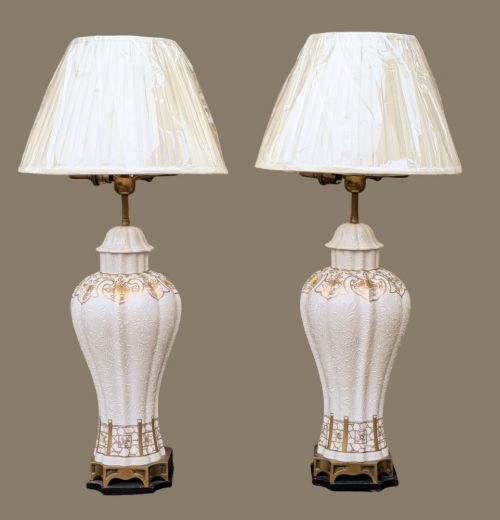
Surface decoration involved meticulous hand-painting, including floral motifs, figural scenes and patterned grounds in shades of green, blue and turquoise. Some items incorporate specialist techniques such as pate-sur-pate, building layers of white slip on a coloured background to create low-relief cameos. Craquelure glazes and crackle ware finishes also appear on nineteenth-century lamps and vessels.
Vintage French Porcelain Retail Price Guide 2026
Typical asking prices for vintage french porcelain among the pieces listed under this phrase on Sellingantiques today, from the lower quarter to the upper quarter. They describe what is for sale here now, not the wider market.
Listings feature items spanning the 18th, 19th and 20th centuries, incorporating materials such as ormolu, brass, enamel and gold leaf.
Distinctions in quality and execution
Quality rests in the crispness of the porcelain moulding, the refinement of the hand-painted decoration, and the weight and detail of the metal mounts. Superior pieces display finely articulated ormolu with sharp chasing rather than soft, mass-produced cast edges. The ceramic bodies on better examples show smooth glazing, precise enamel work and well-registered gilding that holds its lustre.
Edmé Samson·Sèvres
The Vintage French Porcelain Glossary
- Ormolu
- Gilt bronze mounts applied to furniture, clocks and porcelain vessels. The technique involves applying a finely ground mercury and gold amalgam to cast bronze before heating.
- Pate-sur-pate
- A ceramic decoration method where successive layers of liquid white clay are painted onto a tinted body before firing. This builds a translucent relief design resembling a cameo.
- Old Paris
- A generic term for porcelain produced by numerous independent Parisian factories between the late eighteenth and late nineteenth centuries. These workshops produced highly decorative cabinet pieces and tea services.
- Faience
- Tin-glazed earthenware produced in France and other European regions. The technique creates an opaque white surface suitable for colourful painted decoration.
Vintage French Porcelain: Frequently Asked Questions
How do I identify genuine vintage French porcelain?
Examine the quality of the hand-painted details, the weight and chasing of any metal mounts, and the characteristics of the glaze. Genuine pieces often show age-appropriate wear to gilding and base rims.
Look for factory marks or decorator signatures on the underside, though many unmarked regional pieces still demonstrate high craftsmanship.
What is Old Paris porcelain?
Old Paris refers to wares made by various unregulated workshops and studios operating in and around Paris from the Georgian era through the nineteenth century. These pieces are known for vibrant colour grounds, rich gilding and sculptural handles.
They often mimic the luxurious output of royal manufactories like Sèvres but were created for the expanding middle-class market.
Are these pieces suitable for everyday use?
Most vintage French porcelain items function primarily as decorative objects, lighting or display pieces rather than hard-wearing tableware. Cabinet cups, urns and clocks are best placed in stable locations away from heavy traffic.
Functional items like breakfast sets require careful hand washing and gentle handling to preserve their historic glazes.